
Last updated September 23, 2026
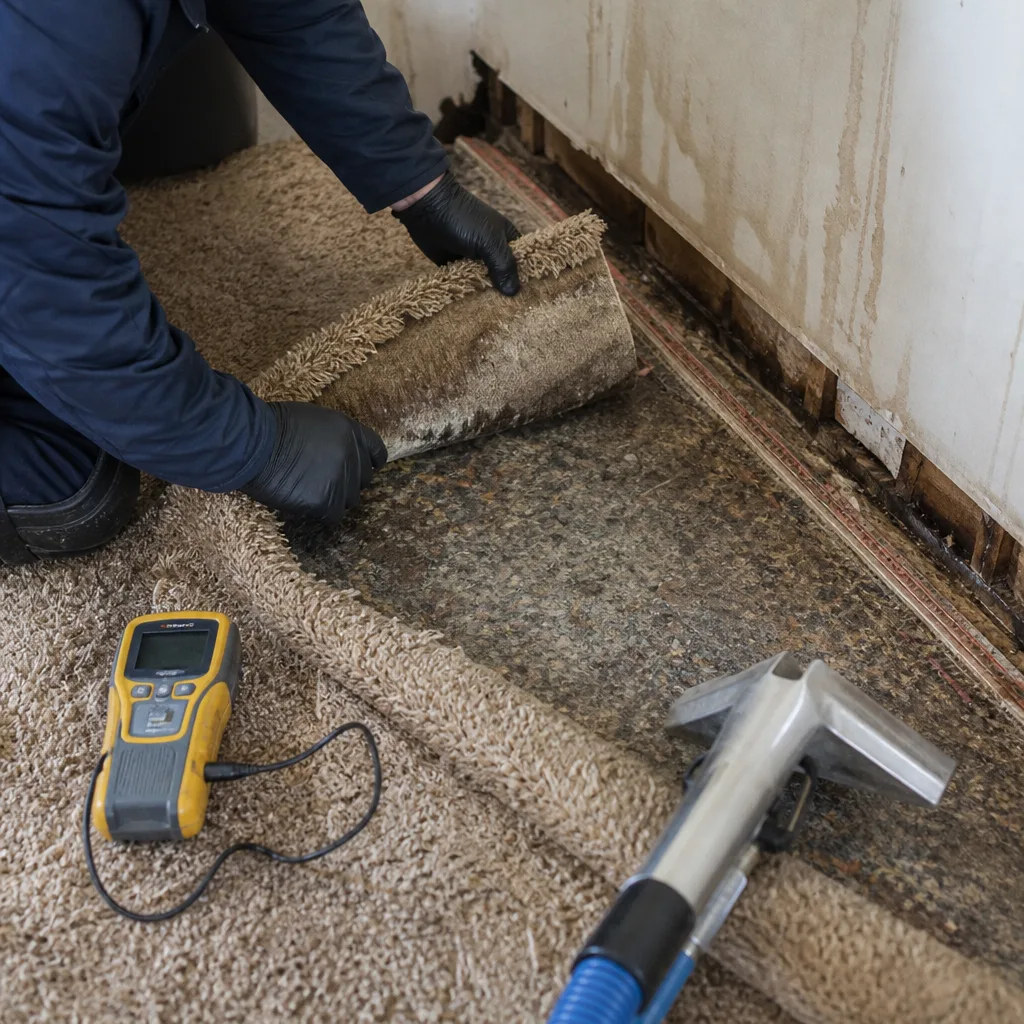
Free visual inspection and a written scope of work before any mitigation begins - photos, moisture readings, and drying logs go in your claim file
The scope we write is the scope we bill. Anything new gets shown to you, in writing, before we touch it.
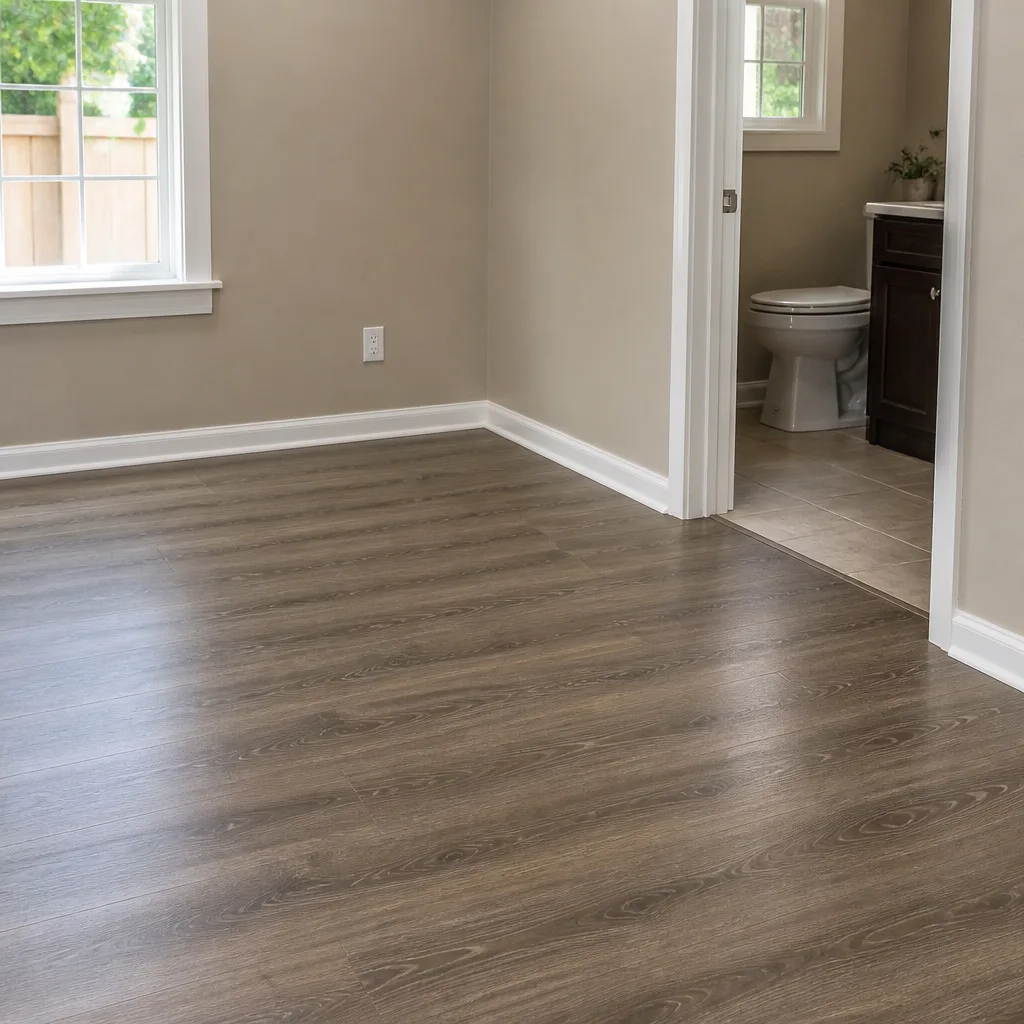
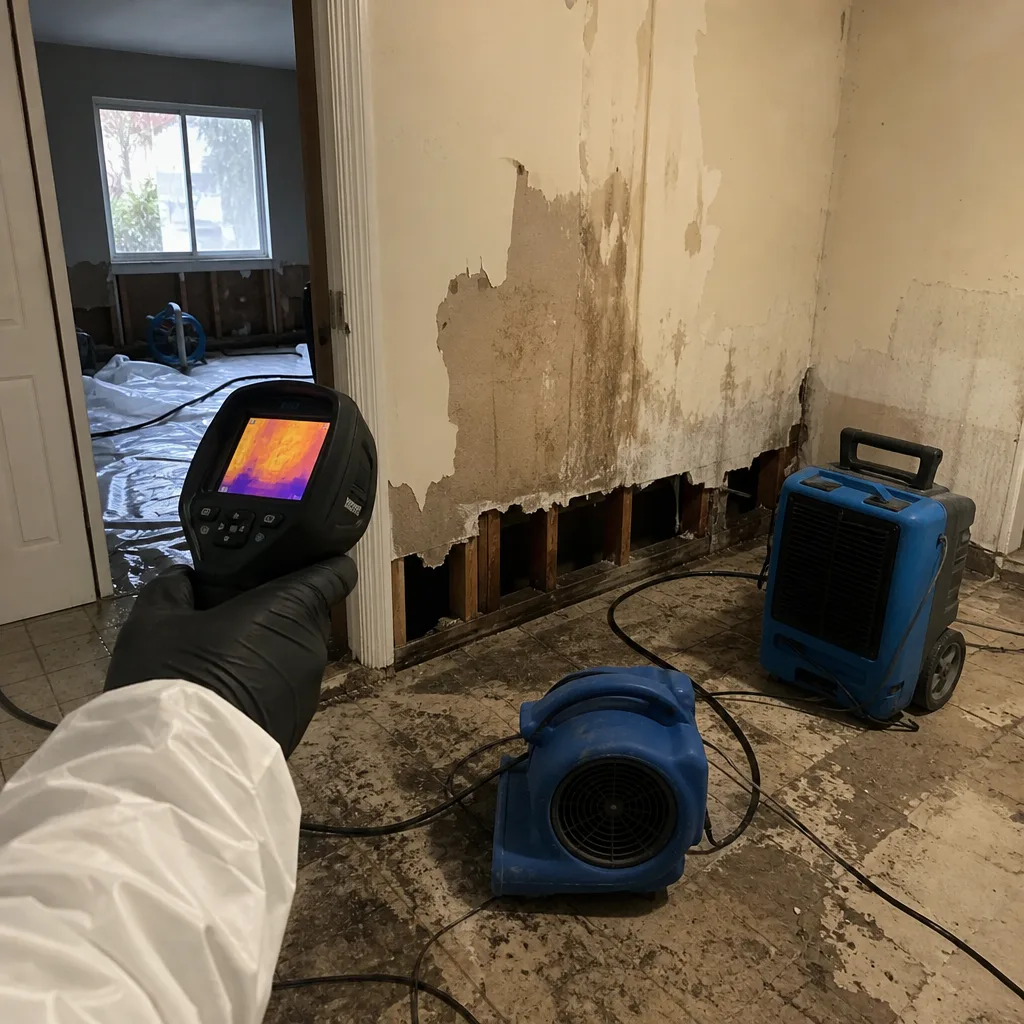 Before
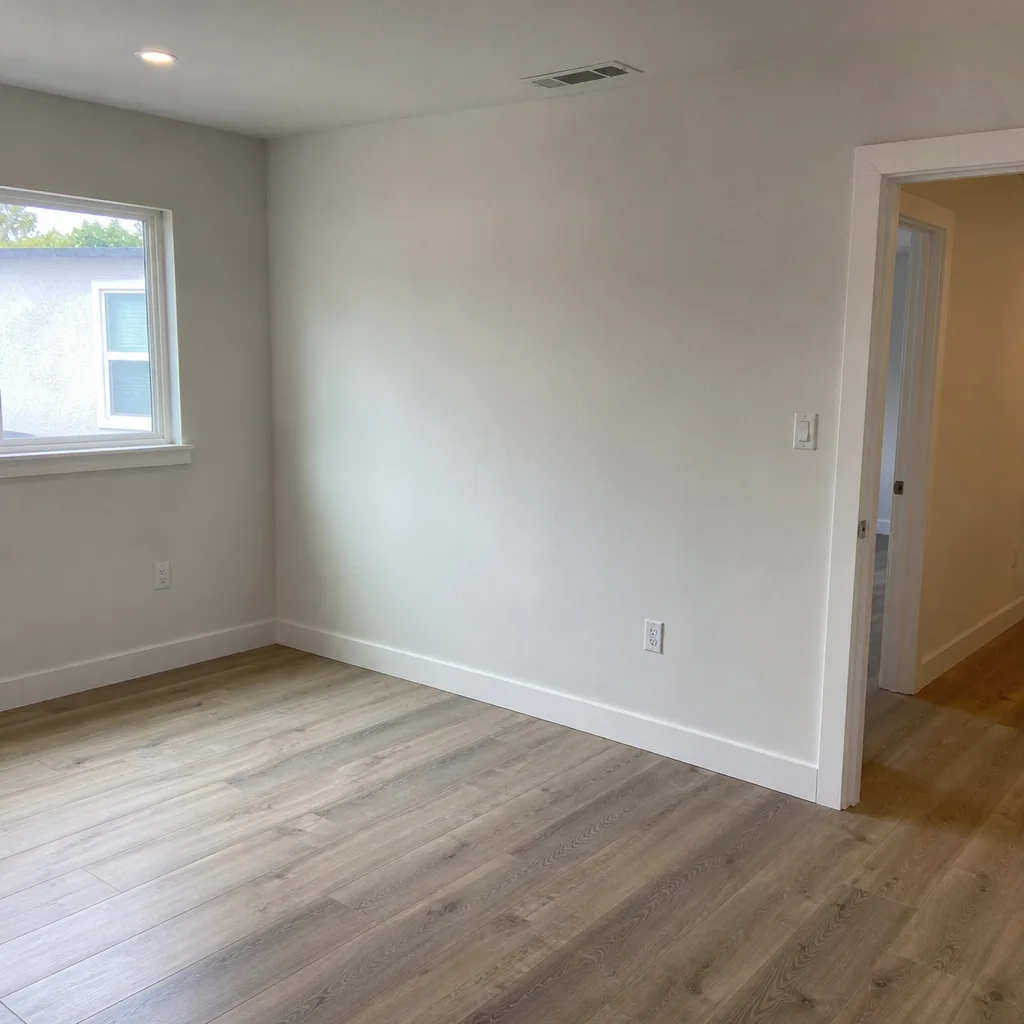 After
After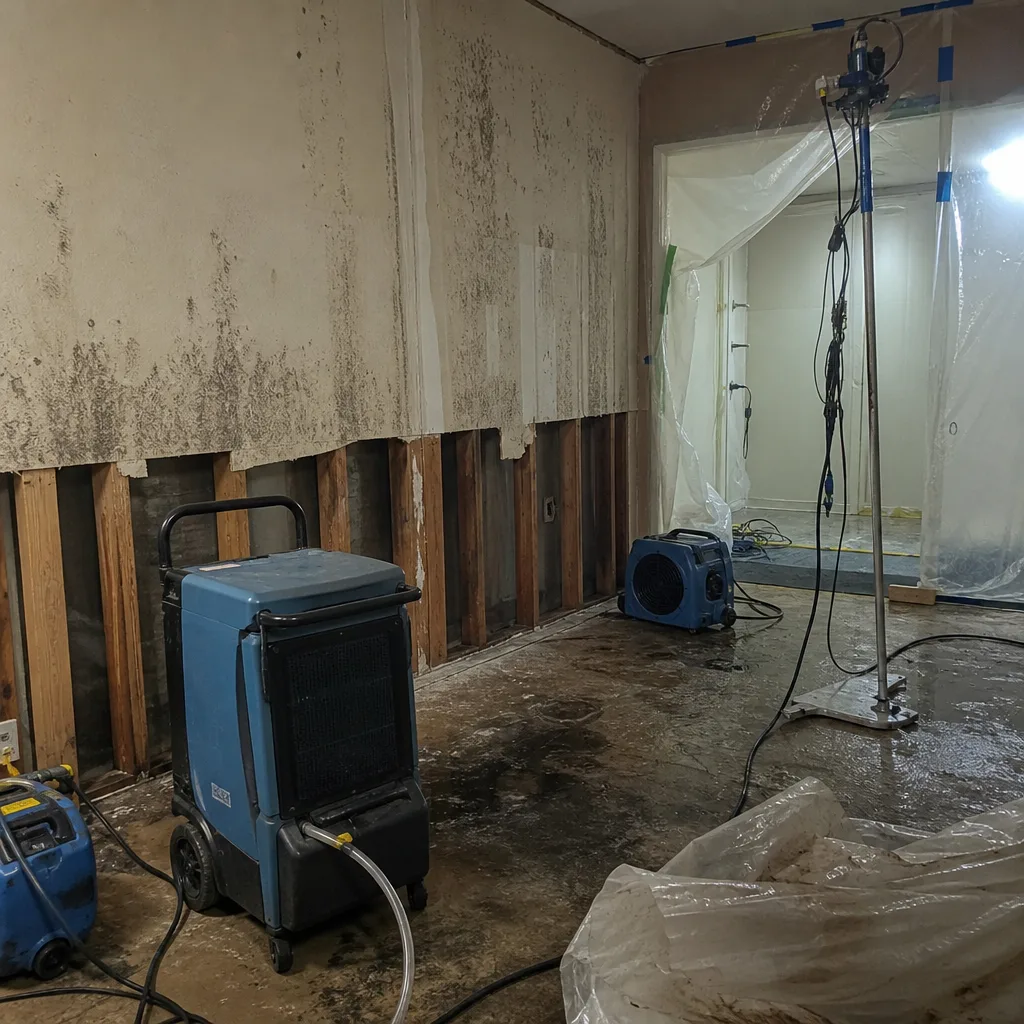 Before
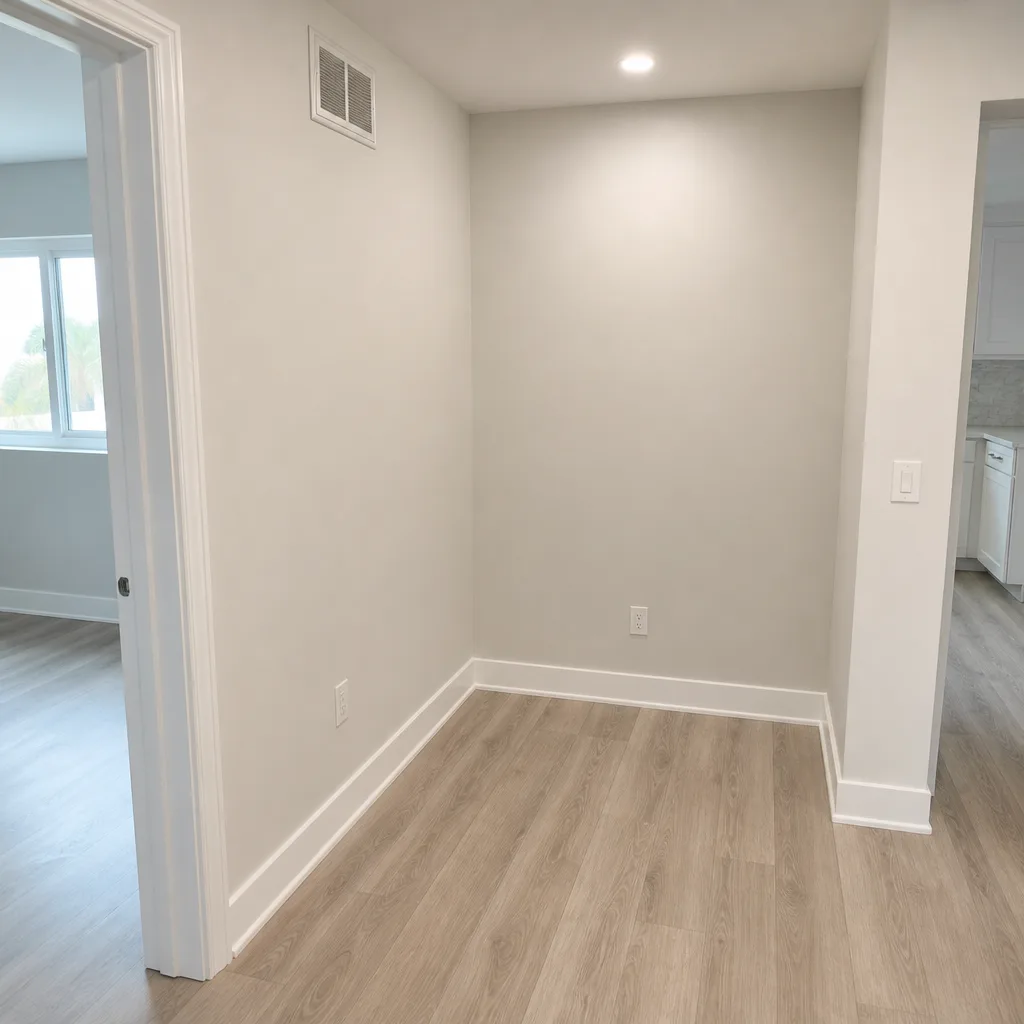 After
After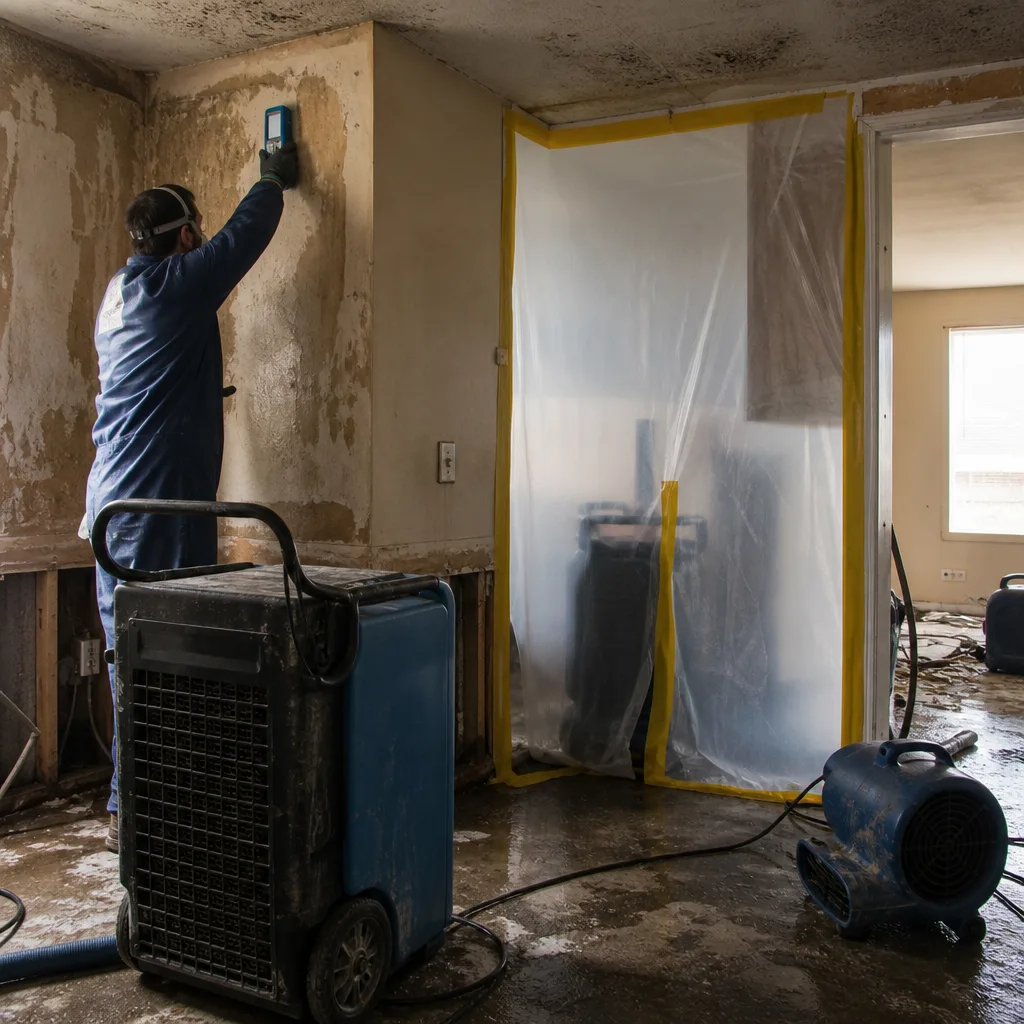 Before
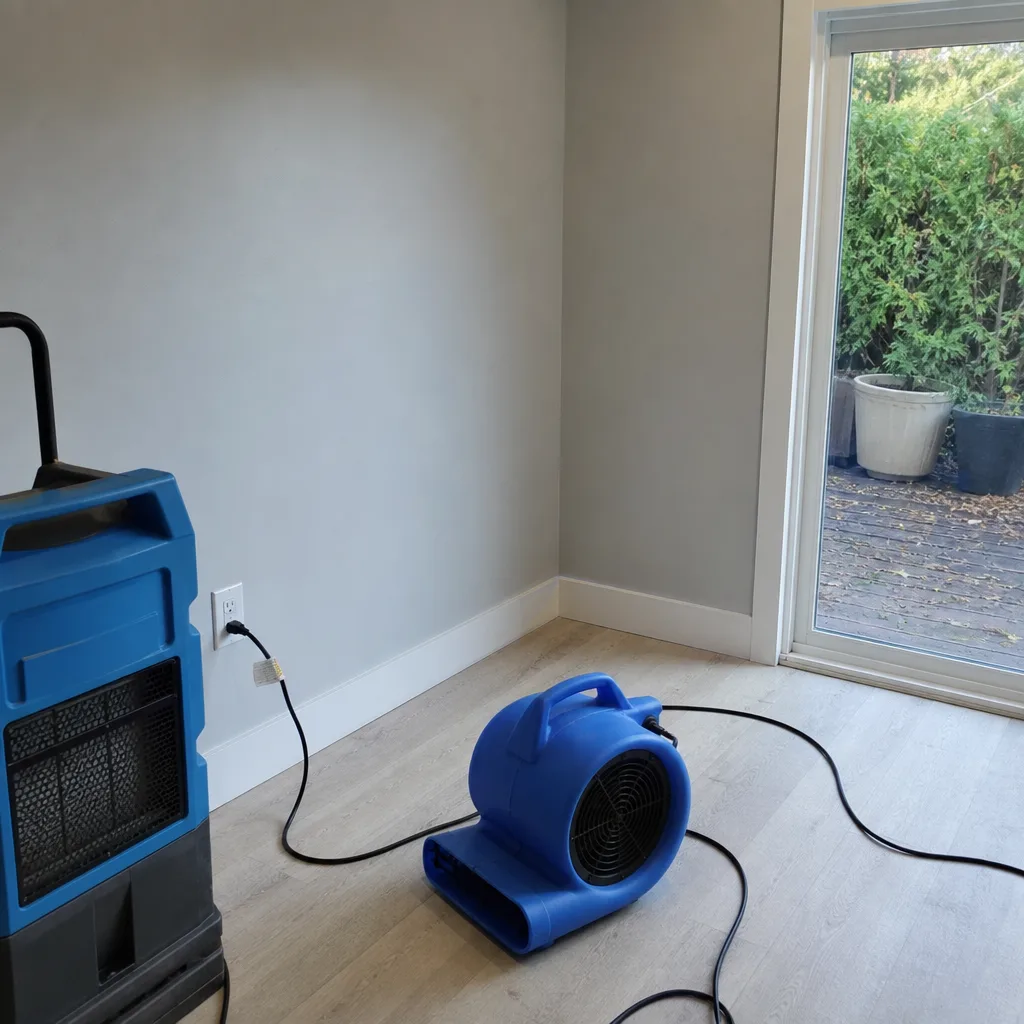 After
AfterHow to Hire a Damage Restoration Contractor in Long Beach: A Step-by-Step Guide
An authorization form signed at 11 PM after a pipe burst is one of the most consequential documents a homeowner will ever execute, and almost no one reads it before signing. In Long Beach, where aging slab foundations in neighborhoods like Belmont Shore and the Craftsman Village district create chronic moisture pathways, that signature can commit you to $30,000 in demolition with no written price, no drying log, and no recourse if the job goes sideways. This guide gives you a concrete vetting protocol focused on the paper trail a contractor will produce, not the promises they make at the door. For a broader overview, see The Complete Guide to Damage Restoration in Long Beach. You’ll learn the five questions that separate documentation-first operators from crews who show up with a moisture meter and a verbal estimate, how to read authorization forms for hidden assignment-of-benefits traps, and how to structure a three-bid comparison that compares drying methodology, not just bottom-line numbers.
Quick Answer
To hire a damage restoration contractor in Long Beach, verify their California contractor license through the CSLB database, demand a written scope with line-item pricing and equipment model numbers before authorizing any work, and confirm they’ll produce daily drying logs and a photo record in a format you can submit to your insurer. The best contractors in this market document to IICRC, RIA, and IFA standards and deliver that documentation as a standard deliverable, not an upsell.
Table of Contents
- Why Documentation Beats Promises Every Time
- Five Questions to Ask Any Contractor Before You Sign
- How to Verify a California Contractor’s License for Restoration Work
- What a Written Scope of Work Must Contain
- Red Flags in Contractor Authorization Language
- How to Structure a Three-Bid Comparison
- Long Beach-Specific Risks: Climate, Codes, and Common Failures
- Common Mistakes to Avoid
- When to Call a Professional
- Frequently Asked Questions
- The Bottom Line
 Before
 After
AfterWhy Documentation Beats Promises Every Time
We’ve restored over 12,000 homes since 2011, and the pattern never changes: the jobs that go wrong almost always went wrong on paper first. A homeowner in Naples signed an authorization with no price cap and watched a $4,200 drying job balloon to $18,700. A family in Bixby Knolls accepted a verbal timeline and spent six weeks chasing a contractor who never produced moisture readings to prove the structure was dry. In both cases, the contractor showed up promptly, seemed professional, and said all the right things. What they didn’t do was document.
Documentation is what turns a restoration invoice into a claim an insurer will pay without a fight. Daily drying logs with psychrometric data - temperature, relative humidity, and vapor pressure differential, which is the force that actually moves moisture out of building materials - prove that equipment was deployed correctly and that drying progressed on a scientifically defensible curve. A photo record with date stamps proves the condition of the loss on day one, the extent of demolition if required, and the dry standard achievement before rebuild. Without these, your adjuster has discretion to deny, delay, or depreciate.
The DryMark Restoration Long Beach home page outlines our standard deliverables, but here’s what you should demand from any contractor, including us: a written price before work begins, a drying log in a format you can read and submit, and a photo record included as standard, never sold as an add-on. These aren’t premium services. They’re the minimum threshold for a job that will hold up to insurer scrutiny and protect your out-of-pocket exposure.
Long Beach homeowners face particular documentation pressure because of our coastal climate. The marine layer that rolls in from May through July keeps ambient humidity elevated, which extends drying timelines and increases the risk of secondary mold growth if a contractor pulls equipment too early. A contractor who can’t show you daily moisture readings in grains per pound - the actual moisture content of the air - won’t know when it’s safe to demobilize. They’ll guess, and in this climate, guessing costs you a second round of remediation.
Five Questions to Ask Any Contractor Before You Sign
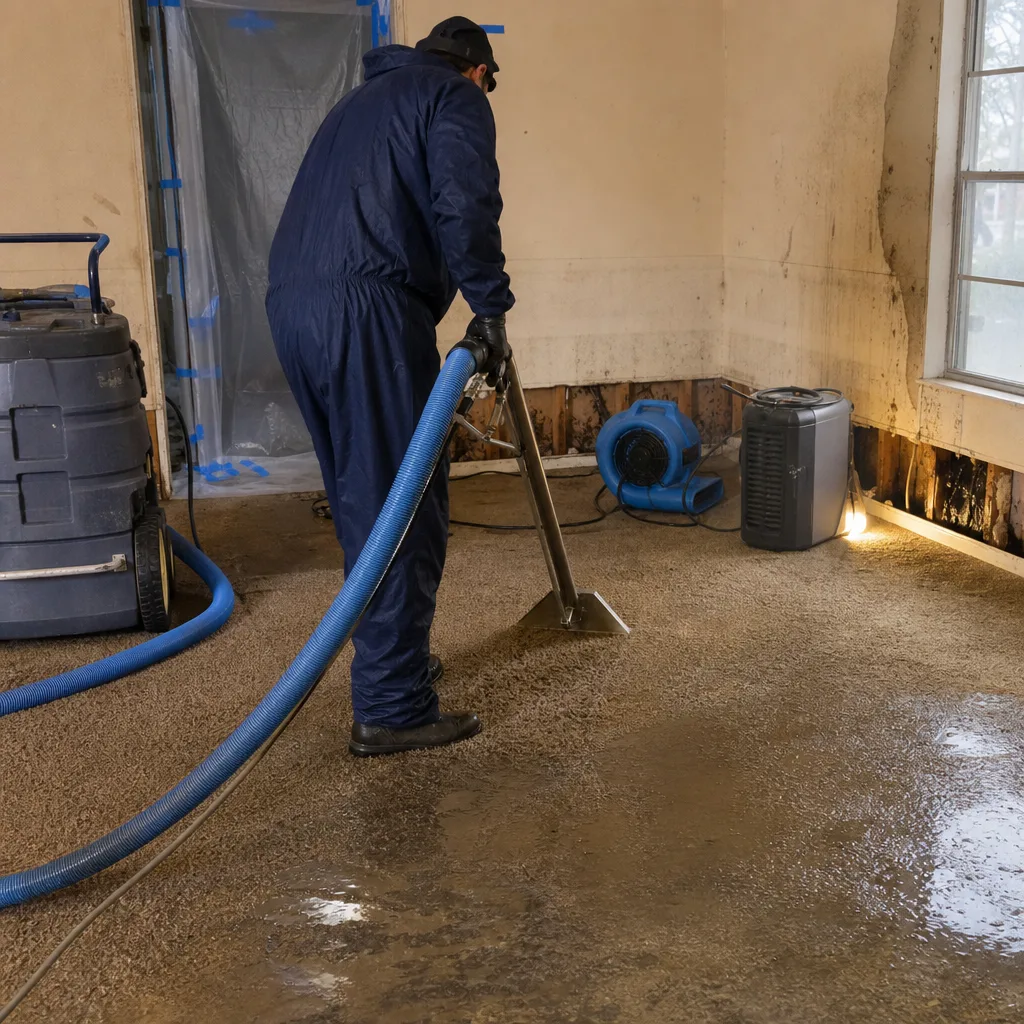
These five questions cut through sales language and reveal whether a contractor operates on documentation or improvisation. Ask them in this order, and don’t accept vague answers.
- What format are your drying logs in, and will I receive a copy? Acceptable answer: daily logs in a standardized format, either digital with export capability or physical copies, delivered to you at job completion or in real time. Unacceptable: “We’ll have them for the insurance company” or “The technician keeps those.” You are the property owner. The documentation belongs to you.
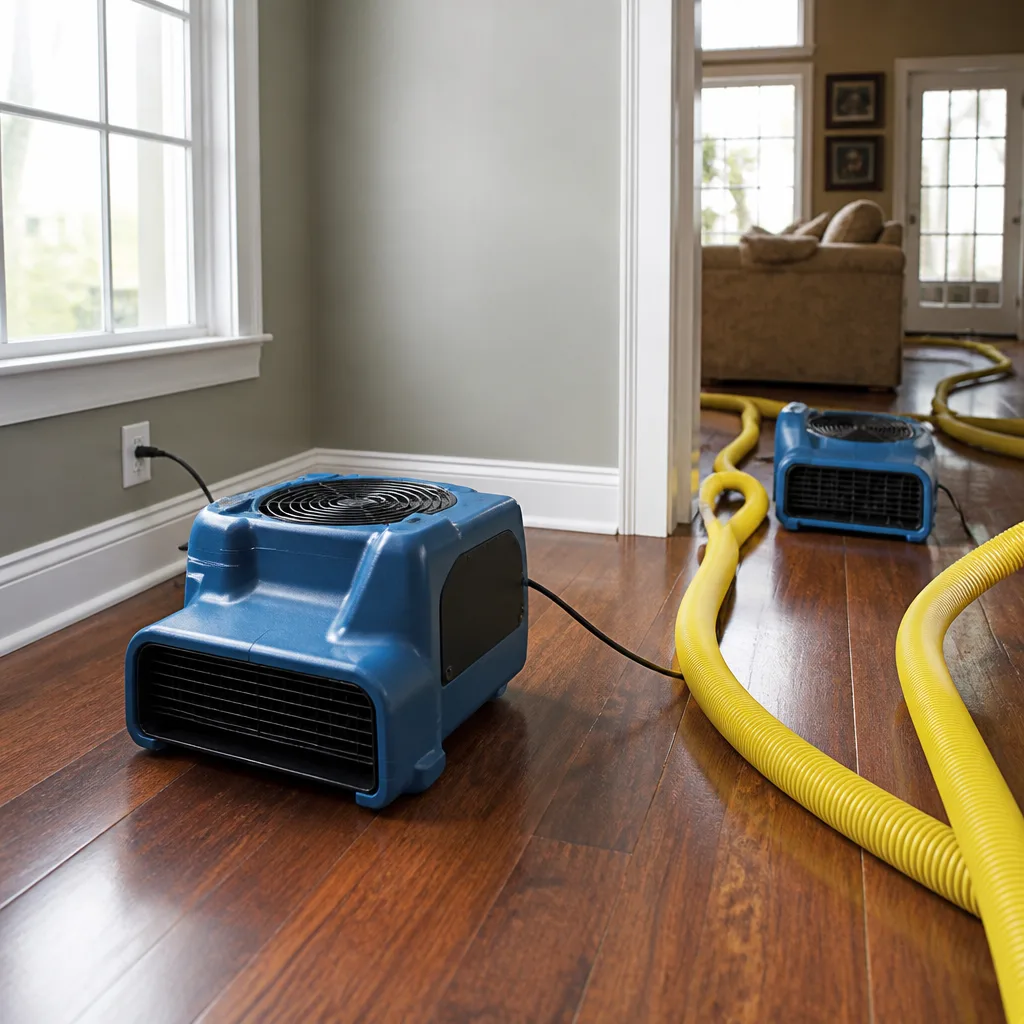
- What equipment will you deploy, and what are the model numbers? Acceptable answer: specific manufacturer and model, such as Dri-Eaz Revolution LGR dehumidifiers, Phoenix 200 MAX air movers, or Injectidry HP60 wall-cavity drying systems. Unacceptable: “professional-grade equipment” with no specifics. Model numbers let you verify capacity ratings and confirm the equipment matches the loss size. A contractor running consumer-grade box fans on a Category 2 water loss in a Long Beach slab home doesn’t understand vapor pressure differential or doesn’t care.
- Who will be on site, and are they your employees or subcontractors? Acceptable answer: named, background-checked, uniformed employees with license numbers you can verify. Unacceptable: “We use crews” with no names, no verification, and no accountability chain. In California, anyone performing restoration work on a job over $500 must be covered by the contractor’s license or hold their own.
- What is your projected drying timeline with milestones? Acceptable answer: a day-by-day projection with target moisture content readings for each affected material class - Class 1 (minimal absorption) through Class 4 (deeply saturated, like hardwood or plaster). Unacceptable: “two to three days” with no material-specific targets. In Long Beach’s humid coastal environment, Class 3 and 4 losses routinely require five to seven days with proper LGR dehumidification and supplemental heat.
- What happens if moisture readings don’t hit target? Acceptable answer: extended drying at no additional equipment charge, with documented escalation to tertiary drying methods (injection drying, desiccant dehumidification, or controlled demolition if required). Unacceptable: “We’ll see how it goes” or additional charges for extended drying. The contractor sized the job. If they underestimated, that’s their operational risk, not yours.
At DryMark Restoration Long Beach, these questions map directly to The Haven Standard. Clause 1 requires a written price before work begins. Clause 2 requires documented methodology with equipment specifications. Clause 3 requires daily moisture logs and photo records as standard deliverables. When a contractor can’t answer these questions precisely, they’re not following a standard. They’re following habit, and habit is what produces the documentation gaps that cost homeowners their claims.
How to Verify a California Contractor’s License for Restoration Work
California requires any construction work over $500 to be performed by a contractor licensed by the Contractors State License Board (CSLB). Verification is free and takes under two minutes at cslb.ca.gov. Enter the business name or license number, and confirm three things: the license status is “Active,” the classification matches the work being performed, and the workers’ compensation coverage is current if the contractor has employees.
License classifications matter for restoration work more than most homeowners realize. A General Building Contractor (B license) can perform broad construction work, but mold remediation specifically may require additional certification or a specialty classification depending on scope and local health department requirements. For Mold Remediation in Long Beach, verify whether your contractor holds IICRC Applied Microbial Remediation Technician (AMRT) certification or equivalent, and whether their license classification permits the containment and air-scrubbing work the job requires. A B license alone does not demonstrate microbial remediation competency.
Water damage restoration and fire damage restoration typically fall under the B license or a specialty classification like C-36 (Plumbing) for water source repair, but the drying and structural work itself is governed by IICRC S500 and S700 standards, not by state license classification alone. Ask your contractor which IICRC, RIA, or IFA standards they document to, and request a copy of their standard operating procedures. A contractor who can’t produce this documentation on request is operating without a documented methodology, which means your insurer can’t verify their work and you can’t hold them accountable.
In Long Beach specifically, contractors working in the coastal zone or on pre-1978 structures may face additional requirements. The Long Beach Development Services department enforces California Building Standards Code with local amendments, including specific requirements for flood damage repair in designated flood hazard areas. A contractor who doesn’t know whether your property falls within the Alamitos Bay or Colorado Lagoon flood zones, or who hasn’t verified required permits for structural repair, hasn’t done the preliminary work that protects you from code violations and permit delays.
What a Written Scope of Work Must Contain
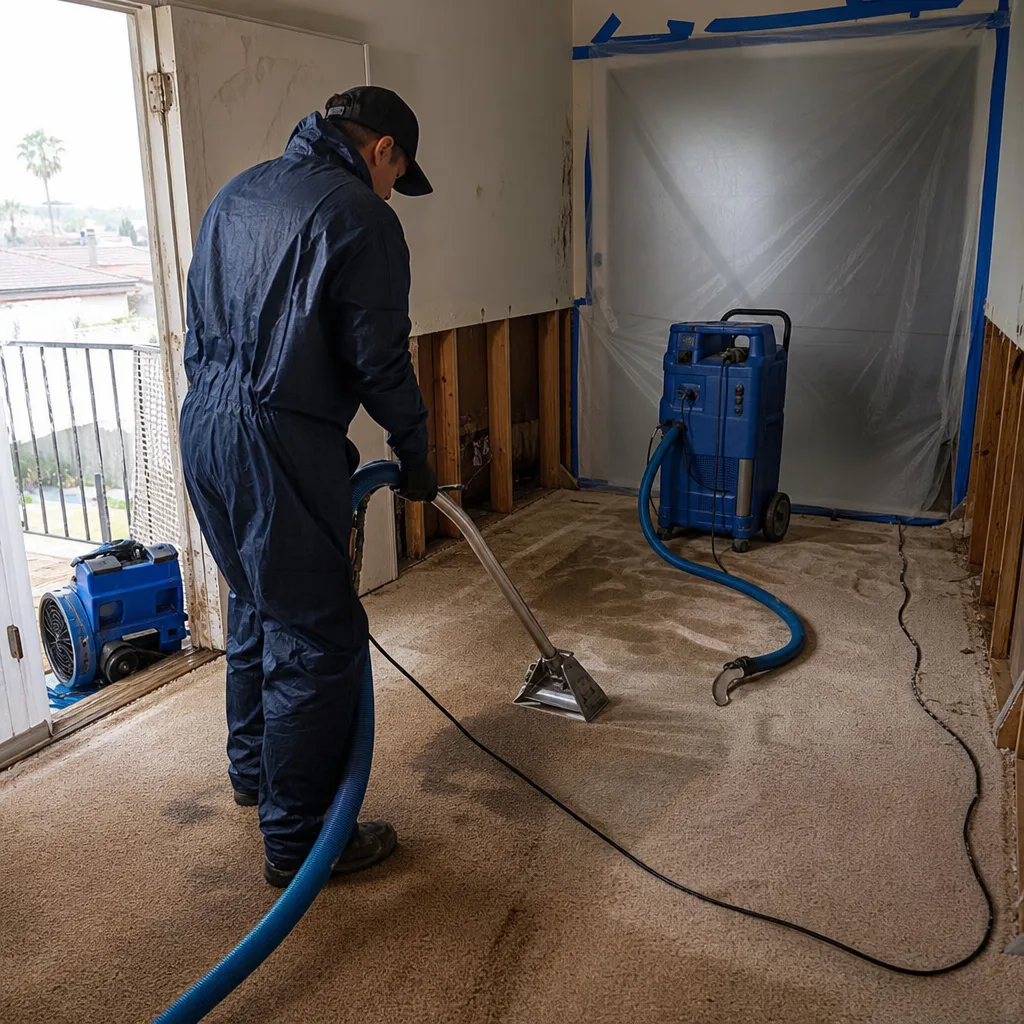
Haven Standard, Clause 1: written price before work begins. This isn’t a marketing position. It’s a structural protection against the scope-creep that turns manageable losses into disputed claims. A proper written scope for restoration work contains seven elements, and you should not authorize demolition or equipment placement until you have all seven in hand.
- Line-item pricing with quantities and unit costs. “Dry living room: $3,200” is not a line item. “Deploy 2x Dri-Eaz Revolution LGR dehumidifiers at $185/day each, 4x Phoenix Axial Air Movers at $45/day each, for projected 5-day drying cycle: $2,650” is. Unit costs let you verify reasonableness and compare across bids.
- Equipment list with manufacturer and model numbers. As noted above, this confirms capacity matches loss size. A Phoenix 200 MAX moves 2,700 CFM; a box fan from a hardware store moves 250. The model number proves which one you’re paying for.
- Projected drying timeline with daily milestones. Day 1: equipment placement, baseline moisture readings. Day 2-4: daily psychrometric data and moisture content progression. Day 5: dry standard verification or escalation decision. Without daily milestones, you have no mechanism to hold the contractor accountable for timeline slippage.
- Material classification by affected area. Class 1 (minimal, fast evaporation), Class 2 (significant, fast evaporation), Class 3 (greatest, slow evaporation), or Class 4 (specialty, very low evaporation). This classification determines equipment count, drying duration, and whether specialty methods like Injectidry cavity drying are required.
- Demolition scope, if any, with specific locations and square footage. “Remove wet drywall as needed” is an invitation to open every wall. “Remove 12 linear feet of 1/2″ drywall at baseboard height in northeast bedroom, per moisture meter readings exceeding 17% wood moisture equivalent” is a controlled scope with a documented trigger.
- Containment and protection measures for unaffected areas. Polyethylene barriers, negative air pressure, HEPA filtration - specify what protects the rest of your home from dust, microbial spores, or combustion byproducts.
- Total price with explicit statement that no additional work will be performed without written change order. This is your protection against the “we found more damage” conversation that happens after demolition begins. If the contractor won’t commit to this in writing, they intend to expand the scope at your expense.
For Water Damage Restoration in Long Beach, we deliver this scope as a signed document before any equipment enters your home. The price on that document is the price you pay, with one exception: if we discover concealed damage that couldn’t be detected by non-destructive investigation, we document it with photos, explain the finding, and provide a written change order with the same level of detail before proceeding. No surprises. No verbal authorizations. No scope creep.
Red Flags in Contractor Authorization Language
The authorization form is where most homeowners lose control of their claim. These documents are drafted by contractors’ attorneys, not yours, and they frequently contain provisions that transfer your insurance rights, eliminate price protections, or create open-ended payment obligations. Read every word before signing, and reject any form containing these three provisions.
Broad assignment-of-benefits clauses. Some authorization forms include language that assigns your insurance claim rights to the contractor, allowing them to negotiate directly with your insurer and even sue your insurance company in your name. In California, assignment of benefits for residential property insurance claims is restricted but not universally prohibited. A form that states “I assign all insurance proceeds to [contractor]” or “I authorize [contractor] to negotiate my claim” is transferring your financial control. You want the contractor to document their work and bill your insurer, not to become your insurer’s counterparty with no obligation to keep you informed.
Undefined “additional work” provisions. Language like “contractor may perform additional work as necessary to complete restoration” with no price cap, no scope definition, and no requirement for written approval before proceeding, gives the contractor unlimited authority to expand the job. The correct provision: “no additional work will be performed without a written change order signed by both parties, with line-item pricing and explicit scope.”
Missing price caps or open-ended time-and-materials terms. A form that authorizes “time and materials at prevailing rates” with no maximum is a blank check. Even with a written estimate, the authorization should state “total not to exceed [amount] without signed change order.” This protects you from equipment left running for weeks because the contractor failed to monitor progress, or from labor charges that accumulate while you wait for a supervisor who never arrives.
In Long Beach’s competitive restoration market, we’ve reviewed competitor authorizations that contained all three red flags on a single page. The homeowner signed at 11 PM, exhausted and anxious, and discovered weeks later that they’d authorized $40,000 in open-ended work with no written scope. Our authorization form, by contrast, references the written scope by date and amount, includes no assignment language, and requires written change orders for any deviation. It’s designed to be read in five minutes, even at 11 PM.
How to Structure a Three-Bid Comparison
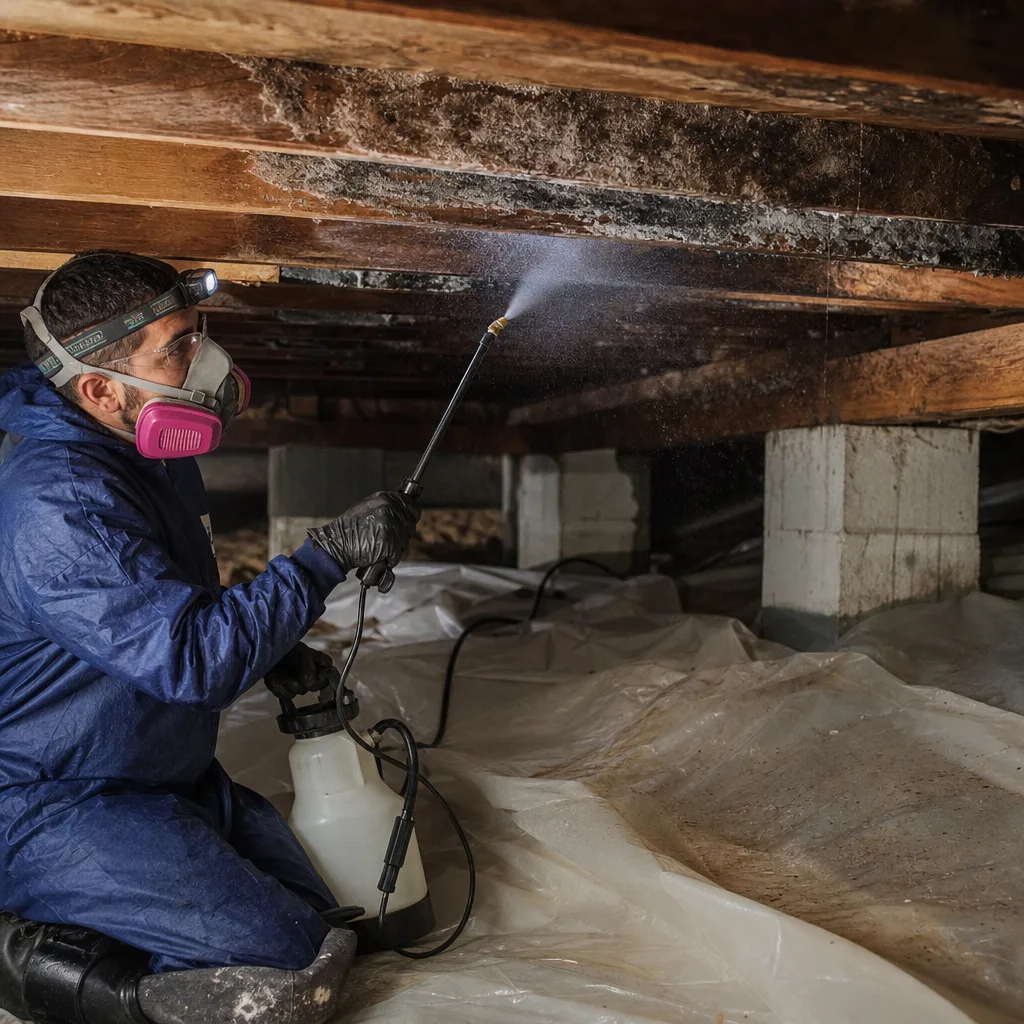
The standard advice to “get three bids” is useless if you’re comparing three bottom-line numbers that conceal radically different methodologies. A $3,800 bid with two dehumidifiers and no drying log is not comparable to a $4,200 bid with four dehumidifiers, daily psychrometric data, and a photo record. Here’s how to structure a comparison that reveals what you’re actually buying.
- Normalize the scope. Before requesting bids, document the loss yourself: photos of all affected areas, approximate square footage, material types (carpet, hardwood, tile, plaster, drywall), and the apparent water source if known. Provide this identical scope to each bidder. If one bidder identifies additional concerns during inspection, add those to the scope and have all bidders revise.
- Request identical deliverables. Ask each bidder to provide: equipment list with model numbers, projected timeline with daily milestones, drying log format and delivery method, photo record scope, and total price with change-order protections. A bidder who won’t provide these isn’t comparable. They’re selling a different product entirely.
- Calculate equipment capacity per square foot. Divide the total CFM (cubic feet per minute) of air movement by the affected square footage. IICRC S500 recommends 1 air mover per 50-70 square feet for Class 2-3 losses, adjusted for ceiling height and compartmentalization. A bidder deploying half the recommended capacity is planning to dry slowly or incompletely, or they’re planning to extend the rental period at your expense.
- Verify drying log detail. Ask for a sample daily log from a completed job. It should show: date and time, equipment on site with serial numbers, temperature and relative humidity in each affected room, moisture content readings for each affected material, and vapor pressure differential between affected and unaffected areas. A log with only “equipment running, drying progressing” is not a drying log. It’s a diary.
- Compare warranty and follow-up provisions. What happens if mold appears after the contractor declares the job complete? What if moisture readings rise after equipment removal? The Haven Standard’s 365-Day Done Right Promise requires us to return and correct any deficiency in our work at no charge. Most competitors offer 30-90 days, or none at all. The warranty duration reveals the contractor’s confidence in their documentation and their drying methodology.
For Fire & Smoke Damage Restoration in Long Beach, this comparison framework is even more critical because fire restoration involves multiple trades - structural cleaning, contents restoration, odor control, and rebuild - with overlapping documentation requirements. A bid that consolidates these into a single line item conceals subcontractor markups and eliminates your ability to verify that each trade was performed to standard.
Long Beach-Specific Risks: Climate, Codes, and Common Failures
Long Beach’s geography creates restoration challenges that inland contractors often underestimate. The marine layer, seasonal Santa Ana winds, and aging housing stock in specific neighborhoods produce predictable failure patterns that a local contractor should recognize and document for.
Coastal humidity and extended drying timelines. From May through July, ambient relative humidity in Long Beach frequently exceeds 75% in early morning hours. LGR dehumidifiers - the standard for water damage restoration - become less efficient as ambient humidity rises, because they rely on cooling air below its dew point to extract moisture. For a full equipment and maintenance overview, see our Water Damage Restoration Maintenance Checklist for Long Beach Homeowners. In these conditions, contractors must either deploy more equipment, use desiccant dehumidifiers that don’t rely on condensation, or extend timelines with documented justification. A contractor who promises three-day drying in July without acknowledging humidity conditions hasn’t sized the job correctly.
Slab foundation moisture in Belmont Heights and Belmont Shore. Many homes in these neighborhoods sit on concrete slabs with original copper plumbing that has reached end of service life. Pinhole leaks in slab lines create chronic moisture conditions that manifest as efflorescence on slab surfaces, musty odors, or unexplained humidity in interior rooms. Standard drying addresses surface water; slab moisture requires specialized detection (infrared thermography, calcium chloride testing) and may require injection drying or controlled demolition with vapor barrier installation. A contractor who doesn’t test slab moisture content with a calibrated probe is missing the primary moisture source.
Wind-driven rain and stucco failure. The Santa Ana winds that peak in October through January drive rain into building envelopes through stucco cracks, failed window flashings, and roof-to-wall intersections. In the Bluff Park and Bluff Heights areas, we’ve documented repeated losses where the visible damage was interior drywall staining, but the actual failure was reverse-lapped building paper behind stucco that had cracked from thermal cycling. Surface drying without envelope repair produces recurrent losses that insurers may eventually classify as maintenance issues and deny.
Long Beach Building and Safety requirements. The City of Long Beach requires permits for structural repair, electrical work, and plumbing replacement in most restoration scenarios. A contractor who proposes to “handle everything” without specifying permit acquisition and inspection scheduling is either operating without permits - which voids your insurance coverage and creates title issues on sale - or they’re planning to add permit costs as a change order after you’ve authorized the base scope. The written scope should specify: permit requirements, permit acquisition responsibility, and inspection scheduling with projected dates.
Common Mistakes to Avoid
- Signing an authorization before reading the entire document. In Long Beach’s 24-hour restoration market, contractors arrive with tablets and electronic signature requests that scroll past critical provisions. Take the document, read it seated, and question any clause you don’t understand. A legitimate contractor will explain; a predatory one will pressure.
- Accepting a verbal estimate “just to get started.” Haven Standard, Clause 1 exists because verbal estimates are unenforceable and almost always understate actual costs. The contractor who promises “we’ll figure out the price after we open it up” has no incentive to control scope.
- Comparing bids without verifying equipment capacity. Two dehumidifiers in a 1,200 square foot Class 3 loss is insufficient capacity; four is appropriate. The bid with two will be cheaper and slower, or cheaper and incomplete. Either way, you lose.
- Failing to request a sample drying log. A contractor who can’t produce a sample from a recent job has no documented standard. Their “experience” is not transferable to your insurance claim.
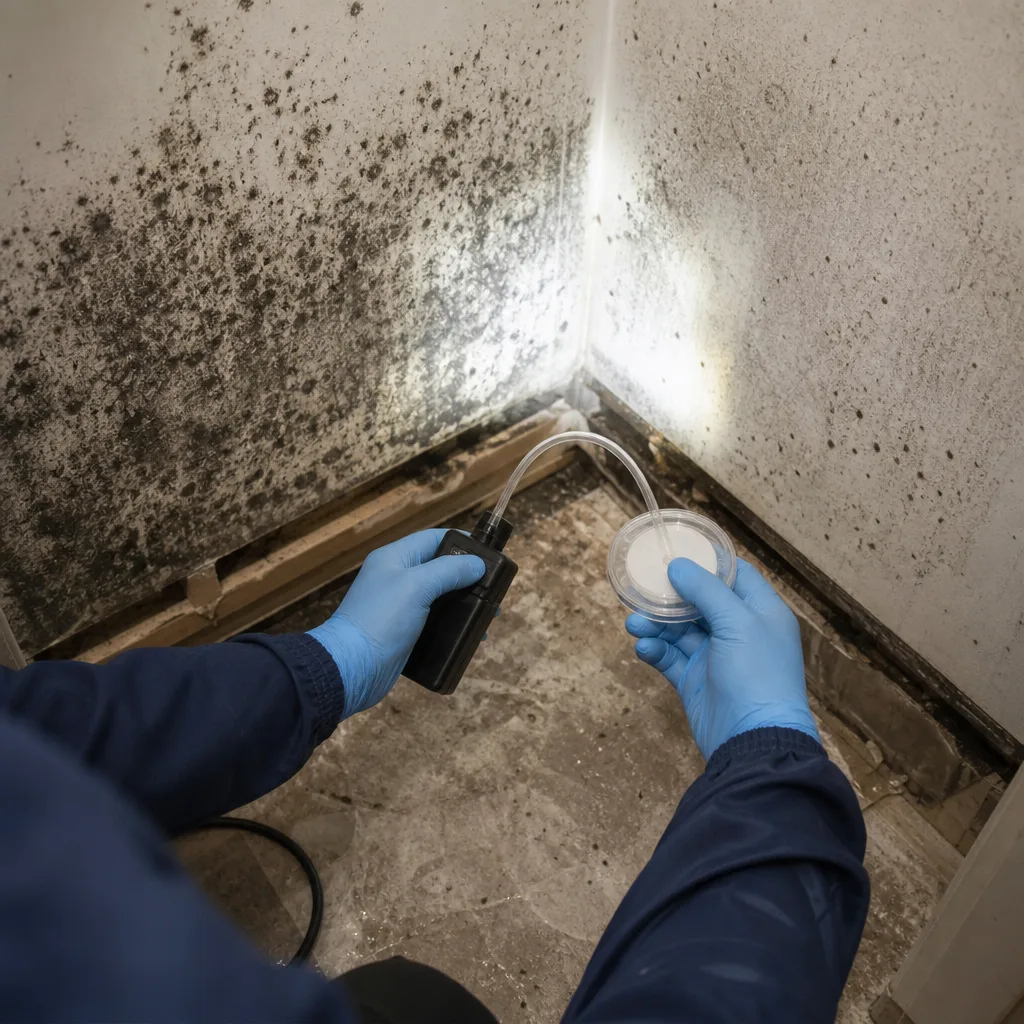
- Neglecting to verify license classification for mold work. In Long Beach, mold remediation in excess of 10 square feet may require notification to the Long Beach Health Department depending on location and building type. A contractor with only a B license and no microbial remediation certification may not be legally qualified for the scope they’re proposing.
- Authorizing demolition without photo documentation of pre-loss condition. Your insurance adjuster needs to distinguish pre-existing damage from loss-related damage. Without photos, you’re relying on the contractor’s description, which may not align with your interests if the insurer disputes scope.
- Assuming your insurance company has approved the contractor. Insurers don’t approve contractors; they approve scopes and documentation. A contractor who claims “we’re on your insurance company’s program” is referring to a vendor network relationship that may limit your choice and doesn’t guarantee quality. You have the right to choose any licensed contractor.
When to Call a Professional
Call a damage restoration contractor immediately when: water has saturated structural materials (drywall, insulation, subfloor) for more than 24 hours; you smell musty odors or see visible mold growth exceeding one square foot; fire or smoke damage has affected multiple rooms or HVAC systems; or sewage backup has occurred in any quantity. These scenarios exceed DIY capacity and carry health, structural, and insurance documentation risks that require professional equipment and documented methodology.
For water damage specifically, the 24-48 hour window is critical. After 48 hours of saturation, mold colonization becomes likely and material degradation accelerates. In Long Beach’s humid climate, that window compresses. A contractor who can document arrival time, baseline moisture readings, and equipment deployment within hours - not the next business day - preserves more of your structure and more of your claim.
DryMark Restoration Long Beach offers free estimates in Long Beach, with live phone coverage 24 hours a day, 7 days a week and no voicemail on emergency lines. Every estimate includes a written scope with line-item pricing before any work begins, documented to IICRC, RIA, and IFA standards. Call (424) 373-5092 for a free assessment, or bring a competitor’s written estimate for our Free Second Opinion review at no charge.
Frequently Asked Questions
Water damage restoration in Long Beach typically ranges from $2,800 for a contained Class 1 loss in a single room to $12,000+ for a Class 3 whole-house saturation with slab involvement, with most residential jobs falling between $4,200 and $7,500 depending on affected square footage, material classification, and equipment days required. These ranges reflect Long Beach’s coastal humidity, which extends drying timelines compared to inland markets. Call (424) 373-5092 for an exact quote - estimates are free, and Haven Standard, Clause 1 requires a written price before any work begins.
Insurance coverage depends on your policy language, the cause of loss, and the documentation your contractor produces. Sudden and accidental water damage from burst pipes is typically covered; gradual leaks and maintenance-related failures are not. The key variable is documentation: daily drying logs, photo records, and written scopes that prove the loss was sudden, the response was immediate, and the work was necessary and customary. A contractor who documents to IICRC, RIA, and IFA standards produces claims that adjusters pay with minimal dispute. We coordinate directly with adjusters and provide photo-documented assessments as standard.
For emergency water damage, mold containment, and sewage cleanup, DryMark Restoration Long Beach maintains live phone coverage and same-day dispatch within Long Beach city limits, including Belmont Shore, Naples, Bixby Knolls, and the Downtown/Waterfront area. Response time depends on current call volume and traffic conditions, but our 24-hour live dispatch eliminates the voicemail delays that cost critical hours. For reconstruction and non-emergency rebuild work, we schedule scoped appointments rather than emergency dispatch, because that work requires written pricing and material ordering like any remodel.
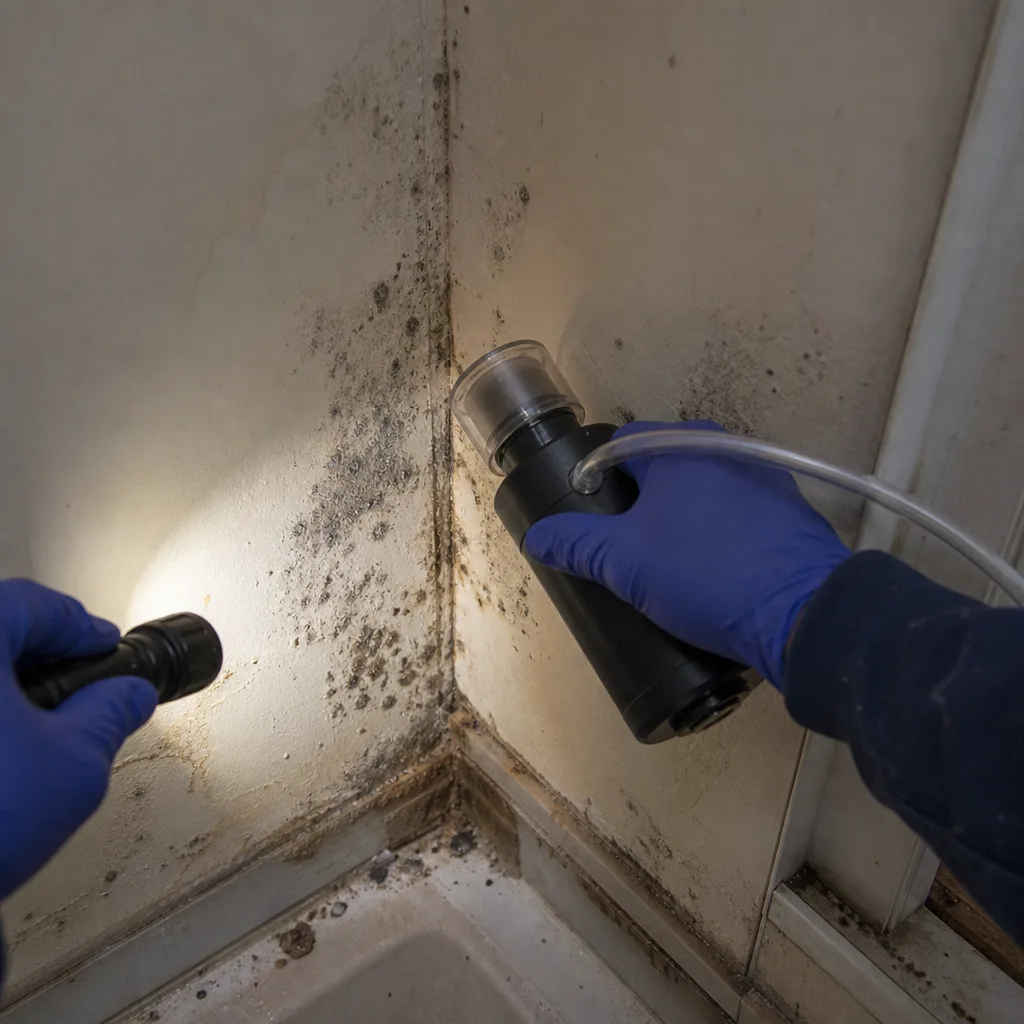
For mold growth exceeding 10 square feet, or any growth in HVAC systems, California recommends professional remediation because disturbance releases spores that colonize new areas. DIY cleaning with bleach kills surface growth but doesn’t address root systems in porous materials, and without moisture source elimination, regrowth is certain. Professional remediation includes containment with negative air pressure, HEPA filtration, source removal, and moisture control with documented dry standard achievement. We provide free second opinions on competitor remediation scopes if you’re unsure whether the proposed work matches the actual condition.
At minimum, a California General Building Contractor license (B) for structural work over $500. For mold remediation, verify IICRC AMRT or equivalent certification in addition to the B license, and confirm the contractor’s standard operating procedures reference IICRC S520 for mold remediation. For plumbing-related water damage, a C-36 Plumbing Contractor may be required for source repair. Verify all licenses at cslb.ca.gov, and request proof of current workers’ compensation coverage if the contractor employs technicians.
A moisture meter reading is a single point-in-time measurement of moisture content in one material, expressed as a percentage of wood moisture equivalent or relative scale for non-wood materials. A drying log is a chronological record of multiple readings across all affected materials, combined with psychrometric data (temperature, relative humidity, vapor pressure differential) that proves the drying environment is controlled and progressing toward target. The drying log is what your insurer reviews to confirm the job was performed correctly and completed; moisture meter readings alone are insufficient for claim documentation.
The Bottom Line
Hiring a damage restoration contractor in Long Beach is not about finding the fastest responder or the lowest bid. It’s about finding a contractor whose documentation practices will protect your property value, your insurance claim, and your legal recourse if something goes wrong. The five questions in this guide, the license verification steps, the written scope requirements, and the authorization red flags give you a concrete framework for that evaluation. Explore more guides & resources for additional homeowner protection strategies. Use it on us as well as our competitors. The contractor who welcomes detailed scrutiny is the one with nothing to hide.
At DryMark Restoration Long Beach, we’ve built our operation around the documentation gap that costs homeowners their claims. Every job since 2011 has started with a written price, proceeded with daily drying logs and photo records, and ended with a 365-Day Done Right Promise backed by The Haven Standard. If you’re evaluating contractors for current or future needs, call (424) 373-5092 for a free estimate, or bring any competitor’s written estimate for our Free Second Opinion review.
Written by Alicia Brennan, Owner at DryMark Restoration Long Beach, serving Long Beach since 2011.