
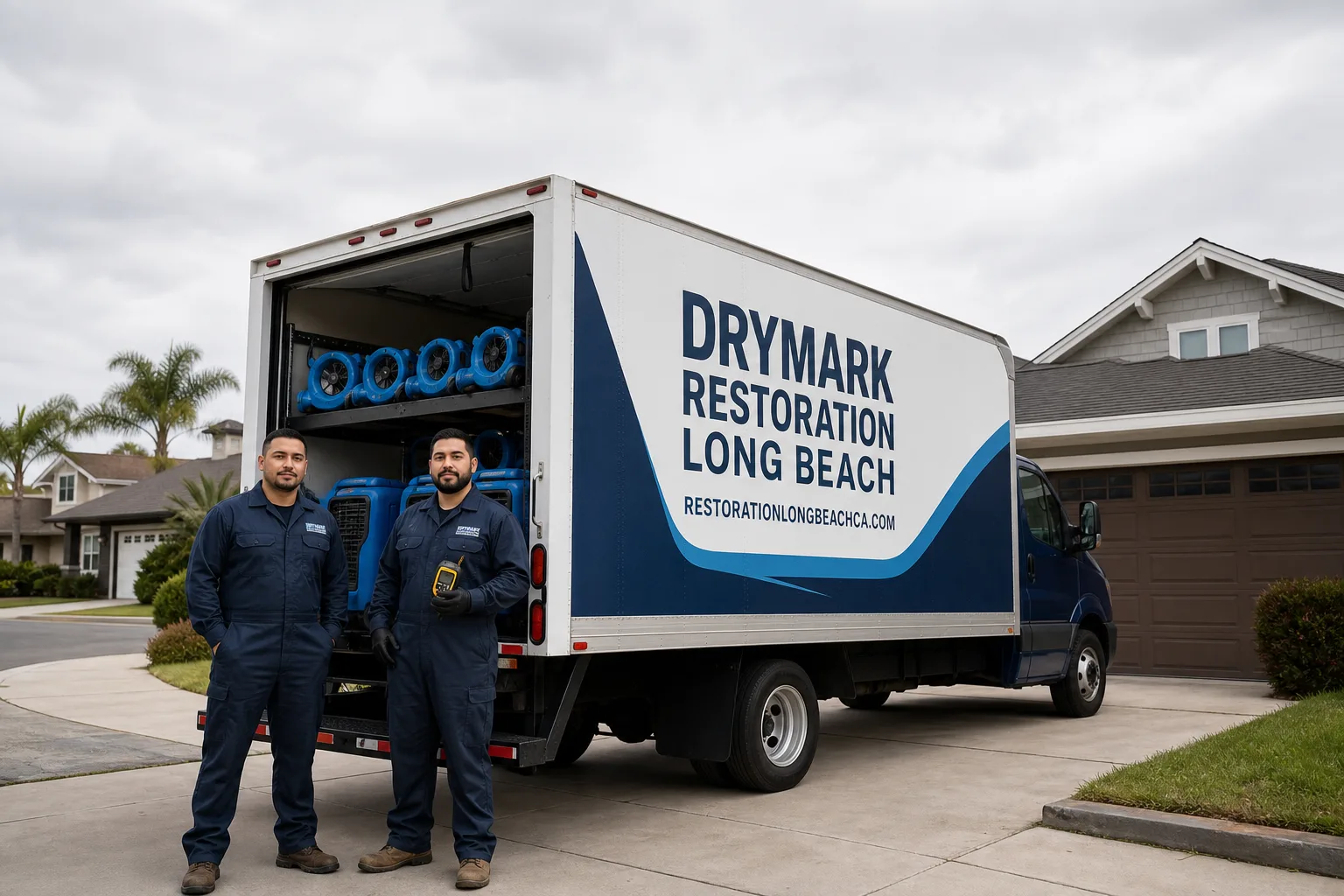
Free visual inspection and a written scope of work before any mitigation begins - photos, moisture readings, and drying logs go in your claim file
The scope we write is the scope we bill. Anything new gets shown to you, in writing, before we touch it.
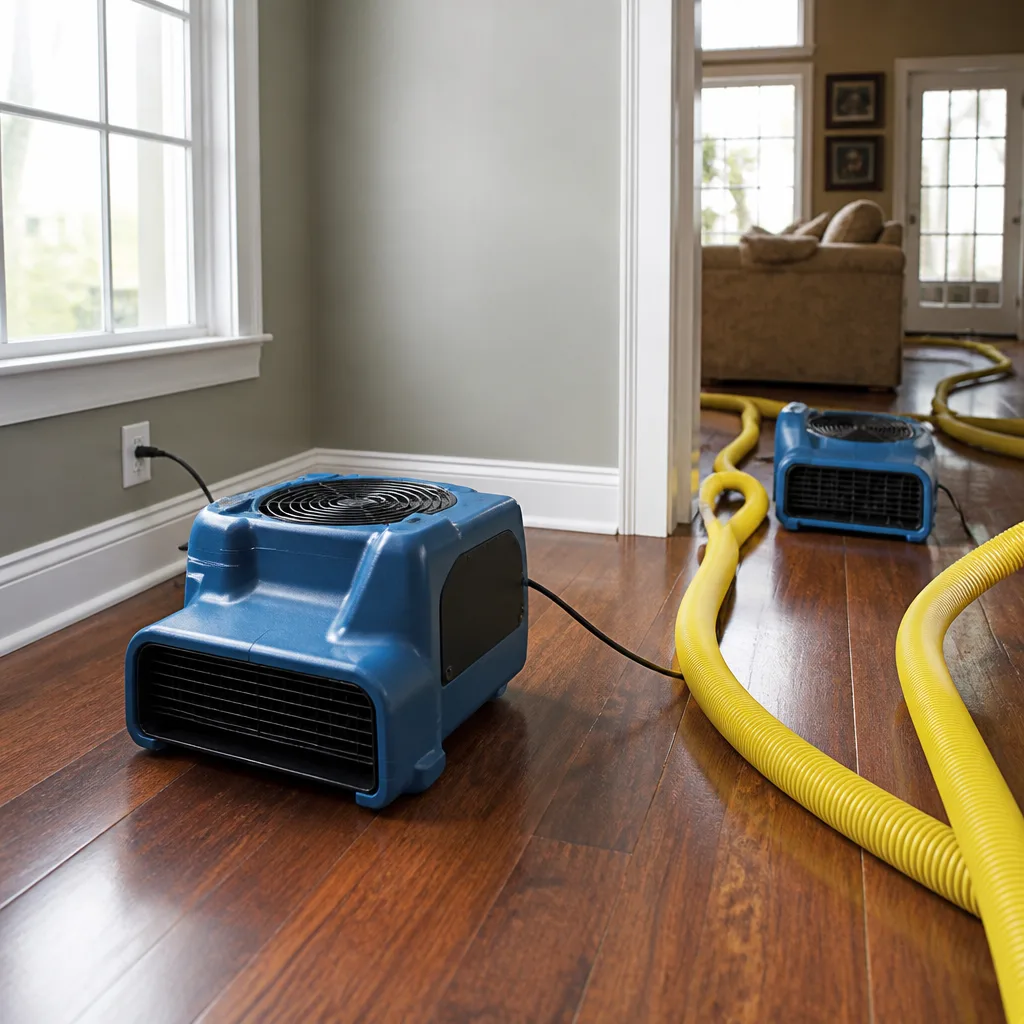
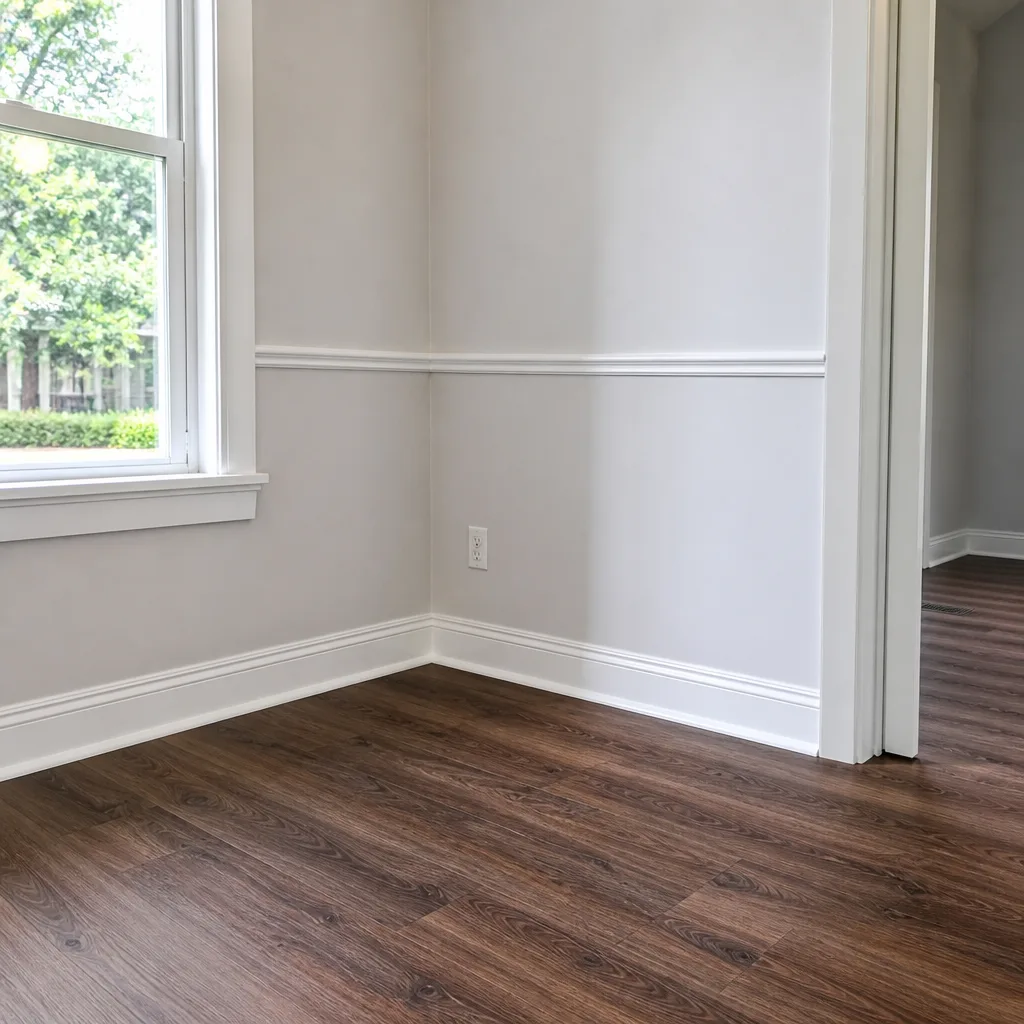
 Before
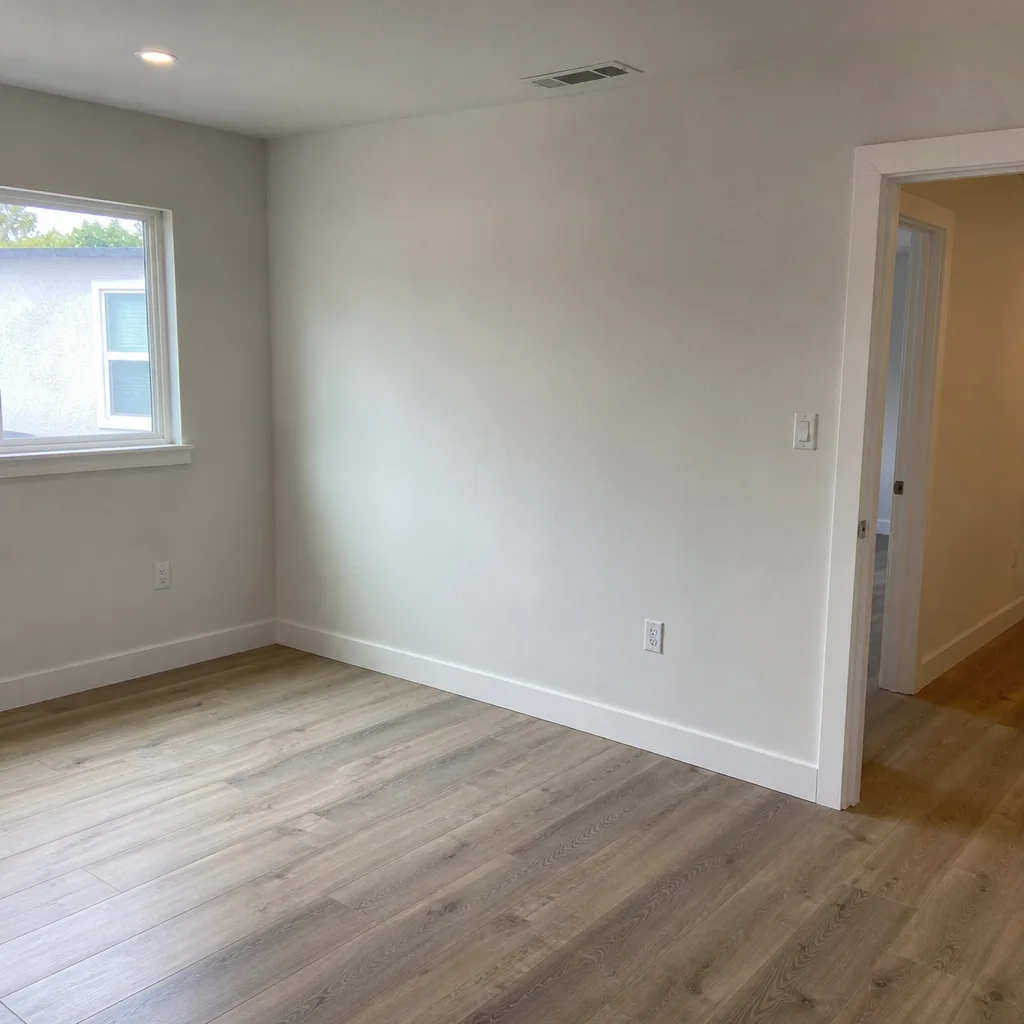 After
After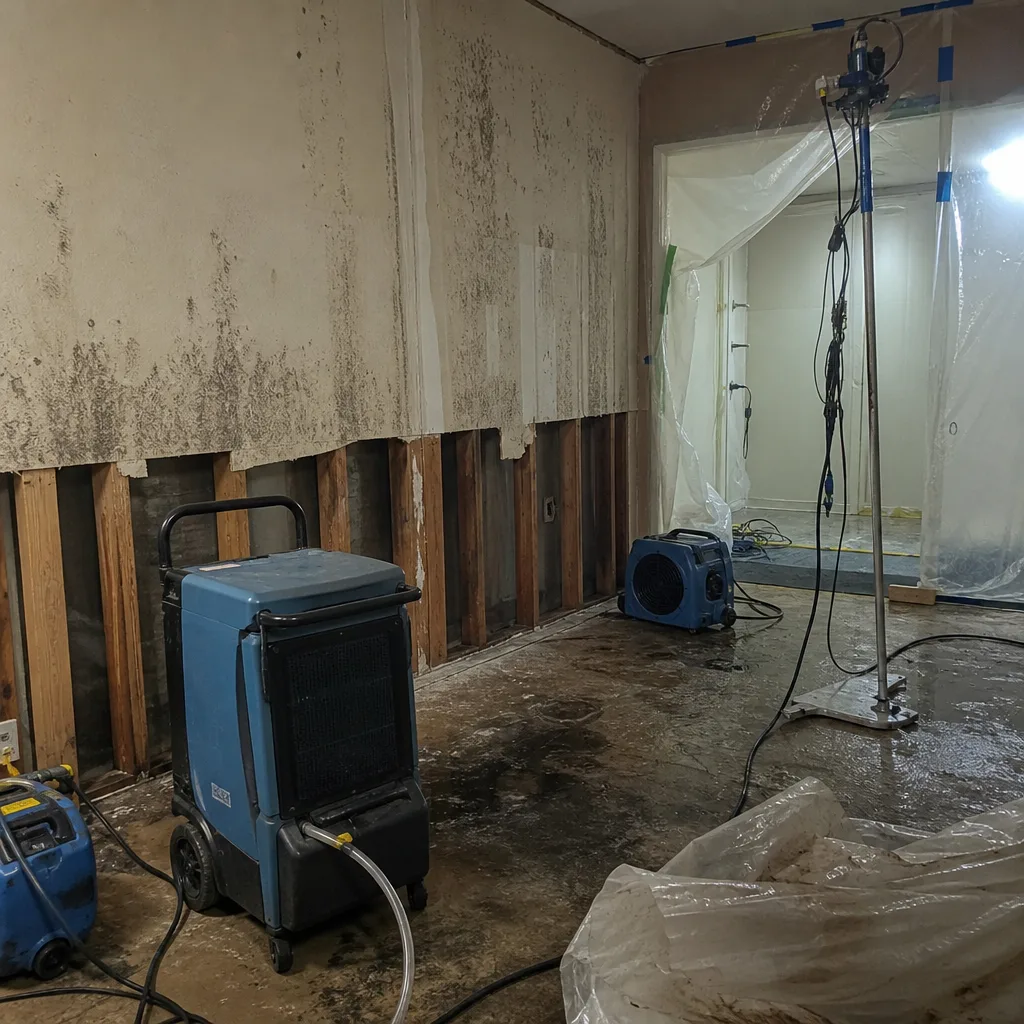 Before
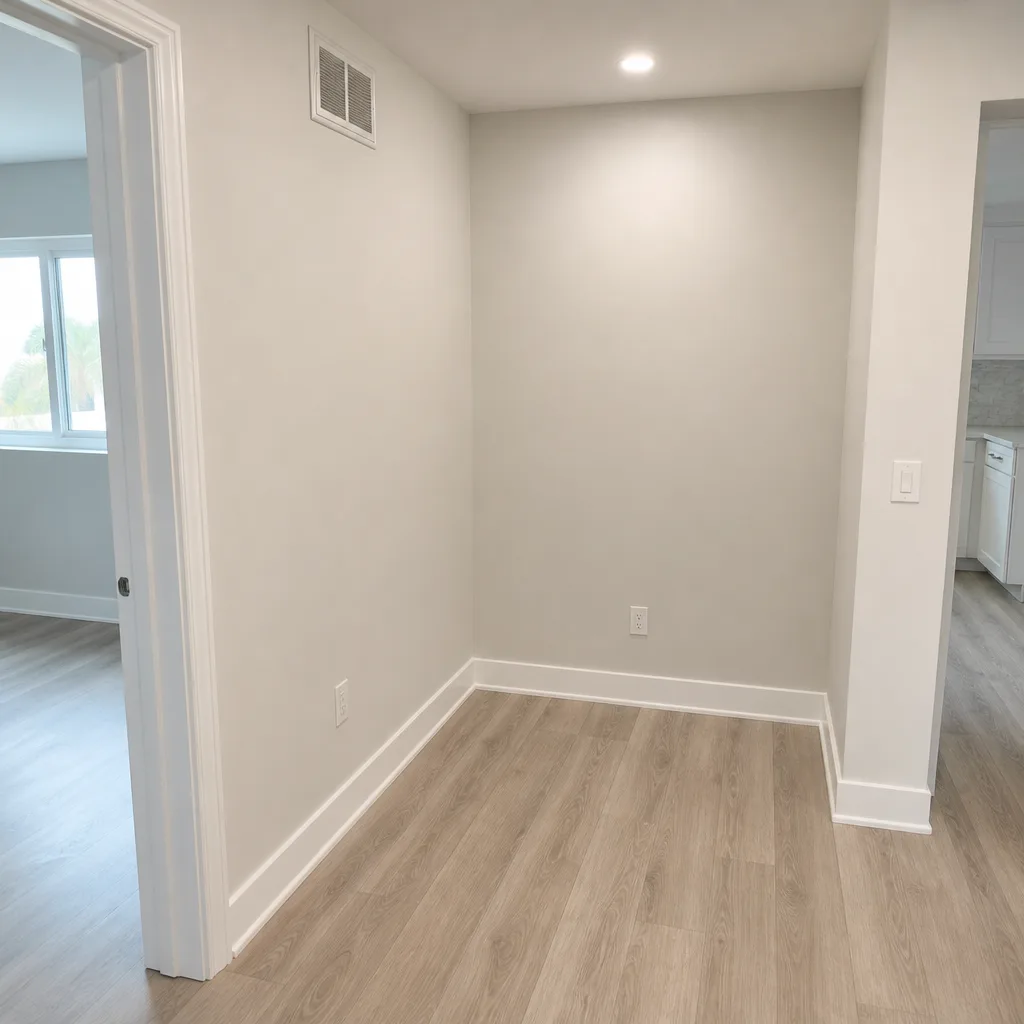 After
After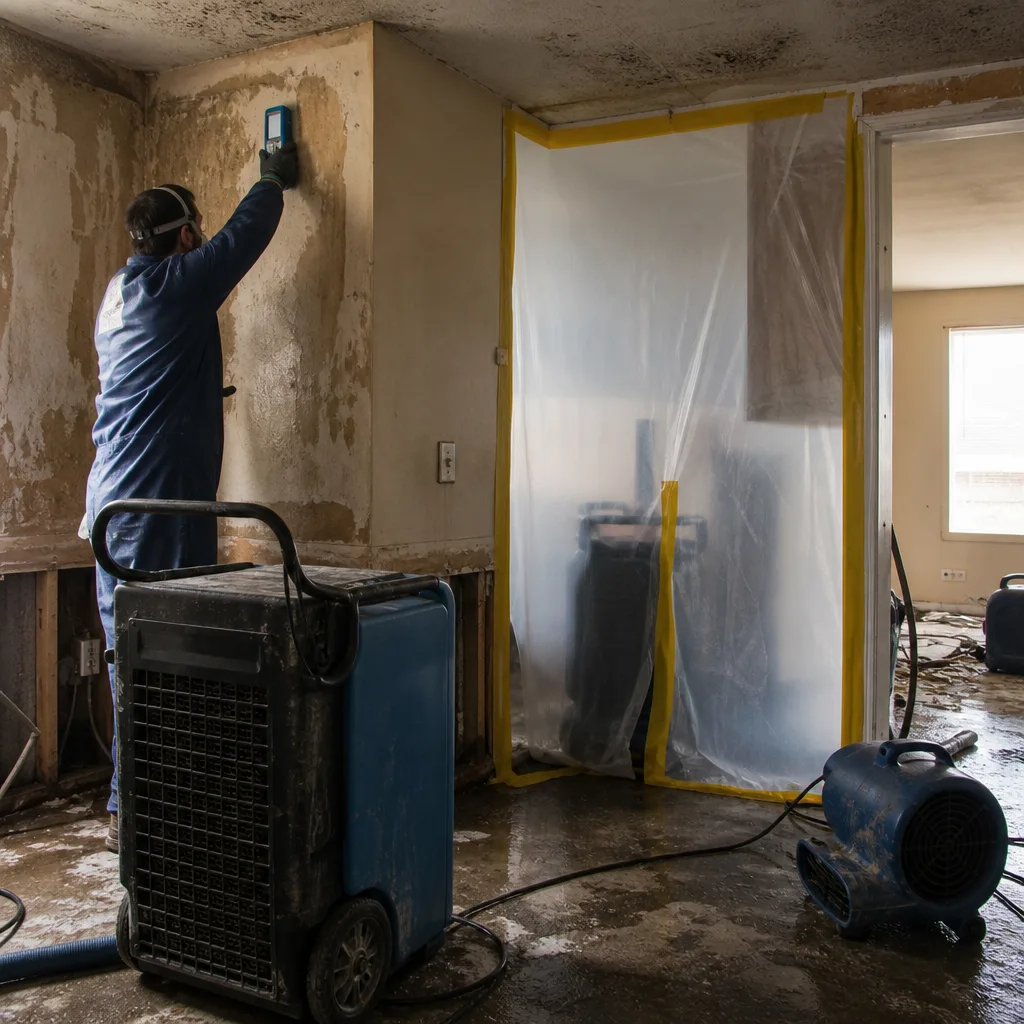 Before
 After
AfterTrusted Water Damage Restoration for Long Beach Homeowners
Water damage restoration in Long Beach typically costs $1,800-$6,500 depending on the affected square footage, material classification, and whether the water is clean, gray, or black category. Most emergency calls in Long Beach receive a crew on-site within 60-90 minutes, with emergency water extraction beginning immediately. DryMark Restoration Long Beach, led by Alicia Brennan and operating under The Haven Standard since 2011, has restored over 12,000 homes with a written price before any work starts and a documented photo record on every visit. Call (424) 373-5092 - a live person answers 24 hours a day, 7 days a week, no voicemail trees.
Long Beach presents specific water damage risks that inland markets don’t face. The city’s 1910-1940s bungalow stock in Belmont Heights and Bluff Park sits on aging galvanized supply lines. The Alamitos Bay and Naples canal zones deal with tidal surge and hydrostatic pressure through slab foundations. In the Wrigley area and near the Los Angeles River channel, post-2005 construction with polybutylene and early PEX fittings has its own failure patterns. We’ve documented each of these in our 14 years of home restoration work across the city. Our crews carry moisture meters, thermal imaging, and psychrometric calculators - tools that measure vapor pressure differential, or the force that actually drives evaporation, so we can prove drying progress to your adjuster with numbers, not narratives.
What Our Water Damage Restoration Service Includes
Emergency Water Extraction
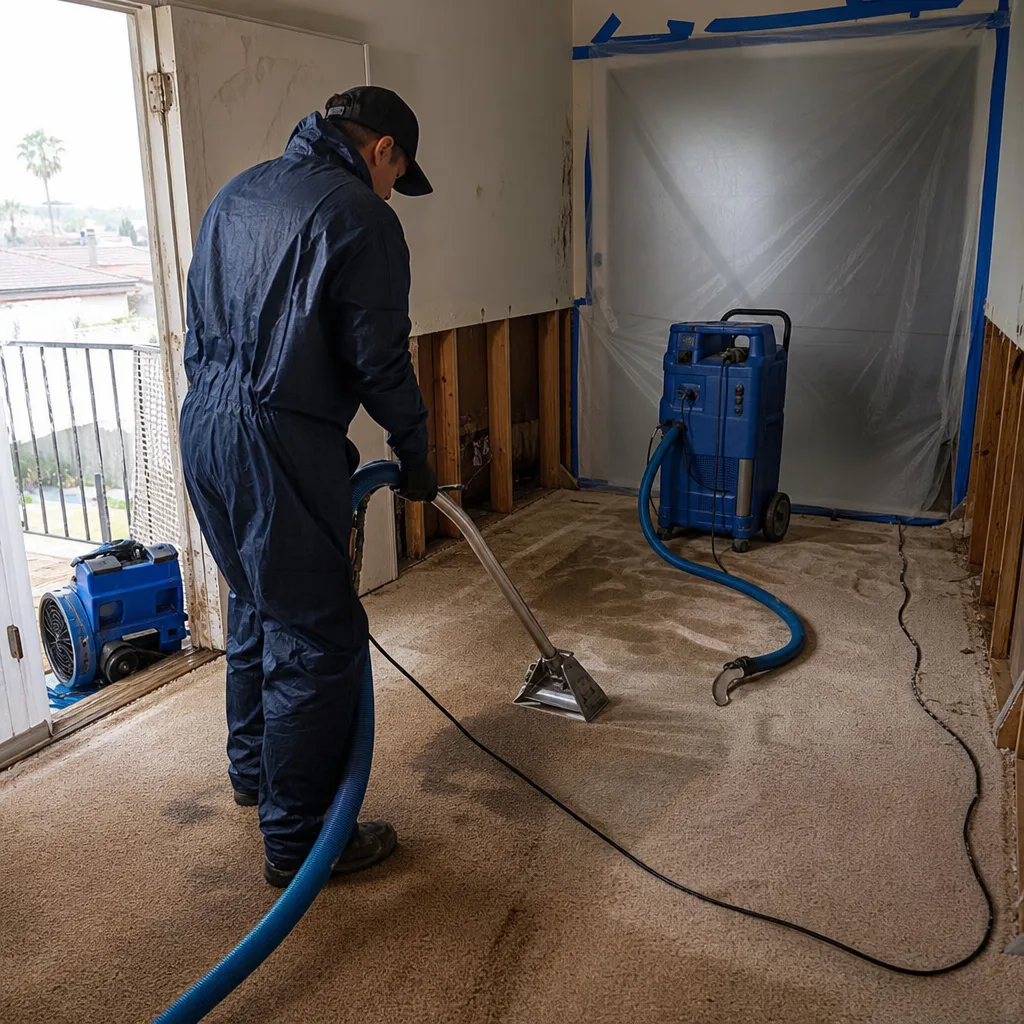
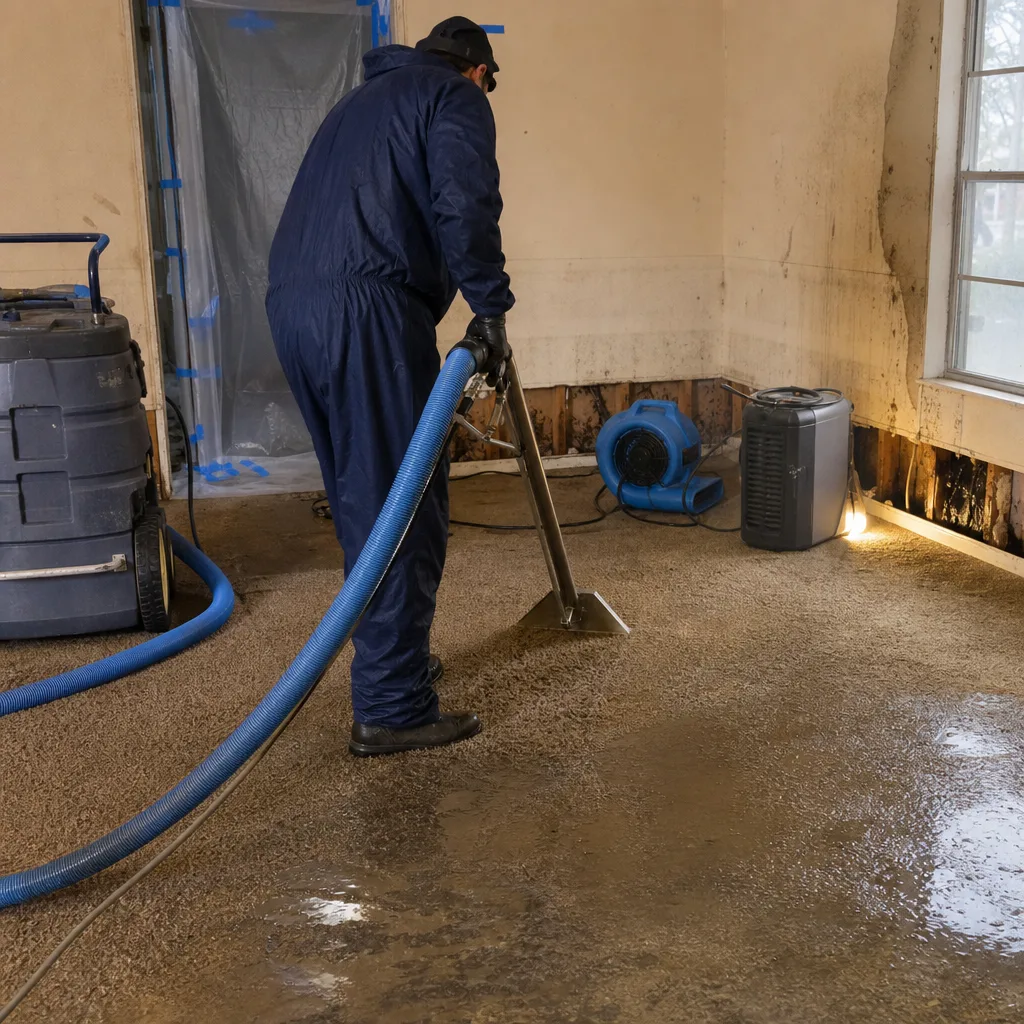
Emergency water extraction is the immediate removal of standing water from floors, carpets, and subfloors using truck-mounted or portable extraction systems. You need this within the first 1-4 hours after a supply line breaks, dishwasher overflows, or rain enters through a compromised roof - before water migrates into wall cavities and insulation. In Long Beach, we regularly see extraction calls from the Alamitos Heights area where slab-on-grade construction lets water travel laterally under vinyl and laminate flooring with almost no visible pooling. Our crews arrive with Dri-Eaz and Phoenix extraction units, document standing water depth and affected square footage with photos, and begin removal before we discuss scope or pricing - then deliver a written price before any restoration work begins, per Haven Standard, Clause 1.
Structural Drying & Dehumidification
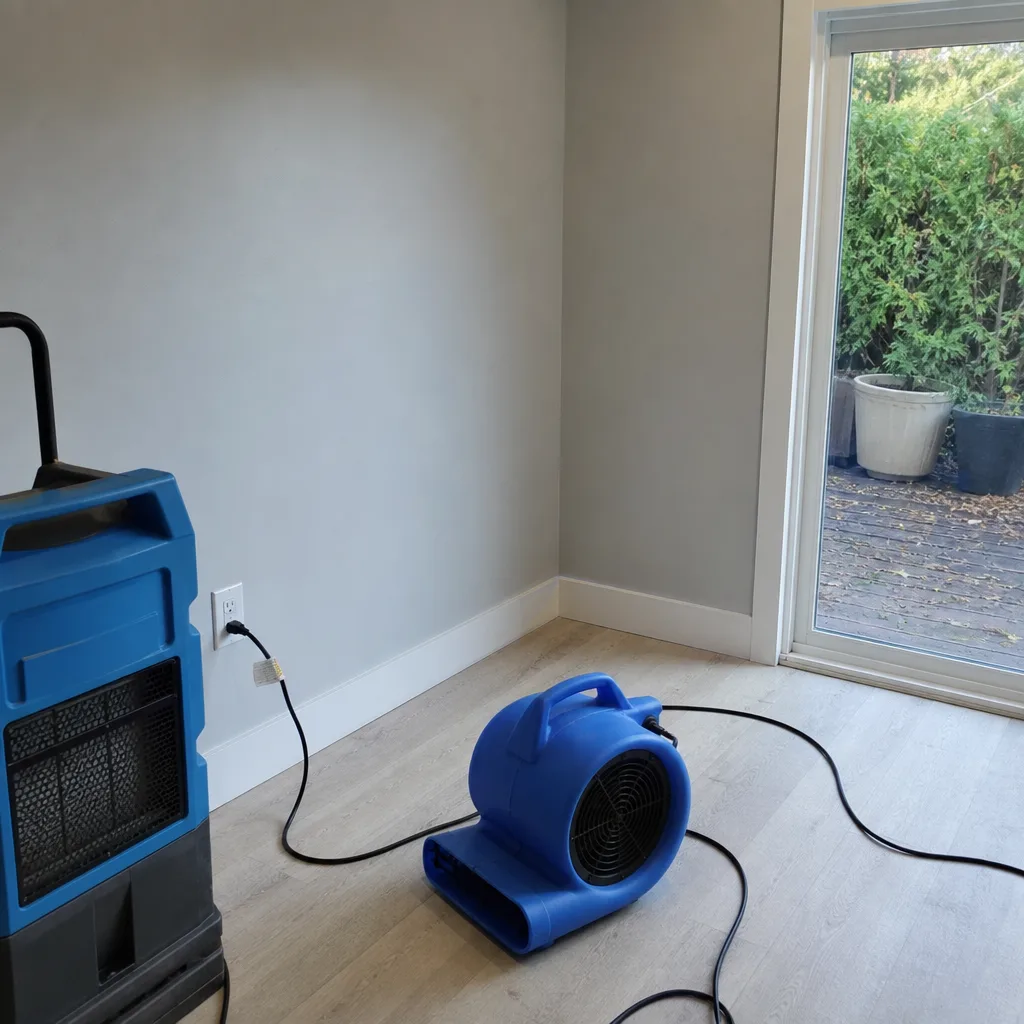
Structural drying and dehumidification is the controlled removal of moisture from framing, drywall, concrete, and other building materials after extraction is complete. You need this when moisture meter readings show elevated levels in studs or subfloors, typically above 16% moisture content for wood framing in Long Beach’s coastal climate. The marine layer here keeps ambient humidity elevated, especially in Bixby Knolls and the Virginia Country Club area, which extends drying timelines compared to inland markets. We deploy Injectidry wall-cavity drying systems, B-Air axial air movers, and Phoenix LGR dehumidifiers, logging specific moisture content readings and relative humidity levels daily. These drying logs become part of your documentation package, the same records that turn restoration invoices into payable insurance claims.
Flood Cleanup
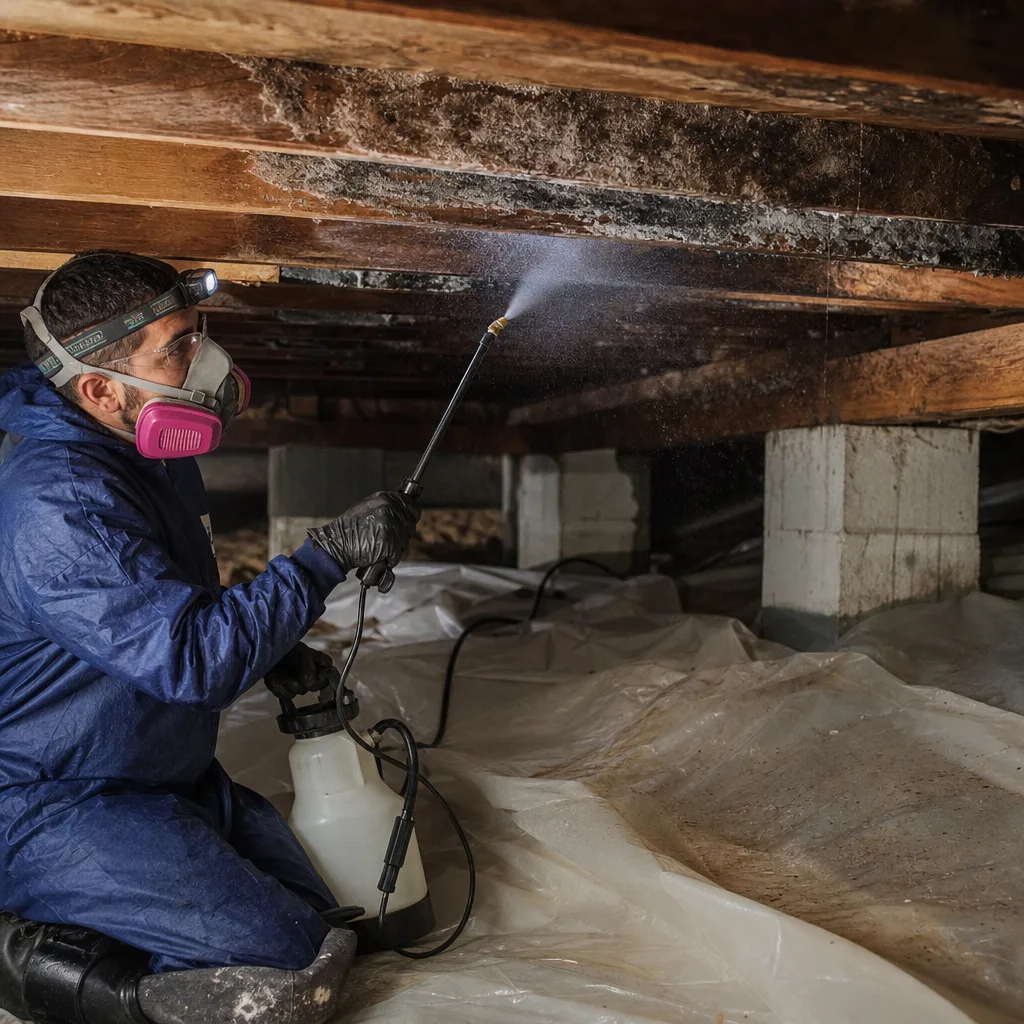
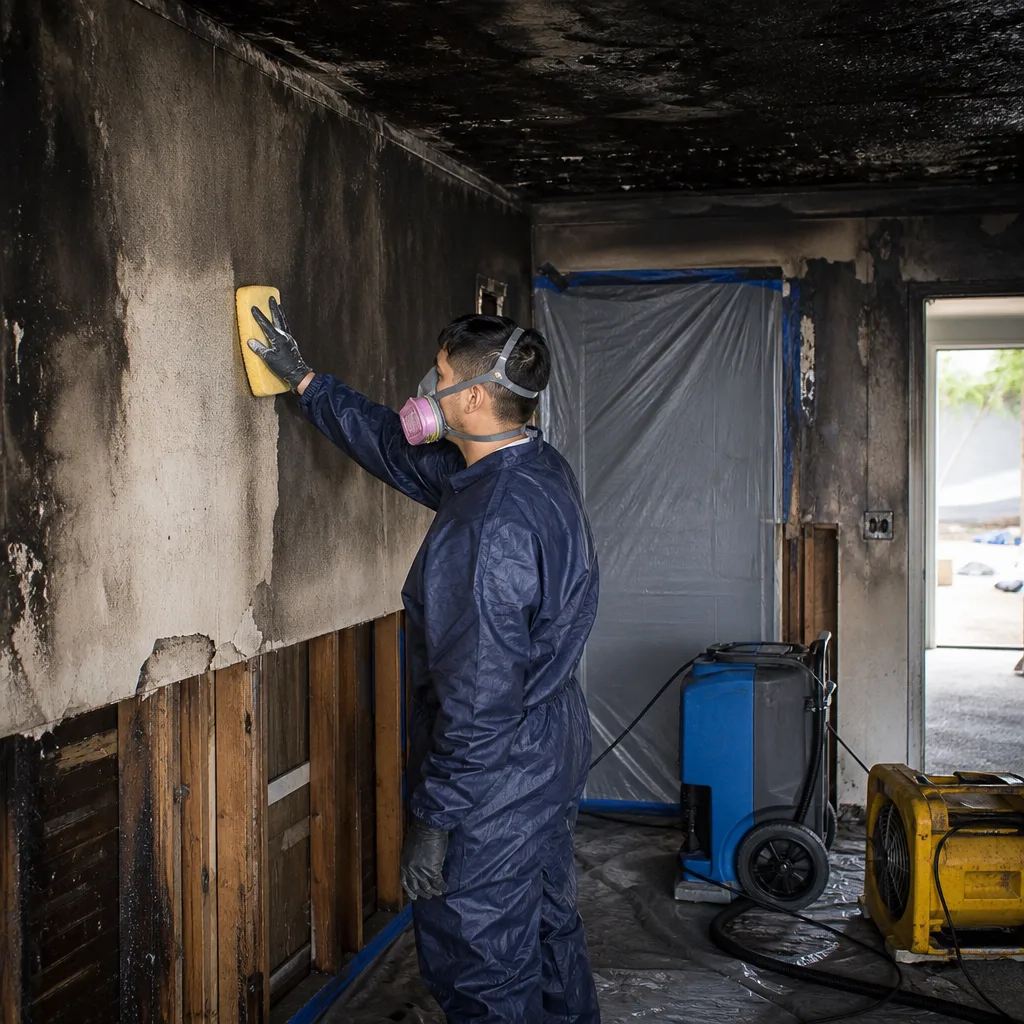
Flood cleanup addresses water intrusion from external sources - storm surge, overtopped drainage channels, or failed seawalls - that carries contaminants and requires Category 3 (black water) protocols. You need this after any water enters your home from outside the plumbing system, particularly in Long Beach’s low-lying zones like Belmont Shore, Naples, and the Peninsula where king tides and storm drain backflow are documented risks. Flood cleanup includes controlled demolition of saturated porous materials, antimicrobial application, and air scrubbing with HEPA filtration. We photograph every removal decision, label materials by classification, and provide a written scope before reconstruction begins. Our documentation includes chain-of-custody notes for contaminated debris, which adjusters require for proper claim coding.
Burst Pipe Restoration
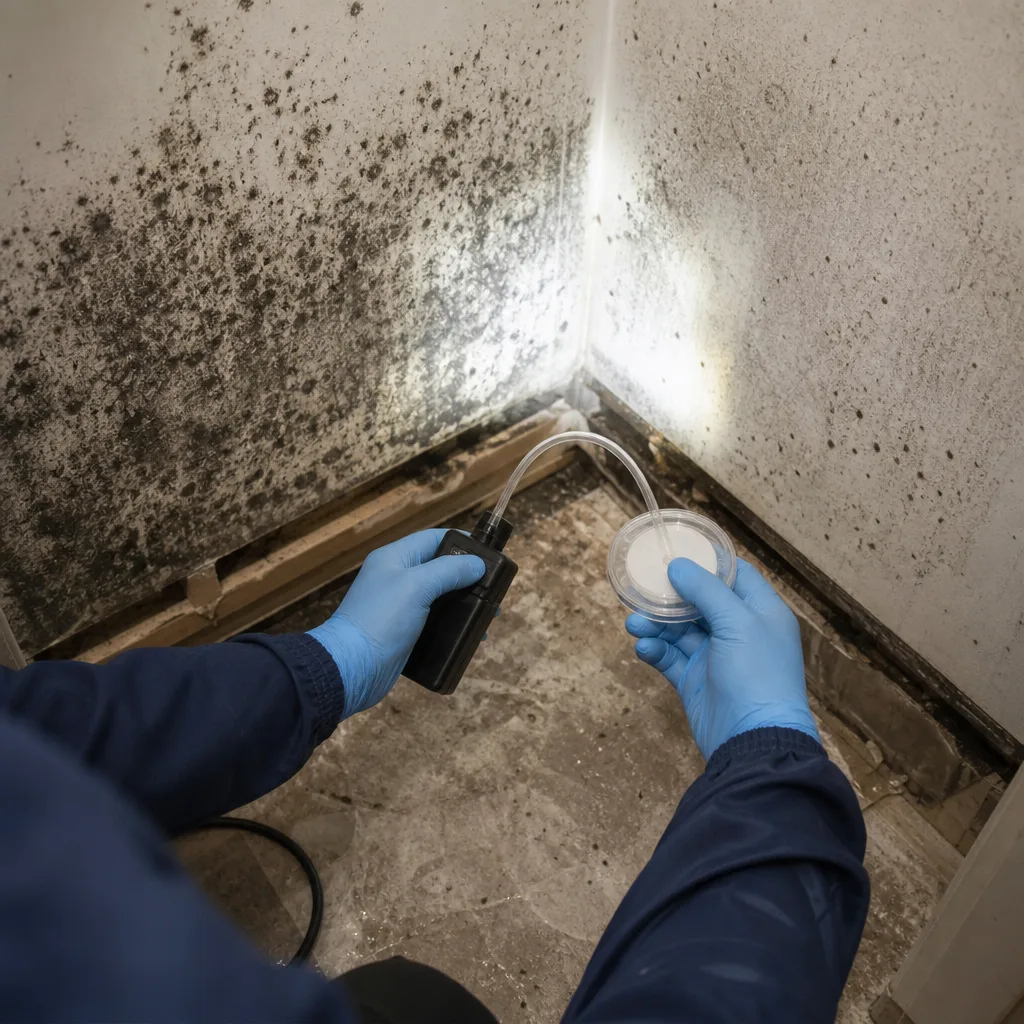
Burst pipe restoration covers the water damage resulting from frozen, corroded, or pressure-failed plumbing lines, including the extraction, drying, and repair of affected building materials. You need this when a supply line ruptures behind walls, under slabs, or in crawl spaces - common in Long Beach’s older Belmont Heights and Bluff Park homes with original galvanized or early copper systems. We’ve also handled dozens of cases in the Wrigley area where high water pressure from the Long Beach Water Department’s grid, combined with cheap angle-stop valves installed during 2005-2015 flips, caused catastrophic bathroom and kitchen failures. Our process includes locating the break with thermal imaging, documenting the water migration pattern, drying the assembly, and providing a written repair scope with material specifications before any reconstruction.
Basement Water Removal
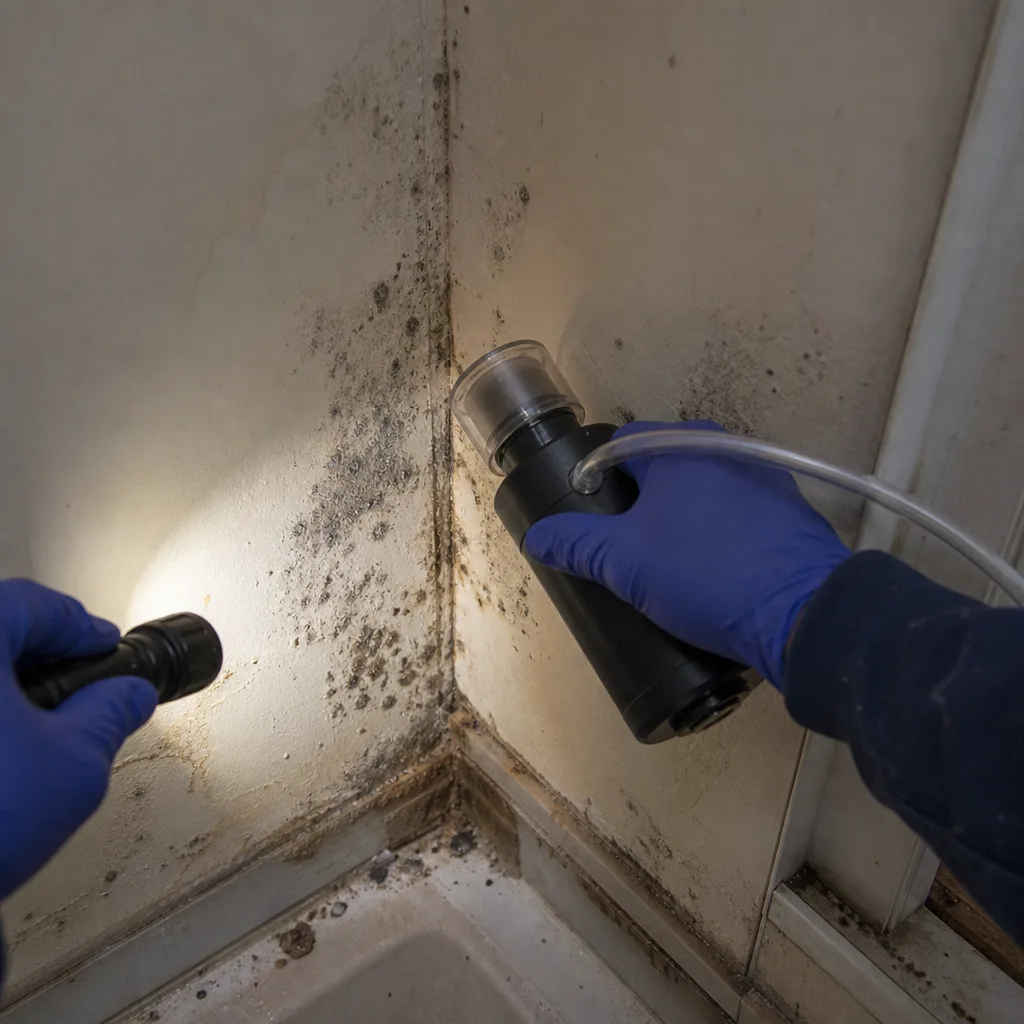
Basement water removal addresses water accumulation in below-grade spaces from foundation seepage, hydrostatic pressure, or failed sump systems. You need this when your basement or lower level shows standing water, damp walls, or efflorescence - the white mineral deposits that indicate chronic moisture migration through concrete. True basements are rare in Long Beach, but we regularly service sunken living rooms, converted garages, and the below-grade portions of hillside homes in Signal Hill-adjacent areas and the Virginia Country Club zone. Hydrostatic pressure is particularly aggressive where the water table sits high, pushing moisture through slab joints and cold joints in foundation walls. We install temporary submersible pumps, extract standing water, and design drying protocols that account for the reduced air circulation in these spaces.
Ceiling & Roof Leak Water Damage
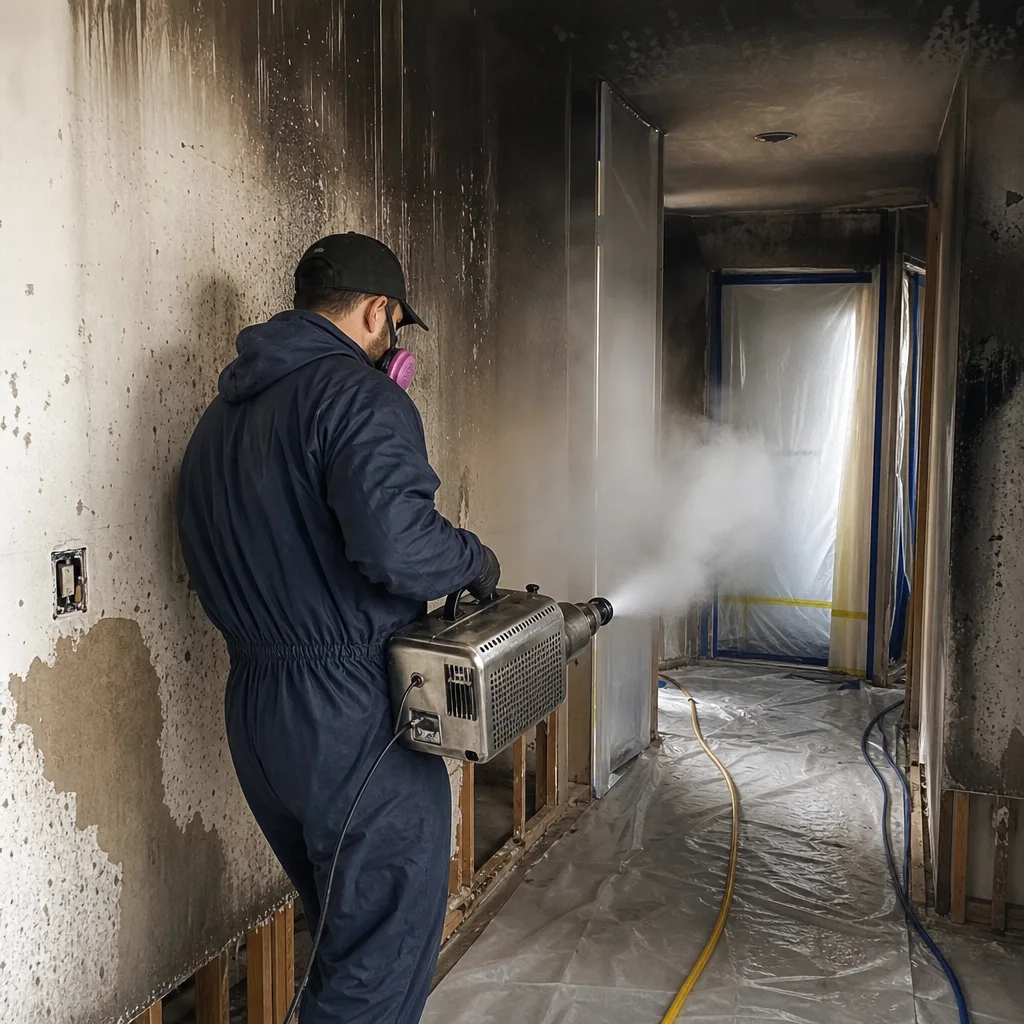
Ceiling and roof leak water damage restoration addresses the interior effects of compromised roofing, flashing, or HVAC condensate drainage that allows water into attic and ceiling assemblies. You need this when you observe staining, sagging drywall, or active dripping from ceiling planes - often the first visible sign of a problem that has been developing in the attic for days or weeks. In Long Beach, we see this frequently after Santa Ana wind events dislodge tile or composite roofing, and in the spring when thermal expansion opens flashing seams on older homes. Our inspection includes attic moisture mapping with borescopes, identification of the actual leak path (not just the visible stain), and drying of insulation and sheathing. We document the roof condition with photos for your adjuster and provide a written scope for both the water damage restoration and any necessary roofing repair coordination.
What happens when you call
- 1
A real person answersNo phone trees - you reach a local pro.
- 2
You get an upfront price rangeHonest numbers before anyone is dispatched.
- 3
A background-checked tech heads outLicensed & insured, dispatched right away.
- 4
You approve before work beginsNothing starts until you say go.
Signs You Need Water Damage Restoration Right Now
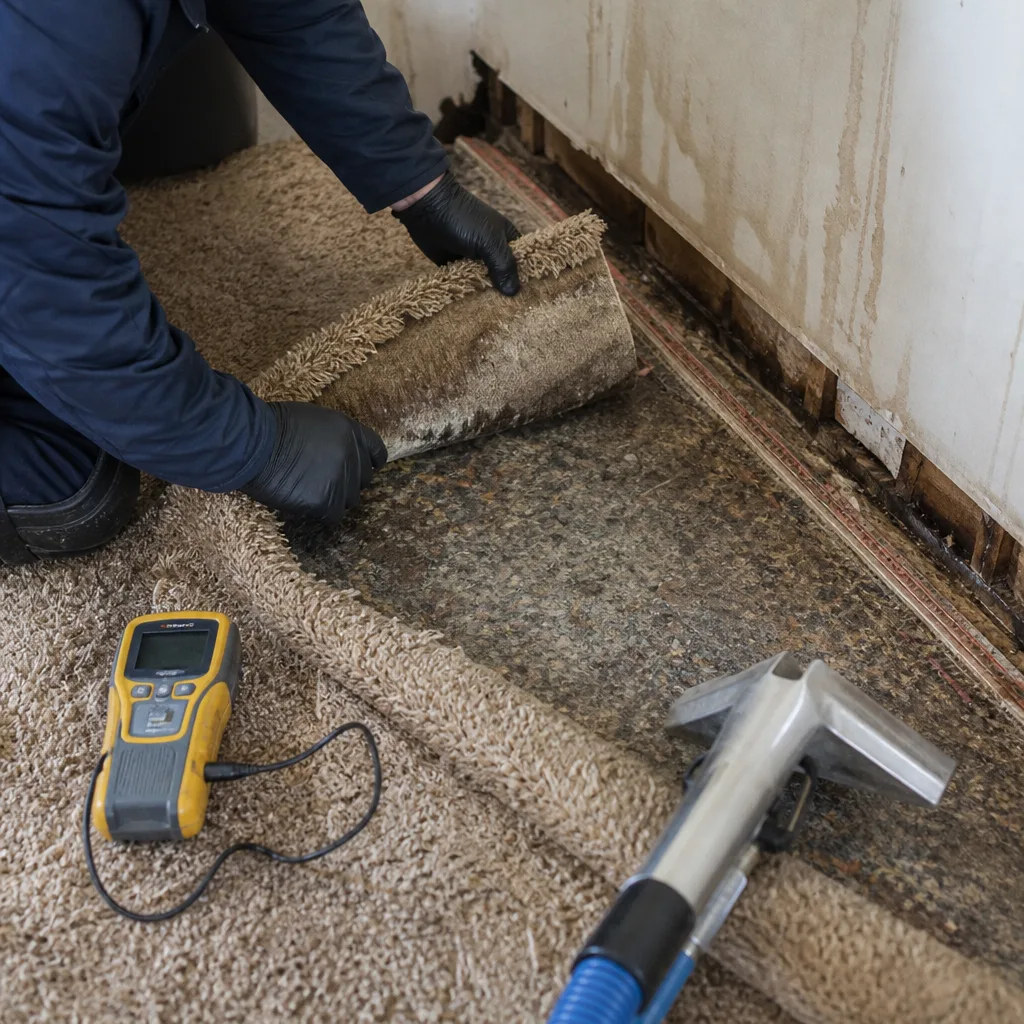
- Visible water pooling or active dripping - Standing water on floors, water dripping from ceiling fixtures, or bubbling paint indicates an active leak that is currently saturating materials. Every hour of delay increases the affected square footage and the likelihood of microbial growth, which begins in 24-48 hours under favorable conditions.
- Musty or earthy odors without an identifiable source - A persistent damp smell, especially in closets, under sinks, or near exterior walls, usually means hidden moisture in wall cavities or subfloors. In Long Beach’s coastal climate, where ambient humidity often exceeds 70%, these odors develop faster than in inland markets and signal conditions that support mold colonization.
- Discolored or warped flooring - Cupping in hardwood, lifting at laminate seams, or soft spots in vinyl indicate moisture migration from below or alongside the flooring assembly. We’ve documented cases in the Naples canal zone where slab moisture traveled 20+ feet laterally before any visible floor distortion appeared.
- Sudden increase in water bill without usage change - A hidden supply line leak, often under slabs or in walls, can release hundreds of gallons daily. Long Beach Water Department bills that spike without explanation warrant immediate leak detection and, if water has escaped the plumbing system, professional moisture assessment.
- Visible mold growth or persistent condensation on windows and pipes - Surface mold indicates moisture conditions that have persisted long enough for colonization. Condensation on interior window surfaces or cold water pipes, especially in Long Beach’s spring and fall when temperature differentials peak, signals humidity levels that will sustain ongoing damage without intervention.
 Before
 After
AfterOur Water Damage Restoration Process - Step by Step
- 1
Emergency response and controlled site entry. We arrive, stop the water source if accessible, and assess safety - electrical hazards, compromised structural elements, and contamination category. Our technician introduces themselves by name, verifies their license, and begins photo documentation before touching anything. No equipment runs, no materials are moved, until the first photo is captured.
- 2
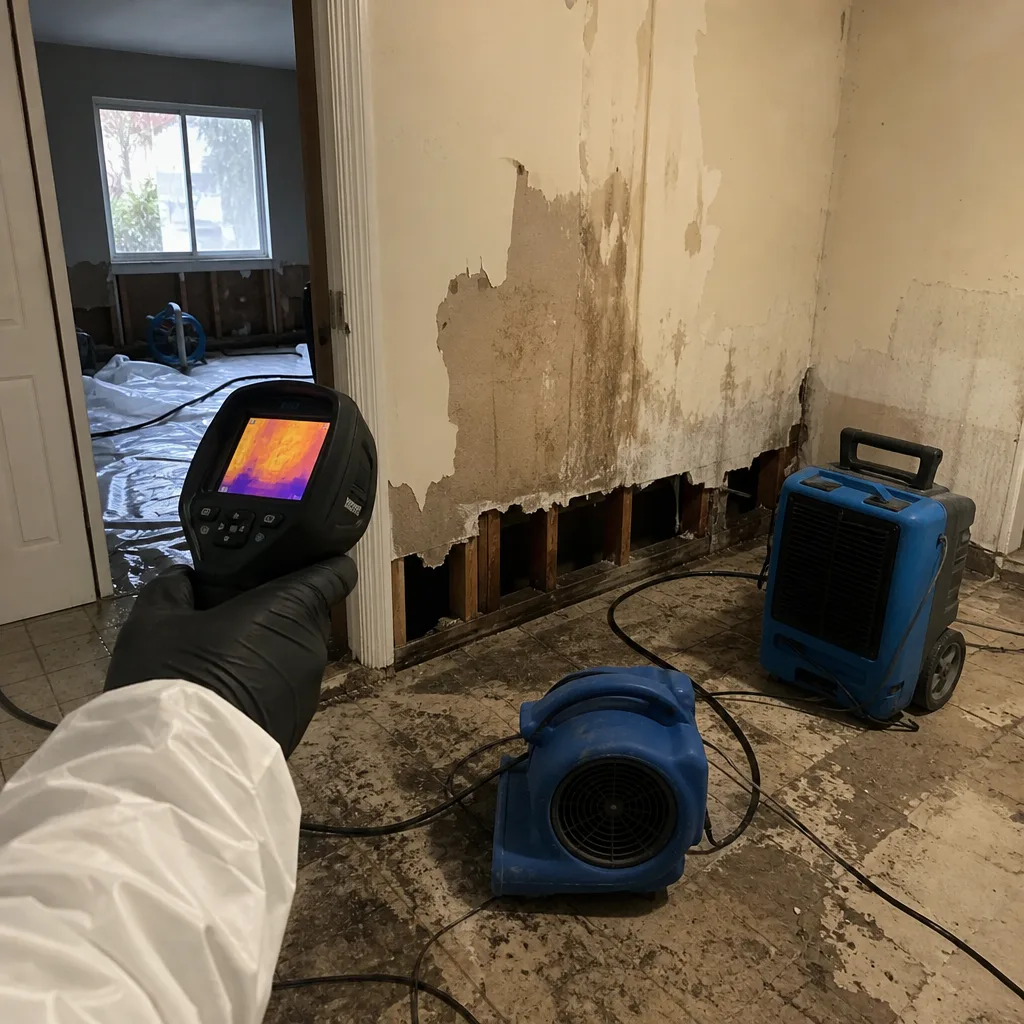
Moisture mapping and psychrometric assessment. We measure moisture content in all affected and adjacent materials with calibrated pin and pinless meters, record relative humidity and temperature, and calculate the specific humidity ratio and vapor pressure differential. This data determines equipment placement, drying timeline, and whether materials are salvageable. We mark wet areas with painter’s tape and document readings in a field log that becomes your drying record.
- 3
Water extraction and controlled demolition. Standing water is removed with truck-mounted or portable extraction systems. Non-salvageable materials - typically saturated carpet pad, base drywall below the water line, and some insulation types - are removed with documented square footage and disposal classification. Every removal decision is photographed with a timestamp.
- 4
Structural drying with daily monitoring. We install professional-grade drying equipment - Dri-Eaz and Phoenix dehumidifiers, B-Air and XPOWER air movers, Injectidry systems for wall cavities - positioned based on the psychrometric data from Step 2. A technician returns daily to record new moisture readings, adjust equipment, and photograph progress. These daily drying logs are compiled into a report that satisfies IICRC, RIA, and IFA documentation standards and supports your insurance claim.
- 5
Verification, written scope for repairs, and warranty delivery. Once materials return to established dry standards - typically 12% moisture content or below for softwood framing in Long Beach’s climate - we deliver a written verification with final photos. If reconstruction is needed, we provide a written scope and price before any work begins, per Haven Standard, Clause 1. Every job receives the 365-Day Done Right Promise, a signed guarantee under The Haven Standard.
How Much Does Water Damage Restoration Cost in Long Beach?
Water damage restoration pricing in Long Beach follows the affected area, contamination category, and material types involved. A typical emergency water extraction for a single room runs $800-$1,800. Structural drying and dehumidification for a standard 1,200-square-foot home with clean water intrusion generally costs $2,200-$4,500. Flood cleanup involving Category 3 contamination, with necessary demolition and antimicrobial treatment, typically ranges $4,000-$8,500. Burst pipe restoration that includes ceiling or wall demolition, plus drying of multiple rooms, averages $3,500-$7,000. Basement water removal and drying, where hydrostatic pressure has affected finishes and framing, usually falls between $3,000-$6,500. Ceiling and roof leak damage limited to attic and ceiling assembly restoration typically costs $2,500-$5,500.
| Service Scenario | Typical Range in Long Beach | Primary Cost Drivers |
|---|---|---|
| Emergency water extraction (single room) | $800 - $1,800 | Standing water volume, flooring type, access |
| Structural drying & dehumidification (1,200 sq ft home) | $2,200 - $4,500 | Days of drying, equipment count, humidity load |
| Flood cleanup (Category 3, with demolition) | $4,000 - $8,500 | Contamination level, porous material removal, disposal |
| Burst pipe restoration (multi-room) | $3,500 - $7,000 | Leak location, migration distance, finish materials |
| Basement water removal and drying | $3,000 - $6,500 | Depth of water, foundation type, equipment access |
| Ceiling & roof leak damage (attic/ceiling assembly) | $2,500 - $5,500 | Insulation type, drywall extent, roof repair coordination |
Several factors move these ranges. Category 2 (gray) or Category 3 (black) water requires more protective equipment, antimicrobial application, and disposal costs than clean water. Homes with hardwood flooring, plaster walls, or custom finishes need specialized drying protocols that extend timelines. Long Beach’s coastal humidity, especially within two miles of the shoreline, can add 1-2 days to drying compared to inland markets, which affects equipment rental costs. Homes built before 1950 often contain asbestos-containing materials or lead-based paint, requiring additional testing and abatement protocols if disturbed.
The most reliable way to avoid overpaying is to obtain a written scope with line-item pricing before authorizing work. Haven Standard, Clause 1 requires this from our company on every job. We also offer a Free Second Opinion on any competitor’s written estimate - bring their quote and we’ll review it at no charge. Our estimates include the photo record, drying logs, and documentation package as standard deliverables, never upsells. Call (424) 373-5092 for a written estimate with exact pricing for your situation.
Water Damage Restoration Near Long Beach - Our Service Area
We provide Water Damage Restoration in Long Beach with typical on-site response times of 45-75 minutes for emergency calls. Our service radius includes Water Damage Restoration in Bellflower, where we regularly handle slab leak restoration in the post-war ranch stock, and Water Damage Restoration in Carson, including the Dominguez Hills and Victoria Park areas with their mix of 1960s tract homes and newer construction. We also serve Paramount, Seal Beach, Cerritos, Wilmington, Cypress, Compton, Norwalk, Downey, and San Pedro. Response times to Seal Beach and San Pedro vary with harbor bridge traffic; we confirm ETA when you call. Each of these markets has distinct water damage patterns - from the high water table in parts of Cerritos to the aging cast-iron drainage in San Pedro’s hillside homes - and our crews carry the specific documentation templates that local adjusters expect.
Serving Long Beach, CA - Our Local Coverage Area
We’re based in the Long Beach area and know this community well. Use the map below to see our service coverage - if you’re nearby, we can almost certainly help.
Frequently Asked Questions - Water Damage Restoration in Long Beach
Water damage restoration is the professional process of extracting water, drying structural materials, and returning a property to pre-loss condition after water intrusion. It includes emergency water removal, moisture mapping, controlled demolition of non-salvageable materials, structural drying with documented daily readings, and reconstruction if needed. At DryMark Restoration Long Beach, every restoration job includes a written price before work begins, a photo record on every visit, and drying logs that meet IICRC, RIA, and IFA standards for insurance documentation.
Most water damage restoration projects in Long Beach take 3-7 days for extraction and drying, with reconstruction adding 1-3 weeks depending on material availability and scope. Clean water intrusions in modern construction with good air circulation often dry in 3-4 days. Category 3 flood damage, or homes with plaster walls and hardwood floors, may require 5-7 days of active drying. The marine layer in Long Beach’s coastal zones can extend drying timelines by 24-48 hours compared to inland markets. We provide a written timeline with our scope, updated daily with actual moisture readings.
Water damage restoration in Long Beach typically ranges from $1,800 for limited clean-water extraction and drying to $6,500+ for multi-room flood cleanup with demolition. Specific scenarios: single-room extraction $800-$1,800; whole-home structural drying $2,200-$4,500; Category 3 flood cleanup $4,000-$8,500. Every estimate from DryMark Restoration Long Beach is delivered in writing before work begins, per Haven Standard, Clause 1, with no scope-creep additions once our crew is inside. Call (424) 373-5092 for an exact quote - estimates are free.
We deploy Dri-Eaz, Phoenix, XPOWER, B-Air, and Injectidry equipment on every job - these are the brands we use, not the brands we service for repair. Our technicians are trained in the specific operating parameters of each system: Dri-Eaz Revolution dehumidifiers, Phoenix 200 HT LGR units, Injectidry HP-Plus wall cavity systems. If you’re asking whether we can handle restoration in a home with existing equipment from these manufacturers, yes - we integrate with or supplement any on-site drying systems, document their performance, and provide our own equipment where needed to meet drying standards.
Yes - a live person answers every call to (424) 373-5092, 24 hours a day, 7 days a week, with no voicemail trees or next-business-day callbacks. Emergency crews are dispatched for active water intrusion, standing water, or situations where delay will expand damage. We do not charge premium rates for after-hours or holiday response; our written price reflects the actual scope, not the clock.
Every water damage restoration job is covered by our 365-Day Done Right Promise, a signed guarantee under The Haven Standard - if it’s not done right, we make it right. This applies to drying performance, reconstruction quality, and documentation accuracy. The warranty is transferable if you sell your home within the coverage period, and we maintain records of every job since 2011 for verification.
If safe to do so, turn off the water source at the main shutoff valve and electricity to affected areas at the breaker panel - but do not enter standing water if you cannot confirm power is off. Remove small valuables and documents from the affected area. Do not attempt DIY water extraction with household vacuums or fans; improper airflow can drive moisture deeper into walls and extend damage. When you call (424) 373-5092, we’ll guide you through immediate steps specific to your situation and confirm our ETA. Our technician will deliver a written price before any work begins.
Schedule Your Water Damage Restoration Service in Long Beach Today
Call (424) 373-5092 now - a live person answers 24 hours a day, 7 days a week. We’ll dispatch a licensed, background-checked technician who will document your loss with photos, measure moisture with calibrated instruments, and deliver a written price before any work begins, guaranteed under Haven Standard, Clause 1. Bring a competitor’s written estimate and we’ll provide a Free Second Opinion at no charge. Every job includes daily drying logs, a photo record on every visit, and the 365-Day Done Right Promise. No obligation, no pressure, no surprises.
Written by Alicia Brennan, Owner at DryMark Restoration Long Beach, serving Long Beach since 2011.