
Last updated September 23, 2026
Free visual inspection and a written scope of work before any mitigation begins - photos, moisture readings, and drying logs go in your claim file
The scope we write is the scope we bill. Anything new gets shown to you, in writing, before we touch it.
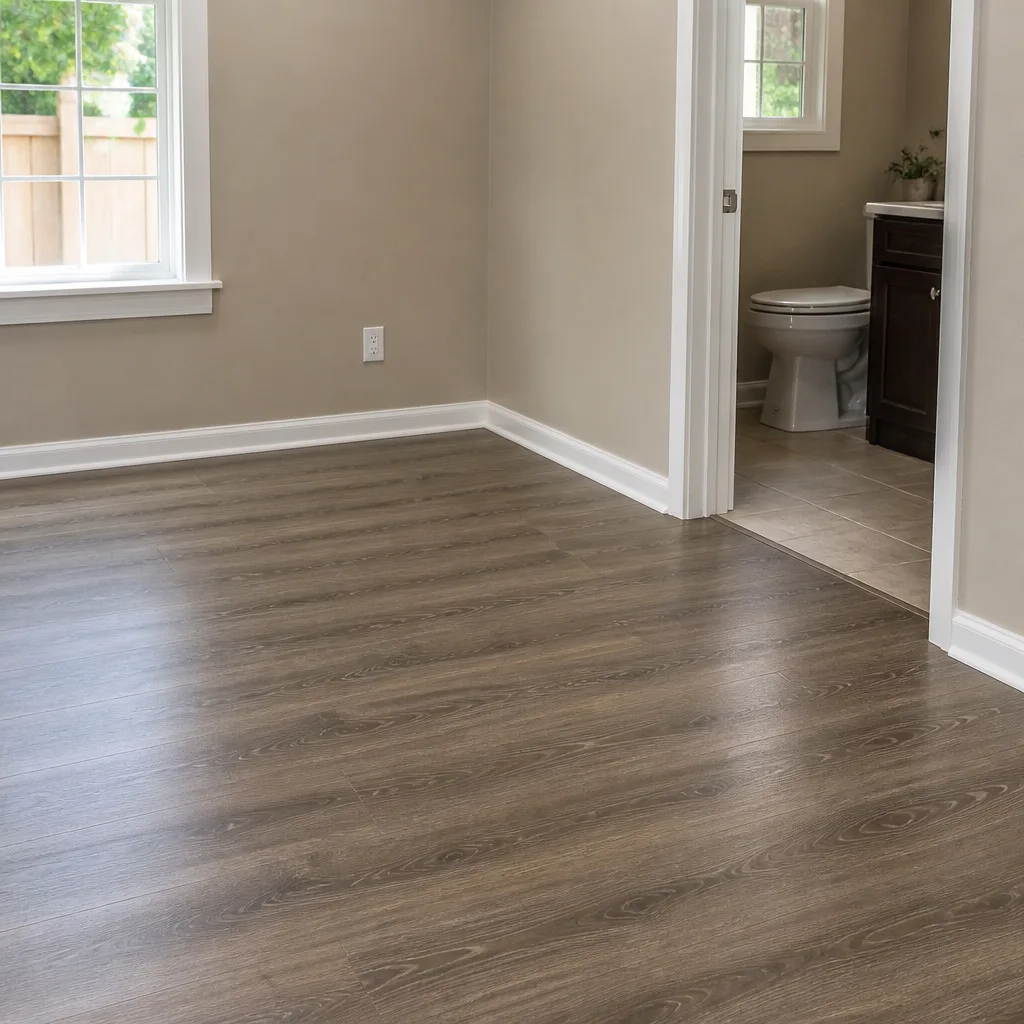
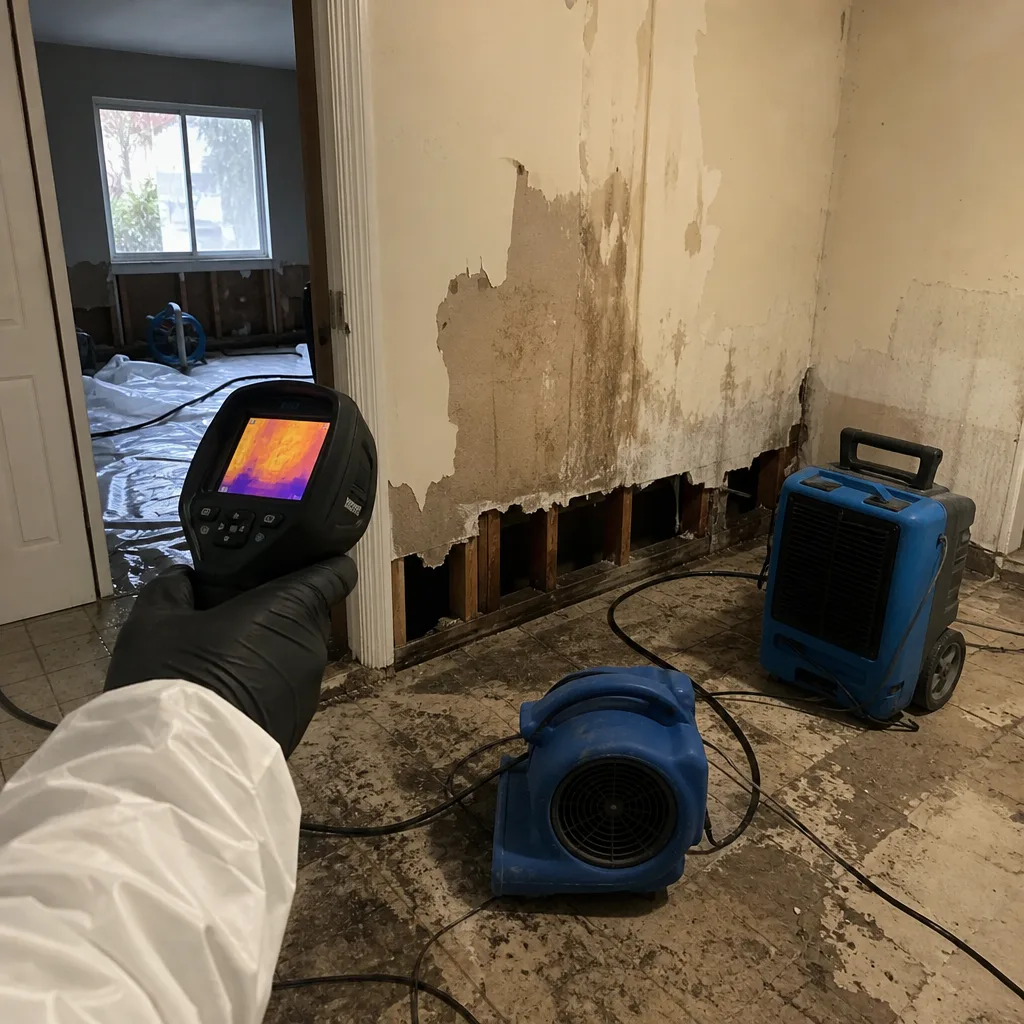 Before
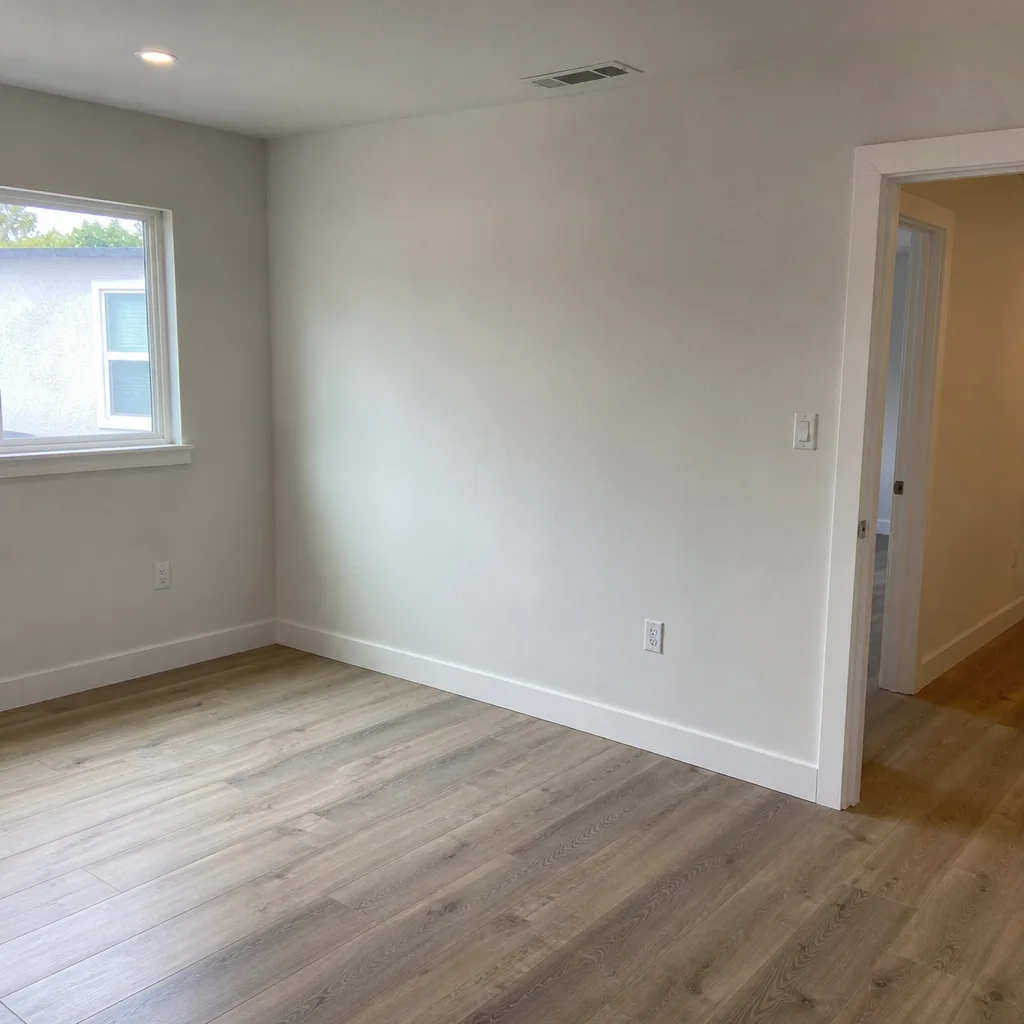 After
After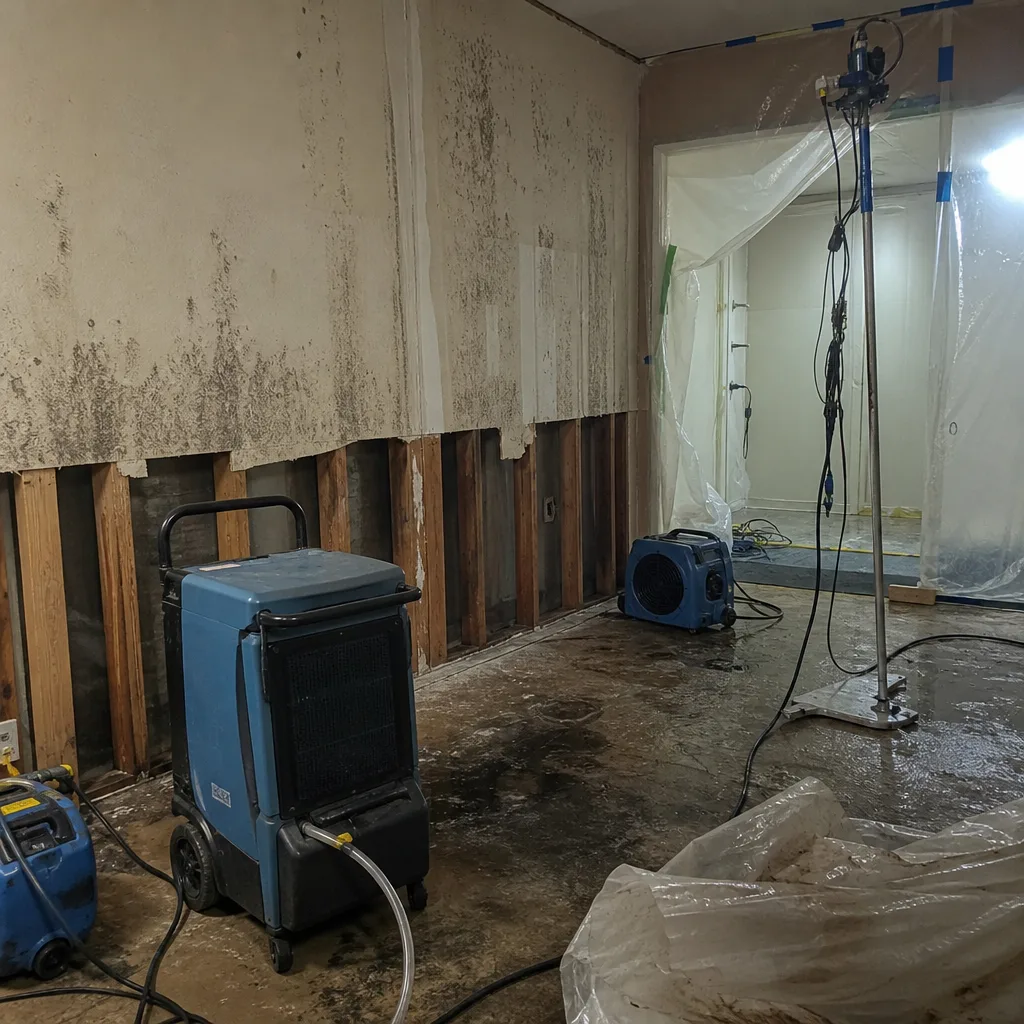 Before
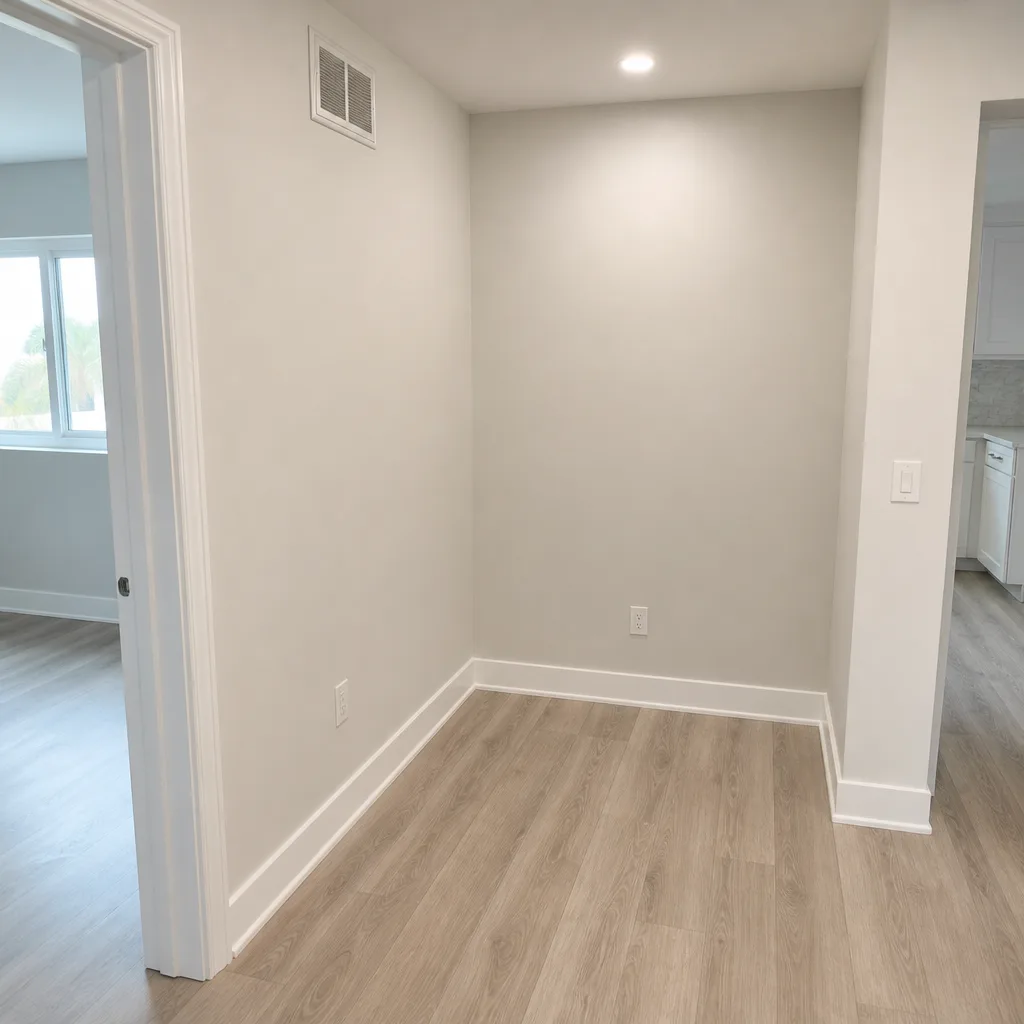 After
After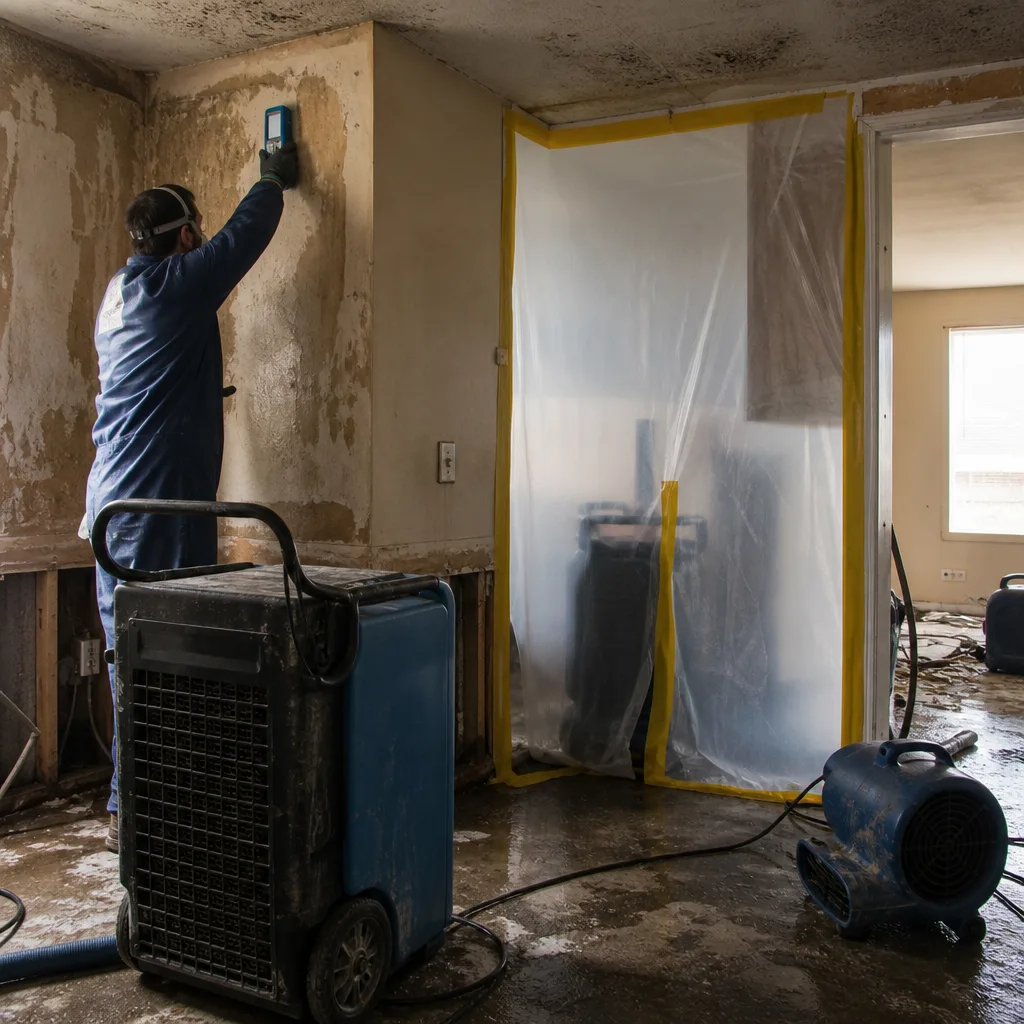 Before
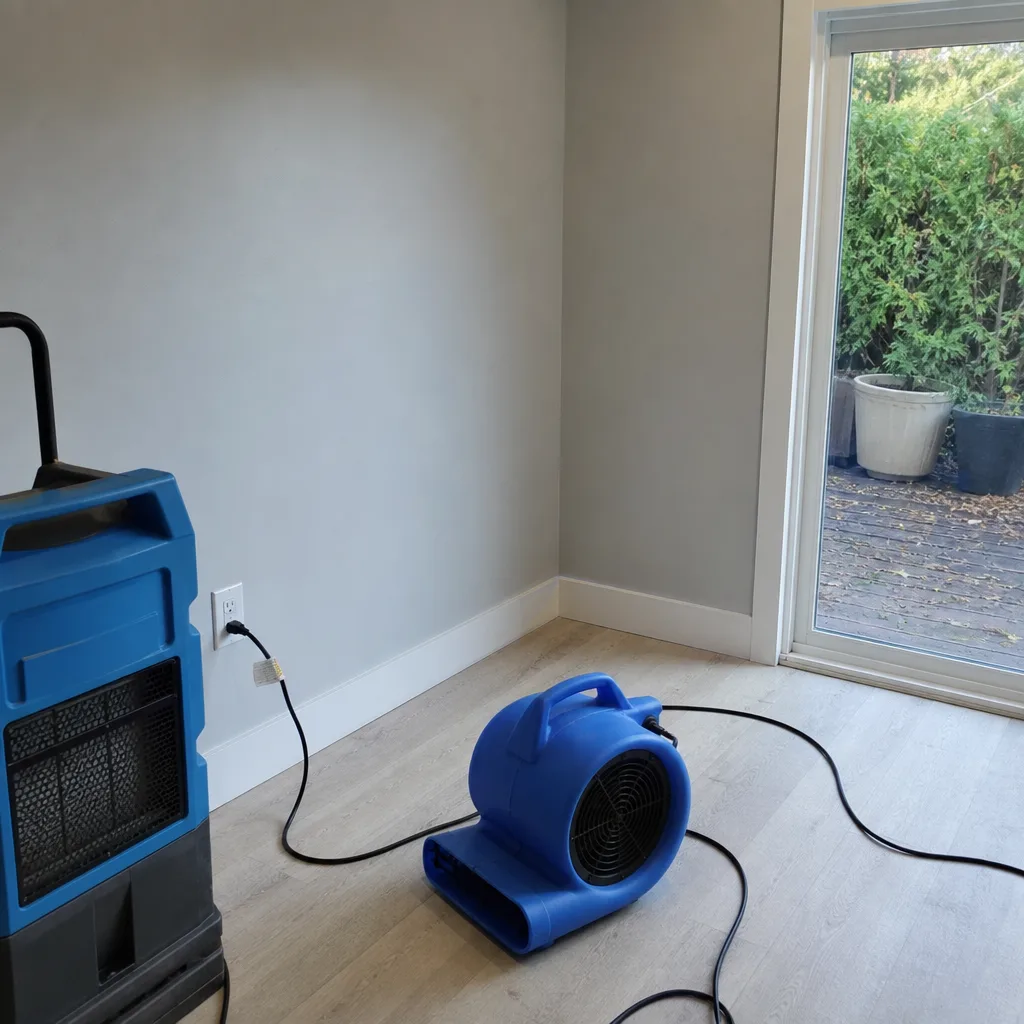 After
AfterDamage Restoration Permits, Codes & Inspections in CA: What You Need to Know
A Long Beach homeowner accepted a contractor’s assurance that “restoration work doesn’t need permits” after a pipe burst in their Belmont Heights kitchen. Two years later, when a second leak developed in the same wall cavity, their home warranty claim was denied. The unpermitted drywall replacement had never been inspected. The cavity was never properly dried, the moisture readings were never logged, and the warranty carrier treated the repair as undocumented - which, legally, it was. In this guide, we’ll walk through which restoration activities actually trigger permits in California, how to pull your property’s permit history before you hire anyone, and why inspection sign-offs matter more for your insurance claim than most contractors admit. For Damage Restoration Warning Signs: A Long Beach Homeowner’s Reference Guide, see our companion resource.
Quick Answer
Most water damage restoration in California does not require a permit for extraction and drying alone. However, structural repairs - including drywall replacement over 200 square feet, load-bearing wall modifications, electrical exposure, and HVAC duct work - typically do require permits under Long Beach Municipal Code Chapter 18.72. Mold remediation exceeding 100 contiguous square feet triggers CSLB licensing requirements and often permit-level documentation. Unpermitted restoration can void future insurance claims, complicate home sales, and leave homeowners liable for code compliance corrections.
Table of Contents
- Which Restoration Activities Trigger Permits in Long Beach?
- California Mold Remediation Licensing and the 100 Sq Ft Threshold
- How to Pull Your Property’s Permit History Before Hiring a Contractor
- The Inspection Sequence for Permitted Restoration Projects
- What Happens to Insurance Claims When Restoration Work Is Unpermitted
- How Long Beach Climate and Coastal Codes Affect Restoration Requirements
- Common Mistakes to Avoid
- When to Call a Professional
- Frequently Asked Questions
 Before
 After
AfterWhich Restoration Activities Trigger Permits in Long Beach?
The line between mitigation and reconstruction determines whether your restoration project needs a building permit. In Long Beach, this distinction is enforced by the Development Services Department under Long Beach Municipal Code Chapter 18.72, which adopts the California Building Code with local amendments.
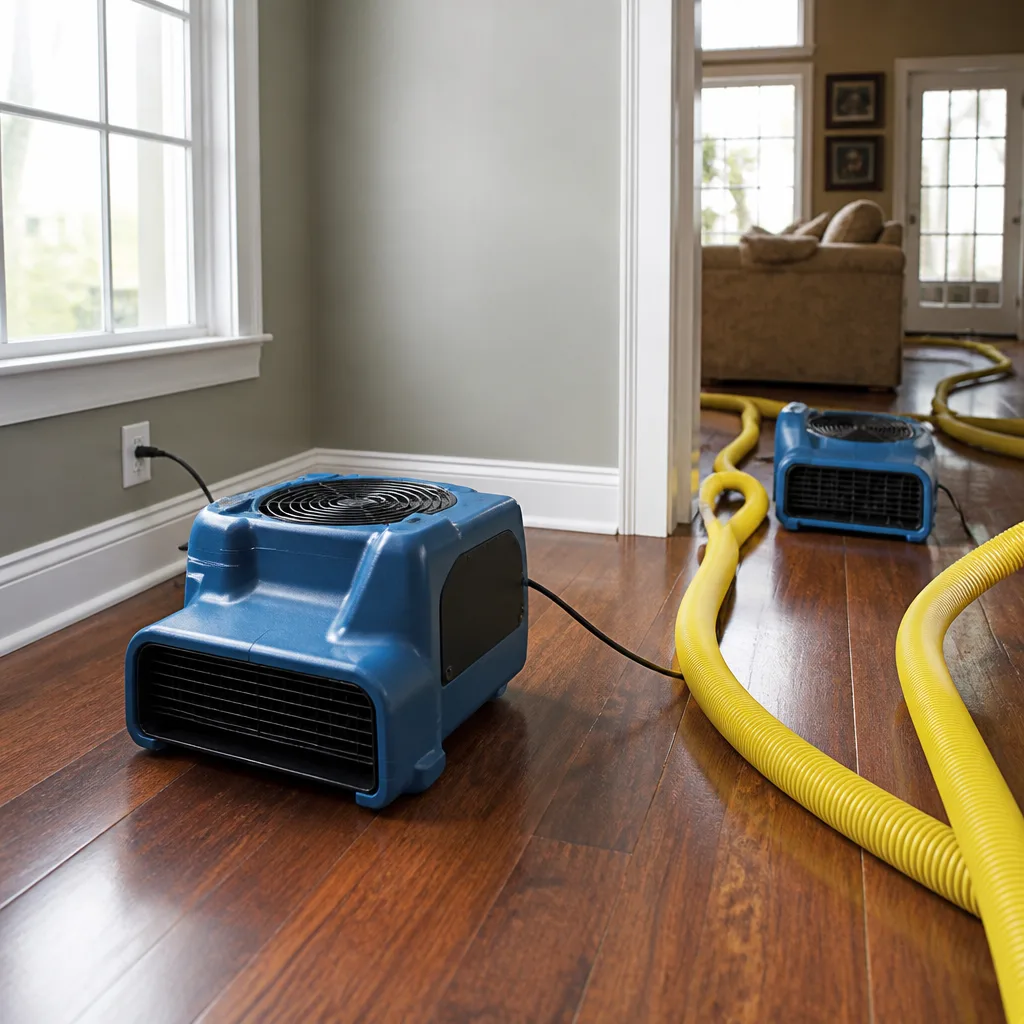
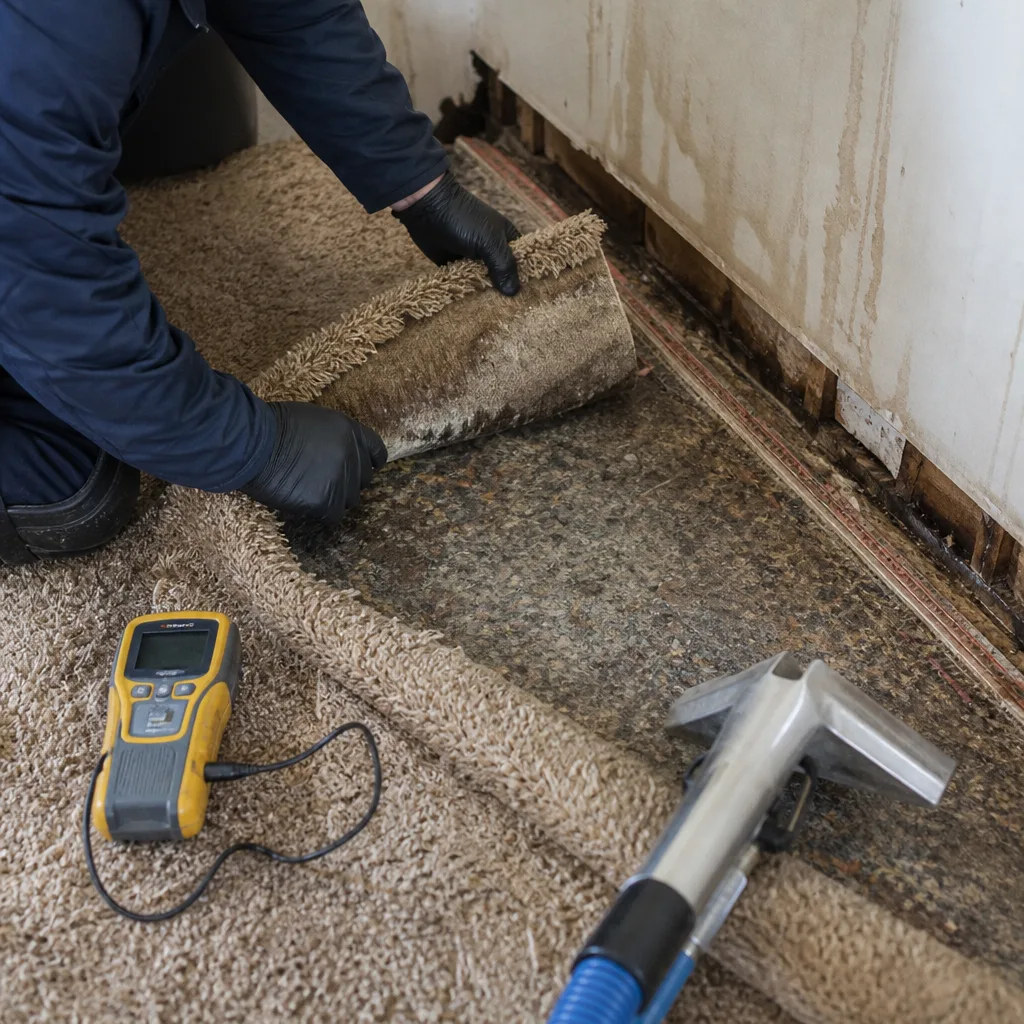
Permit-exempt mitigation work includes water extraction, dehumidification, and surface drying using professional-grade equipment. When our crews deploy Dri-Eaz and Phoenix dehumidifiers with Injectidry cavity drying systems, we’re performing mitigation - moisture removal that returns materials to their pre-loss condition without altering structure. No permit required.
Permit-triggering reconstruction work includes several categories that restoration contractors regularly perform without proper authorization:
- Structural drywall replacement exceeding 200 square feet in a single room or contiguous area - LBMPC 18.72.030 requires a building permit for alterations affecting more than one wall or ceiling surface in residential occupancies
- Load-bearing wall modifications of any scope, including door or window header adjustments after water intrusion has compromised framing
- Electrical system exposure or replacement - any work beyond resetting a tripped breaker, including outlet replacement, rewiring, or panel work after water contact
- HVAC duct work - replacement or cleaning of ducting that requires disconnection from mechanical systems
- Plumbing alterations beyond direct repair of the leak source, including re-routing supply lines or replacing drain assemblies
- Roofing repairs exceeding 100 square feet or involving structural decking replacement after storm damage
We’ve reviewed competitor estimates in Long Beach that proposed replacing 400 square feet of wet drywall, installing new insulation, and rewiring three outlets - all without mentioning permits. Before you choose, read our DIY vs Professional Damage Restoration: The Long Beach Homeowner’s Decision Guide. The homeowner would have paid cash, received no inspection, and held no documentation if the electrical work later failed. Haven Standard, Clause 1: we deliver a written price before work begins, and that scope explicitly identifies which portions require permitting, who will pull them, and what inspection milestones apply.
The permit itself is relatively inexpensive in Long Beach - typically $150-$400 for residential restoration permits depending on valuation. The cost of discovering unpermitted work during a sale or subsequent claim denial is measured in thousands, plus the delay of retroactive permitting with required exposure of finished work.
California Mold Remediation Licensing and the 100 Sq Ft Threshold
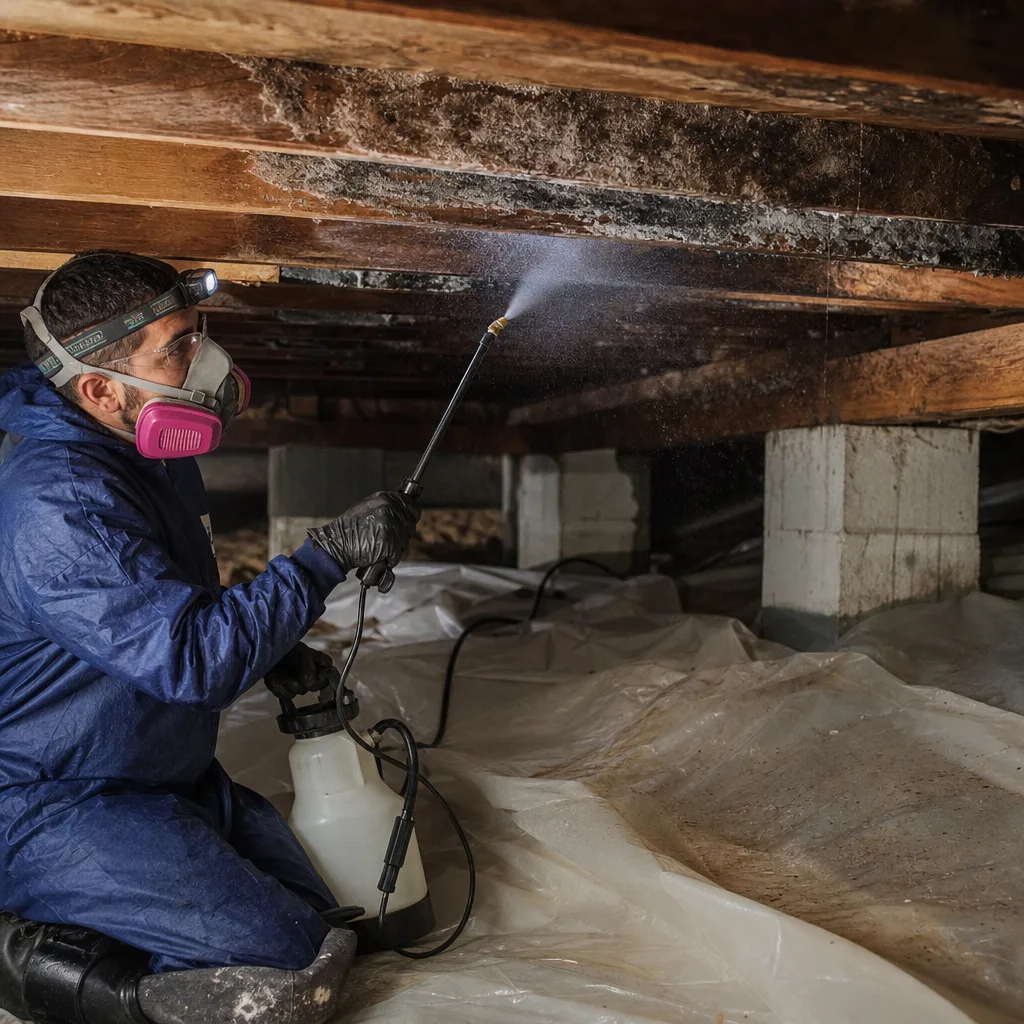
California does not issue a standalone “mold remediation license.” Instead, mold work falls under the Contractors State License Board (CSLB) classification system, and the scope of work determines which license class is required - or whether the activity is unregulated and potentially uninsurable.
The critical threshold is 100 contiguous square feet of visible mold growth. Below this, a general contractor’s B-license or a water damage restoration firm’s C-61/D-64 specialty license may legally perform cleaning and limited material removal. At or above 100 contiguous square feet, CSLB requires a C-61/D-49 Mold Remediation specialty contractor, and the work must follow California Department of Public Health guidelines with documented containment, negative air pressure, and post-remediation verification.
This threshold is routinely misapplied. We’ve inspected Long Beach properties where a contractor treated four separate 30-square-foot mold patches as “under 100” by measuring each independently. The CDPH guidance is clear: contiguous means connected or adjacent within the same atmospheric zone. A hallway closet with 40 square feet and the adjacent bathroom with 70 square feet are functionally one containment area. Treating them separately to avoid licensing requirements is a violation that can expose the homeowner to liability.
What the 100 sq ft threshold means for scoping:
- Accurate measurement protocol: We measure all visible mold within each affected room, then assess whether openings, HVAC returns, or wall cavities connect separate spaces. Our photo documentation captures each measurement with a tape in frame, dated and geotagged.
- Containment requirements escalate at threshold: Below 100 sq ft, polyethylene sheeting and HEPA filtration may suffice. At or above, negative air machines with manometer verification, decontamination chambers, and third-party post-remediation testing are standard - and these activities often trigger building permits for temporary structural modifications.
- Documentation for insurance: CSLB-compliant mold remediation generates a paper trail: the initial assessment with square footage, the containment plan, the daily moisture and air quality logs, and the clearance test. This documentation is what converts a mold claim from “maintenance issue” to “covered peril” with adjusters.
In Long Beach, the coastal humidity pattern - morning marine layer, afternoon drying, repeated seasonal cycles - means mold in wall cavities often exceeds visible surface estimates by 40-60%. We’ve opened walls in Alamitos Beach properties where 25 square feet of visible surface mold concealed 180 square feet of colonized cavity. The initial scope must account for this, or the project crosses the 100 sq ft threshold mid-work without proper licensing in place.
Mold Remediation in Long Beach requires this precision because the alternative - unlicensed remediation that disturbs mold without proper containment - can spread spores throughout the HVAC system and trigger health complaints that invalidate your homeowners policy’s pollution exclusion defense.
How to Pull Your Property’s Permit History Before Hiring a Contractor
Every property in Long Beach has a permit record, accessible through the city’s DryMark Restoration Long Beach home jurisdiction’s online systems or in person at the Development Services Department at 411 W. Ocean Boulevard. Before you authorize any restoration work that might trigger permitting, you should know what’s already on file - and what isn’t.
Step-by-step: pulling your Long Beach permit history
- Access the Long Beach Permit Lookup: Visit the city’s Accela Citizen Access portal and search by address or APN (Assessor’s Parcel Number). The system returns all permits issued since approximately 1990, with scanned plans and inspection records for many.
- Request a complete history if gaps exist: Pre-1990 permits may be on microfilm at the Development Services counter. For properties in Belmont Shore, Bluff Park, or other historic districts, this step is essential - original construction permits often contain coastal zone or historic preservation conditions that affect restoration methods.
- Cross-reference against known work: If your home had a kitchen remodel in 2015, a bathroom update in 2019, or any work after water damage, verify permits exist for each. Note the permit number, contractor listed, and final inspection status.
- Identify unpermitted work: Gaps between known construction and permit records are red flags. Unpermitted additions, unpermitted electrical, or unpermitted plumbing create “non-conforming” conditions that complicate future restoration - your new permitted work may be required to bring the entire system to current code.
If you discover prior unpermitted work:
The path forward depends on scope and risk tolerance. Minor unpermitted work - a replaced water heater without a plumbing permit, for example - can often be legalized through a “permit research” application with current code compliance verification. Major structural unpermitted additions may require engineered plans, seismic retrofit, or in extreme cases, removal.
For restoration specifically, prior unpermitted work matters because:
- Insurance adjusters may deny claims for damage to unpermitted structures, treating them as uninsured improvements
- Restoration contractors working without permits on already-non-conforming properties face heightened liability, and some will refuse the work
- Future buyers’ inspectors will flag the condition, potentially killing sales or triggering price reductions
- Code compliance corrections discovered during permitted restoration become the homeowner’s cost, not the insurer’s, if they predate the current loss
We’ve advised Long Beach homeowners to legalize unpermitted patio enclosures before authorizing water damage restoration to the adjacent living space. The cost of the research permit and compliance verification was $800. The alternative - discovering the non-conforming condition mid-restoration, with the insurer then refusing to cover the enclosure’s demolition and rebuild - would have exceeded $15,000.
The Inspection Sequence for Permitted Restoration Projects
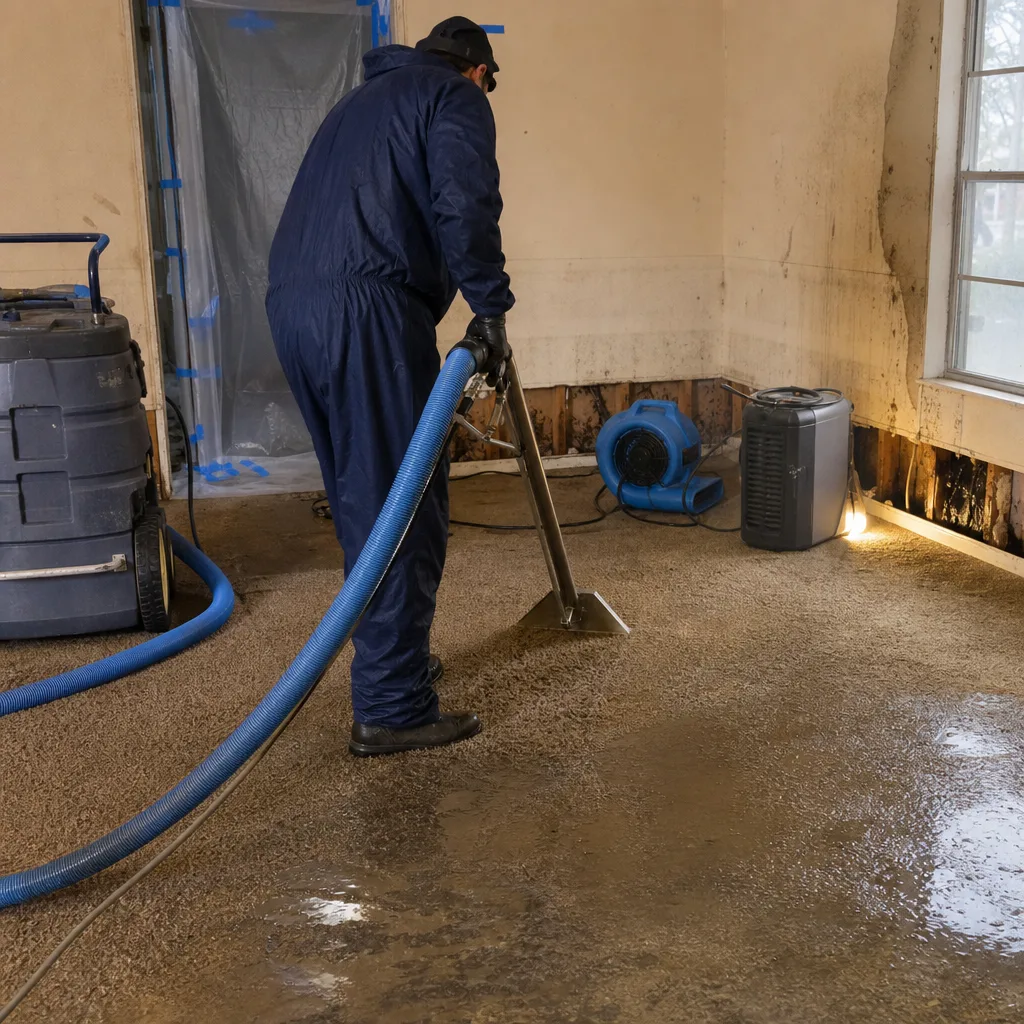
A permitted restoration project in Long Beach moves through defined inspection milestones. Each sign-off creates a documentation point that should be captured in your claim file. Understanding this sequence helps you verify contractor progress and prevents the common failure mode: contractor completes work, calls for final inspection, fails because earlier stages were never inspected, then disappears.
Standard inspection sequence for water damage reconstruction:
| Inspection Stage | What Inspector Verifies | Documentation Value for Claims |
|---|---|---|
| Rough-in | Framing, plumbing, electrical, and HVAC rough installations before concealment; moisture readings on retained structural materials | Proves structural materials were dry before enclosure; prevents future mold claims attributed to pre-existing moisture |
| Insulation | Insulation type, placement, and vapor barrier compliance with Title 24 energy standards | Documents energy code compliance; required for final occupancy and resale disclosures |
| Drywall/nail inspection | Fastener patterns, fire-rated assembly compliance where required | Confirms fire safety restoration in garages, between units, or in egress paths |
| Close-up/final | Finished surfaces, fixture operation, code compliance of completed work | Legal authorization for occupancy; critical for warranty and insurance validity |
The rough-in inspection is where most restoration projects fail if the mitigation phase was rushed. In 2019, we were called to a Naples property where a previous contractor had installed new drywall over framing that still showed 18% moisture content - well above the 16% threshold for safe enclosure. The homeowner’s nose detected the problem before any visible mold appeared. The required remediation: remove all new drywall, re-dry the framing with Injectidry and Phoenix dehumidification systems, generate daily psychrometric logs showing vapor pressure differential reduction, then restart the inspection sequence. The original contractor was unresponsive. The homeowner’s insurer denied the secondary claim as resulting from defective workmanship - a common policy exclusion.
Using inspection sign-offs as claim milestones:
Each passed inspection generates a signed card or electronic record. We photograph these records and include them in our standard deliverable package alongside our own photo documentation and drying logs. When an adjuster questions whether work was performed to standard, the inspection record from a city-employed third party carries more weight than any contractor’s self-certification.
For fire and smoke restoration, the sequence adds air quality and clearance testing. Fire & Smoke Damage Restoration in Long Beach often requires hazardous materials abatement permits when pre-1978 properties are involved, with separate inspection tracks for lead and asbestos.
What Happens to Insurance Claims When Restoration Work Is Unpermitted
The insurance implications of unpermitted restoration extend far beyond the immediate claim. We’ve reviewed claim files where unpermitted work from five years prior became the basis for a current denial - not because the current loss was related, but because the insurer’s inspection revealed a pattern of non-compliant maintenance that voided policy warranties.
Immediate claim impacts:
- Partial denial for unpermitted scope: If your contractor replaces 300 square feet of drywall without a permit, and the insurer discovers this, they may pay for extraction and drying but deny the reconstruction portion - or require you to obtain retroactive permits at your own expense before releasing funds
- Code upgrade exclusion trigger: Most policies include “Ordinance or Law” coverage for code-required upgrades during repairs. Unpermitted work bypasses this coverage entirely; you’re paying cash for any code compliance costs
- Documentation failure: Insurers increasingly use aerial imagery, permit databases, and third-party property records to verify claims. A $45,000 restoration with no permit record is an anomaly that triggers special investigation
Long-tail liabilities:
The more serious risk surfaces years later. A homeowner in the Bixby Knolls area completed a $28,000 water damage restoration in 2018 using an unlicensed contractor who performed electrical and drywall work without permits. In 2022, selling the property, the buyer’s inspector requested permit history. The gap was discovered. The sale was delayed 60 days while the homeowner paid $4,200 for retroactive permits, inspections, and necessary corrections - including opening newly finished walls to verify wiring. The original contractor was out of business. The insurer, contacted about the original claim, noted the claim had been closed with payment to the homeowner as “self-performed repairs,” limiting any recourse.
Remediating an unpermitted repair:
If you discover unpermitted restoration work on your property - whether from a prior owner or your own prior contractor - the remediation path is:
- Document the current condition: Photograph all visible work, note dates and contractors if known, and obtain any records from the prior insurer
- Consult the Development Services Department: Long Beach offers a “permit research and compliance” process that can legalize work without full demolition if it meets current code - though electrical and plumbing typically require exposure
- Obtain contractor estimates for required corrections: These should be in writing, with explicit permit costs included, before any work begins
- Notify your current insurer: Some policies cover the cost of bringing unpermitted prior repairs to code if they’re discovered during a new covered loss - but this varies by carrier and requires prompt disclosure
The Haven Standard requires that our written scopes identify all permit requirements and include permit costs as line items. We’ve declined jobs where homeowners requested we skip permitting to save money. The savings are illusory; the liability is real and transferable to the property title.
How Long Beach Climate and Coastal Codes Affect Restoration Requirements
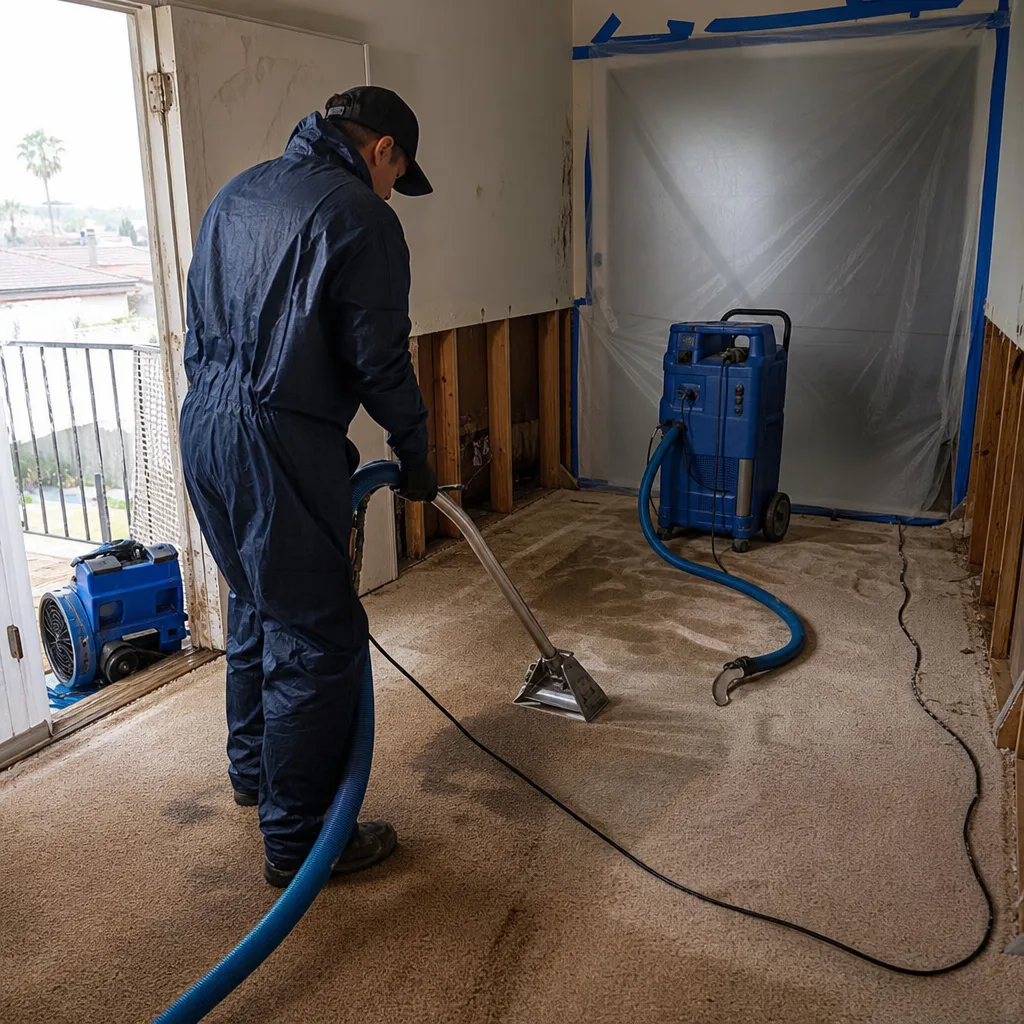
Long Beach occupies a specific regulatory zone that shapes restoration requirements beyond standard California code. The coastal location, seismic classification, and aging housing stock create conditions that competent contractors must address in their scopes - and that affect whether permitting is triggered.
Marine climate and moisture dynamics:
The marine layer that rolls in from April through June, and intermittently year-round, maintains ambient relative humidity at 70-85% during morning hours. For restoration, this means:
- Natural drying without mechanical dehumidification is impractical for 8-10 months annually
- Materials that read “dry” at 3 PM may reabsorb moisture overnight, requiring multi-day drying cycles with documented psychrometric data
- Coastal corrosion accelerates metal fastener degradation in water-damaged framing, often requiring replacement that triggers structural permits
We’ve documented cases in the Peninsula and Belmont Shore where contractors declared structures “dry” based on single-point readings taken during afternoon low-humidity windows. The subsequent mold growth, discovered months later, required full gutting of permitted work and restart - with the original contractor unaccountable because no permit or inspection record existed.
Seismic and foundation considerations:
Long Beach is in Seismic Design Category D, the second-highest classification. Any restoration affecting shear walls, hold-downs, or foundation anchoring triggers structural engineering review and permitting. Water damage to cripple walls or sill plates in pre-1980 construction is particularly sensitive - the repair methods that were standard before modern seismic codes are now non-compliant.
Coastal zone and historic district overlays:
Properties in the Coastal Zone (generally west of Ocean Boulevard and in the Peninsula) face additional review for exterior alterations, including window replacement after fire damage or siding replacement after storm exposure. The Bluff Park Historic District and other designated areas require Historic Preservation Commission review for visible changes. These processes add 30-60 days to permitting but are mandatory - unpermitted work in these zones carries penalties that start at double the standard permit fee and escalate.
Water Damage Restoration in Long Beach must account for these layers. A scope that works in inland Los Angeles County may fail in Long Beach because the contractor didn’t account for coastal zone review or seismic bracing requirements that the inspector will enforce.
Common Mistakes to Avoid
- Accepting a contractor’s verbal assurance that “restoration doesn’t need permits.” This is the most expensive sentence in home repair. Always verify against LBMPC Chapter 18.72 or call Development Services directly. Legitimate contractors welcome permit scrutiny; it protects them too.
- Measuring mold patches separately to stay under the 100 sq ft threshold. CSLB and CDPH define contiguous by atmospheric connection, not visual separation. A contractor who suggests this strategy is proposing fraud that exposes you to liability.
- Paying for reconstruction in full before final inspection sign-off. Long Beach allows contractors to request progress payments, but final payment should be contingent on passed inspection. We’ve seen homeowners pay $18,000 for “completed” work that failed final inspection and was never corrected.
- Failing to verify prior permit history before authorizing new work. Unpermitted prior work can convert your new permitted project into a code compliance nightmare. The $50 permit research fee is trivial compared to mid-project discovery.
- Assuming your insurer will handle permitting. Most policies cover permit fees as part of “Ordinance or Law” coverage, but only if the work is performed through standard channels. Self-performed or unpermitted work voids this coverage.
- Ignoring the inspection schedule. Contractors who miss rough-in inspections and proceed to close-up are creating concealed defects. Insist on being present for inspections or receiving photographic confirmation of inspector sign-offs.
- Using restoration contractors who subcontract all reconstruction to unpermitted handymen. The mitigation company may be licensed and insured, but if their “reconstruction partner” pulls no permits and carries no license, you’re exposed. Verify both entities.
When to Call a Professional
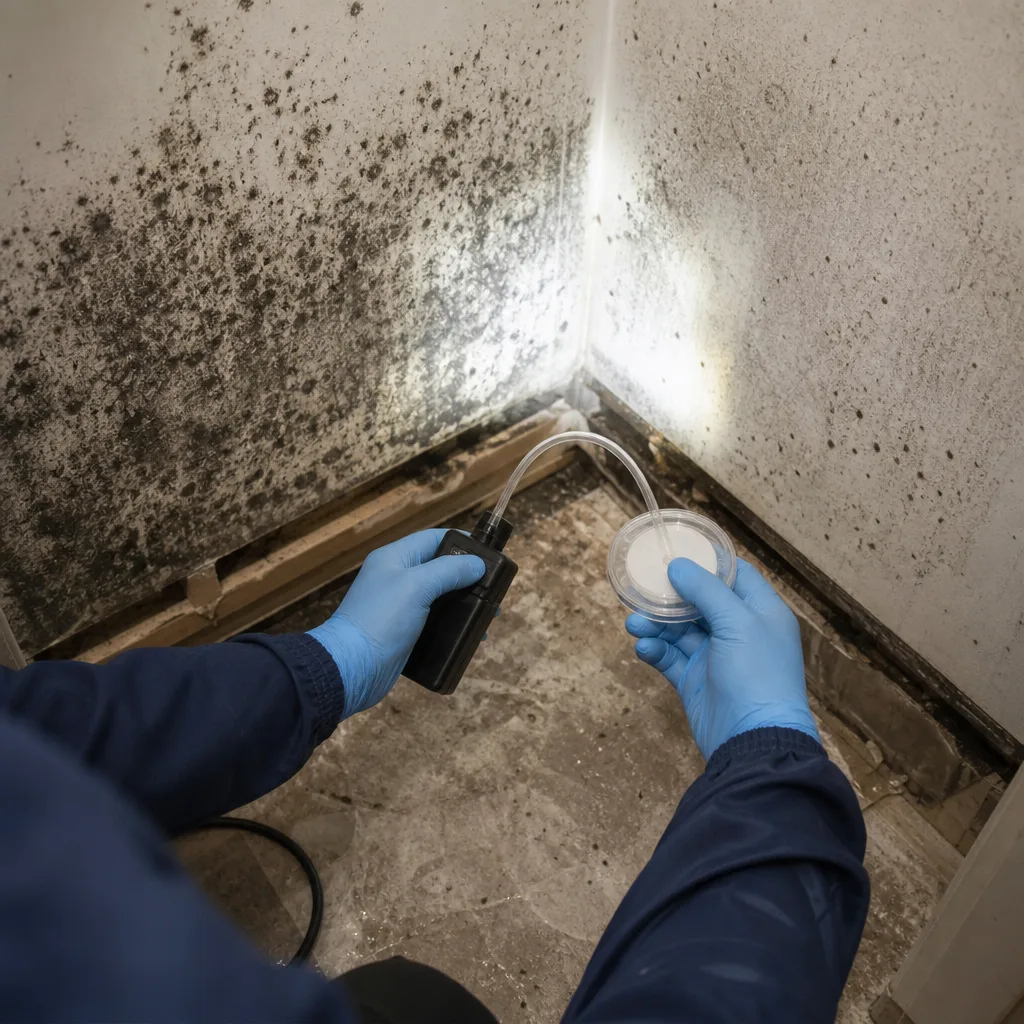
Call a restoration professional when your loss involves structural materials, when mold is visible or suspected in wall cavities, when electrical or plumbing systems are affected, or when your insurer has assigned an adjuster who needs documented scope and pricing. The intersection of permitting, insurance, and code compliance is not a do-it-yourself navigation - errors are discoverable for decades and expensive to remediate. Our How to Hire a Damage Restoration Contractor in Long Beach: A Step-by-Step Guide explains what to verify before signing any agreement.
DryMark Restoration Long Beach offers free estimates in Long Beach - call (424) 373-5092. Every estimate includes a written scope that identifies permit requirements by line item, the estimated permit cost, and the inspection sequence that will apply. Haven Standard, Clause 1: that written price arrives before any work begins, with no exceptions. We also provide a Free Second Opinion on any competitor’s written estimate, reviewing their permit assumptions and scope completeness at no charge.
Frequently Asked Questions
Water extraction, drying, and dehumidification do not require permits. Structural repairs including drywall replacement over 200 square feet, electrical work, plumbing alterations, and load-bearing wall modifications do require permits under Long Beach Municipal Code Chapter 18.72. Call (424) 373-5092 for a written scope that identifies which portions of your project require permitting and which do not.
Residential restoration permits in Long Beach typically range from $150 for limited electrical or plumbing permits to $400 for full reconstruction permits involving multiple trades. The permit fee is based on project valuation and is usually recoverable under your policy’s Ordinance or Law coverage if work is performed through proper channels. We include estimated permit costs as line items in every written scope.
Generally no. Most policies exclude coverage for work performed without required permits, and many carriers now cross-reference permit databases during claim review. Unpermitted work may also void your policy’s code upgrade coverage and create title issues that affect future claims. If you’ve discovered unpermitted prior work, contact your carrier promptly - some policies offer limited remediation coverage for code compliance corrections discovered during new covered losses.
Verify through the Long Beach Accela Citizen Access portal using your address, or call Development Services at 562-570-LBDS. Legitimate contractors will provide permit application numbers within 48 hours of filing. We provide permit numbers, inspector contact information, and scheduled inspection dates as standard documentation on every permitted job.
California’s CSLB requires a D-49 Mold Remediation specialty contractor for mold work affecting 100 or more contiguous square feet. “Contiguous” means connected or sharing atmospheric space - not visually separate patches. Work below this threshold may be performed by B-General or C-61/D-64 licensed contractors but must still follow CDPH containment and documentation guidelines. We measure and photograph all mold with tape-in-frame documentation to determine the correct licensing and containment protocol.
You can, but you must disclose unpermitted work on California’s Transfer Disclosure Statement, and most buyers’ lenders or insurers will require legalization before closing. The cost of retroactive permitting typically exceeds original permit costs by 50-100% because walls must be opened for inspector verification. We’ve assisted Long Beach homeowners with pre-sale permit research to identify and legalize unpermitted prior work before listing - a service that costs less than mid-transaction discovery.
Simple permits issue over-the-counter in 1-2 business days. Full reconstruction permits require plan review and typically take 10-15 business days. Inspection scheduling adds 2-5 business days per stage. Properties in the Coastal Zone or historic districts add 30-60 days for overlay review. We build these timelines into our project schedules and communicate them in writing so you can coordinate with your insurer’s additional living expense coverage if displacement is required.
The Bottom Line
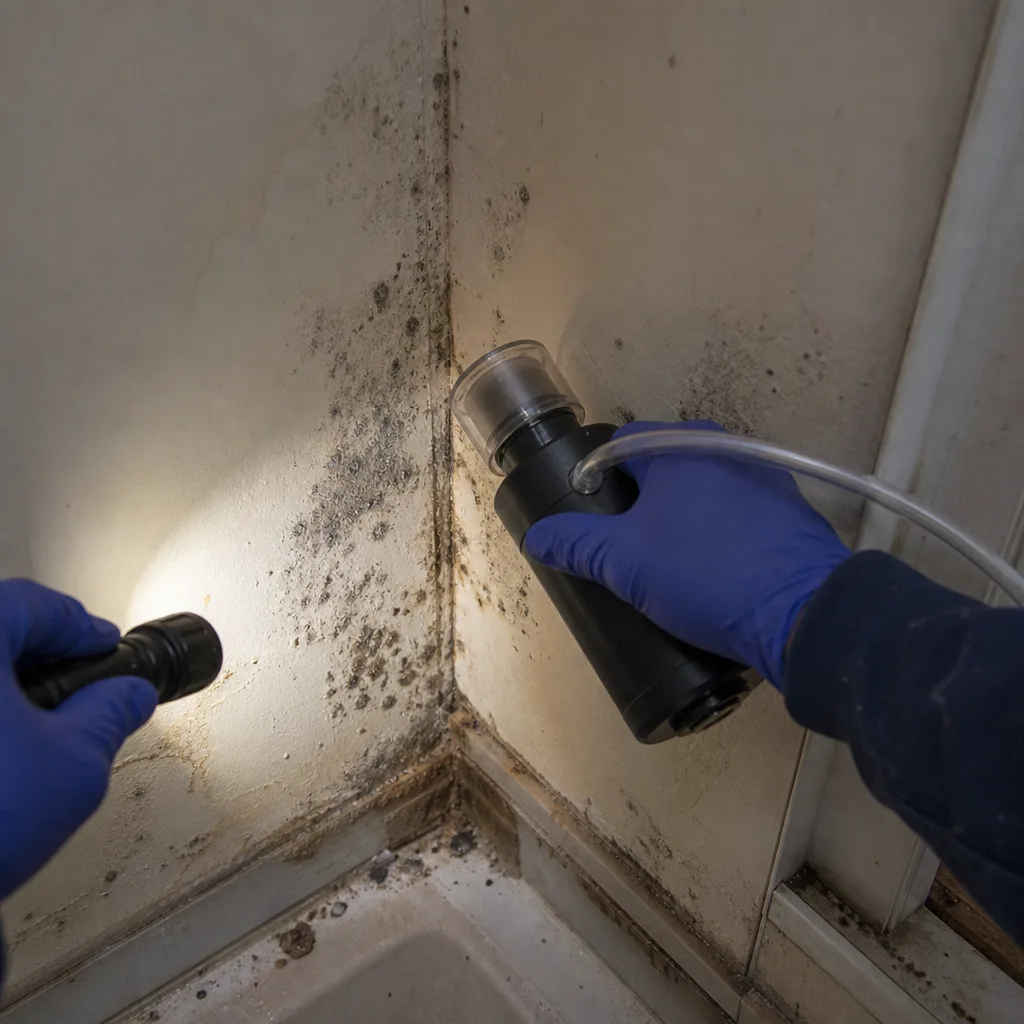
Permits are not bureaucratic friction - they’re the legal record that protects your property’s title, your insurance coverage, and your ability to sell without disclosure complications. In Long Beach, the specific triggers are knowable: 200 square feet of drywall, any load-bearing modification, electrical exposure, HVAC duct work, and the 100 square foot mold threshold. The contractors who treat these requirements as optional are transferring decades of liability to you for a few hundred dollars in permit fees. The documentation that permits generate - inspection sign-offs, code compliance verification, third-party validation - is the same documentation that converts restoration invoices into paid insurance claims. That’s why we built DryMark Restoration Long Beach around written scopes, photo records, and explicit permit identification in every estimate. Explore more guides & resources on protecting your property and navigating claims. The alternative is the Belmont Heights homeowner’s story: unpermitted work, denied warranty, and the slow discovery that “restoration doesn’t need permits” was the most expensive sentence they ever believed.
Written by Alicia Brennan, Owner at DryMark Restoration Long Beach, serving Long Beach since 2011.