
Last updated September 23, 2026
Free visual inspection and a written scope of work before any mitigation begins - photos, moisture readings, and drying logs go in your claim file
The scope we write is the scope we bill. Anything new gets shown to you, in writing, before we touch it.
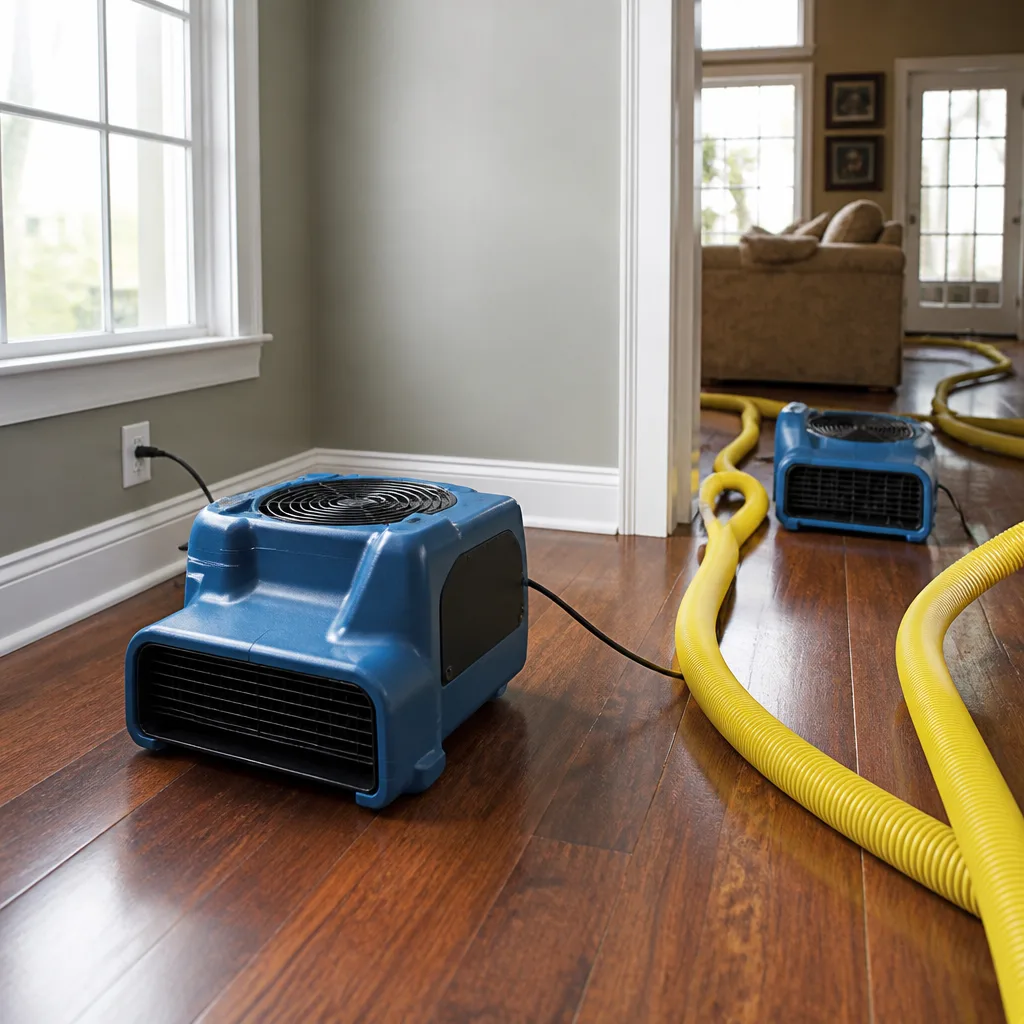

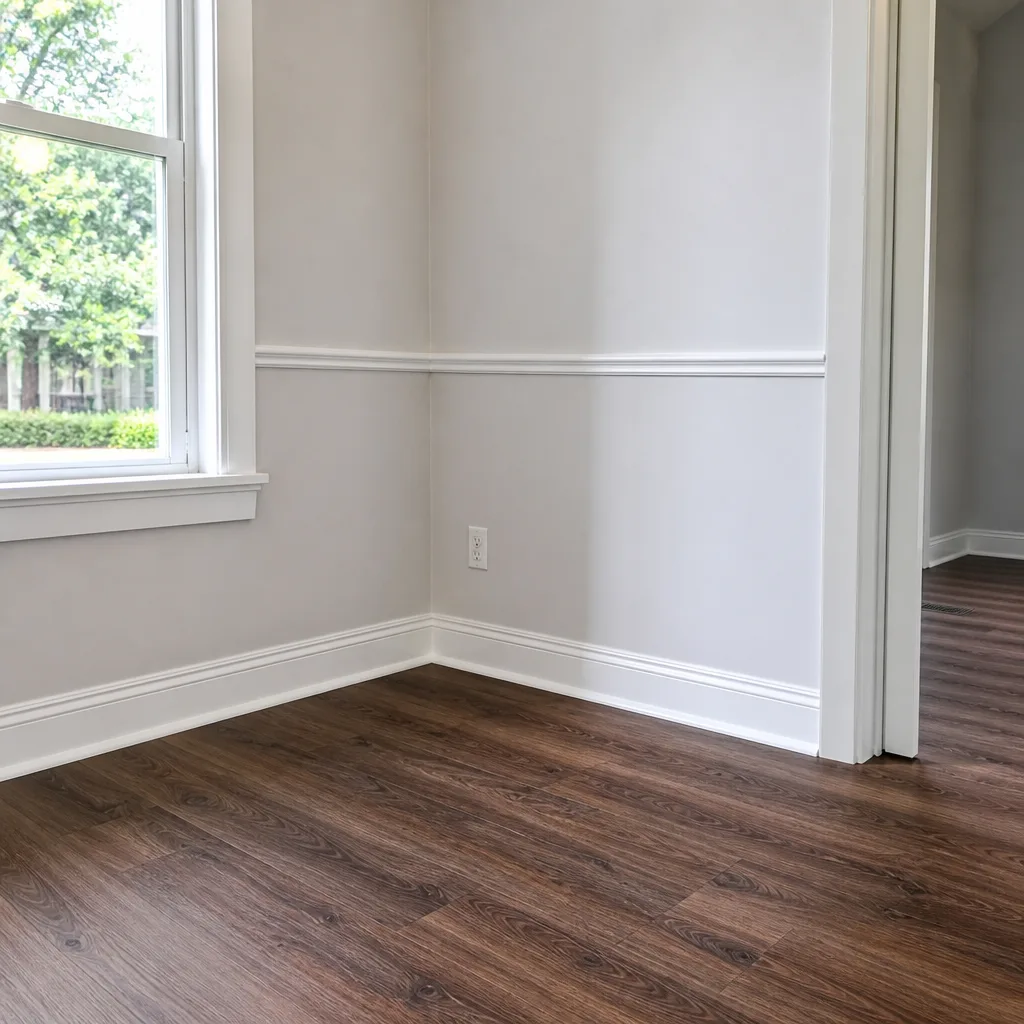

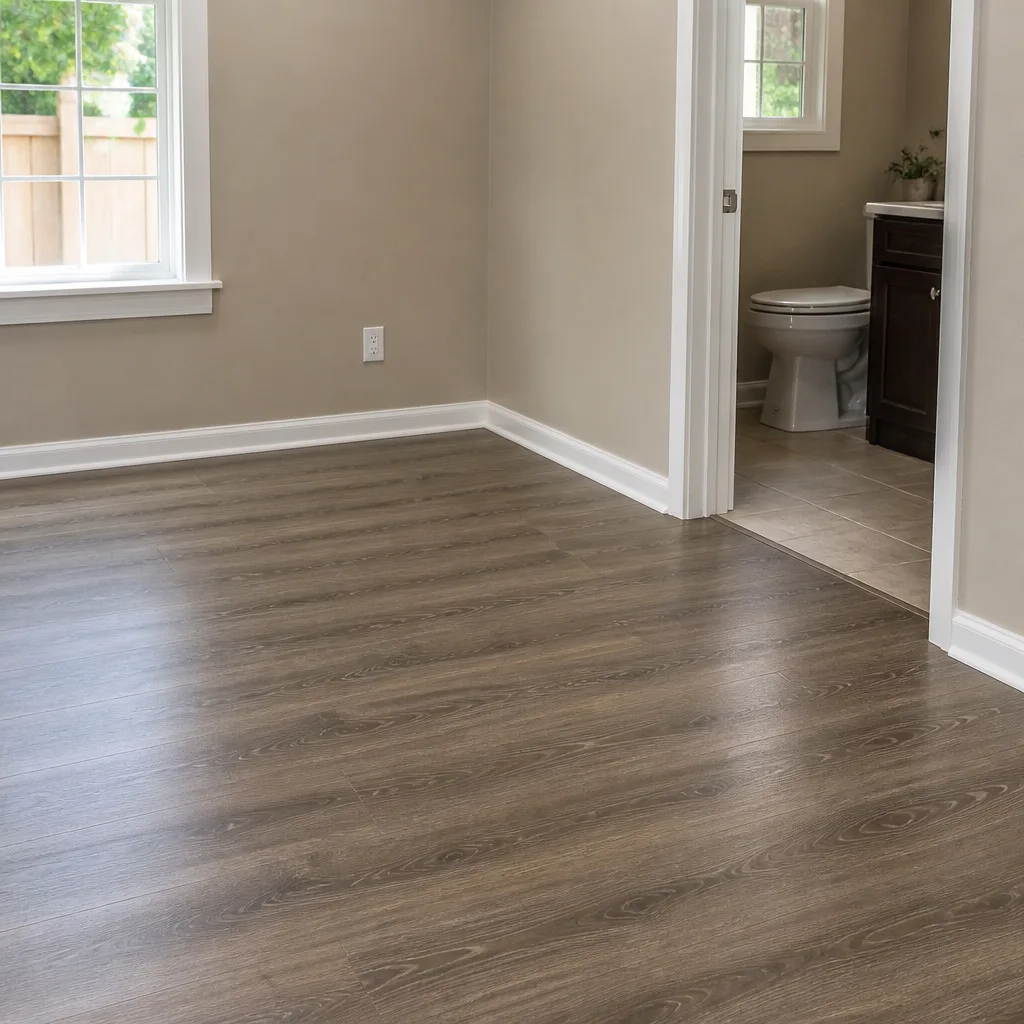

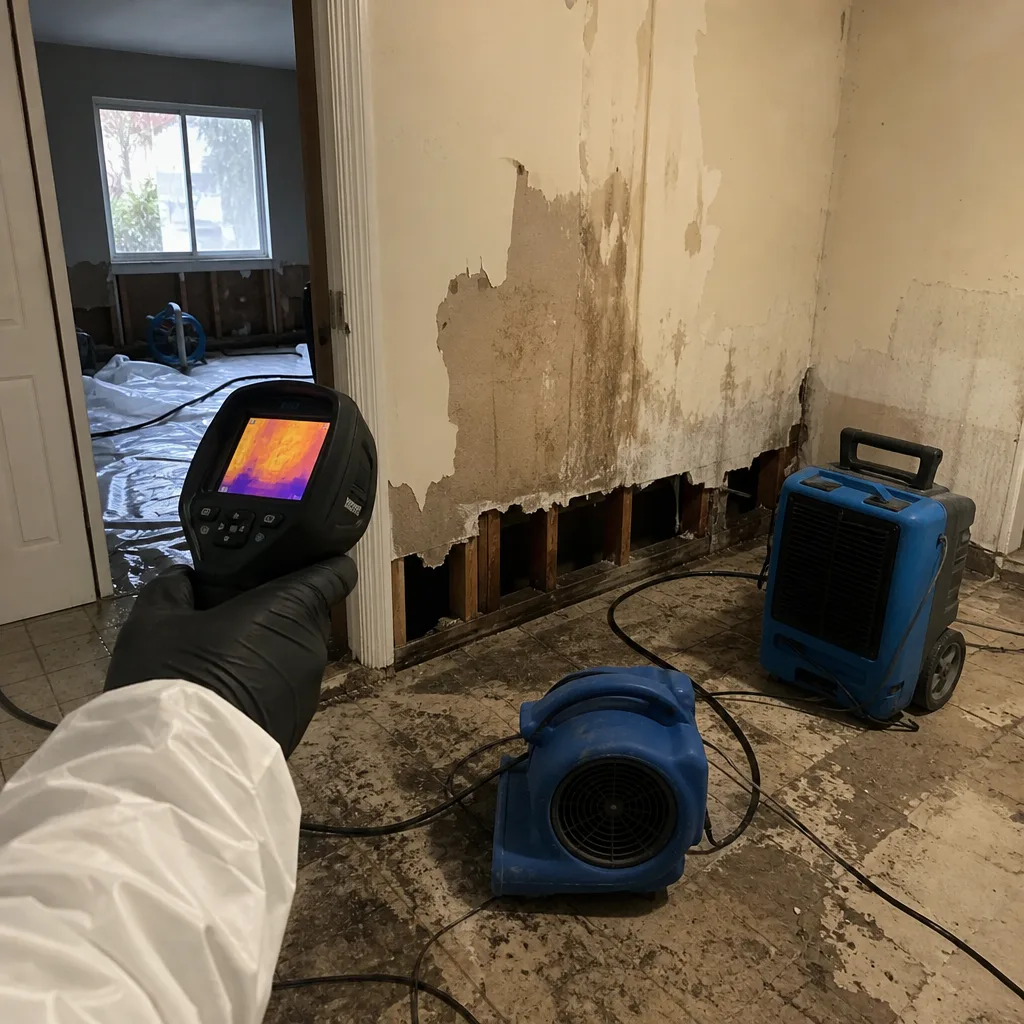 Before
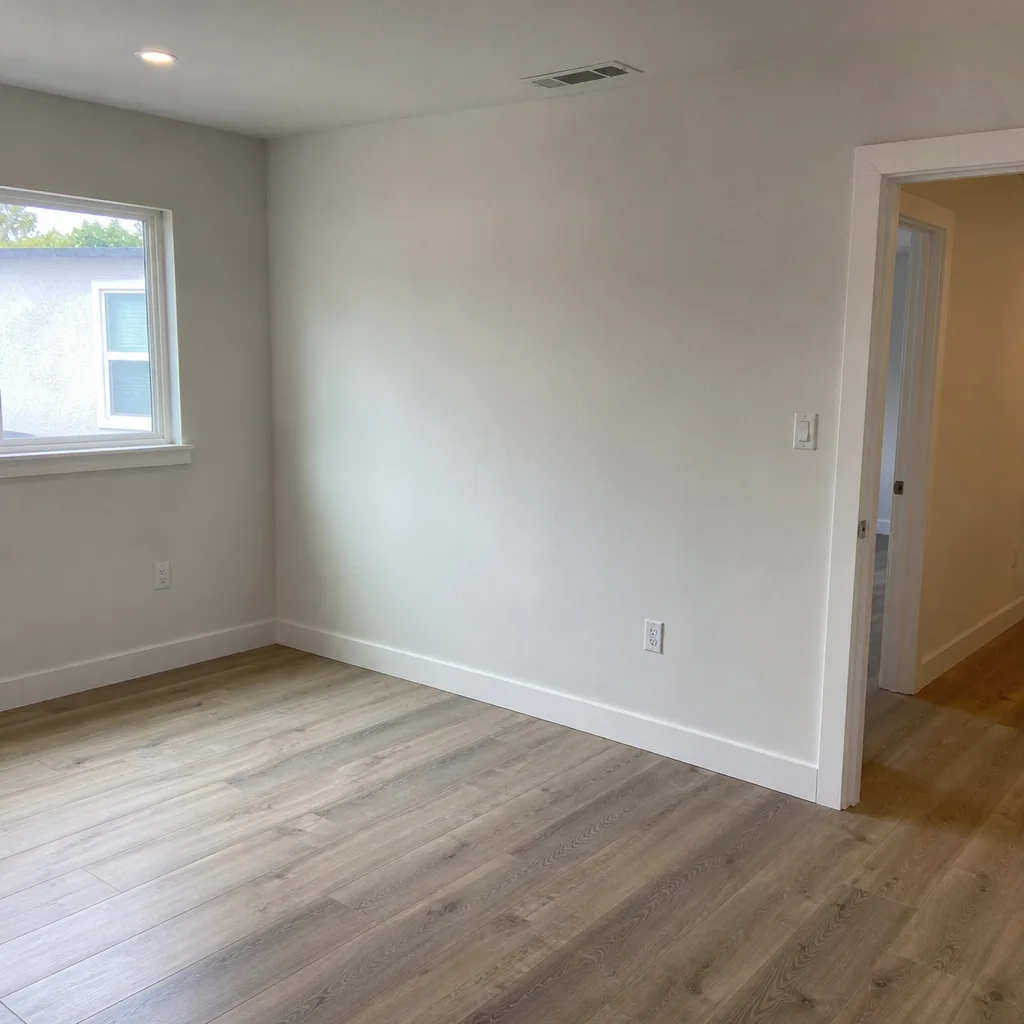 After
After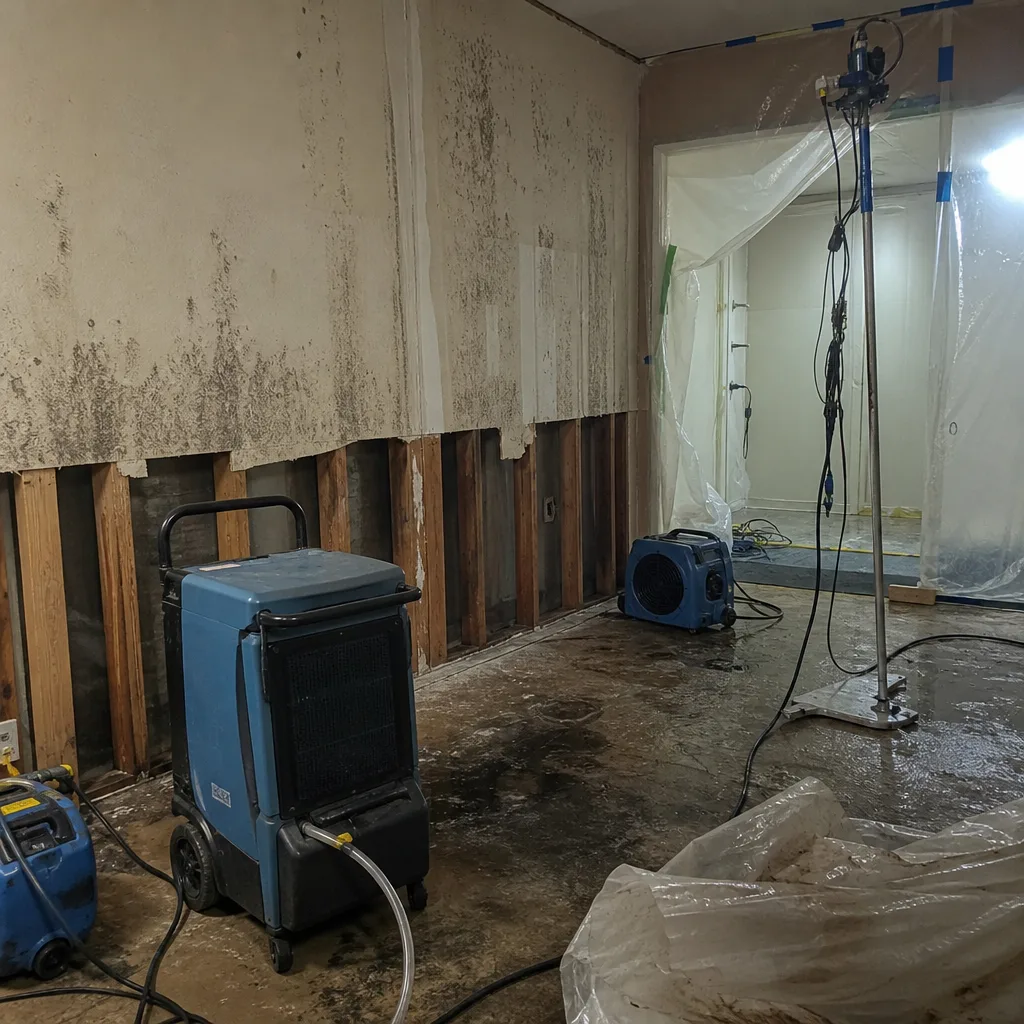 Before
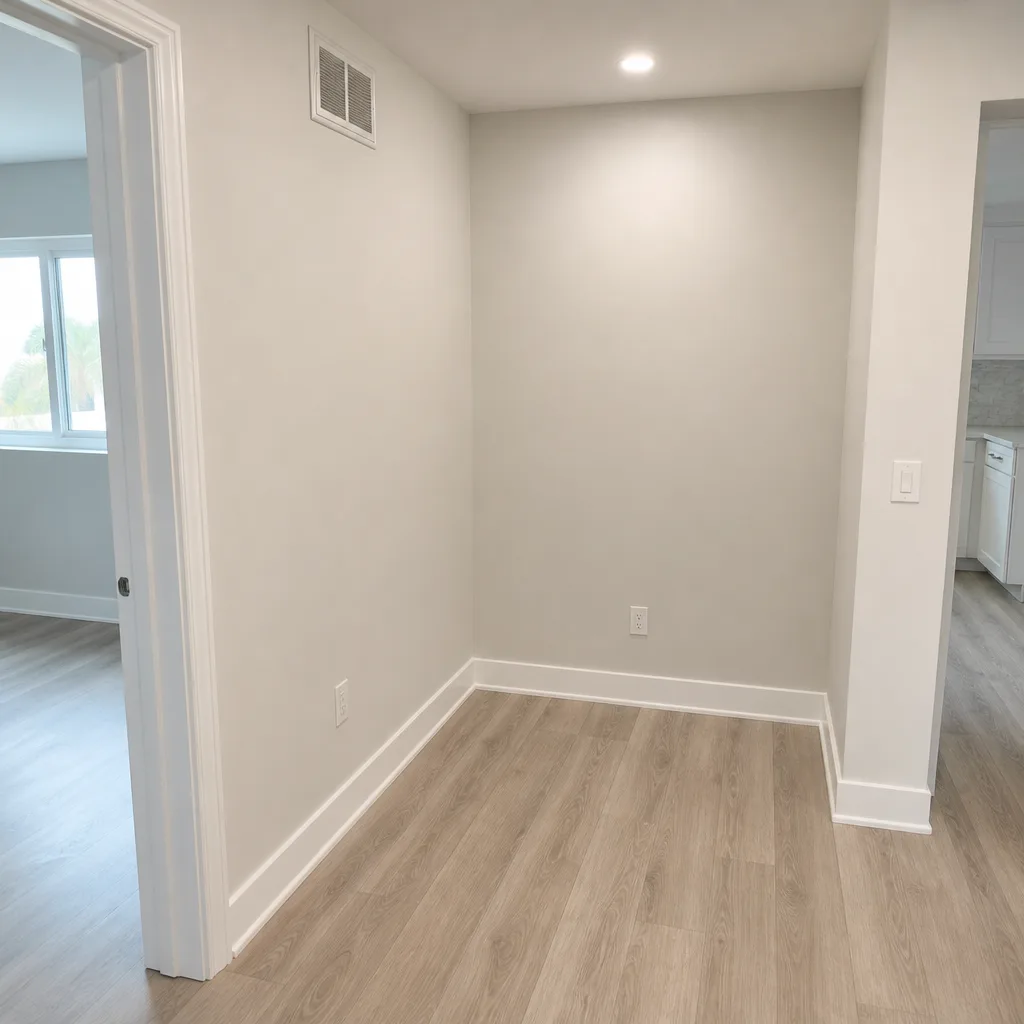 After
After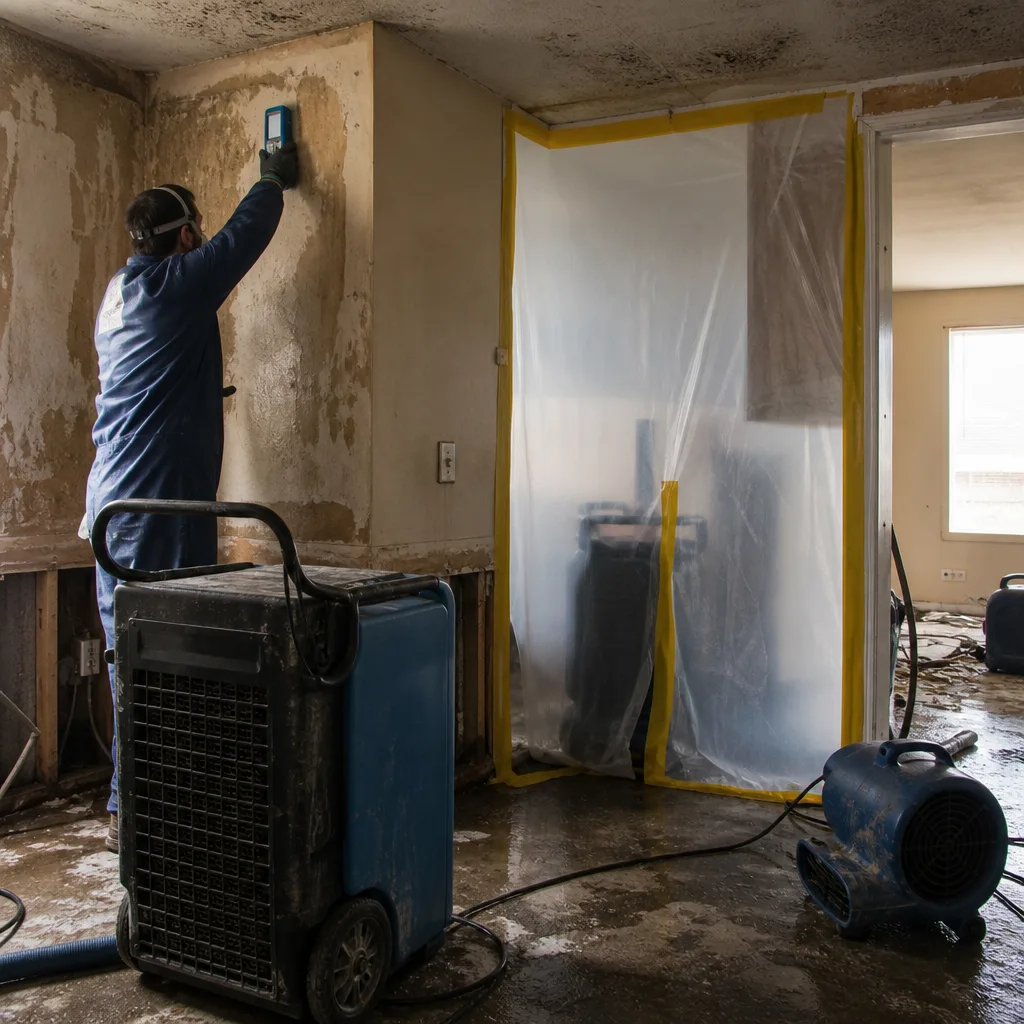 Before
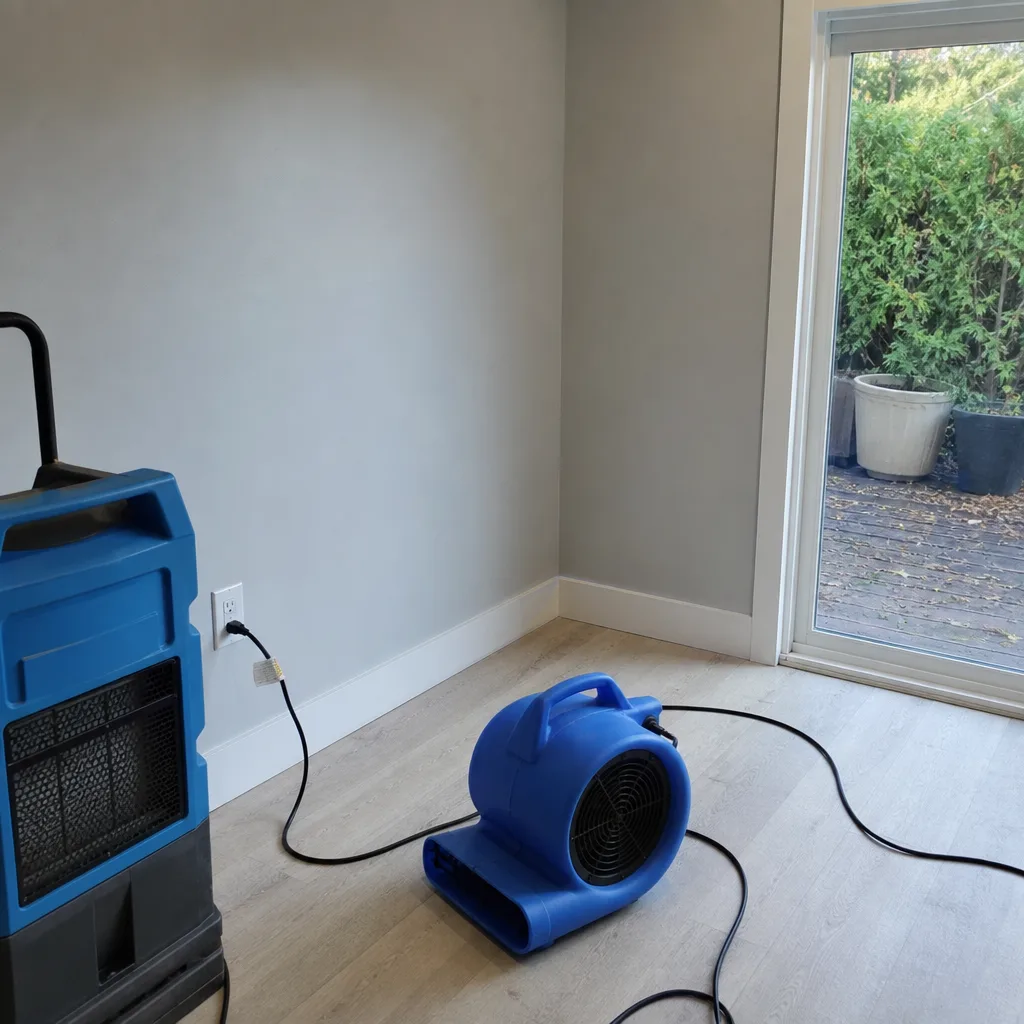 After
AfterDamage Restoration Warning Signs: A Long Beach Homeowner’s Reference Guide
By the time a water stain appears on drywall, moisture has typically been present in the wall cavity for 48-72 hours - long enough for secondary mold amplification to begin in Long Beach’s coastal humidity conditions. Most warning sign guides tell you what to look for after the damage is already visible. This guide does the opposite. We’ll show you the measurable precursors that appear before anything looks wrong: the moisture readings, vapor pressure differentials, and material conditions you can detect and document while intervention is still cheap. You’ll learn how to use a $35 pinless moisture meter, distinguish three types of wall discoloration that indicate completely different water sources, and build a timestamped record that protects your claim if conditions progress. Long Beach’s aging housing stock - galvanized supply lines in pre-1970 homes, flat-roof drainage failures, and cast-iron drain lines - creates predictable failure patterns. Recognizing them early is a skill, not luck.
Quick Answer
Homeowners in Long Beach should watch for three measurable thresholds that precede visible damage: drywall moisture content above 17%MC, subfloor readings above 19%MC, and ambient relative humidity sustained above 60%. These conditions, detectable with consumer-grade meters, indicate water intrusion 24-72 hours before stains appear. Document readings with photos and timestamps; if values climb, you have evidence to support an insurance claim and a clear signal to call a restoration professional before secondary mold growth begins. See our step-by-step guide to hiring a damage restoration contractor in Long Beach so you’re prepared before an emergency.
Table of Contents
- The Measurable Thresholds That Precede Visible Damage
- Three Wall Conditions, Three Different Water Sources
- Long Beach’s Aging Infrastructure: Predictable Failure Points
- What Musty Odors Actually Tell You About Microbial Activity
- How to Document a Warning Sign Properly
- Room-by-Room Warning Sign Checklist
- Common Mistakes to Avoid
- When to Call a Professional
- Frequently Asked Questions
 Before
 After
AfterThe Measurable Thresholds That Precede Visible Damage
Visible water damage is the end of a process, not the beginning. In our experience restoring over 12,000 homes since 2011, the homeowners who minimize both cost and disruption are the ones who catch the precursor conditions. These conditions are numerical, not subjective. You can measure them.
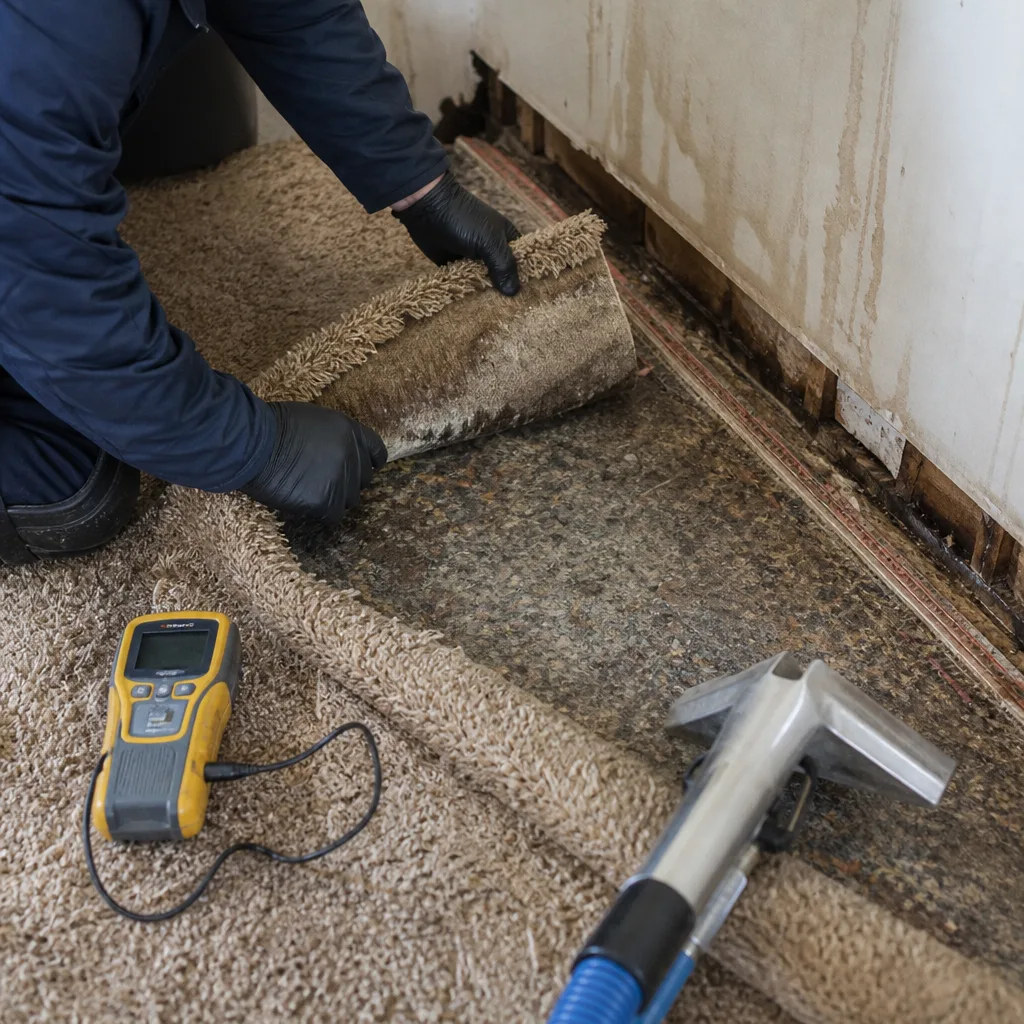
Drywall moisture content above 17%MC indicates that the gypsum core has absorbed enough water to compromise its structural integrity and support mold growth. At 20%MC, paper facing begins to delaminate. At 25%MC, you’re likely seeing visible staining. A pinless moisture meter pressed against an interior wall should read 8-12%MC in normal conditions. We use professional meters calibrated to wood-scale equivalents, but a consumer-grade pinless meter from a hardware store in Long Beach will detect the elevation if you establish a baseline on a known-dry wall first.
Subfloor readings above 19%MC signal that water has penetrated the flooring assembly. This is especially critical in Long Beach’s older homes with original oak strip flooring over plywood subfloors. The oak may feel dry to the touch while the plywood beneath it reads 24%MC. Tertiary drying - the phase where moisture moves from subfloor to joist cavities - begins around this threshold. Without professional-grade drying systems like the Phoenix 200 Max or Injectidry hardwood floor drying panels, this hidden moisture will fuel mold in the crawl space or lower unit.
Ambient relative humidity sustained above 60% creates the vapor pressure differential that drives moisture into porous materials. Long Beach’s coastal location means outdoor RH regularly hits 75-85% during marine layer events. Indoor RH should not follow. If your hygrometer (a $15 tool) shows 62% RH in a bathroom, laundry room, or corner bedroom for more than 24 hours, you have a moisture source that ventilation isn’t handling. At 70% RH, dust mites proliferate. At 80% RH, mold spores germinate on nutrient surfaces within 48 hours.
These three thresholds work together. A bathroom with 65% RH, a vanity toe-kick reading 21%MC, and drywall behind the toilet at 18%MC doesn’t have “a little humidity.” It has an active leak, likely from the wax ring or supply line, that has been running long enough to saturate multiple material layers. The stain will appear in 36-72 hours. You can intervene now for the cost of a plumber and targeted drying, or wait and face water damage restoration in Long Beach that requires demolition, antimicrobial treatment, and reconstruction.
How to Take Your Own Readings
- Establish baselines on known-dry materials. Measure an interior wall in a central hallway, a closet floor, and a living room ceiling. Record these “dry standard” readings with the date, time, and location.
- Measure suspect areas from multiple angles. Moisture migrates unevenly. Take readings at 12-inch intervals vertically and horizontally. A single high reading near a window may indicate condensation; a vertical pattern of ascending readings indicates wicking from below.
- Compare to your baseline, not to the meter’s generic scale. Consumer meters display color-coded “moist,” “dry,” and “wet” zones based on wood moisture content. Drywall and subfloor read differently. If your baseline drywall is 10%MC and a bathroom wall reads 16%MC, that’s a 60% increase - significant even if the meter’s display still shows “dry.”
- Photograph the meter display with the wall location visible. Include a timestamp. This is your documentation foundation.
Three Wall Conditions, Three Different Water Sources
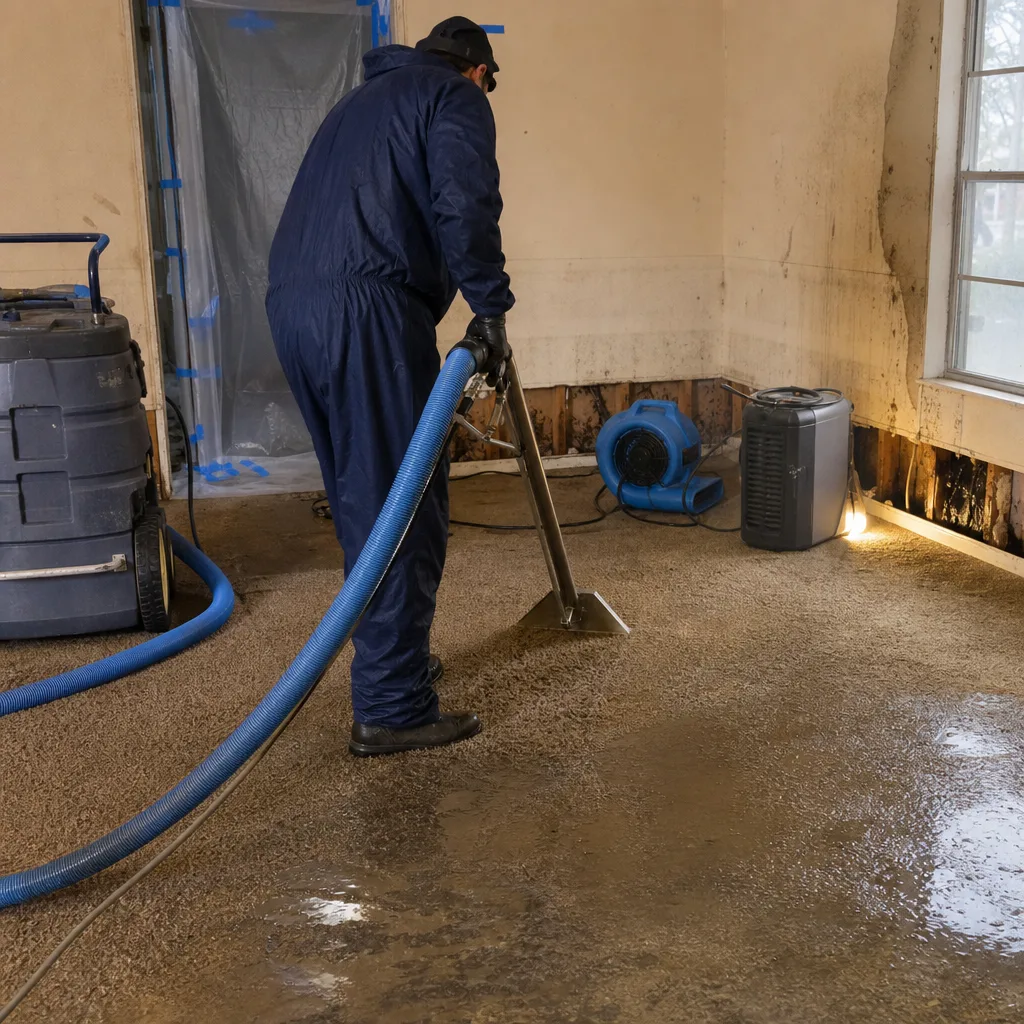
Not all wall discoloration indicates the same problem. Treating them as equivalent leads to misdiagnosed sources, incomplete repairs, and recurring damage. We’ve documented thousands of mold remediation jobs in Long Beach where the root cause was misidentified because a contractor saw “water damage” instead of a specific condition with a specific origin.
Efflorescence appears as a white, crystalline deposit on masonry, concrete, or grout. It’s not mold. It’s mineral salts left behind when water evaporates from within the material. In Long Beach, we see efflorescence frequently on slab-on-grade foundations, especially in Belmont Shore and Alamitos Heights where the water table is high and original construction predates modern vapor barriers. The water source is hydrostatic pressure or capillary rise from below. The intrusion timeline is chronic - months or years, not days. Efflorescence means water is moving through the material matrix continuously. The repair requires addressing the water source (drainage, grading, or vapor barrier installation), not just cleaning the surface.
Paint bubbling occurs when water accumulates between the paint film and the substrate, lifting the paint away. The bubbles may contain clear water, cloudy water, or nothing but vapor. The critical distinction is location. Bubbles on a ceiling below a bathroom or roof penetration indicate an active leak from above - supply line, drain, or roof assembly failure. Bubbles on a lower wall, especially near baseboards, indicate wicking from a floor-level source - slab moisture, leaking appliance, or exterior grade above the slab line. The intrusion timeline for paint bubbling is typically days to weeks. The paint film acts as a vapor barrier, trapping moisture and accelerating substrate damage.
Baseboard separation is the gap that develops between the bottom of baseboard trim and the wall surface. It indicates that the flooring material beneath has expanded from moisture uptake, pushing the baseboard outward. In wood or laminate flooring, this expansion can be dramatic - we’ve measured 3/8-inch expansion across a 12-foot wall in a Long Beach condo where a dishwasher supply line failed slowly. In carpeted areas, baseboard separation may indicate subfloor swelling that hasn’t yet affected the visible floor covering. The intrusion timeline is weeks to months. The source is almost always a slow leak or chronic condensation, not a sudden flood.
Each condition requires a different investigation protocol. Efflorescence demands a foundation and drainage assessment. Paint bubbling requires tracing the water path upward or outward from the bubble pattern. Baseboard separation necessitates moisture mapping of the flooring assembly, often with thermal imaging to identify the wettest path. A contractor who treats all three as “water damage” and applies the same repair will miss the source. The damage will return, and your insurer may decline the second claim as maintenance-related.
Long Beach’s Aging Infrastructure: Predictable Failure Points
Long Beach’s housing stock has distinct vintage patterns that create predictable plumbing and envelope failures. Understanding your home’s construction era helps you focus inspection efforts where failure is most likely.
Galvanized steel supply lines were standard in Long Beach construction through the late 1960s. These pipes corrode from the interior, reducing flow and eventually perforating. The failure mode is typically a pinhole leak in a horizontal run - often in a wall or ceiling cavity where it goes undetected for days. Warning signs include: reduced water pressure at fixtures (especially hot water, which accelerates corrosion), rust-colored water on first draw, and multiple pinhole repairs in the same line. If your home has original galvanized supply, we recommend annual inspection of accessible runs with a borescope camera. The replacement cost for a whole-house repipe is significant, but a single undetected pinhole leak can cause $15,000-$40,000 in structural damage and mold remediation if it runs for 72 hours in a wall cavity.
Cast-iron drain lines were used through the 1970s and are still present in many Long Beach homes, especially in the Bluff Park, Belmont Heights, and California Heights neighborhoods. Cast iron fails by scaling (interior corrosion that reduces diameter), cracking at joints, and bellied sections where soil settlement creates low points that collect solids. Warning signs include: slow drains that don’t respond to cleaning, gurgling toilets when fixtures elsewhere are used, and sewage odors from floor drains. A sewer camera inspection, typically $250-$450 from a Long Beach plumber, reveals the condition without excavation. Cast-iron failure is particularly damaging because the water is Category 3 (grossly contaminated), requiring DryMark Restoration Long Beach home protocol for sewage cleanup with full PPE, antimicrobial treatment, and regulated disposal.
Flat-roof drainage failures are endemic in Long Beach’s mid-century modern and commercial-residential mixed buildings, concentrated in the Downtown, East Village, and Zaferia areas. These roofs rely on internal drains or scuppers rather than pitched drainage. Failure modes include: drain screen blockage from debris, membrane separation at drain flashings, and structural deflection that creates ponding areas. Warning signs are subtle until they’re catastrophic: slight discoloration at ceiling penetrations (light fixtures, HVAC grilles), a “soft” feel to the roof membrane when walked during inspection, and standing water 48 hours after rain. We recommend bi-annual roof inspection by a qualified contractor, with photo documentation of membrane condition and drain flow tests.
These three systems - galvanized supply, cast-iron drain, and flat-roof drainage - account for a disproportionate share of the water damage claims we handle in Long Beach. They’re not mysterious. They fail in documented patterns at documented ages. The homeowners who avoid major losses are the ones who know their home’s vintage and inspect accordingly.
What Musty Odors Actually Tell You About Microbial Activity
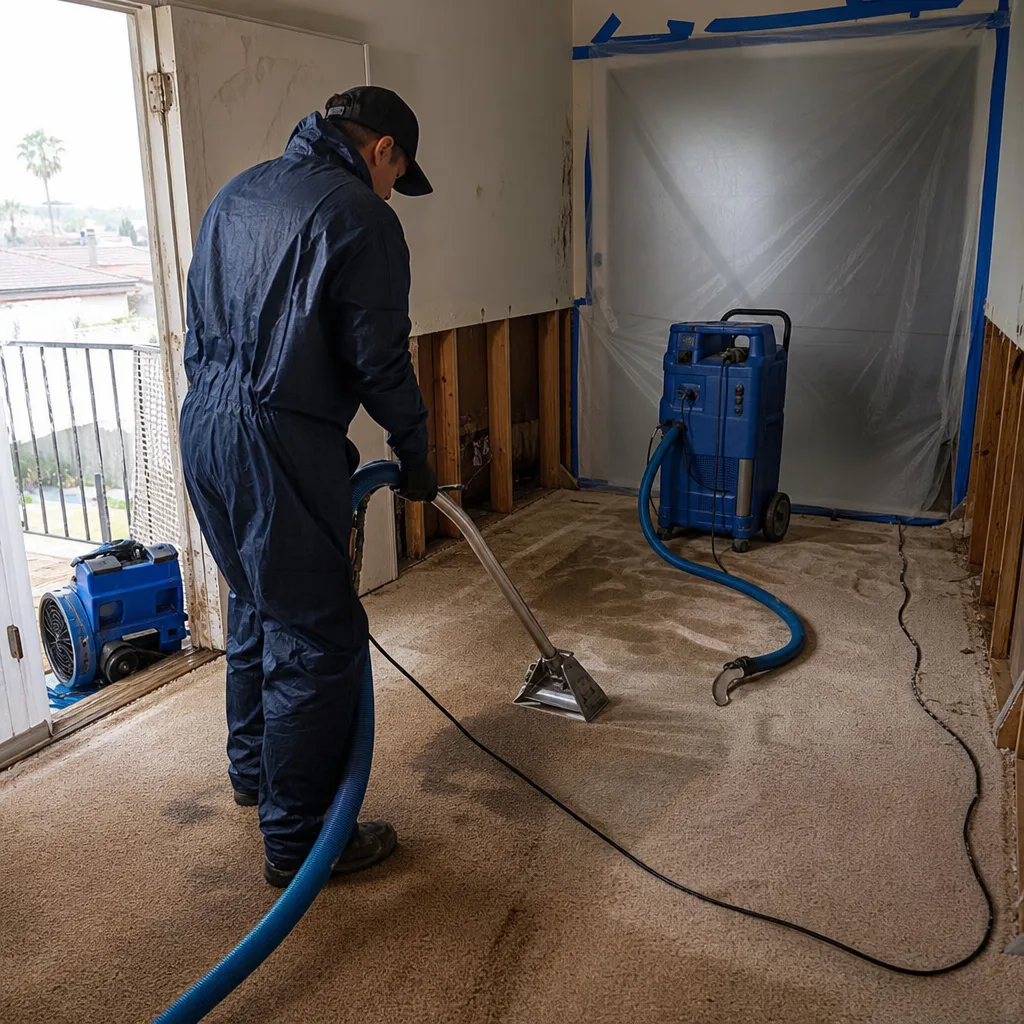
A musty odor is the most commonly reported warning sign, and the most commonly misinterpreted. Homeowners smell something, assume mold, and either panic unnecessarily or delay action because they can’t see anything. Both responses are wrong. The odor is information, but it’s incomplete information.
Musty odor is caused by microbial volatile organic compounds (MVOCs), the metabolic byproducts of mold and bacteria growing on wet organic material. Different species produce different MVOC profiles, but the characteristic “musty” smell typically indicates active growth, not dormant spores. This is important: dormant mold in a dry environment doesn’t produce MVOCs and doesn’t smell. The presence of odor means moisture is present and supporting metabolism.
However, odor alone cannot determine the extent of growth, the species involved, or the moisture source. We’ve inspected Long Beach homes where a strong musty odor originated from a 2-square-foot area of mold on a wet drywall corner, and others where a faint odor revealed extensive hidden growth in a flooded crawl space. The difference is in the vapor pressure differential and air pathways, not the odor intensity.
Here’s what odor can and cannot tell you:
- Odor indicates active microbial metabolism. Something is growing, and it’s growing now, not last season.
- Oodor intensity correlates poorly with growth extent. A small, warm, poorly ventilated space can concentrate MVOCs and smell worse than a large, cool, ventilated area with more total growth.
- Odor location indicates air pathway, not necessarily growth location. HVAC systems distribute MVOCs throughout a home. The smell in a bedroom may originate from mold in the return plenum.
- Odor cannot distinguish mold from bacterial growth. Both produce musty-smelling MVOCs. Sewage backups often smell “musty” before they smell like sewage, especially when the water has been absorbed into porous materials.
- Odor cannot determine if growth is visible or hidden. This requires moisture mapping and often invasive inspection.
In our protocol, odor triggers a structured investigation: moisture meter survey of all suspect areas, thermal imaging to identify temperature differentials that indicate evaporative cooling from wet surfaces, and if moisture is found, air sampling and surface sampling per IICRC S520 standards. The samples go to an independent laboratory; we don’t guess at species or quantity.
If you smell something musty in your Long Beach home, note the location, time of day, and whether HVAC operation affects intensity. Then measure. A moisture meter reading above 17%MC on nearby drywall, or ambient RH above 60%, confirms that the odor is a symptom of a moisture problem that requires professional assessment. Without those readings, you’re operating on speculation - and speculation doesn’t support an insurance claim or guide an effective repair.
How to Document a Warning Sign Properly
Documentation is the difference between a covered claim and a denied one. We’ve reviewed thousands of insurance files, and the pattern is consistent: homeowners who documented conditions early, with timestamps and measurements, received full coverage. Those who waited for visible damage and then described it from memory faced disputes over causation, duration, and scope.
The Haven Standard requires that we document every job with a photo record on every visit, a written drying log with daily moisture readings, and a written scope before work begins. You can apply the same discipline to your initial observation, creating a baseline record that supports your position if conditions progress.
What to Photograph
- The overall context. Stand back far enough to show the room layout, the affected wall or floor area in context, and any adjacent spaces. This prevents disputes about whether a stain was “just a small spot” or part of a larger pattern.
- The specific condition. Close enough to show texture, color, and extent. Use a ruler or coin for scale. Photograph efflorescence, paint bubbling, baseboard separation, or discoloration from multiple angles.
- The moisture meter display. Position the meter so the reading and the material being tested are both visible. Include your hand or a dated object to confirm the photo wasn’t reused.
- The surrounding area. Show what’s above, below, and beside the affected area. A stain on a ceiling is more concerning if the photo also shows the bathroom directly above it.
- Any potential source. Photograph fixtures, appliances, roof penetrations, or grade conditions that could be the water origin. Even if you’re not certain, document the possibility.
What to Measure and Record
- Moisture content readings at multiple points, with material type noted (drywall, subfloor, hardwood, tile grout)
- Ambient temperature and relative humidity in the affected room and a known-dry reference room
- Dimensions of the affected area in square feet or linear feet
- Odor intensity on a 1-10 scale, with location and HVAC status noted
- Any changes since last observation: spread, darkening, new bubbling, increased odor
What to Write Down
Create a simple log entry: date, time, weather conditions (outdoor temperature, recent rain), your observations, your measurements, and any actions taken (turned off water to appliance, opened window, called plumber). Email this log to yourself or store it in cloud storage with automatic timestamp. If you later file a claim, this contemporaneous record carries more weight than a recalled narrative.
We’ve used homeowner documentation in Long Beach claims to establish that a leak began before a policy renewal date, that a slow leak was reported to the insurer within the required timeframe, and that a contractor’s inadequate drying left moisture that caused subsequent mold growth. The documentation doesn’t need to be elaborate. It needs to be timely, specific, and consistent.
Room-by-Room Warning Sign Checklist
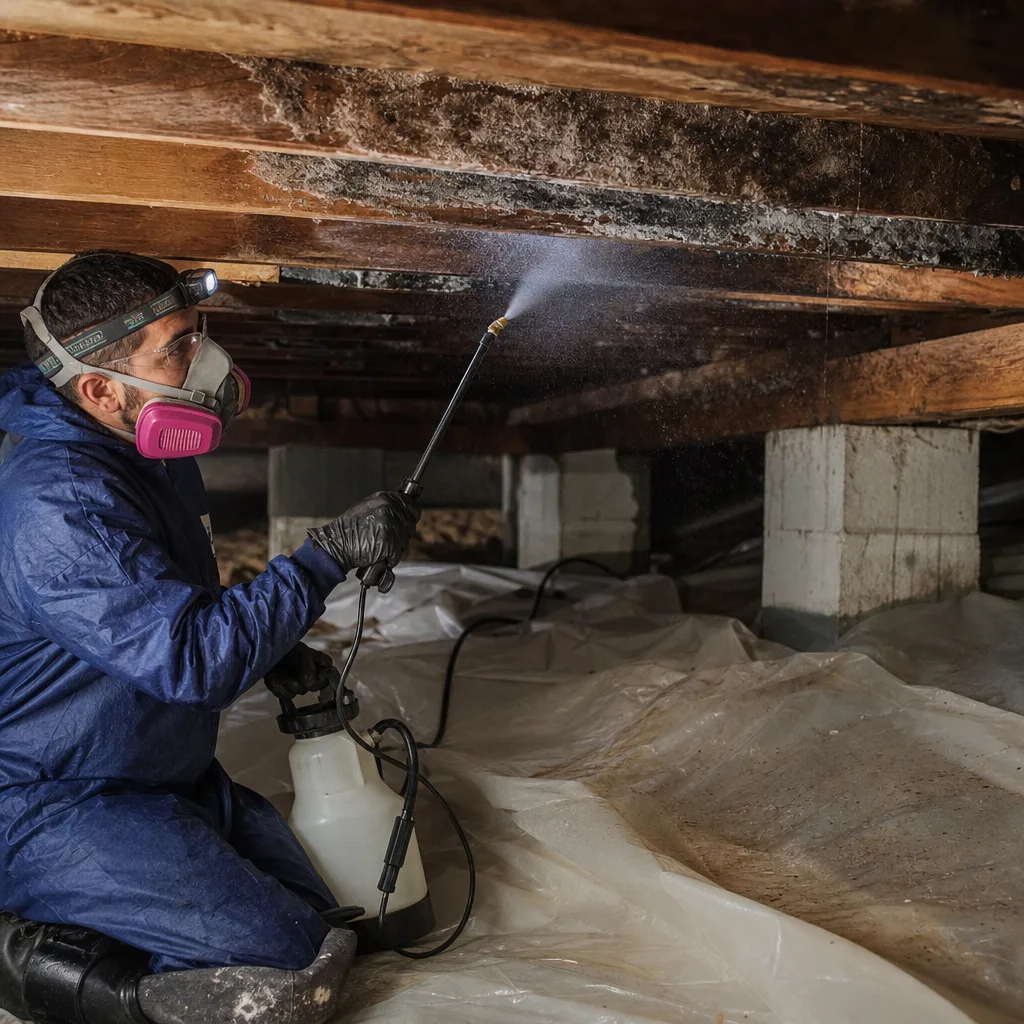
Different rooms have different risk profiles based on their plumbing, ventilation, and exposure. Use this checklist quarterly, or after any event that could introduce moisture (heavy rain, appliance installation, plumbing repair). For a complete maintenance schedule, see our Seasonal Damage Restoration Care for Long Beach.
Kitchen
- Check under-sink cabinet floor with moisture meter - supply line leaks often run along the cabinet base before becoming visible
- Inspect dishwasher front panel for warping or discoloration, indicating leak from door seal or tub
- Run dishwasher and listen for drain pump operation; gurgling or slow drain may indicate line blockage
- Check refrigerator water line connection at valve and at refrigerator; plastic saddle valves are common failure points
- Measure RH near range hood; should be below 60% during normal cooking with ventilation on
Bathroom
- Check toilet base for movement or caulking separation; rock indicates wax ring failure
- Inspect tub/shower surround corners and grout for cracking or discoloration
- Measure vanity toe-kick and adjacent drywall moisture; slow supply line leaks accumulate here
- Run exhaust fan and verify it moves air (tissue test at grille); inadequate ventilation is the primary cause of bathroom mold in Long Beach’s humid climate
- Check ceiling below upstairs bathrooms for any discoloration, even faint
Laundry Room
- Inspect washing machine supply hoses for blistering, cracking, or corrosion at fittings; replace rubber hoses with braided steel every 5 years
- Check floor drain for proper flow and trap seal; dry traps allow sewer gas entry
- Measure dryer exhaust airflow at exterior vent; restricted airflow increases humidity in the room
- Inspect wall behind washer for moisture if machine has been moved recently
Basement or Crawl Space
- Measure ambient RH; should be below 60% year-round; above 70% requires dehumidification
- Inspect foundation walls for efflorescence, especially after rain
- Check sump pump operation by lifting float; verify discharge line is clear
- Look for wood discoloration or white fungal growth on joists and subfloor
- Sniff for musty odor upon entry; note intensity and whether it dissipates with ventilation
Attic
- Inspect roof sheathing for dark staining or delamination, especially near penetrations
- Verify bathroom and kitchen exhaust vents terminate at exterior, not into attic space
- Check insulation for compression or discoloration, indicating past wetting
- Measure sheathing moisture content; should match outdoor equilibrium, typically 10-14%MC in Long Beach
- Look for daylight through roof fasteners or around chimneys; any penetration is a potential leak path
Exterior
- Check grade slope away from foundation; should drop 6 inches in 10 feet minimum
- Inspect downspout discharge; should extend 6 feet from foundation or connect to drainage system
- Look for stucco cracking or separation at windows, especially on south and west exposures where thermal cycling is greatest
- Verify flat roof drains are clear and strainers intact; test flow with hose if safe to access
- Check hose bibs and irrigation backflow preventers for leakage or freeze damage
Common Mistakes to Avoid
- Waiting for visible stains before acting. By the time drywall discolors, mold amplification has often begun in the cavity. Measure first, trust your meter over your eyes.
- Using bleach on mold. Bleach doesn’t penetrate porous materials and can add moisture that worsens growth. It also destroys the pigment without killing the hyphae, creating a false sense of resolution.
- Assuming new construction is immune. We’ve handled major water losses in Long Beach homes built after 2010. Installation errors, material defects, and design flaws occur in all vintages.
- Ignoring seasonal patterns. Long Beach’s marine layer season (May-July) drives elevated humidity that masks slow leaks. A leak that produces no visible symptoms in dry weather may become apparent only when ambient RH is high. Check year-round, not just after rain.
- Documenting only the damage, not the conditions. Photos of a water stain prove the stain existed. Photos of a moisture meter reading, with timestamp, prove when the elevated moisture was detectable - critical for establishing causation and coverage timing.
- Hiring based on speed alone for mitigation. Same-day response matters for active water intrusion, but the contractor who arrives fastest isn’t necessarily the one who documents properly. Ask about their drying log protocol, photo documentation, and whether they provide a written scope before work begins. Haven Standard, Clause 1 exists because we’ve seen too many homeowners sign blank authorizations in panic.
- Neglecting the HVAC system as a moisture pathway. A clogged condensate drain, improperly sized unit, or leaking duct in an unconditioned space can distribute moisture throughout a home. The warning sign appears in multiple rooms simultaneously, which homeowners often misread as multiple independent problems.
When to Call a Professional
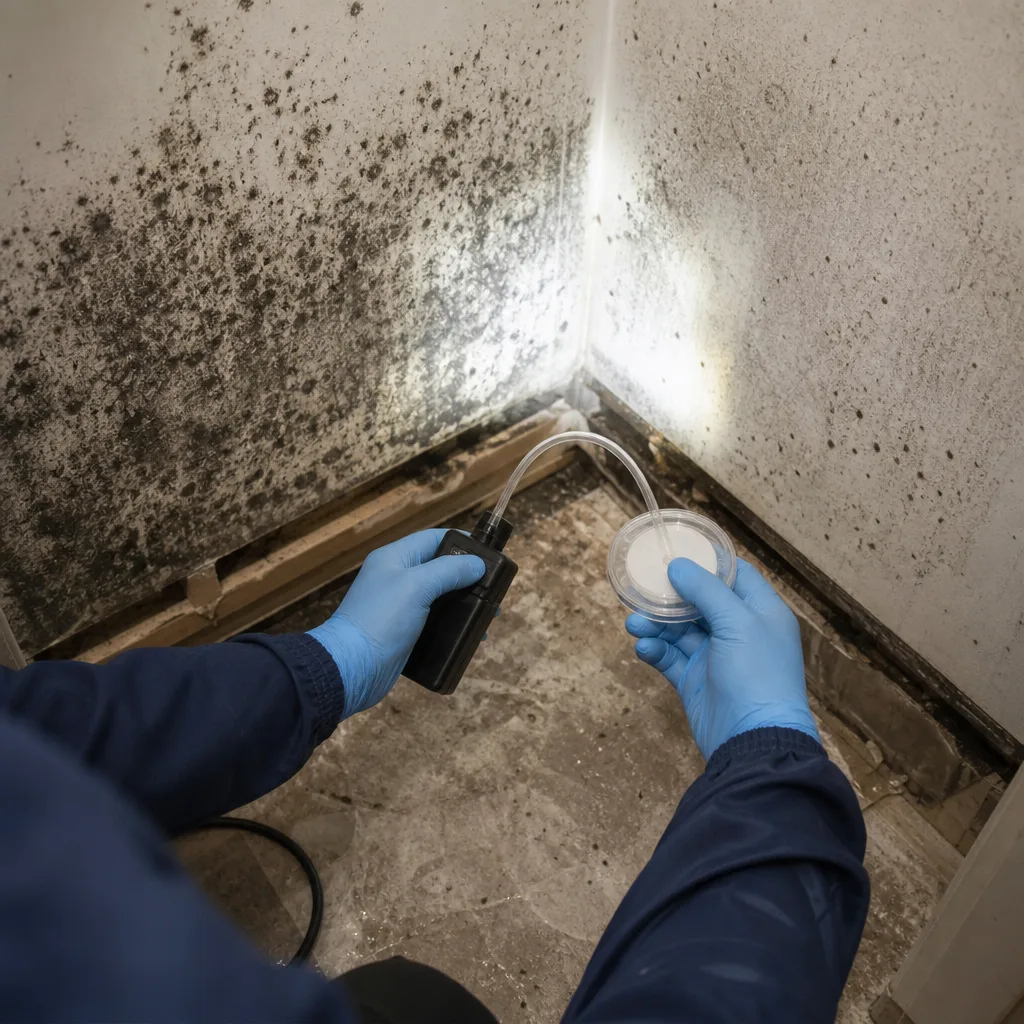
Call a restoration professional when moisture readings exceed the thresholds we’ve discussed, when you detect musty odor with corresponding elevated humidity, when you observe any Category 3 water (sewage, groundwater, or backup from drain lines), or when the water source is unclear and you need diagnostic help. Don’t wait for visible damage to justify the call - the documentation-first approach protects you either way.
Fire and smoke damage requires immediate professional assessment due to the complexity of odor removal and corrosive residue. Storm damage with structural compromise should be stabilized before interior assessment. In all cases, the contractor you choose should provide a written scope and price before work begins, with photo documentation as a standard deliverable.
DryMark Restoration Long Beach offers free estimates in Long Beach. Our live phone coverage is available 24 hours a day, 7 days a week with no voicemail on emergency lines. Every job is quoted in writing before work begins, documented with a photo record on every visit, and covered by the 365-Day Done Right Promise. Call (424) 373-5092.
Frequently Asked Questions
A professional moisture inspection with thermal imaging, meter survey, and written report typically ranges from $150-$350 in the Long Beach market. DryMark Restoration Long Beach provides free estimates that include initial moisture detection; if we find active damage requiring mitigation, the inspection cost is applied to the project scope. Call (424) 373-5092 to schedule - estimates are free.
Coverage depends on whether the damage was “sudden and accidental” versus the result of long-term neglect. Documenting warning signs with dated photos and moisture readings actually strengthens your position, because it establishes when the condition began and that you were monitoring it responsibly. Insurance typically denies claims where homeowners knew of a problem for weeks or months and took no action. The key is contemporaneous documentation, not perfect timing. If you’re unsure about your policy language, we offer a Free Second Opinion on any written estimate or denial letter.
For active water intrusion, DryMark Restoration Long Beach maintains live phone coverage 24 hours a day, 7 days a week with no voicemail, and dispatches background-checked, uniformed technicians with documented license and insurance verification. Response time varies by current call volume and your location within our service area, but we prioritize active leaks and Category 3 water to prevent secondary damage. For non-emergency assessments, we typically schedule within 24-48 hours. Call (424) 373-5092 for current availability - estimates are free.
Visible mold on a hard, non-porous surface (tile, glass, metal) can often be cleaned by a homeowner with proper PPE and an antimicrobial product. However, if the mold growth covers more than 10 square feet, is on porous material (drywall, insulation, carpet), or is accompanied by a musty odor and elevated moisture readings, professional assessment is warranted. The visible growth is rarely the full extent. We’ve found hidden amplification behind walls in Long Beach homes where the visible patch was less than 5% of total growth. Professional remediation includes moisture source elimination, containment to prevent spore dispersal, and documented clearance testing. Call (424) 373-5092 for an assessment - estimates are free.
At DryMark Restoration Long Beach, we coordinate directly with your adjuster as part of our standard service. Our documentation - daily drying logs with psychrometric data, photo records on every visit, and written scopes with line-item pricing - is formatted specifically for claims review. We don’t ask homeowners to translate technical findings to their insurer. The Haven Standard requires that our documentation turn restoration invoices into payable claims without dispute. If your adjuster has questions, we answer them with the evidence we’ve already collected. This direct coordination is included in every project, never billed as an add-on.
Consumer-grade dehumidifiers and fans move air and remove some moisture, but they lack the capacity, precision, and monitoring capability of professional systems. Our XPOWER and B-Air air movers are engineered to produce laminar airflow across wet surfaces at velocities that maximize evaporation without damaging materials. Our Phoenix LGR (low-grain refrigerant) dehumidifiers achieve specific humidity levels that consumer units cannot reach, critical for tertiary drying of dense materials like hardwood and plaster. Most importantly, professional drying is monitored with daily psychrometric readings - temperature, relative humidity, and vapor pressure - that tell us when materials have reached their dry standard, not just when the air feels dry. Unmonitored drying almost always leaves residual moisture that causes problems months later.
The Bottom Line
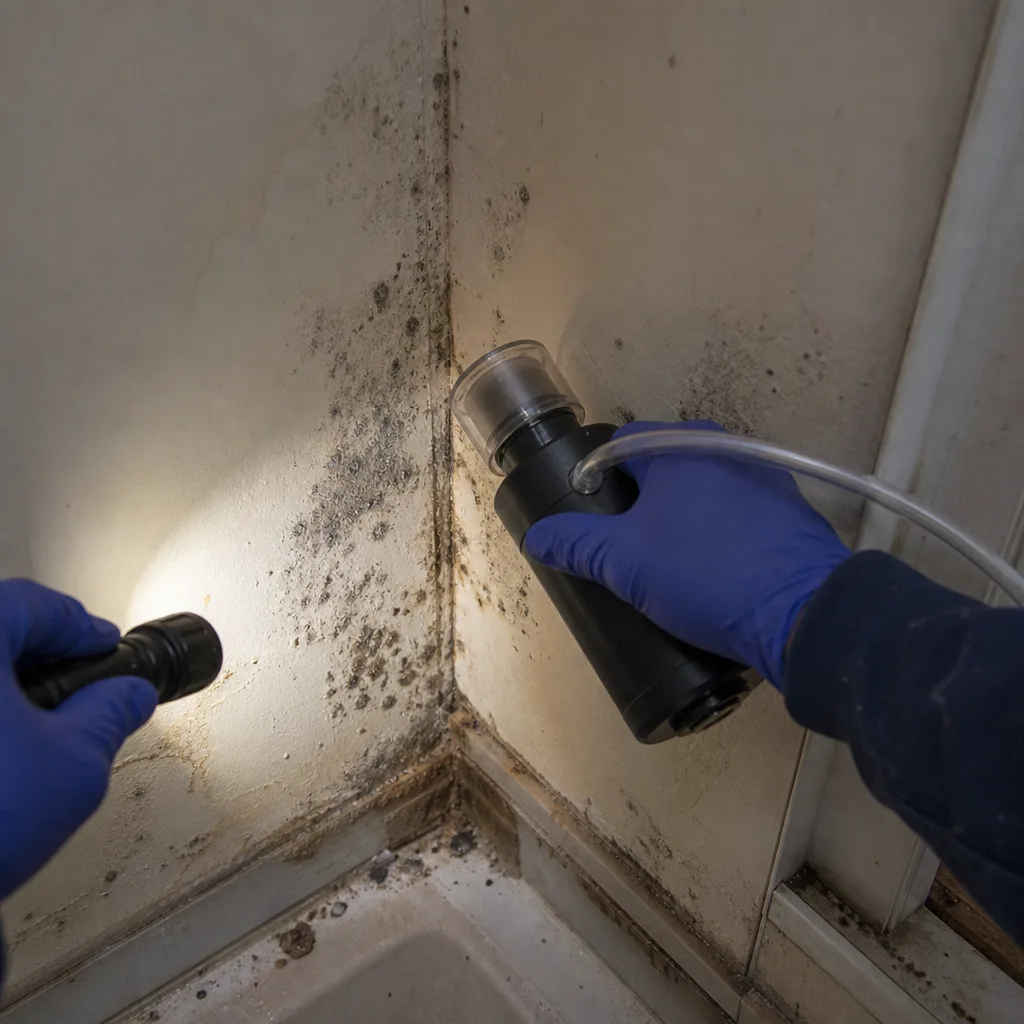
Water damage, mold growth, and structural deterioration don’t begin with visible stains. They begin with measurable conditions - elevated moisture content, sustained humidity, vapor pressure differentials - that a homeowner with basic tools can detect 24-72 hours before anything looks wrong. The key is knowing the thresholds, taking systematic readings, and documenting what you find with timestamps and photos. Long Beach’s coastal climate and aging infrastructure create specific risk patterns: galvanized supply lines in pre-1970 homes, cast-iron drains, flat-roof drainage, and marine-layer humidity that amplifies any moisture problem. Recognizing the three distinct wall conditions - efflorescence, paint bubbling, baseboard separation - prevents misdiagnosed sources and recurring damage. When conditions exceed safe thresholds or the source is unclear, professional assessment with documented findings protects your property value and your insurance position. The cost of early detection is a moisture meter and disciplined observation. The cost of delayed response is demolition, reconstruction, and disputed claims.
Written by Alicia Brennan, Owner at DryMark Restoration Long Beach, serving Long Beach since 2011.