
Last updated September 23, 2026
Free visual inspection and a written scope of work before any mitigation begins - photos, moisture readings, and drying logs go in your claim file
The scope we write is the scope we bill. Anything new gets shown to you, in writing, before we touch it.
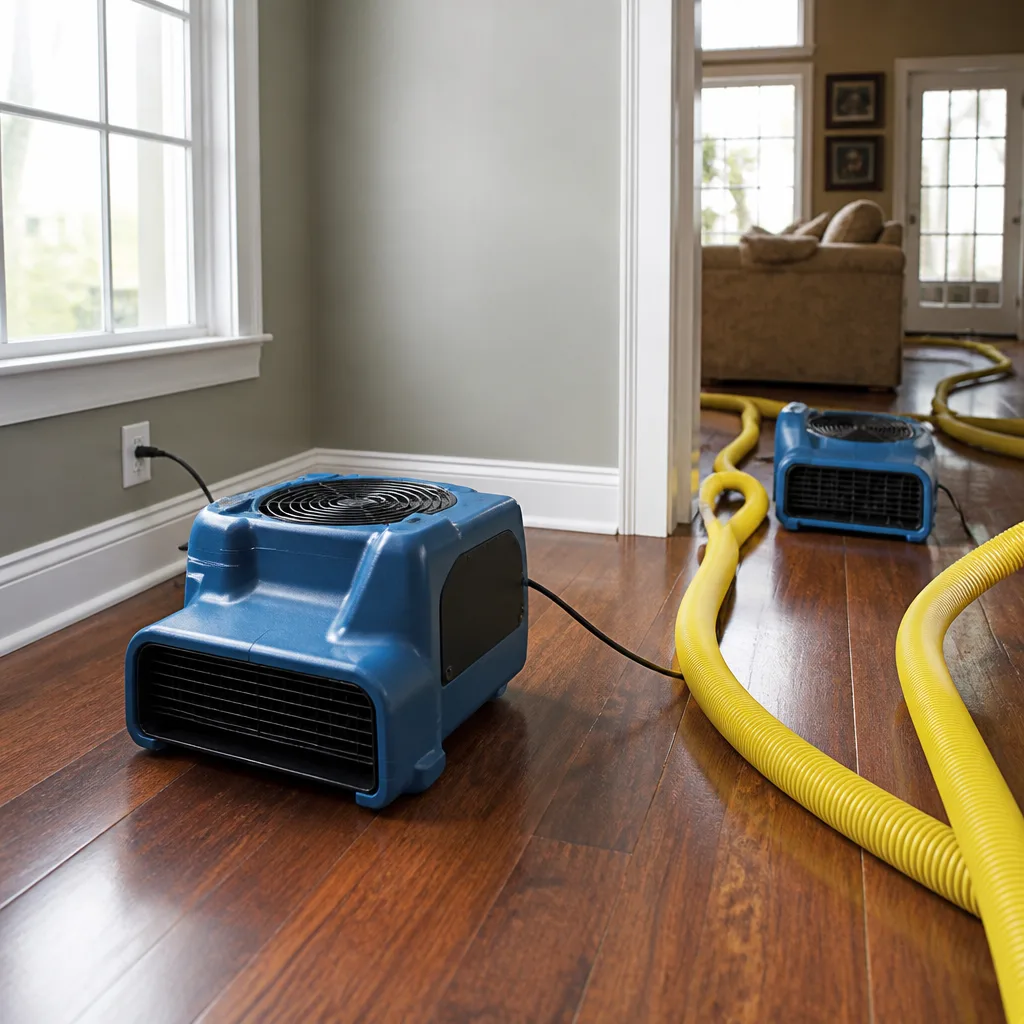
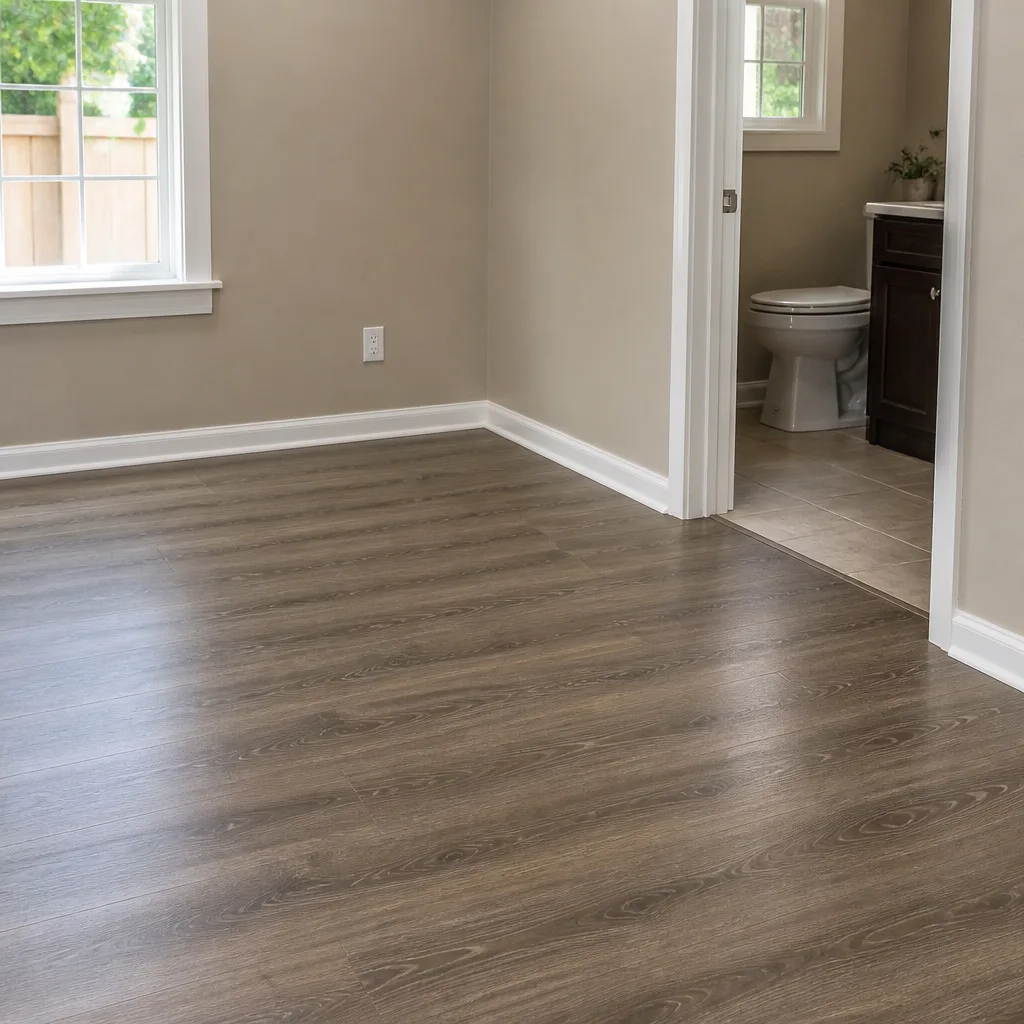
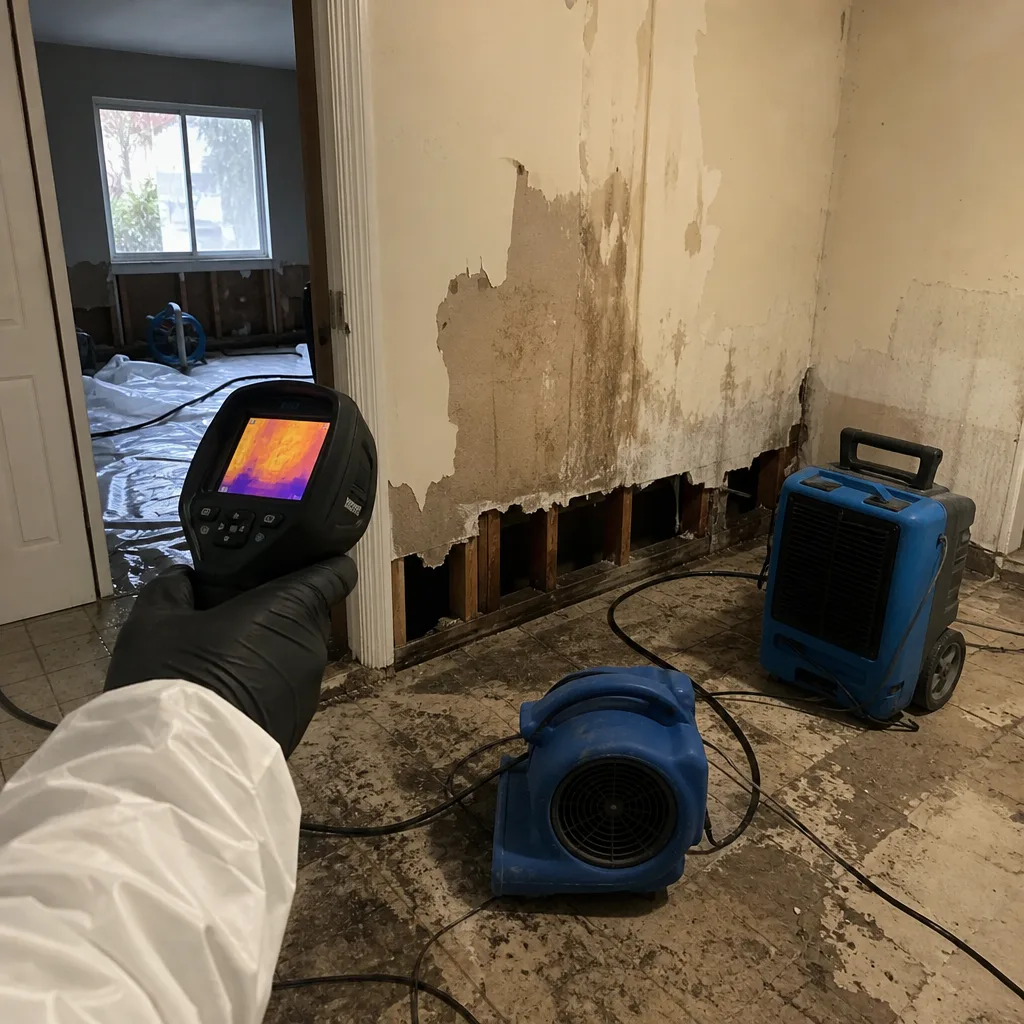 Before
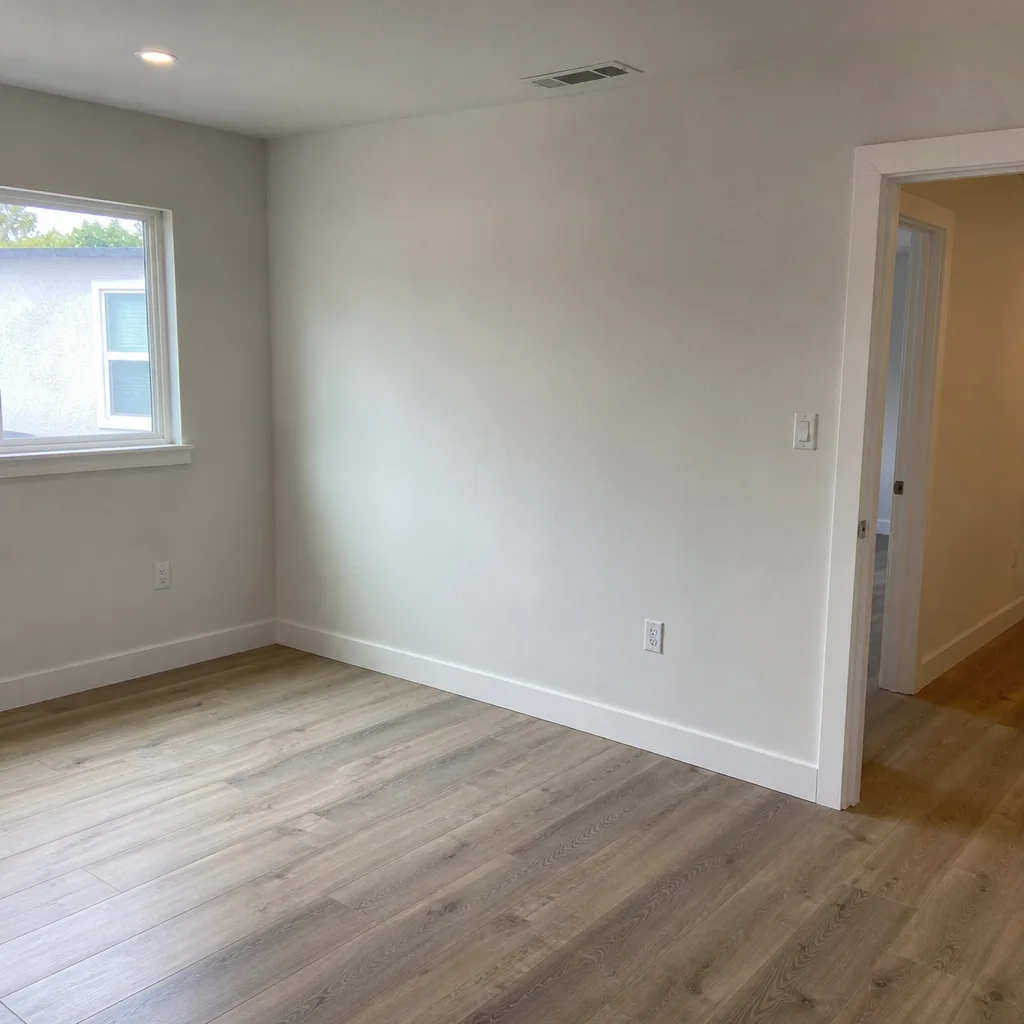 After
After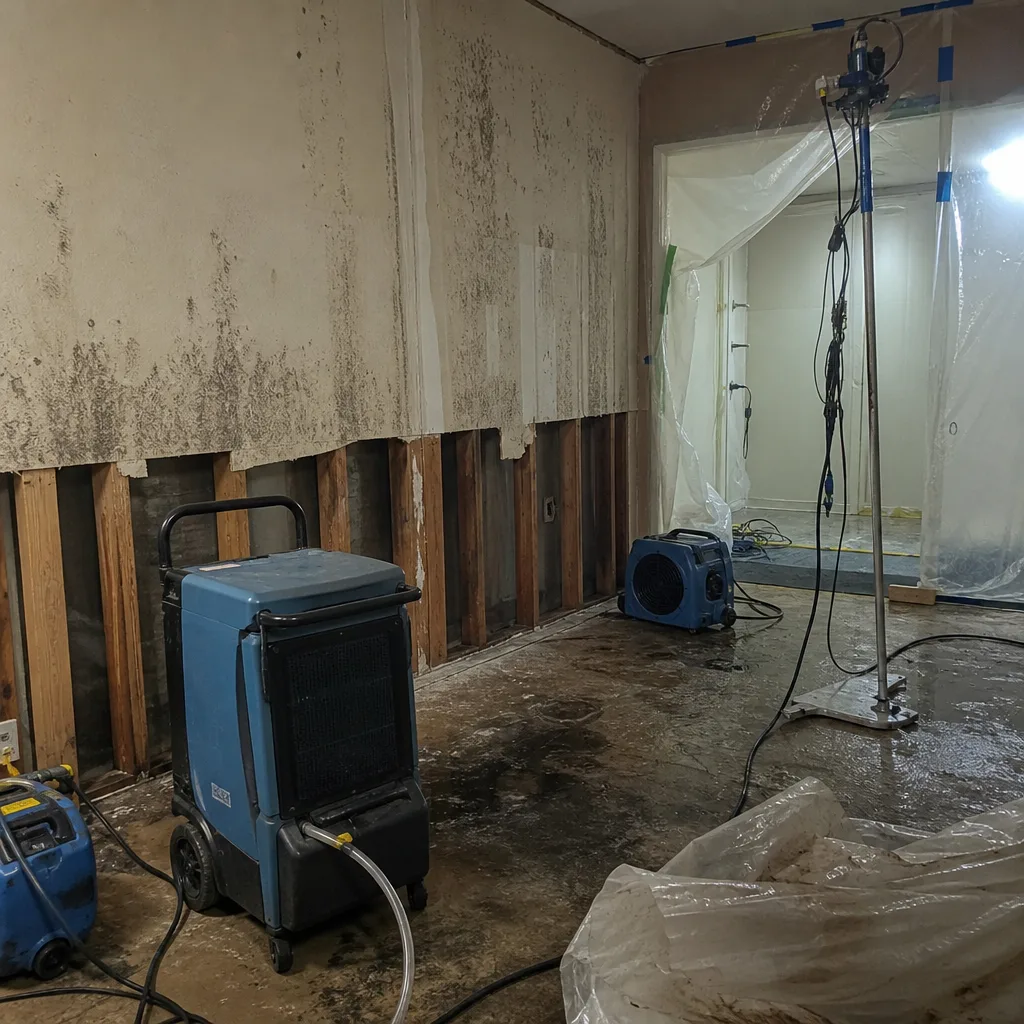 Before
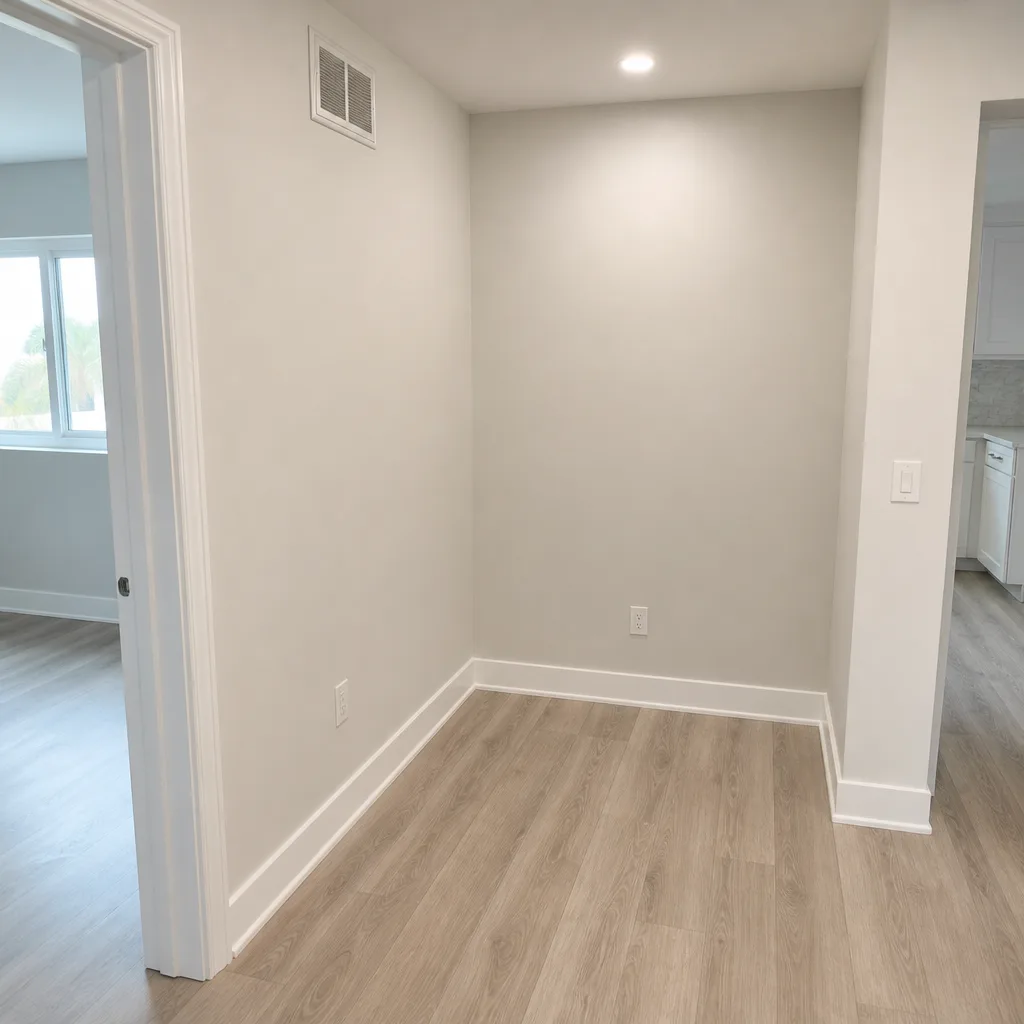 After
After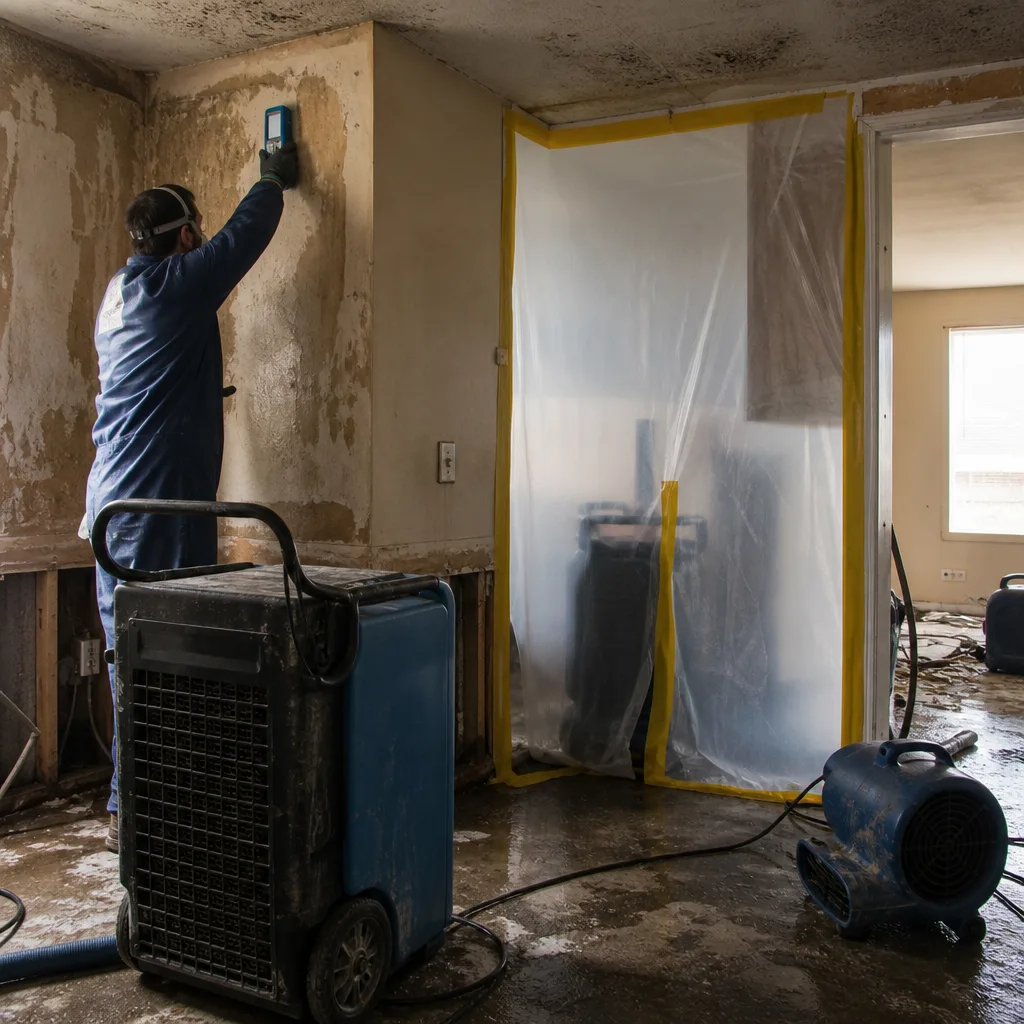 Before
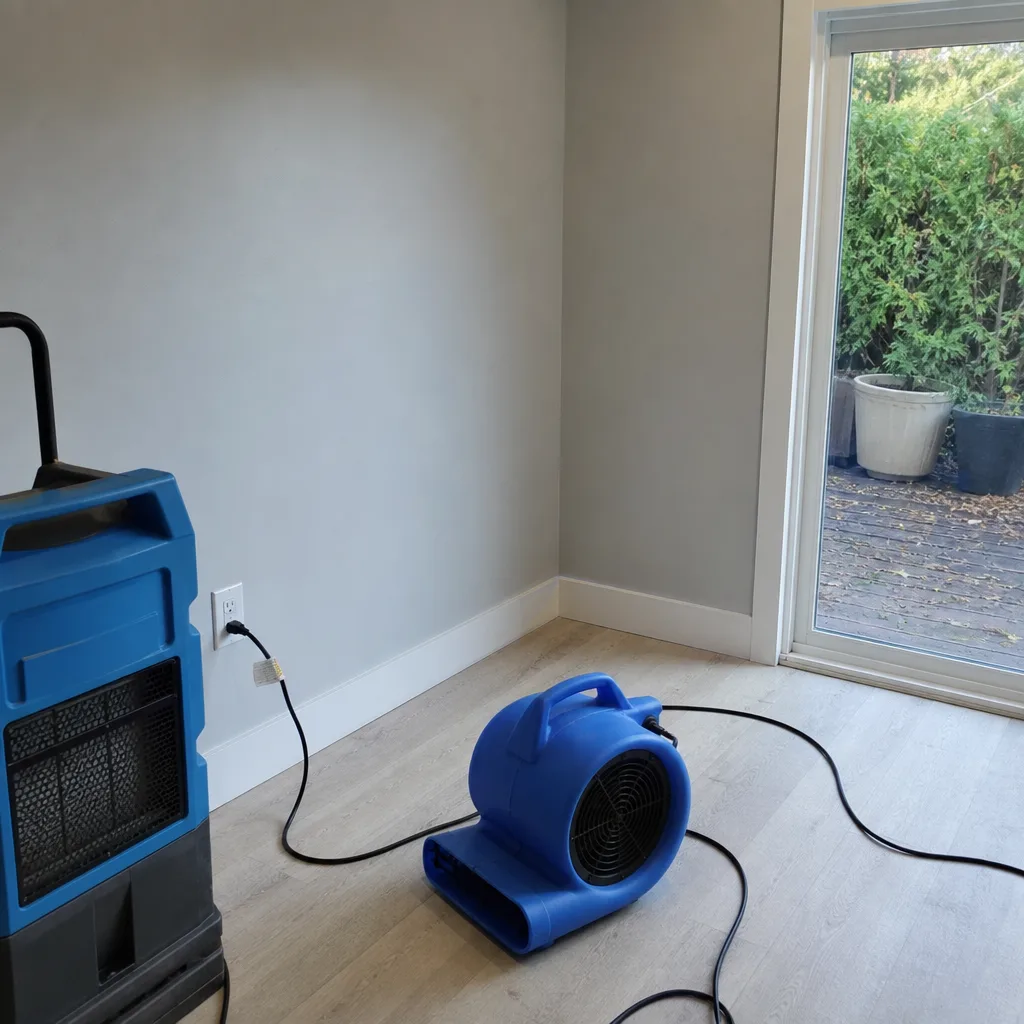 After
AfterDIY vs Professional Damage Restoration: The Long Beach Homeowner’s Decision Guide
A homeowner in Belmont Shore extracts standing water with a shop vac, runs a box fan for three days, and calls it mitigation. Six months later, mold appears behind the baseboards. Their insurer denies the secondary damage claim, arguing the self-performed work lacked documented moisture readings and was therefore insufficient under the policy’s duty-to-mitigate clause. This scenario plays out more often than most Long Beach homeowners realize. In this guide, we’ll show you exactly when DIY restoration protects your property and your coverage, when it exposes you to liability, and how to document either path so your insurer can’t dispute the record. For more guidance on hiring professional help, see our related resources.
Quick Answer
DIY damage restoration is viable only for small Category 1 water losses under 10 square feet with surface-only damage that can be dried within 48 hours using measurable equipment. For everything else, including any Category 2 or 3 water, fire or smoke damage, mold over 10 square feet, or losses affecting wall cavities or subfloors, professional documentation is required to satisfy your insurer’s duty-to-mitigate standard and prevent coverage denial for secondary damage.
Table of Contents
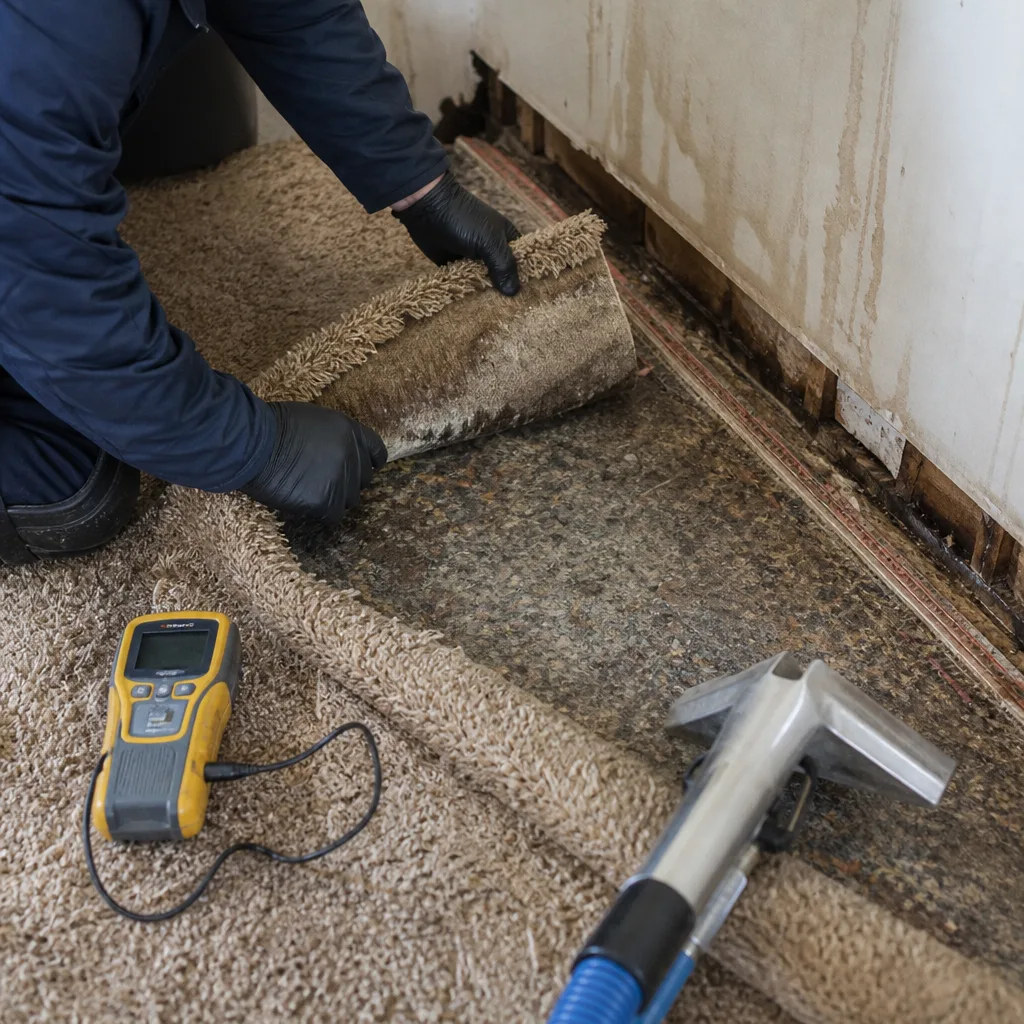
- What “Duty to Mitigate” Really Means Under Your California Policy
- When DIY Is Actually Viable: The Three Scenarios
- The Documentation Insurers Demand for Self-Performed Mitigation
- California Mold Remediation Licensing and the 100 Sq Ft Threshold
- How to Document a Hybrid Approach
- Professional Equipment vs. Consumer Tools: What the Gap Costs You
- Long Beach-Specific Risks: Climate, Soil, and Building Stock
- DIY vs. Professional Cost Comparison in Long Beach
 Before
 After
AfterWhat “Duty to Mitigate” Really Means Under Your California Policy
Every California homeowner’s insurance policy contains a duty-to-mitigate clause. It sounds straightforward: after a loss, you must take reasonable steps to prevent further damage. What “reasonable” means, however, is where claims get denied.
Insurers don’t evaluate your effort by how hard you worked. They evaluate it by what you can document. A policyholder who rents a carpet extractor and works through the night but produces no moisture readings, no equipment logs, and no clearance verification has, in the insurer’s view, performed unverified work. When mold or structural damage appears later, the insurer can argue that your undocumented mitigation was inadequate and classify the secondary damage as a new, uninsured loss.
We’ve reviewed thousands of claims files since 2011. The pattern is consistent: insurers deny secondary damage claims when the policyholder’s mitigation record contains gaps. The gap might be missing initial moisture readings, no timestamp on when drying began, undocumented equipment specifications, or the absence of a final clearance reading showing the structure returned to dry standard (typically under 16% moisture content for wood framing, under 12% for drywall, measured with a calibrated pin-type meter).
Under California law, insurers must investigate claims in good faith. But they have no obligation to accept self-performed mitigation as sufficient when the documentation doesn’t exist to verify it. The burden of proof sits with the policyholder. This is why the DIY-vs-professional question isn’t primarily about cost. It’s about whether your future self can produce a record that satisfies an adjuster’s review.
Key documentation elements insurers evaluate:
- Initial moisture readings with date, time, location, and meter calibration date
- Equipment deployed, including manufacturer, model, and CFM (cubic feet per minute) output
- Daily moisture readings showing progressive reduction
- Psychrometric data: temperature, relative humidity, and dew point at each reading
- Final clearance reading confirming dry standard achievement
- Photographs with timestamps showing condition at each stage
Without this record, your insurer can treat secondary damage as a separate occurrence with a separate deductible, or deny it entirely. This is the liability axis that should drive your decision, not the $200 you might save on a rental dehumidifier.
When DIY Is Actually Viable: The Three Scenarios
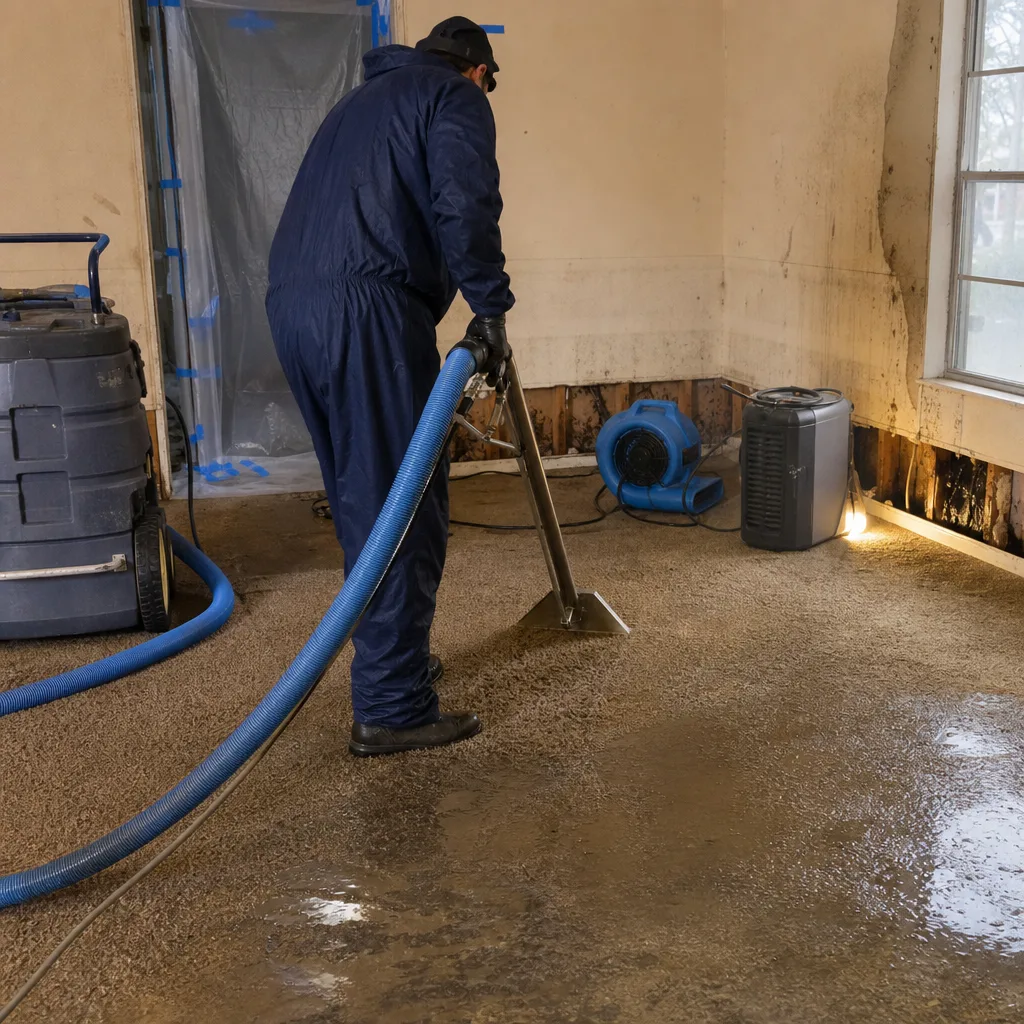
Self-performed mitigation can satisfy insurer requirements in narrow, specific conditions. We’ve identified three scenarios where a diligent homeowner can produce documentation sufficient for coverage protection.
Scenario 1: Small Category 1 Loss Under 10 Square Feet
Category 1 water originates from a clean source: supply line break, overflowing sink, or tub without contaminants. If the affected area is under 10 square feet, involves only surface wetting of cleanable materials (tile, sealed vinyl, non-porous surfaces), and can be fully dried within 48 hours, DIY is viable. Examples include a dishwasher supply line that leaked onto a kitchen tile floor for under an hour, or a bathroom sink overflow contained to the tile and baseboard.
Documentation required: initial moisture reading of affected materials and adjacent dry materials for baseline; photograph of water source and extent; equipment log showing dehumidifier capacity in pints per day relative to affected cubic footage; daily readings until materials return to within 2% of baseline; final photograph with timestamp.
Scenario 2: Surface-Only Affected Material with No Structural Penetration
Water that has not wicked into wall cavities, penetrated subflooring, or saturated insulation. You can verify this with a moisture meter: readings on the backside of baseboards, inside electrical outlet boxes (with power off), and on subflooring from a crawl space access must match your dry baseline. If any reading exceeds baseline by more than 2%, the damage is not surface-only.
In Long Beach’s older neighborhoods like Belmont Heights and California Heights, lath-and-plaster walls and original hardwood floors create particular risk that makes seasonal damage restoration care especially important. Water travels slowly through these materials but penetrates deeply. A surface-dry appearance can mask saturation in the plaster keys or between floorboards. We’ve documented cases where homeowners believed a loss was surface-only, only to discover oak flooring cupping six weeks later when seasonal humidity rose.
Scenario 3: Drying Achievable Under 48 Hours with Measurable Equipment
The 48-hour window matters because mold colonization typically begins between 48 and 72 hours on wet organic materials. If you can demonstrate dry standard achievement within 48 hours, you eliminate the mold exposure argument. This requires equipment with sufficient capacity: a residential dehumidifier rated at 50 pints per day is inadequate for anything beyond a small bathroom. You need commercial-grade air movement and dehumidification, or professional equipment rental with documented specifications.
Scenarios where DIY is not viable regardless of apparent size:
- Any Category 2 (gray water: dishwasher discharge, washing machine overflow, sump pump failure) or Category 3 (black water: sewage, seawater, groundwater intrusion) loss
- Water that has penetrated wall cavities, even if the visible surface area is small
- Losses in structures with known or suspected asbestos-containing materials (common in Long Beach homes built 1940-1980)
- Any fire or smoke damage, which requires specialized cleaning agents and thermal fogging equipment
- Mold growth exceeding 10 square feet contiguous area
- Any loss where the homeowner cannot verify dry standard achievement with a calibrated moisture meter
The Documentation Insurers Demand for Self-Performed Mitigation
If you choose the DIY path, you are essentially acting as your own restoration contractor and your own documentation specialist. The record you build must be legible to an adjuster who was not present, who reviews hundreds of files monthly, and who has no incentive to give you the benefit of the doubt.
Here’s the minimum documentation standard:
- Initial Assessment Record: Date, time, source of water, category classification, affected square footage by room, material types affected (with trade names: “Oak #1 common flooring,” not “wood floor”), baseline moisture readings from unaffected areas, and initial readings from affected areas. Photograph everything with timestamp enabled.
- Equipment Deployment Log: For each piece of equipment, record manufacturer, model number, serial number if available, capacity specifications (CFM for air movers, pints per day or AHAM rating for dehumidifiers), placement location, start date/time, and daily runtime hours. If renting, retain the rental agreement showing delivery and pickup timestamps.
- Daily Moisture Log: Same locations as initial readings, taken at approximately the same time daily, with meter calibration date noted. Record temperature and relative humidity at each reading. Track vapor pressure differential between affected and unaffected areas, which indicates whether moisture is still migrating from materials into air.
- Tertiary Drying Verification: After surface readings reach dry standard, continue monitoring for 24-48 hours to confirm no rebound. This catches moisture trapped in substrates that migrates back to the surface as equilibrium shifts.
- Final Clearance Documentation: Written statement that all affected materials have reached dry standard, with final readings, date, time, and sign-off. Photographs of all affected areas showing restored condition.
Psychrometric data, for the unfamiliar, is the measurement of air’s moisture-holding capacity at given temperatures. Warm air holds more moisture than cool air. A dehumidifier working in a 65-degree room performs differently than in a 75-degree room. Your documentation should show you understand this, or an adjuster may question whether your drying conditions were adequate.
Most homeowners lack the equipment to produce this record. A pin-type moisture meter costs $250-$400 for a reliable model. A thermo-hygrometer for relative humidity readings adds $100-$200. The time investment is 30-60 minutes daily for the duration of drying, typically 3-5 days. Against this, professional water damage restoration in Long Beach includes documentation as a standard deliverable, not an add-on.
California Mold Remediation Licensing and the 100 Sq Ft Threshold
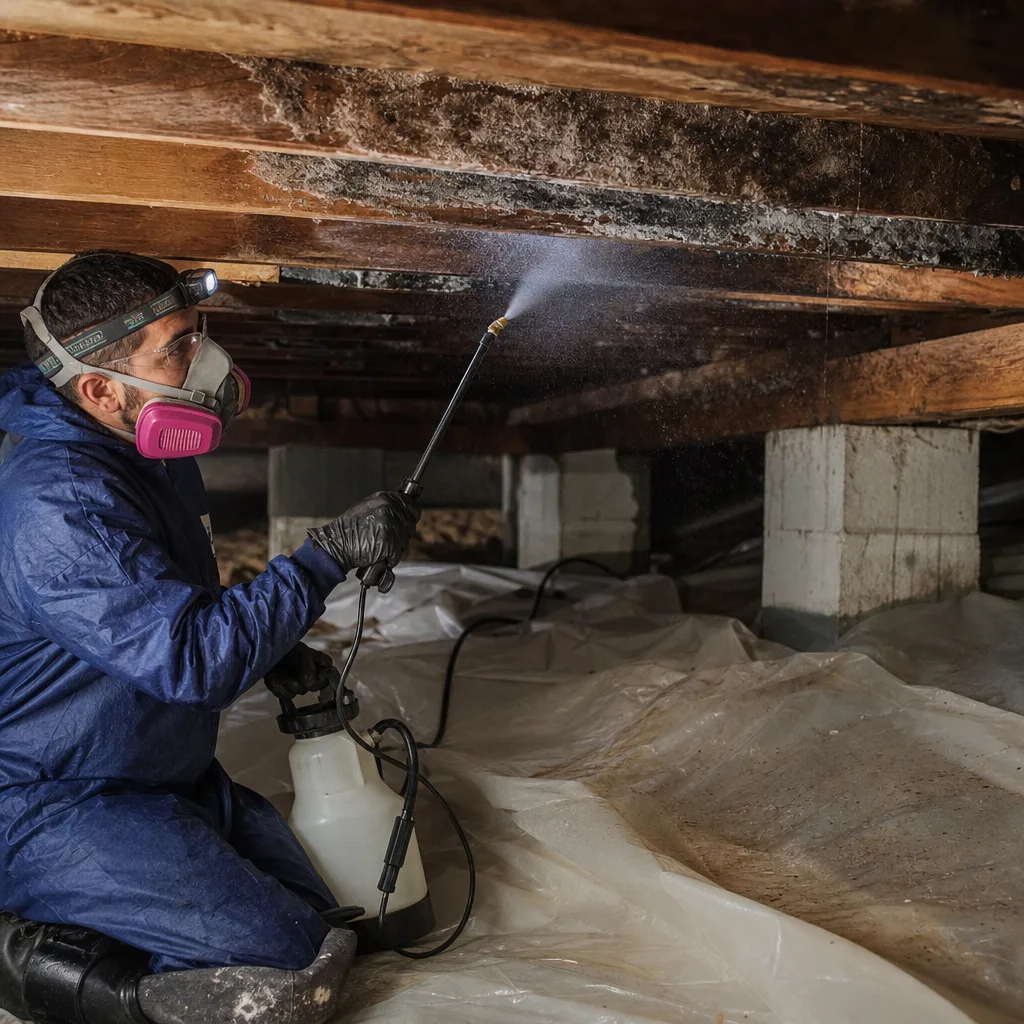
California’s mold remediation regulations create a hard boundary for DIY work. Under the California Business and Professions Code, any mold remediation project exceeding 100 square feet of contiguous mold growth must be performed by a contractor licensed by the Contractors State License Board (CSLB) in the appropriate classification. This is not a suggestion. It’s a statutory requirement that affects your insurance coverage directly.
The 100 square foot threshold is measured by the area of visible mold growth, not the room size. A 10′ x 10′ patch of mold on one wall is 100 square feet. Multiple smaller patches in the same room that total 100 square feet trigger the requirement if they are in the same “contiguous area,” which includes connected spaces with air movement between them.
Here’s why this matters for your coverage: if you perform mold remediation above the licensed threshold without proper licensing, your insurer can deny related claims on multiple grounds. First, unlicensed work may violate policy conditions requiring compliance with applicable laws. Second, the lack of licensed documentation means no third party has verified proper containment, negative air pressure, HEPA filtration, and clearance testing. Third, if remediation is performed improperly and mold recurs, the insurer can classify the recurrence as resulting from faulty workmanship, which standard policies exclude.
Below 100 square feet, DIY mold remediation is legally permissible but still risky for coverage purposes. We recommend professional assessment even for smaller areas because:
- Visible mold often indicates larger hidden growth
- Long Beach’s coastal humidity (annual average 65-75% relative humidity, higher in summer morning marine layer conditions) accelerates recurrence if moisture sources aren’t identified
- DIY mold removal without containment spreads spores to unaffected areas
- No DIY clearance testing meets insurer standards for documentation
For any mold concern, professional mold remediation in Long Beach provides licensed documentation that satisfies both CSLB requirements and insurer file review standards.
How to Document a Hybrid Approach
The hybrid approach, homeowner performs initial extraction, professional handles structural drying and clearance, can work if the handoff is documented precisely. But it’s where most coverage disputes originate.
The critical issue is continuity of record. An insurer reviewing a claim wants one complete documentation package. Gaps between homeowner-performed and professional-performed work create ambiguity about when damage occurred, whether conditions worsened during the gap, and whether the professional’s scope addressed all pre-existing damage or only new damage.
To document a hybrid approach successfully:
- Establish the professional’s baseline independently. The professional should take their own initial readings before beginning work, not rely on homeowner readings. These readings should document condition at the moment of professional engagement, creating a clear transition point.
- Obtain written acknowledgment of pre-existing conditions. The professional should document what they observed upon arrival: standing water present or absent, visible mold, material saturation levels, odor conditions. This prevents later disputes about whether damage visible at completion was pre-existing or newly caused.
- Maintain separate but cross-referenced records. Homeowner records (extraction timing, equipment used, photographs) should be compiled and provided to the professional for inclusion in the complete file. The professional’s report should reference these records by date and description.
- Ensure professional scope includes verification of homeowner work. The professional should explicitly state whether homeowner-performed extraction was sufficient, whether residual moisture was present, and whether additional extraction was required. This closes the loop on whether the homeowner’s work met mitigation standards.
- Single clearance testing authority. Final clearance should be performed by the professional, with no DIY clearance testing in the same record. Mixed authority on clearance creates confusion about whose standard applies.
We’ve seen hybrid approaches succeed when documentation is seamless and fail when the handoff is informal. A homeowner who extracts water Sunday evening and calls a professional Tuesday morning has a 36-48 hour gap. If no readings document conditions during that gap, the insurer can argue secondary damage began before professional engagement. The professional’s scope should explicitly address this gap: what they found, what it indicated about interim conditions, and why their drying plan was appropriate.
Under The Haven Standard, Clause 1, we provide a written price before any work begins on hybrid engagements, same as full-service jobs. We also review homeowner documentation at no charge during our initial assessment to identify gaps that could affect coverage.
Professional Equipment vs. Consumer Tools: What the Gap Costs You
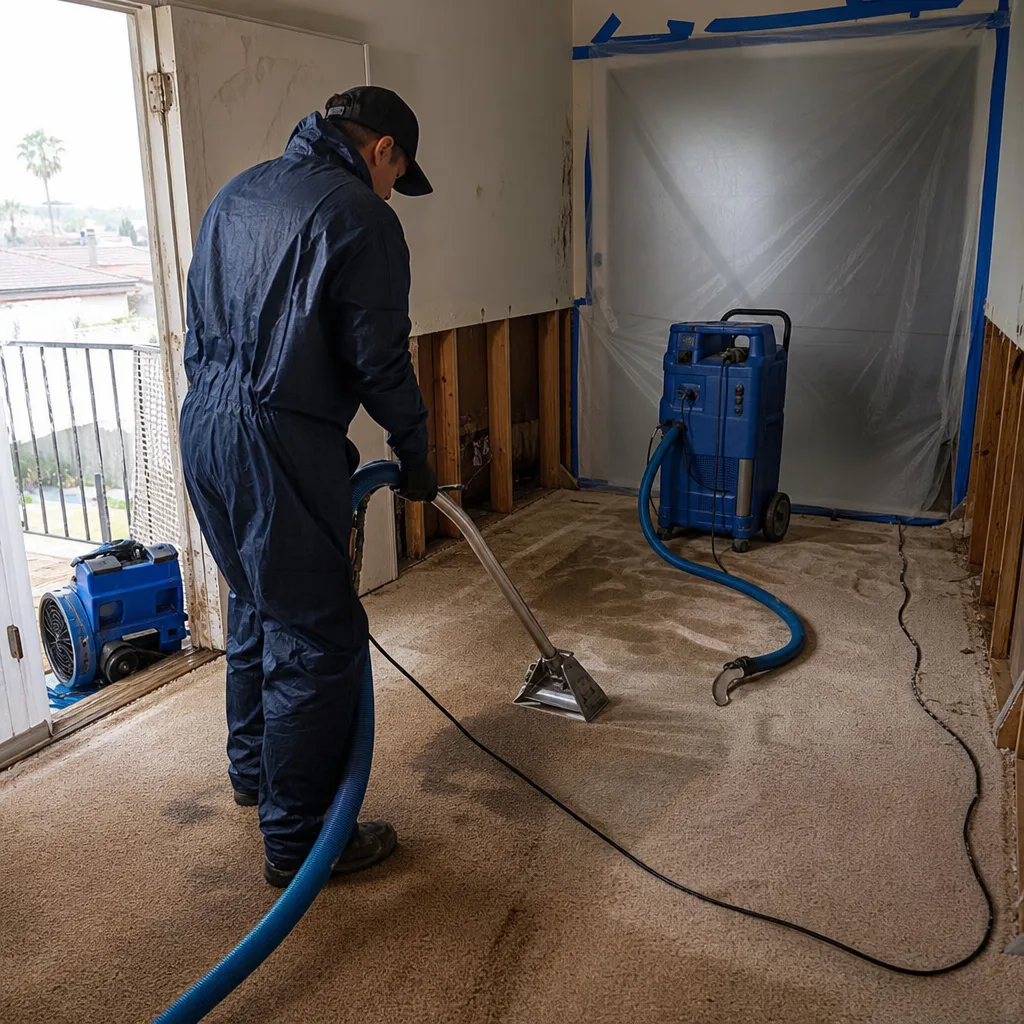
The equipment gap between DIY and professional restoration is wider than most homeowners recognize. It’s not about power. It’s about precision, capacity, and the data output that insurers require.
A typical consumer dehumidifier removes 30-50 pints of moisture per day under ideal conditions (80°F, 60% relative humidity). A professional refrigerant dehumidifier from Phoenix or Dri-Eaz removes 125-150 pints under the same conditions, and maintains performance at lower temperatures where consumer units lose efficiency. This matters because water-damaged structures are often cooler than ambient due to evaporative cooling, and because Long Beach’s spring and fall temperatures often fall below the optimal range for consumer equipment.
Air movement is equally critical. Professional axial air movers from XPOWER or B-Air deliver 2,000-3,000 CFM with focused airflow patterns that create laminar air movement across wet surfaces. Consumer fans move air but don’t create the velocity needed to drive moisture from material surfaces into the air mass where dehumidifiers can capture it. The result is surface drying that masks subsurface saturation.
For structural cavity drying, professional equipment includes Injectidry systems that deliver conditioned air into wall cavities through small access points, and hardwood floor drying mats that apply suction directly to the underside of flooring. No consumer equivalent exists.
But the decisive difference is documentation output. Professional drying equipment logs runtime, temperature, and relative humidity automatically. Our Phoenix and Dri-Eaz units generate daily reports that become part of the claim file. Combined with our technicians’ manual moisture readings, this creates the dual-verification record that insurers accept without challenge.
Equipment rental is sometimes suggested as a middle path. Rental dehumidifiers and air movers are commercial-grade, but rental agreements don’t include documentation training. We’ve reviewed files where homeowners rented excellent equipment but produced no usable record because they weren’t taught what to measure, when, or how to interpret readings-exactly why a water damage restoration maintenance checklist matters. The equipment solved the moisture problem but didn’t solve the documentation problem.
Long Beach-Specific Risks: Climate, Soil, and Building Stock
Long Beach’s geography creates restoration conditions that differ from inland Southern California markets. Understanding these conditions affects whether DIY or professional response is appropriate.
The marine layer, present on many mornings May through July, maintains elevated ambient humidity even when temperatures are moderate. Relative humidity of 75-85% in early morning means natural drying is slow. A structure with open windows for “airing out” may actually absorb moisture. Professional dehumidification is essential because it actively removes moisture against ambient conditions, rather than relying on differential drying.
Soil conditions in Long Beach vary by neighborhood. The Alamitos Beach and Belmont Shore areas, built on former marshland and filled land, have high water tables and poor drainage. Groundwater intrusion during heavy rain events is more common than homeowners expect. A DIY approach that addresses surface water without investigating sub-slab moisture conditions will fail. We’ve documented cases in the Naples Island area where groundwater wicking through slab edges created chronic moisture conditions that surface drying couldn’t address.
Building stock age and type matter. Long Beach has significant pre-1940 construction in Bluff Park, Belmont Heights, and California Heights. These structures often contain:
- Plaster and lath walls that hold moisture longer than drywall and dry more slowly
- Knob-and-tube or early Romex wiring that creates electrical hazards during water intrusion
- Asbestos-containing materials in flooring, insulation, or joint compound (common through 1980)
- Lead-based paint (pre-1978)
- Raised foundation construction with crawl spaces that trap moisture
Post-1960 construction in newer neighborhoods like Bixby Knolls and Lakewood Village presents different issues: slab-on-grade construction with limited drying access, synthetic stucco (EIFS) systems that trap moisture behind the exterior, and polybutylene plumbing (common 1978-1995) with elevated failure rates.
Each of these conditions requires professional assessment to identify and address safely. DIY mitigation that doesn’t account for asbestos risk, electrical hazard, or structural drying access can create liability that exceeds the original loss.
Long Beach’s proximity to the Port of Long Beach also creates specific risk profiles. Industrial areas near the port may have residual contaminants in soil or air that affect water quality classification. Any water intrusion in these areas should be treated as potentially Category 2 or 3 until tested, which requires professional assessment.
DIY vs. Professional Cost Comparison in Long Beach
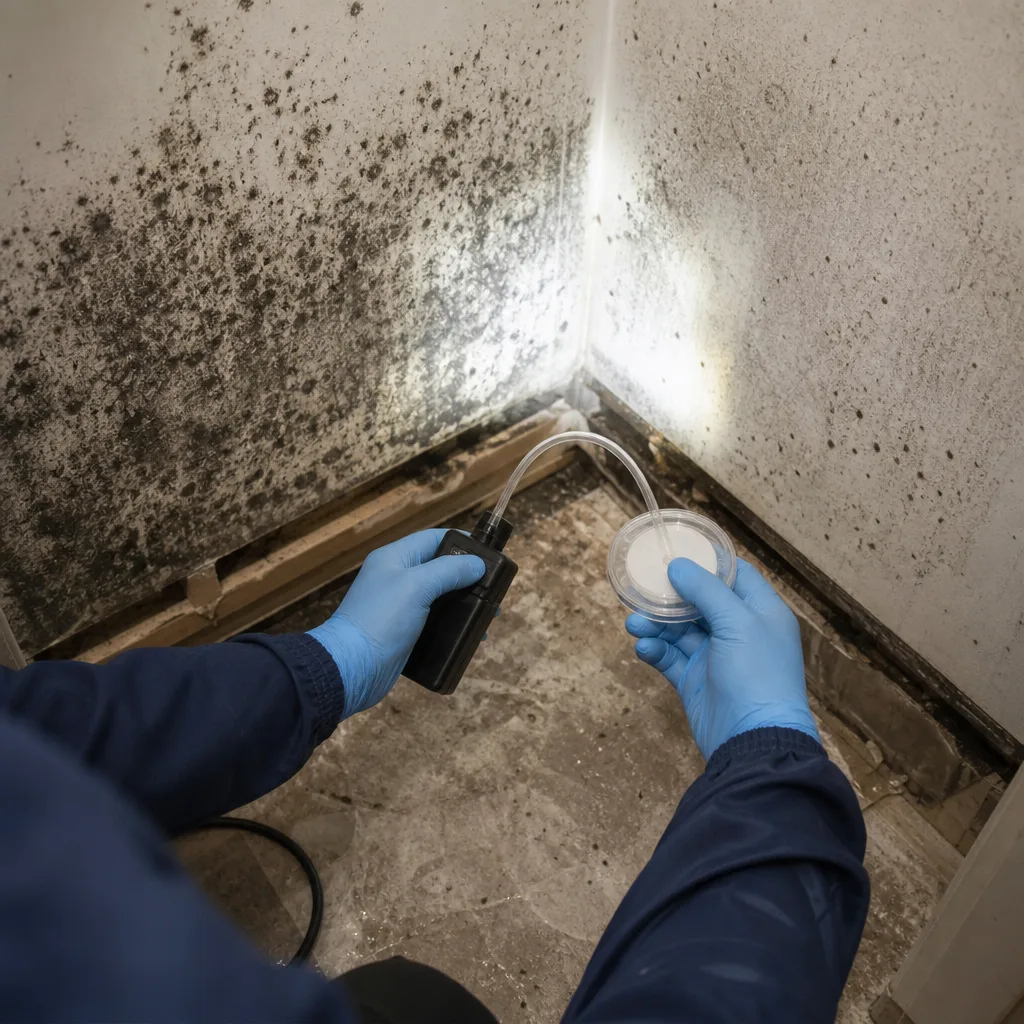
Direct cost comparison is where most guides & resources mislead homeowners by comparing only immediate out-of-pocket expense. The relevant comparison includes equipment, documentation, time, and downstream liability.
DIY Cost Structure (Small Category 1 Loss, 10 sq ft surface-only):
| Item | Cost Range |
|---|---|
| Pin-type moisture meter (purchase) | $250-$400 |
| Thermo-hygrometer (purchase) | $100-$200 |
| Commercial dehumidifier rental (3-5 days) | $180-$300 |
| Axial air mover rental (2 units, 3-5 days) | $120-$200 |
| Extraction equipment rental (if needed) | $80-$150 |
| Personal time (documentation, monitoring) | 8-15 hours |
| Documentation compilation for insurer | 2-4 hours |
| Total Out-of-Pocket | $730-$1,250 |
Professional cost for equivalent loss in Long Beach market: typically $1,200-$2,000, with documentation, equipment, labor, and insurer coordination included. The gap narrows significantly when DIY requires equipment purchases rather than rentals.
For larger or more complex losses, the cost dynamic shifts. A Category 2 loss affecting 100 square feet with wall cavity penetration:
DIY Cost Structure:
| Item | Cost Range |
|---|---|
| Equipment rental (extended, larger capacity) | $500-$900 |
| Material removal and disposal | $200-$400 |
| Potential mold testing (if concern arises) | $300-$600 |
| Professional re-mitigation if DIY fails | $2,500-$5,000 |
| Time investment | 20-40 hours |
| Total Exposure | $3,500-$6,900+ |
Professional cost for equivalent loss: $2,800-$4,500 with documentation that protects coverage. The professional path is often less expensive when downstream risk is included.
Hidden costs of DIY that rarely appear in comparison tables:
- Lost work time or vacation days for monitoring and documentation
- Replacement of DIY equipment that proves inadequate (common with undersized dehumidifiers)
- Professional re-mitigation at emergency rates when DIY fails and mold appears
- Insurance deductible on denied secondary damage claim
- Potential premium increase if claim is paid but documented as resulting from inadequate mitigation
Under Haven Standard, Clause 1, we provide a written price before any work begins, so the professional cost is known and fixed. No scope-creep additions occur once our crew is inside. This eliminates the uncertainty that makes DIY cost comparisons misleading.
Common Mistakes to Avoid
- Assuming visible dryness means actual dryness. Surface dryness with elevated subsurface moisture is the most common DIY failure mode. Moisture meters must penetrate to substrate level, not just scan surfaces.
- Using bleach on mold. Bleach kills surface mold but doesn’t penetrate porous materials. It also adds moisture. In Long Beach’s humid climate, bleached mold often returns within weeks with more extensive growth.
- Neglecting the crawl space. Raised foundation homes in California Heights and Belmont Heights frequently have crawl space moisture that homeowners never inspect. Standing water in crawl spaces can persist for months, creating structural damage and mold that affects living spaces above.
- Failing to document equipment specifications. An insurer’s file reviewer needs to verify that equipment capacity matched the loss. “Ran dehumidifier” is insufficient. “Dri-Eaz LGR 7000XLi, 130 pints/day AHAM, deployed 5/14 08:00” is what the file requires.
- Delaying professional engagement to “see if DIY works.” The 48-hour mold colonization window is real. Every day of DIY experimentation that fails is a day closer to secondary damage that professional mitigation must address at higher scope and cost.
- Ignoring electrical hazards in water-damaged structures. Water and electricity kill. In pre-1980 Long Beach homes, outdated wiring combined with water intrusion creates shock and fire risks that DIY mitigation cannot safely address.
When to Call a Professional
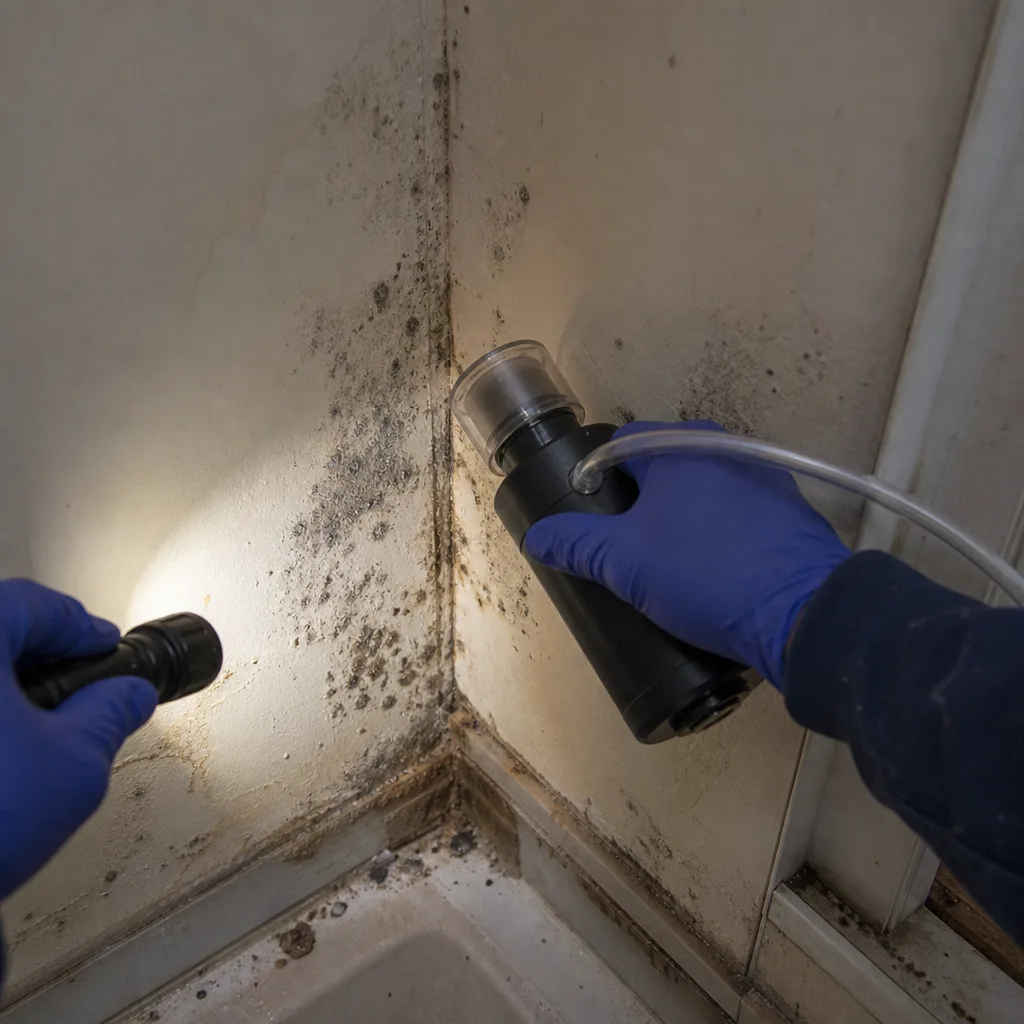
Call a professional immediately when: water is Category 2 or 3; affected area exceeds 10 square feet; water has penetrated walls, ceilings, or subfloors; mold is visible or suspected; fire or smoke damage of any kind has occurred; sewage backup is involved; the structure contains asbestos or lead-based paint; or you cannot verify dry standard achievement with calibrated equipment within 48 hours.
Also call when your insurer has already indicated concern about documentation, when you’re filing a claim and want the file prepared correctly from the start, or when you’ve received a competitor’s estimate and want a free second opinion on scope and pricing.
DryMark Restoration Long Beach offers free estimates in Long Beach. Our assessment includes moisture readings, scope documentation, and written pricing before any work begins. Call (424) 373-5092 to schedule. Live phone coverage is available 24 hours a day, 7 days a week with no voicemail on emergency lines.
Frequently Asked Questions
Your insurance covers the damage, not the method of cleanup. However, if your DIY mitigation is later found inadequate and secondary damage occurs, your insurer may deny the secondary damage as resulting from insufficient mitigation. Coverage for the original loss typically remains, but you’ll face a separate deductible and potential coverage limits for the new damage. The key is documentation: with complete moisture logs, equipment specifications, and clearance verification, self-performed mitigation can satisfy insurer requirements. Without this documentation, coverage risk increases substantially. Call (424) 373-5092 if you need help preparing documentation standards before starting work.
DryMark Restoration Long Beach maintains live phone coverage 24 hours a day, 7 days a week with no voicemail on emergency lines. For active water losses, we typically arrive within 60-90 minutes in Long Beach proper, including Belmont Shore, Naples, Alamitos Beach, Bluff Park, and Bixby Knolls. Response to outer areas like Lakewood Village and California Heights may extend to 90-120 minutes depending on traffic conditions on the 405 or 710 corridors. For non-emergency assessments, we schedule within 24 hours. The critical factor is not just arrival time but what happens on arrival: documented moisture readings, written scope, and equipment deployment that begins the documentation trail immediately.
Cleaning removes visible mold. Remediation addresses the moisture source, contains spore spread, removes contaminated materials, and verifies clearance. If mold growth is under 10 square feet, surface-only, on non-porous materials, and the moisture source is fully resolved, cleaning may suffice with proper documentation. For porous materials (drywall, insulation, carpet), growth exceeding 10 square feet, or any uncertainty about moisture source, professional remediation is required. California’s 100 square foot licensing threshold creates a hard boundary, but the practical boundary for insurance protection is lower. We’ve reviewed claims where 15 square feet of DIY-cleaned mold returned within 60 days, resulting in denied secondary claims. Professional mold remediation in Long Beach includes source identification and clearance documentation that cleaning cannot provide.
We handle adjuster coordination as a standard service, not an upsell. This includes photo documentation on every visit, daily drying logs formatted for file review, written scope of work with line-item pricing, and direct communication with your adjuster about progress and any scope changes. Our documentation is built around what adjusters need to approve payment: measurable data, clear timelines, and verification that work met IICRC standards. Since 2011, we’ve processed claims with every major insurer writing in California. We know what each carrier’s file review system requires and prepare documentation accordingly. You remain the policyholder and control all decisions, but you don’t manage the documentation burden.
Haven Standard, Clause 1 requires a written price before any work begins, every time, with no exceptions. The written scope includes: affected area dimensions and material classifications; moisture readings and drying goals; equipment type, quantity, and estimated deployment duration; labor hours by task category; material costs for any necessary removal and replacement; and total project price with payment terms. Once you approve this scope, the price is fixed. No additions occur without your written approval of a change order with separate pricing. This eliminates the scope-creep problem common in restoration, where initial low estimates balloon once crews are inside. Our 12,000+ jobs since 2011 have all operated under this standard.
Yes, but with important conditions. We require our own baseline assessment before accepting responsibility for the drying phase. We’ll document conditions at handoff, evaluate whether your extraction was sufficient, and provide written scope for our portion. The complete file will reference your work with date and description, but our documentation chain begins with our independent readings. This protects both parties: you get credit for prompt action, we get verifiable baseline for our drying plan. We do not accept liability for conditions we didn’t document. For hybrid engagements, we strongly recommend our assessment occur within 24 hours of your extraction to minimize gap risk. Call (424) 373-5092 to discuss timing for your situation.
If our work is not done right, we make it right. This is a written warranty under The Haven Standard, not a verbal assurance. It covers: drying performance (materials remain at dry standard), reconstruction quality (workmanship and materials), and documentation accuracy (if insurer disputes our record, we defend and correct it). The promise is signed on every job, with specific contact for claim initiation. In 12,000+ jobs since 2011, warranty claims have been rare because our documentation-first approach prevents the errors that generate callbacks. But the promise exists because we believe restoration work should be accountable, not just performed.
The Bottom Line
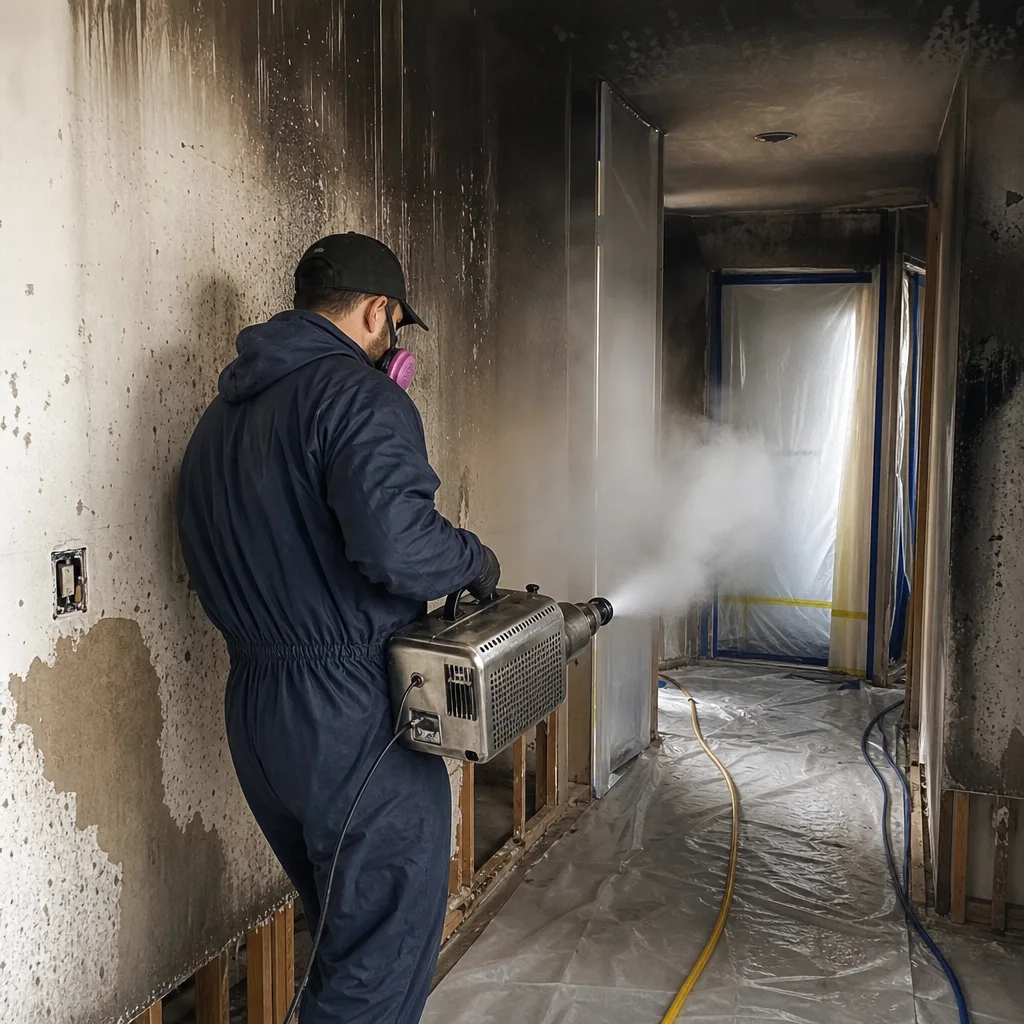
The DIY-vs-professional decision in restoration is a documentation decision. Small, clean, surface-only losses under 10 square feet with 48-hour drying potential can be self-managed if you produce a complete moisture record. Everything else requires professional documentation to protect your coverage, your property value, and your liability exposure. Long Beach’s climate, building stock, and soil conditions add complexity that rewards professional assessment. The cost gap between DIY and professional is narrower than it appears when equipment, time, and downstream risk are included. For any loss where you’re uncertain, professional assessment is itself a form of insurance: it buys you a documented record that an insurer cannot dispute.
Call (424) 373-5092 for a free estimate. Written price before any work begins, every time, under Haven Standard, Clause 1. Live person answers 24 hours a day, 7 days a week.
Written by Alicia Brennan, Owner at DryMark Restoration Long Beach, serving Long Beach since 2011.