
Free visual inspection and a written scope of work before any mitigation begins - photos, moisture readings, and drying logs go in your claim file
The scope we write is the scope we bill. Anything new gets shown to you, in writing, before we touch it.
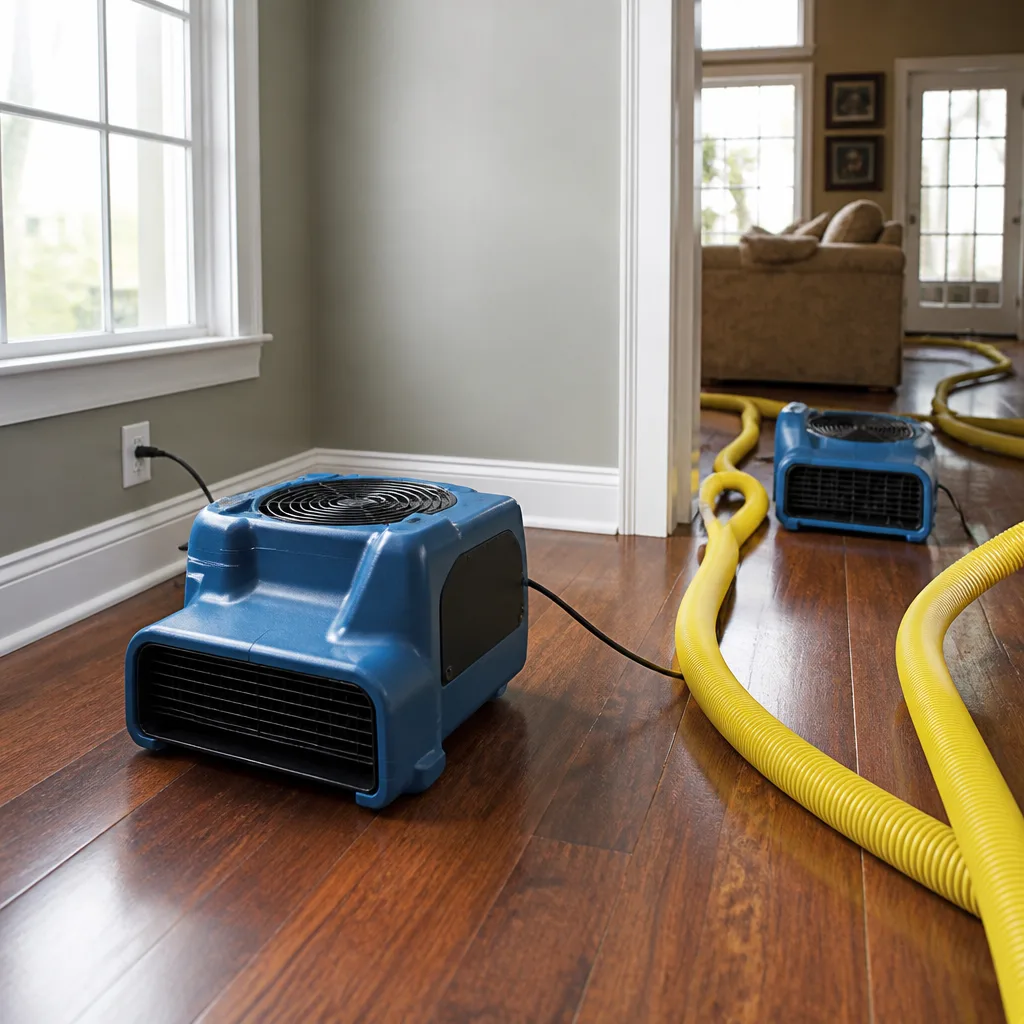

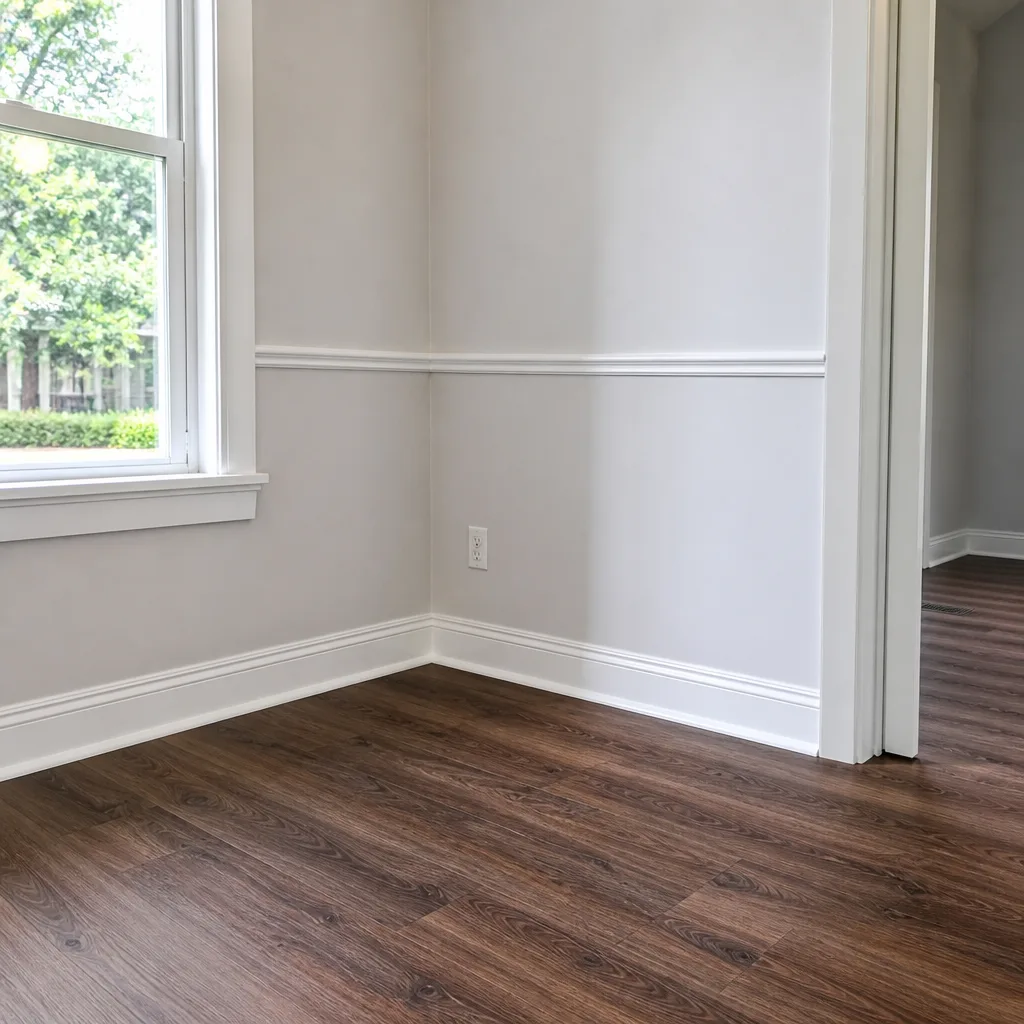

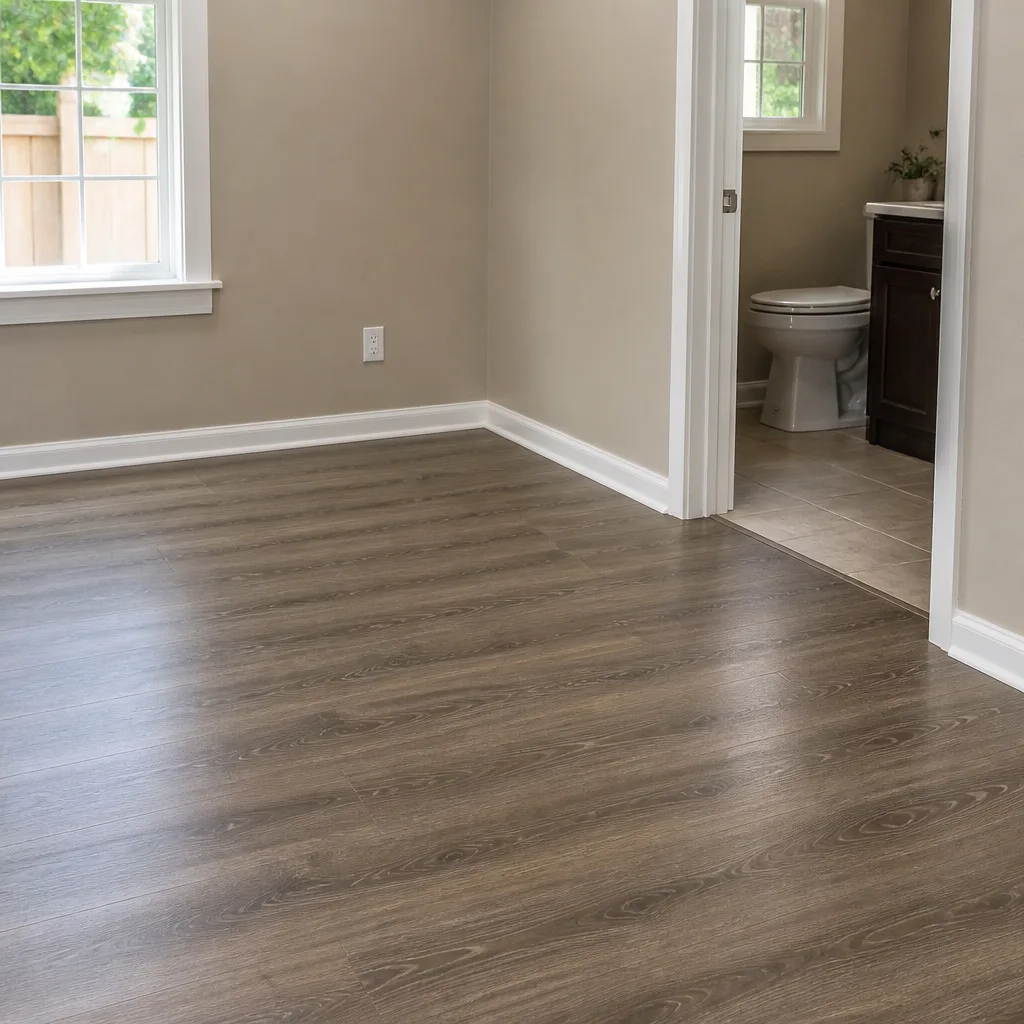
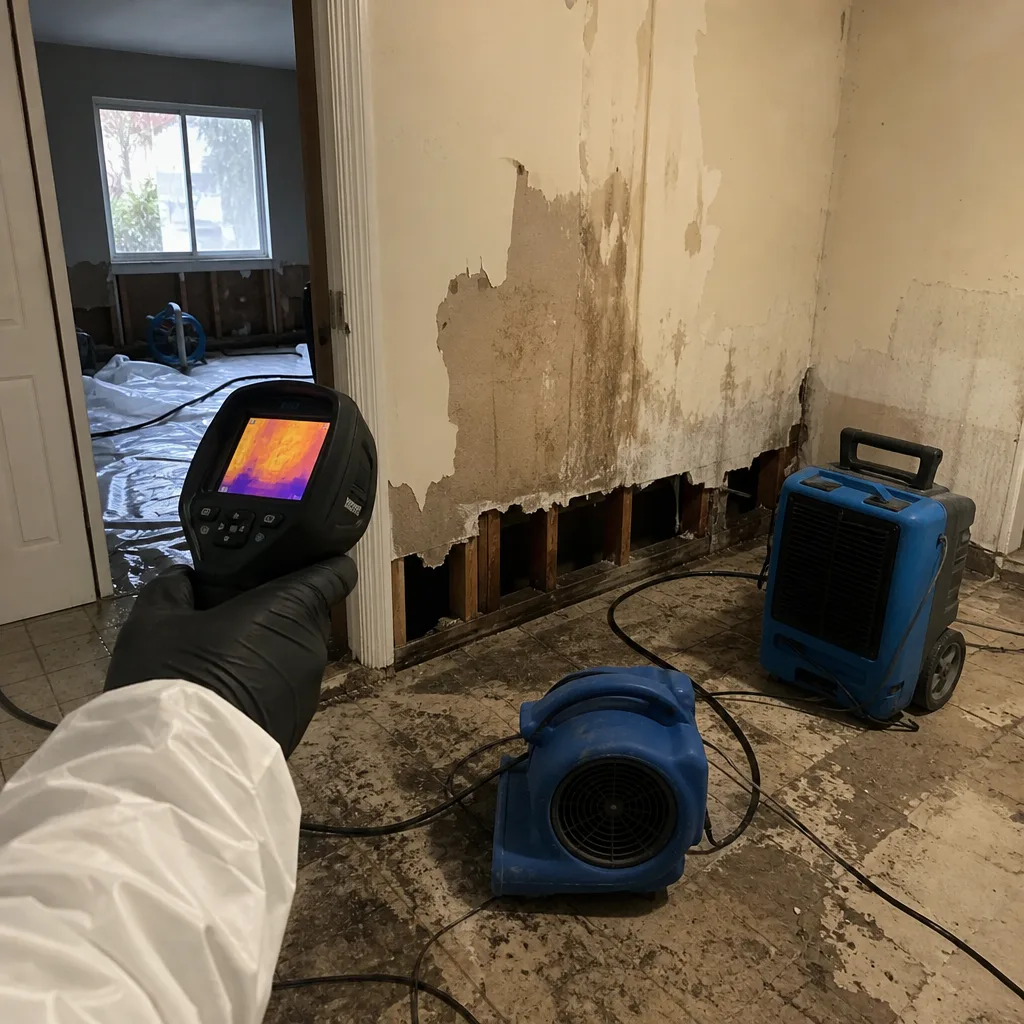 Before
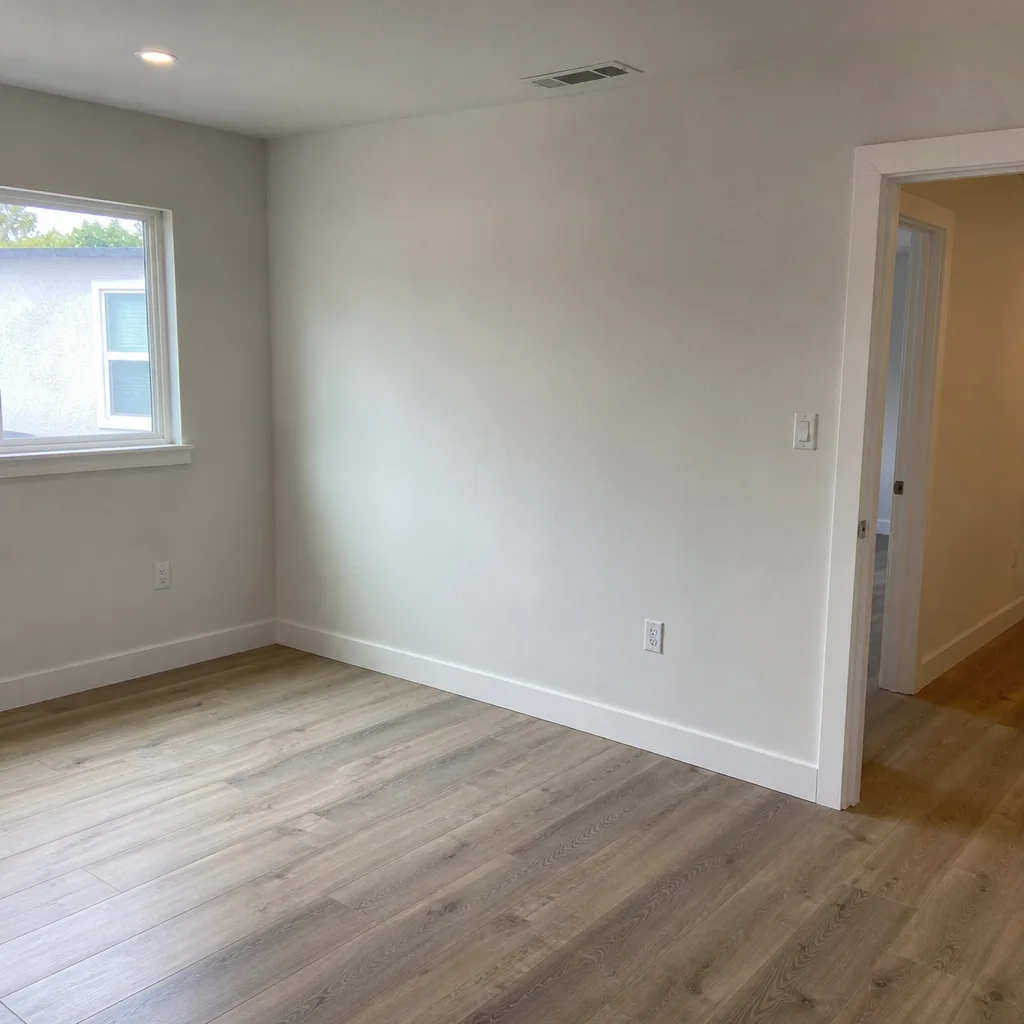 After
After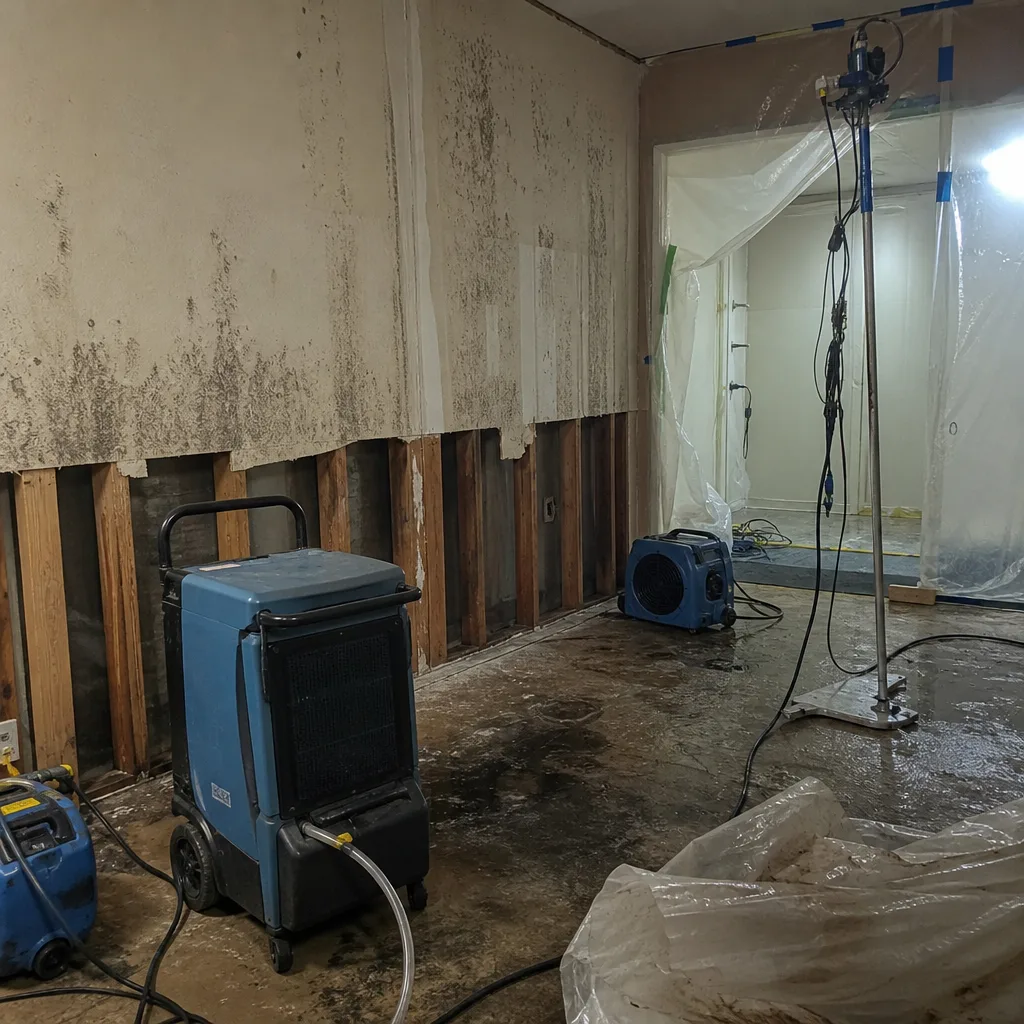 Before
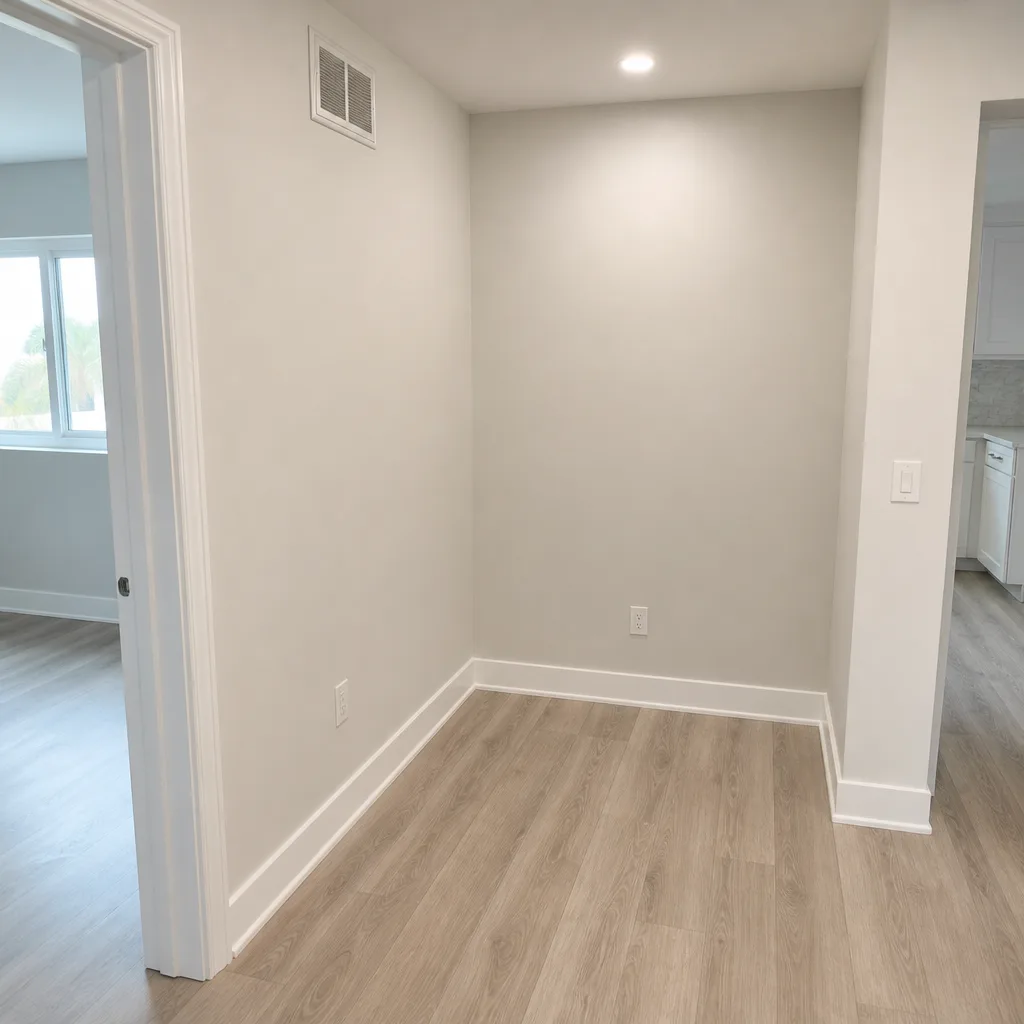 After
After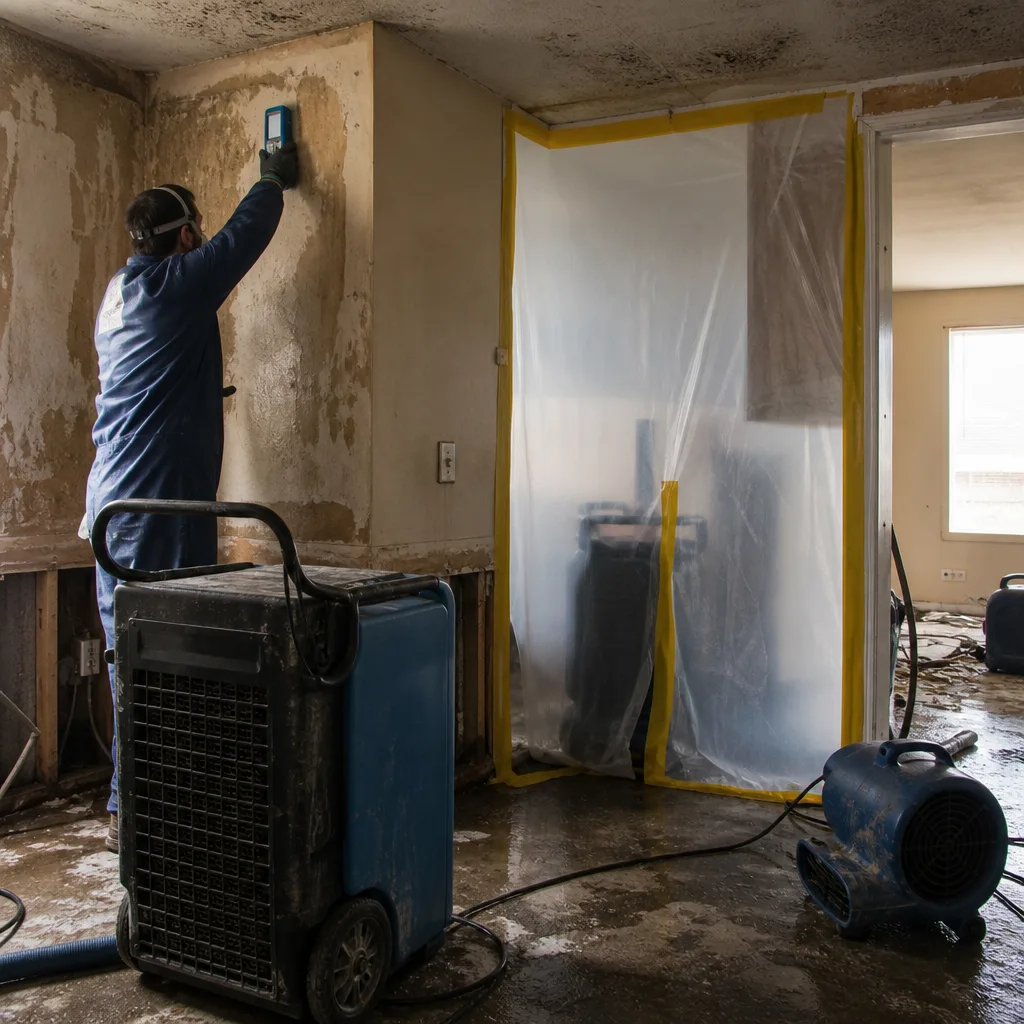 Before
 After
AfterBasement Water Removal in Long Beach, CA
Basement Water Damage Restoration in Long Beach typically costs between $1,500 and $4,500 for standard residential mitigation, though the final price depends on the volume of water, the source of the intrusion, and the square footage of affected materials. Our team at DryMark Restoration Long Beach provides a written price before any work begins, ensuring you know exactly what you are paying for, with no hidden fees or scope-creep additions once we arrive. We are available 24 hours a day, 7 days a week to handle emergencies, and we provide a photo record on every visit to ensure your restoration invoice stands up to insurance scrutiny.
If you have standing water in your basement, the priority is to stop the flow and begin the drying process immediately to prevent secondary damage to structural members. Basements in Long Beach, particularly in older homes near the coast or in low-lying areas like the Peninsula or Naples, often face unique challenges with high water tables and hydrostatic pressure. When a Burst Pipe Restoration or other water issue enters your home, it is not just an inconvenience; it is a risk to the integrity of your foundation and the air quality of your living space. We serve homeowners across Long Beach, providing the documentation-first approach that turns a confusing restoration invoice into a claim that insurance providers accept without a fight.
If you are currently dealing with flooding, call (424) 373-5092 for immediate assistance. You can also review our home page or our primary Water Damage Restoration in Long Beach service page for more details on our technical standards.
When You Need Basement Water Removal
Ceiling & Roof Leak Water Damage and basement water intrusion are rarely single-event problems. It is often the result of failing perimeter drains, sump pump malfunctions, or heavy rainfall overwhelming the local soil saturation. We identify the specific classification of water, which dictates the safety protocols and drying equipment required. Here are the common scenarios we address in Long Beach:
- Sump Pump Failure: When your primary pump stops, water accumulates rapidly at the lowest point of your foundation. We extract the standing water and verify if the pump failure was mechanical or electrical.
- Seepage Through Foundation Walls: Older concrete or masonry walls in Long Beach homes can develop cracks due to settling. We use moisture meters to track the path of the water behind finished walls.
- Sewage Backups: If the water has a foul odor or contains solids, it is classified as Category 3 water. This requires immediate containment, sanitization, and disposal of porous materials like carpet or drywall.
- Pipe Bursts: A supply line or drain line failure in a basement can release hundreds of gallons in minutes. We focus on rapid extraction to prevent moisture from wicking into floor joists and subflooring.
- Heavy Rainfall and Groundwater Infiltration: During intense storm events, the water table can rise above your basement floor level. We use high-capacity extraction pumps to lower the water level and stabilize the environment.
Every job we perform is guided by The Haven Standard. Clause 1 of our standard requires a written price before work begins, every time. We do not provide estimates over the phone without seeing the specific conditions, as guessing the moisture content of your flooring or the saturation of your drywall leads to inaccurate quotes and poor outcomes for homeowners.
Our Basement Water Removal Process
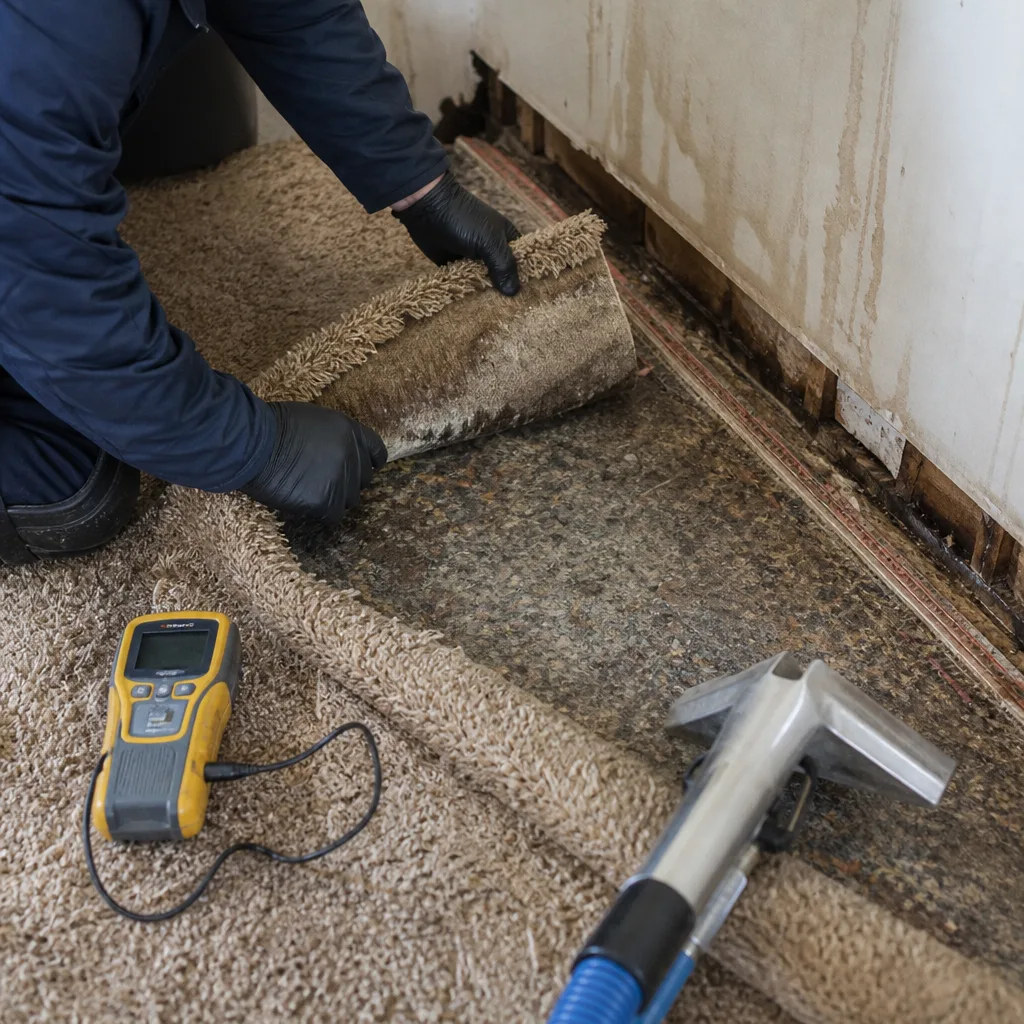
Restoration is a technical process based on physics, not just a cleanup job. We use professional-grade equipment from manufacturers like Dri-Eaz and Phoenix to manipulate the environment and force water out of building materials. Here is how we manage the process from start to finish.
- Initial Assessment and Documentation: We arrive on-site to perform a room-by-room moisture survey. We measure the moisture content of wood, drywall, and concrete, documenting these readings in a log. This photo record is included as a standard deliverable, ensuring you have the evidence needed for your insurance carrier.
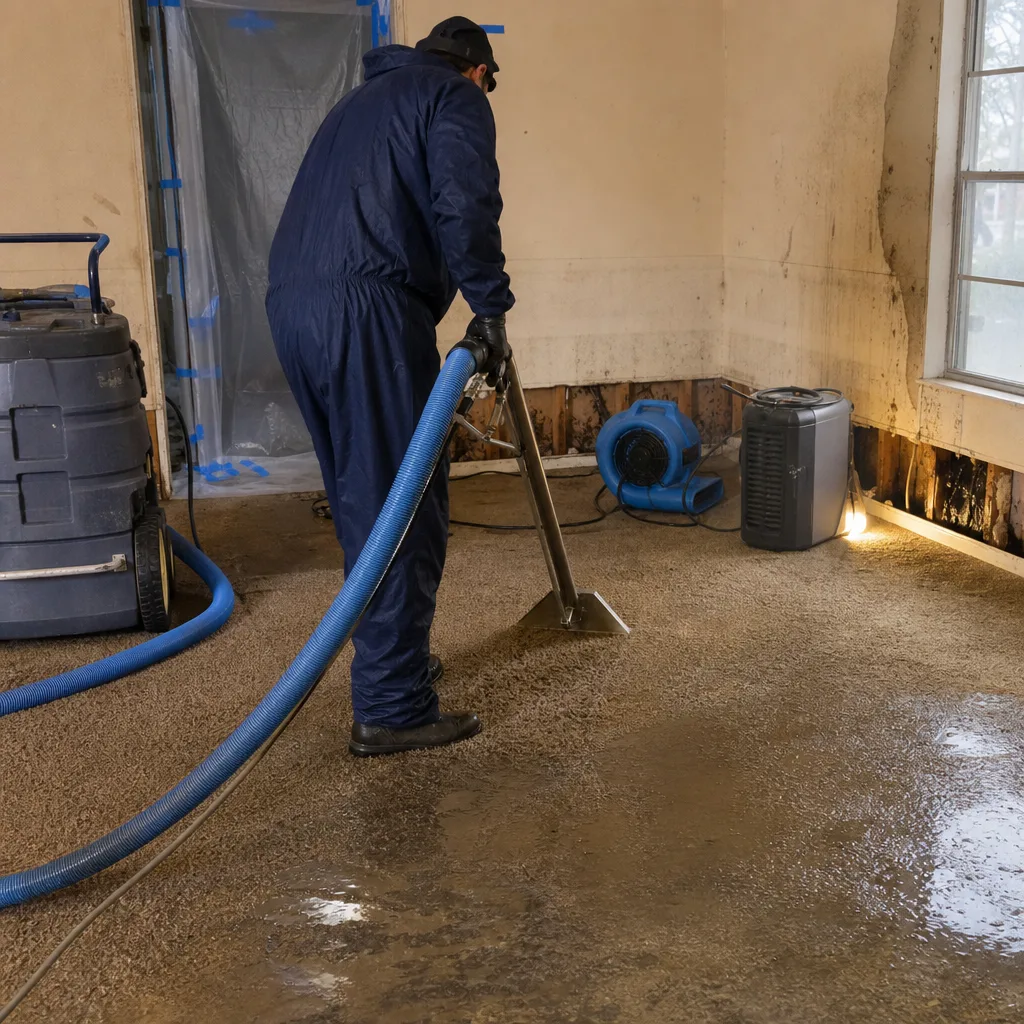
- Water Extraction: We use truck-mounted extraction units and portable high-lift pumps to remove standing water. The goal is to reach a point where no liquid water remains, allowing us to focus on the vapor phase of the drying process.
- Containment and Sanitization: If the water is contaminated, we establish containment zones to prevent the spread of bacteria or mold spores to unaffected parts of your Long Beach home. We apply antimicrobial treatments to surfaces that have been in contact with Category 2 or 3 water.
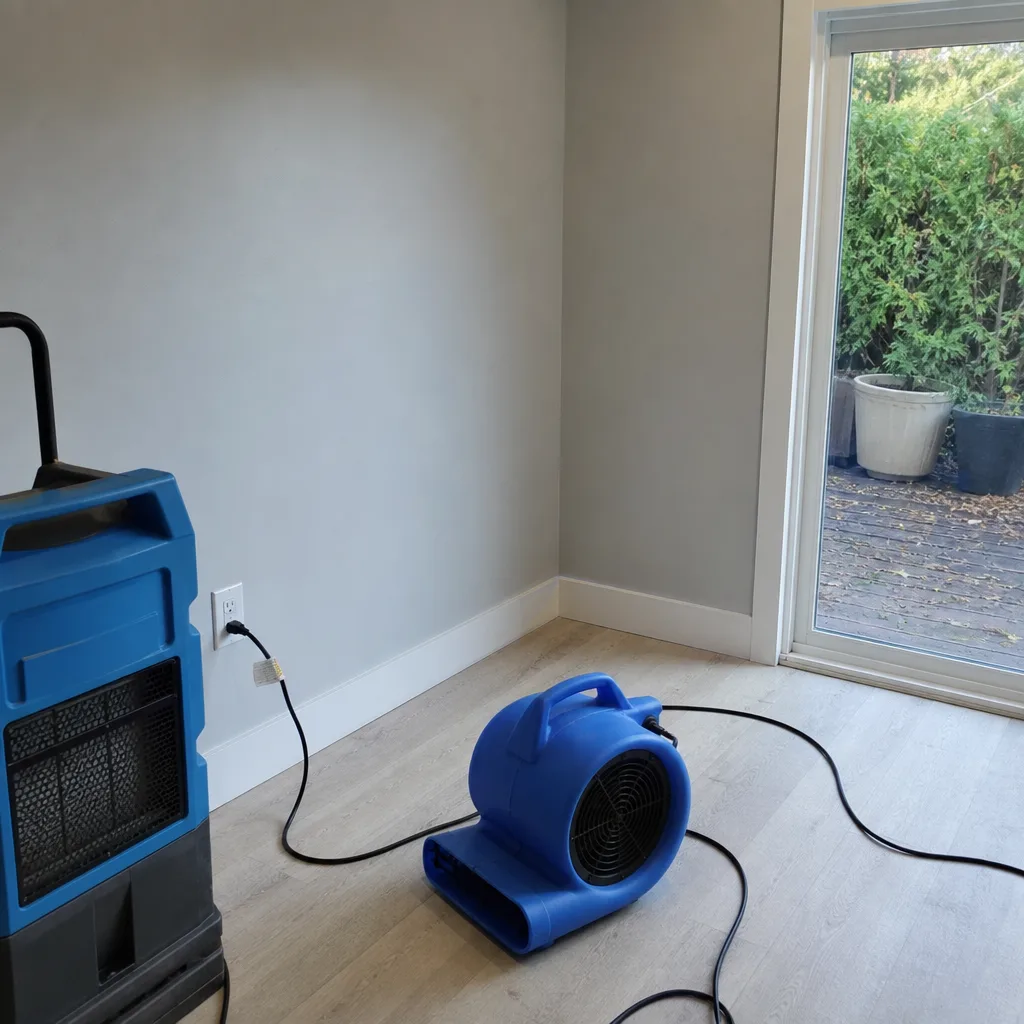
- Drying and Dehumidification: This is where science takes over. We set up LGR (Low Grain Refrigerant) dehumidifiers to lower the vapor pressure in the room. By creating a vapor pressure differential, we pull moisture out of materials and into the air, where the dehumidifier can capture it. We monitor psychrometric data-the relationship between temperature, humidity, and dew point-daily to ensure the drying is progressing correctly.
- Validation and Final Report: We do not leave until our moisture readings return to equilibrium with the rest of your home. You receive a final report documenting the entire process, which fulfills our 365-Day Done Right Promise. If it is not done right, we make it right.
 Before
 After
AfterBasement Water Removal Pricing in Long Beach
We believe in upfront, written pricing. While every basement has different dimensions and material types, we provide clear ranges based on the scope of work. We offer a Free Second Opinion on any competitor’s written estimate, so if you have received a quote that seems unclear, bring it to us.
| Service Level | Typical Price Range | What is Included |
|---|---|---|
| Minor Extraction | $800 - $1,800 | Localized water removal, moisture survey, and initial drying setup. |
| Moderate Mitigation | $2,000 - $4,000 | Full room extraction, sanitization, moisture logs, and 3-day drying cycle. |
| Extensive Restoration | $5,000+ | Full basement mitigation, structural drying, content inventory, and photo records. |
These ranges reflect the cost of labor, equipment deployment, and documentation services. Factors that influence the final price include the type of flooring (hardwood requires more complex drying than tile), the presence of finished walls, and the volume of water removed. Because we operate under The Haven Standard, you receive a written quote before any work starts. There are no surprises, no hidden costs, and no “discovery” fees added halfway through the job. Call us at (424) 373-5092 to schedule an inspection and receive your written price.
FAQs - Basement Water Removal
How much does basement water removal cost in Long Beach?
Basement water removal in Long Beach typically costs between $1,500 and $4,500, though this varies based on the amount of water and the materials involved. We provide a written price before any work begins, ensuring you know the exact cost before we start the extraction process. Call (424) 373-5092 for an exact quote.
Can you fix basement water damage the same day?
Yes, we offer emergency service 24 hours a day, 7 days a week, and we can typically be on-site the same day you call. We prioritize Emergency Water Extraction to minimize the time water sits on your subfloor or foundation, as rapid response is the most effective way to prevent permanent structural damage. Call (424) 373-5092 now for assistance.
Is it cheaper to repair the basement or replace the materials?
In most cases, it is significantly cheaper to professionally dry the existing materials-like framing, subflooring, and concrete-rather than replacing them. We use industrial drying equipment to restore materials to their pre-loss moisture content, which avoids the high costs of demolition and reconstruction. We will provide a written assessment of what can be saved versus what must be removed during our initial inspection.
Is there a safety risk if I try to pump the water out myself?
Yes, there are significant safety risks when dealing with basement water, particularly regarding electrical hazards and potential sewage contamination. If your basement has standing water, never step into it until you have confirmed the power to the area is cut at the main breaker, as electrical shorts can energize the water. Additionally, if the water is a result of a sewer backup, it contains pathogens that require professional biohazard training to handle safely. We strongly recommend calling a professional to assess the site before you enter the space.
DryMark Restoration Long Beach is independently owned and operated. Our team is trained to IICRC, RIA, and IFA standards, and we utilize equipment from manufacturers like Dri-Eaz, Phoenix, XPOWER, B-Air, and Injectidry. Whether you are dealing with a minor leak or a major flood, we provide the documentation and the technical expertise to restore your property correctly the first time.
Written by Alicia Brennan, Owner at DryMark Restoration Long Beach, serving Long Beach.