
Last updated September 23, 2026
Free visual inspection and a written scope of work before any mitigation begins - photos, moisture readings, and drying logs go in your claim file
The scope we write is the scope we bill. Anything new gets shown to you, in writing, before we touch it.
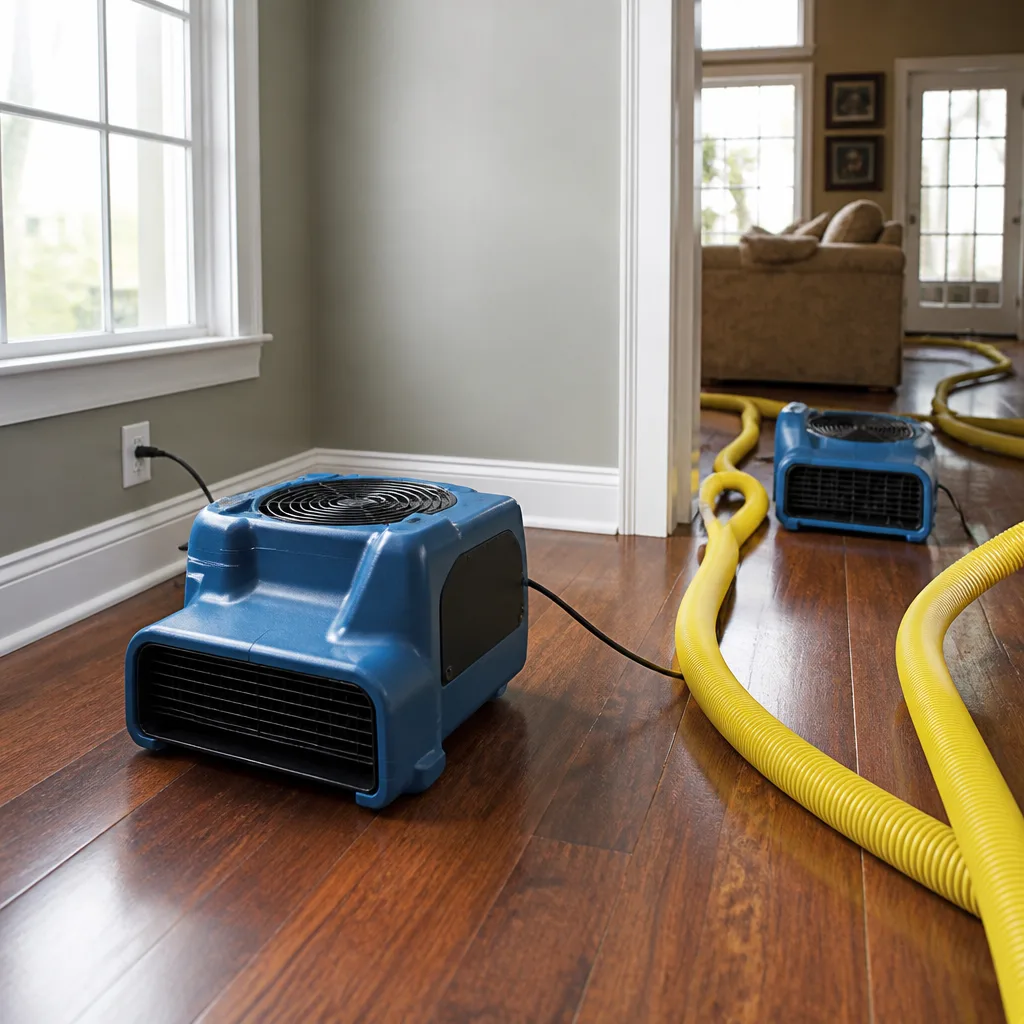
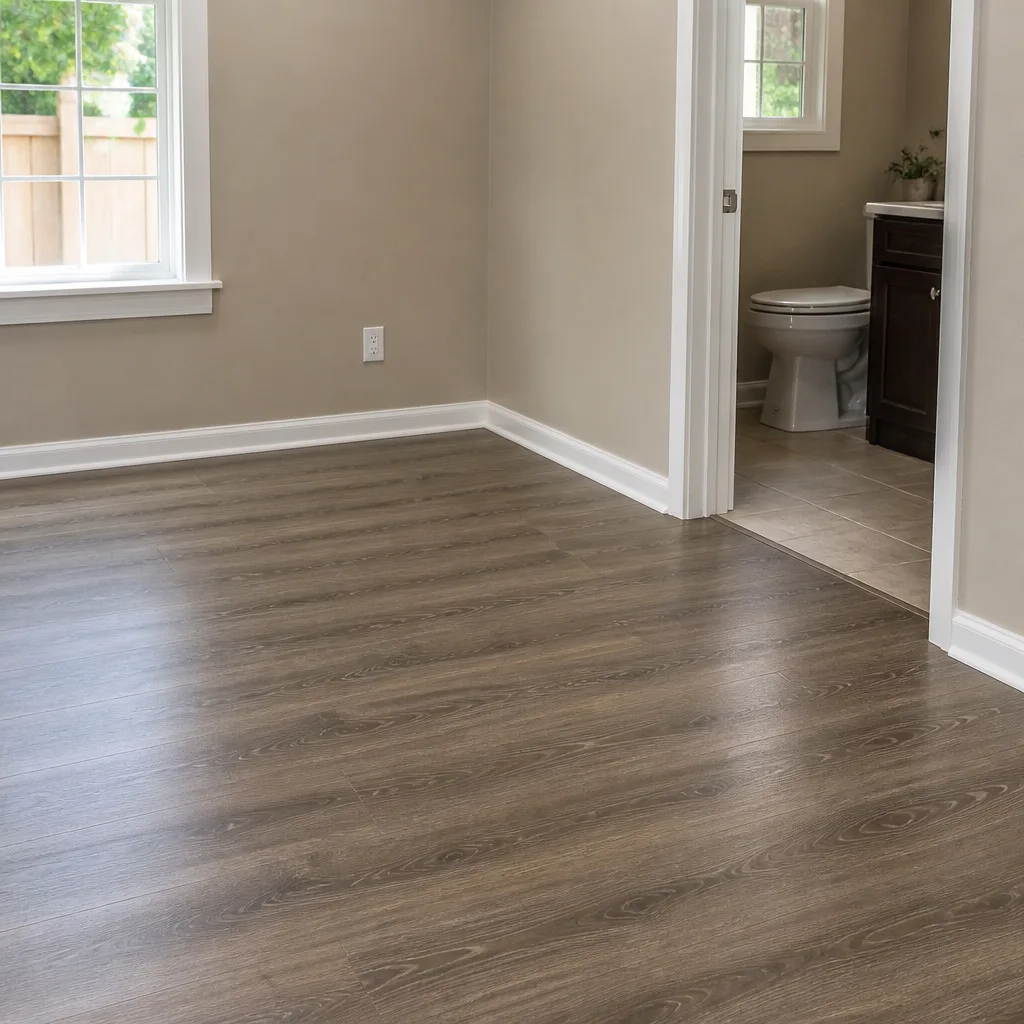
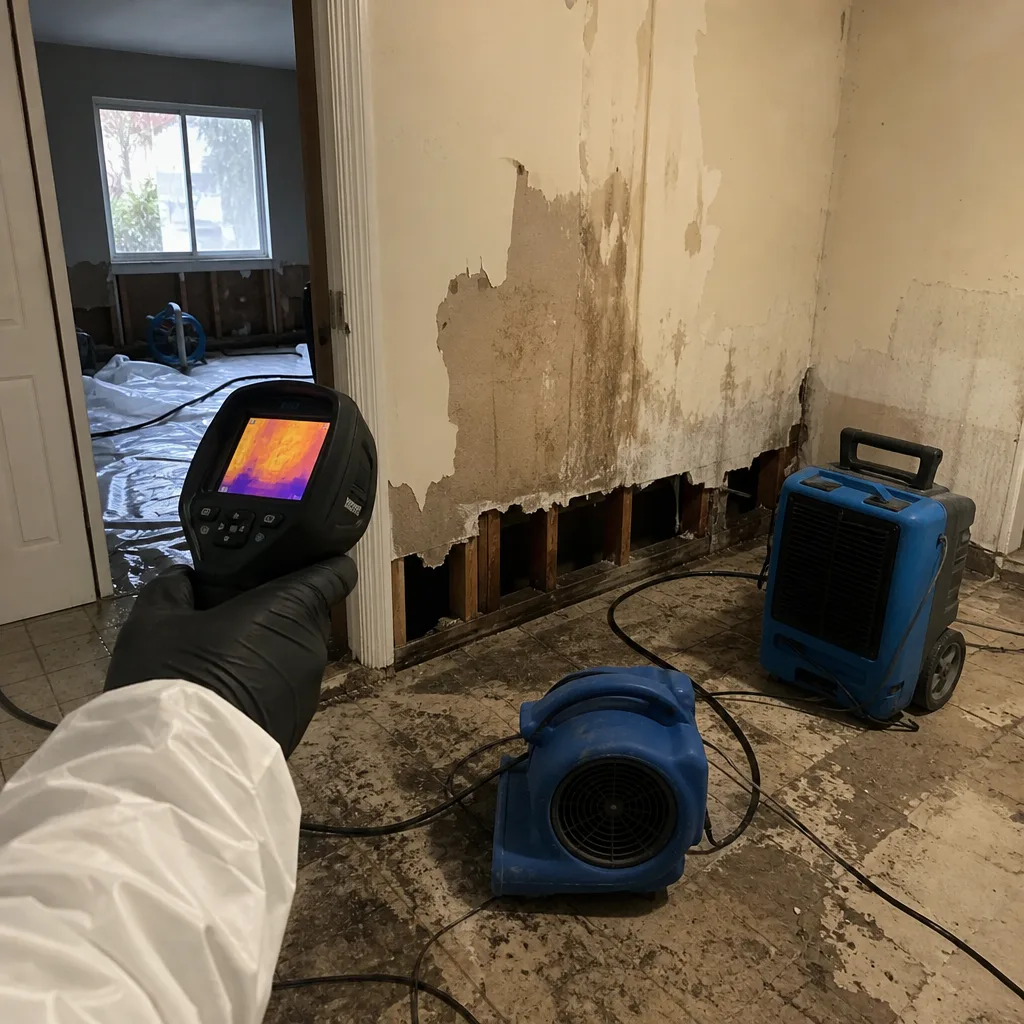 Before
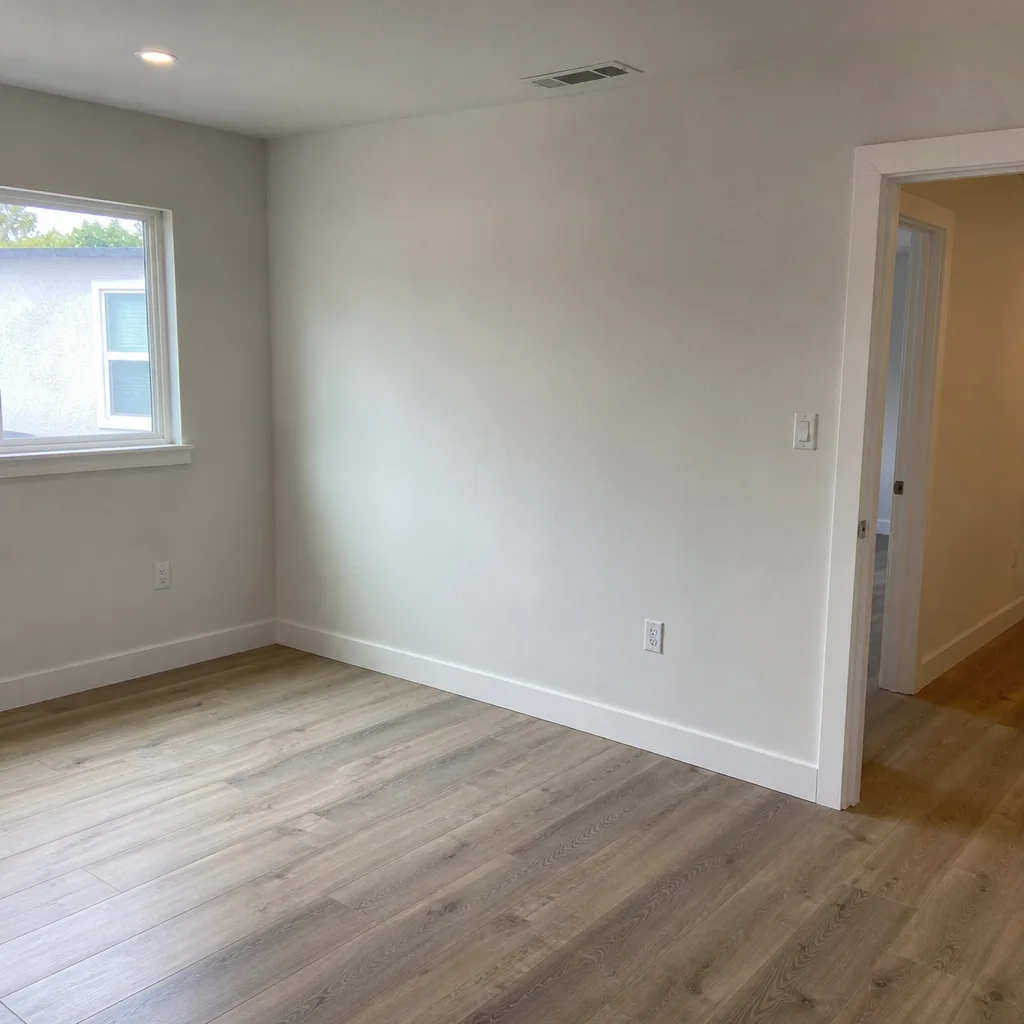 After
After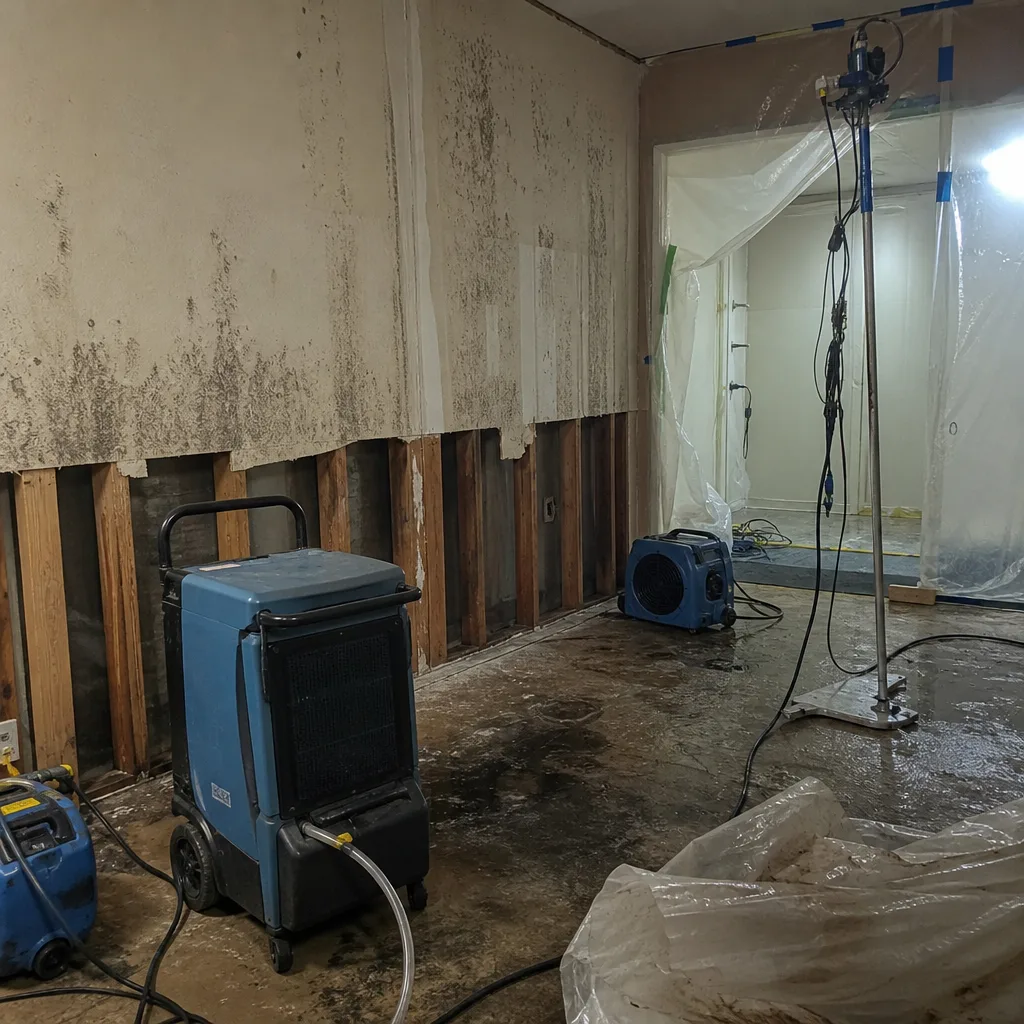 Before
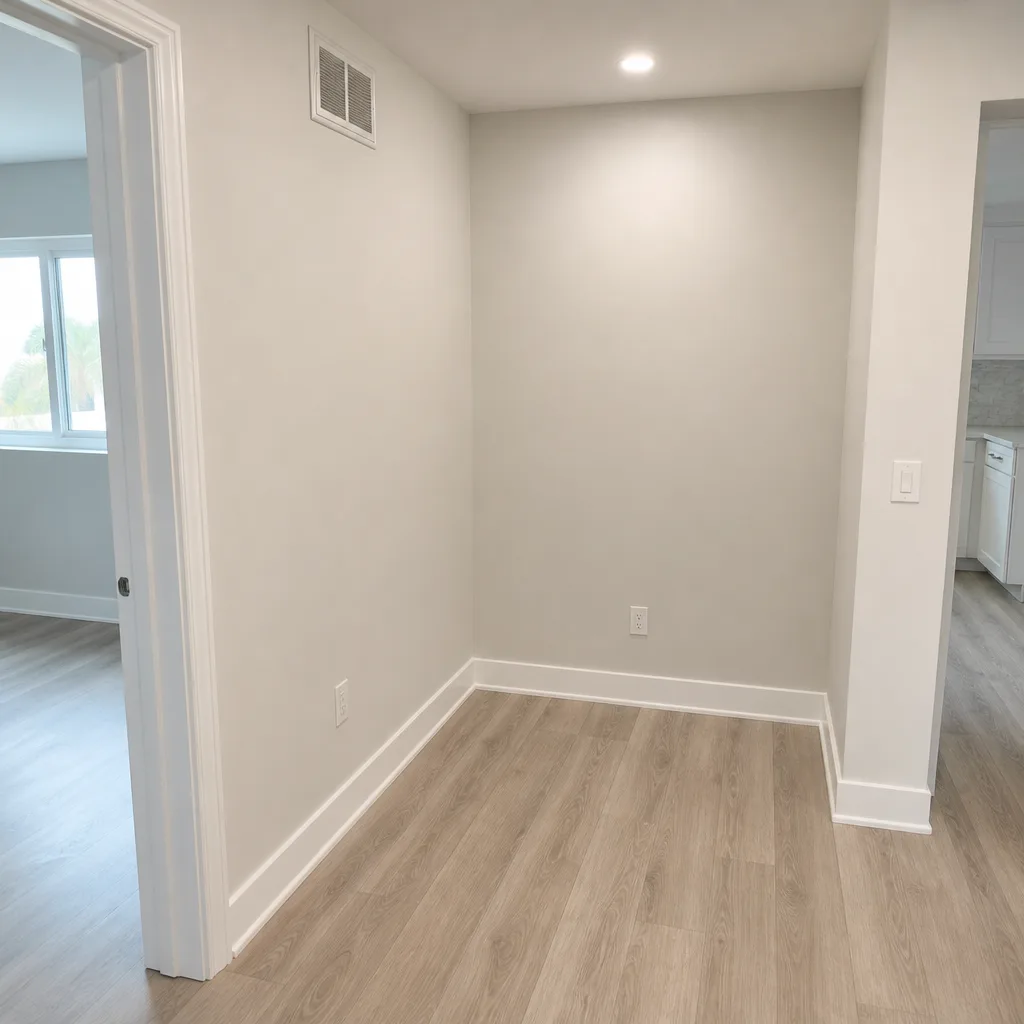 After
After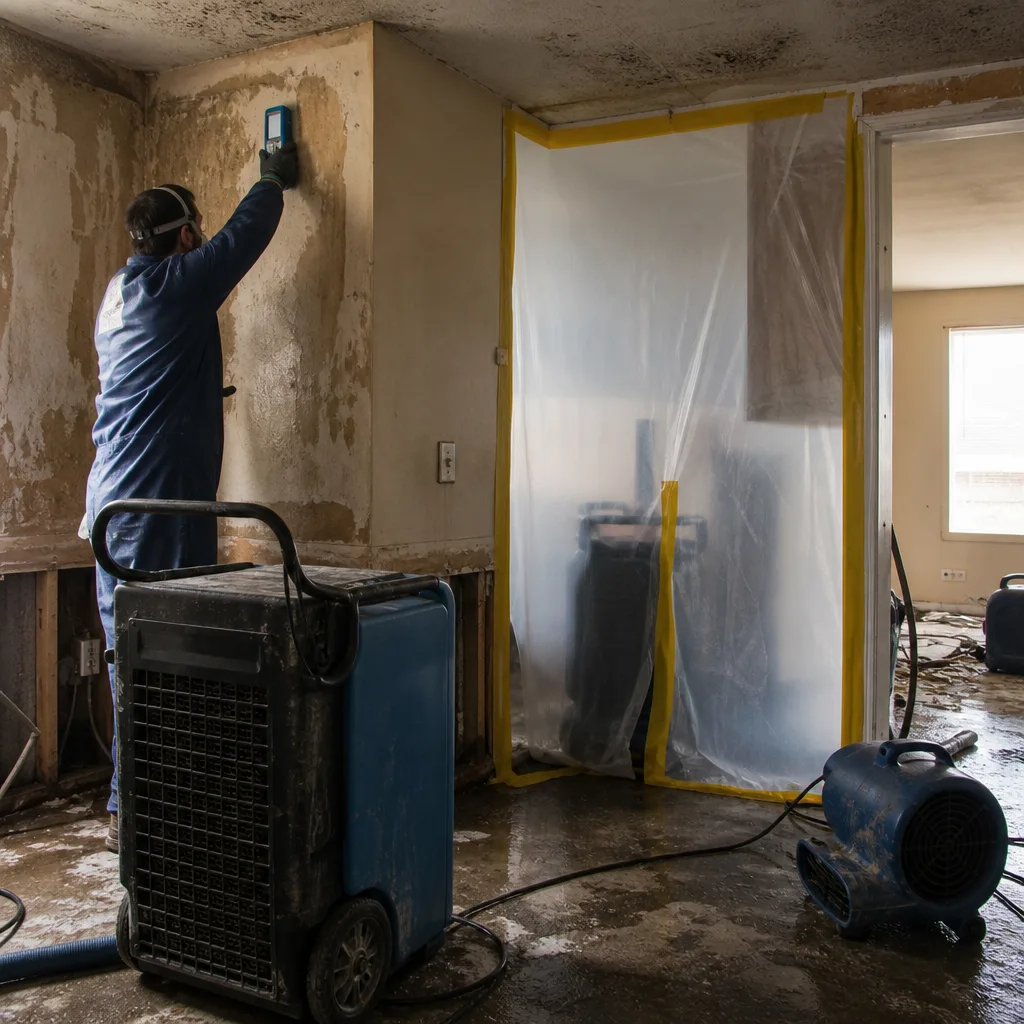 Before
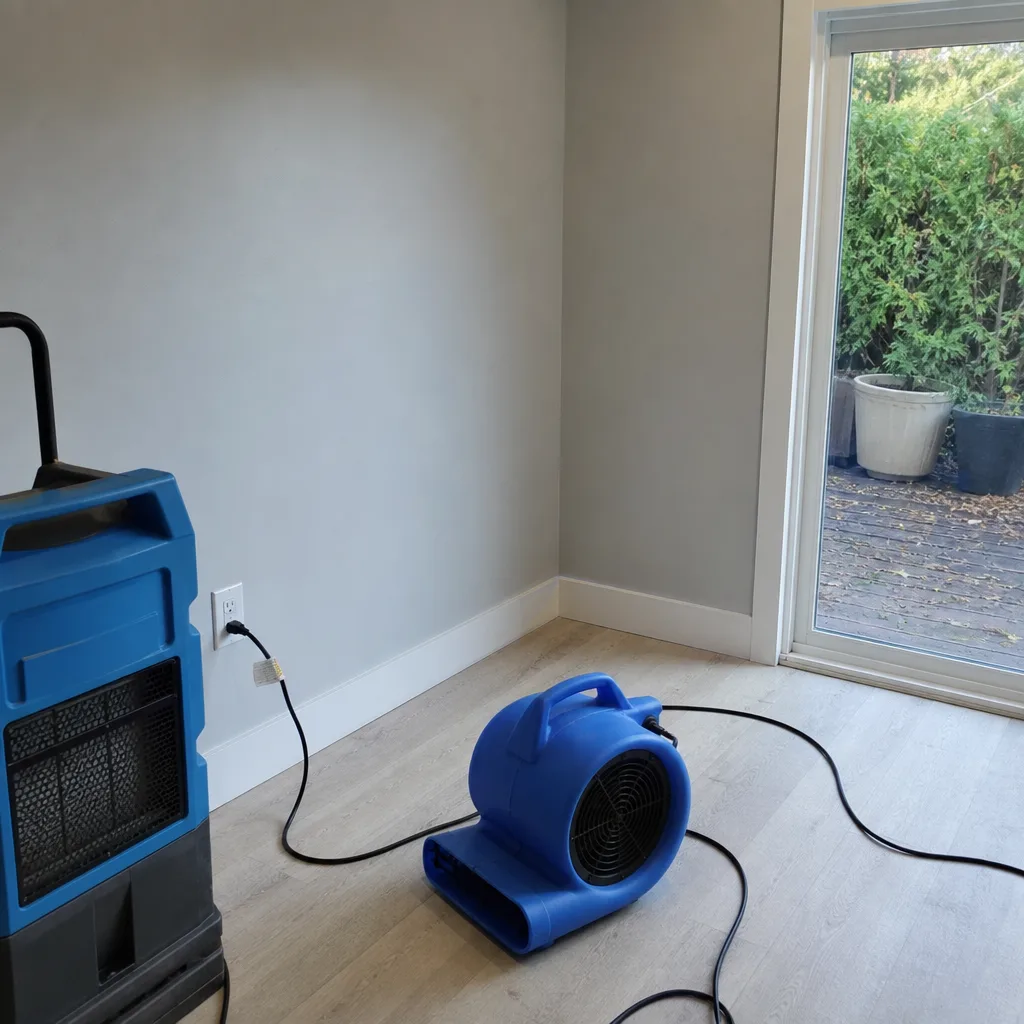 After
AfterDamage Restoration Cost Breakdown: The Long Beach Homeowner’s Reference for 2026
The single line item most often inflated on a Long Beach restoration invoice is equipment rental. Specifically, dehumidifier and air-mover daily rates billed at $85-$120 per unit when industry-standard reimbursement rates run $45-$65. Most homeowners have no reference point to recognize the gap. This guide gives you the unit-rate framework that adjusters and contractors actually use, so you can read a restoration invoice line by line and identify what’s reasonable, what’s inflated, and what’s missing. Price transparency is not just a consumer right in Long Beach; it’s a claim management tool.
Quick Answer
Water damage restoration in Long Beach typically costs $3,500-$8,500 for a standard single-room mitigation, with reconstruction adding $12-$28 per square foot for drywall, paint, and finish work. Category 1 clean water jobs fall at the lower end; Category 3 black water losses with sewage contamination can exceed $15,000 for mitigation alone. The final invoice depends on three factors you can verify: the water classification documented on day one, the equipment count justified by psychrometric readings, and whether the estimate separates mitigation from reconstruction.
Table of Contents
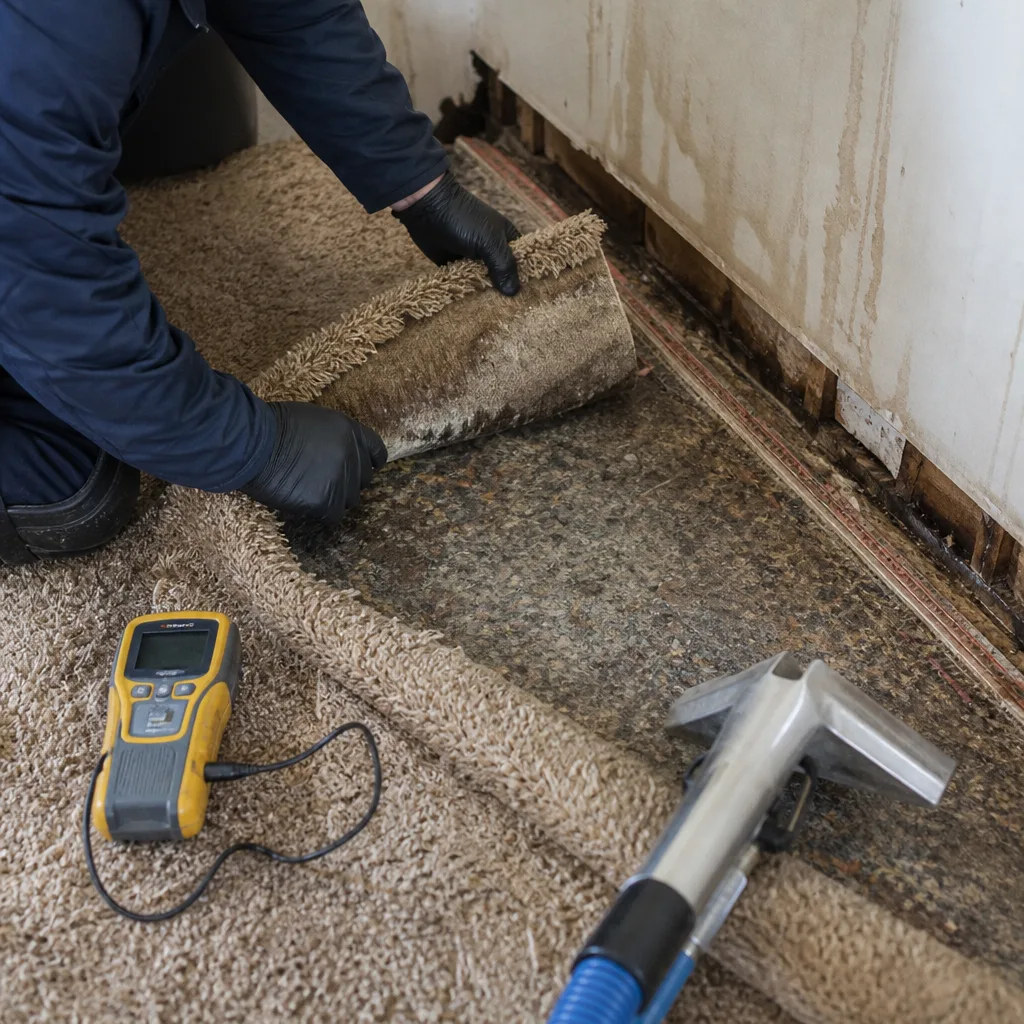
- Unit-Rate Benchmarks: What Adjusters Actually Pay in 2026
- How Water Classification Multiplies Your Base Cost
- Mitigation vs. Reconstruction: Two Invoices, Not One
- Long Beach Cost Variables: What’s Legitimate vs. Inflated
- How to Audit a Restoration Invoice Before You Pay
- Equipment Counts and Daily Rates: The Documentation That Protects You
- Common Mistakes to Avoid
- When to Call a Professional
- Frequently Asked Questions
 Before
 After
AfterUnit-Rate Benchmarks: What Adjusters Actually Pay in 2026
Restoration contractors in Long Beach price from Xactimate, the estimating software that insurers use to set reimbursement ceilings. Understanding these unit rates lets you spot markup before you sign a direction-to-pay.
Here are the 2026 Los Angeles metro benchmarks for the most common line items, drawn from Xactimate pricing data. These are not retail prices; they are the rates that experienced adjusters expect to see on a documented invoice.
| Line Item | Unit | Xactimate Range (LA Metro 2026) | Inflated Rate to Question |
|---|---|---|---|
| Demolition, wet drywall/insulation | Per square foot | $2.80-$4.50 | Above $6.00 without asbestos or lead documentation |
| Dehumidifier, commercial (LGR) | Per day | $45-$65 | Above $75 without justification |
| Air mover, axial or centrifugal | Per day | $18-$28 | Above $35 |
| HEPA air scrubber | Per day | $35-$55 | Above $70 without negative-air containment |
| Antimicrobial application | Per square foot | $0.45-$0.85 | Above $1.20 |
| Drywall replacement, 1/2″ | Per square foot | $2.20-$3.80 | Above $5.00 without fire-rated or sound-rated specification |
| Paint, two coats | Per square foot | $1.60-$2.80 | Above $3.50 |
| Flooring removal, carpet/pad | Per square foot | $1.40-$2.20 | Above $3.00 |
| Content manipulation (pack-out) | Per hour, per technician | $65-$95 | Above $120 without IICRC contents certification |
These rates assume standard access, eight-foot ceilings, and no hazardous material. A two-story home in Belmont Heights with plaster lath instead of drywall will run higher for demo, but the contractor must document why. In our experience, the most common markup in Long Beach is equipment rental on multi-day jobs where the contractor fails to adjust the count as drying progresses. A job that starts with six air movers should drop to three by day three if psychrometric data shows normal moisture equilibrium. The daily rate stays flat; the unit count should not.
Water Damage Restoration in Long Beach from a documentation-first contractor includes daily moisture logs that justify every equipment day billed. Without those logs, you have no leverage with your adjuster.
How Water Classification Multiplies Your Base Cost
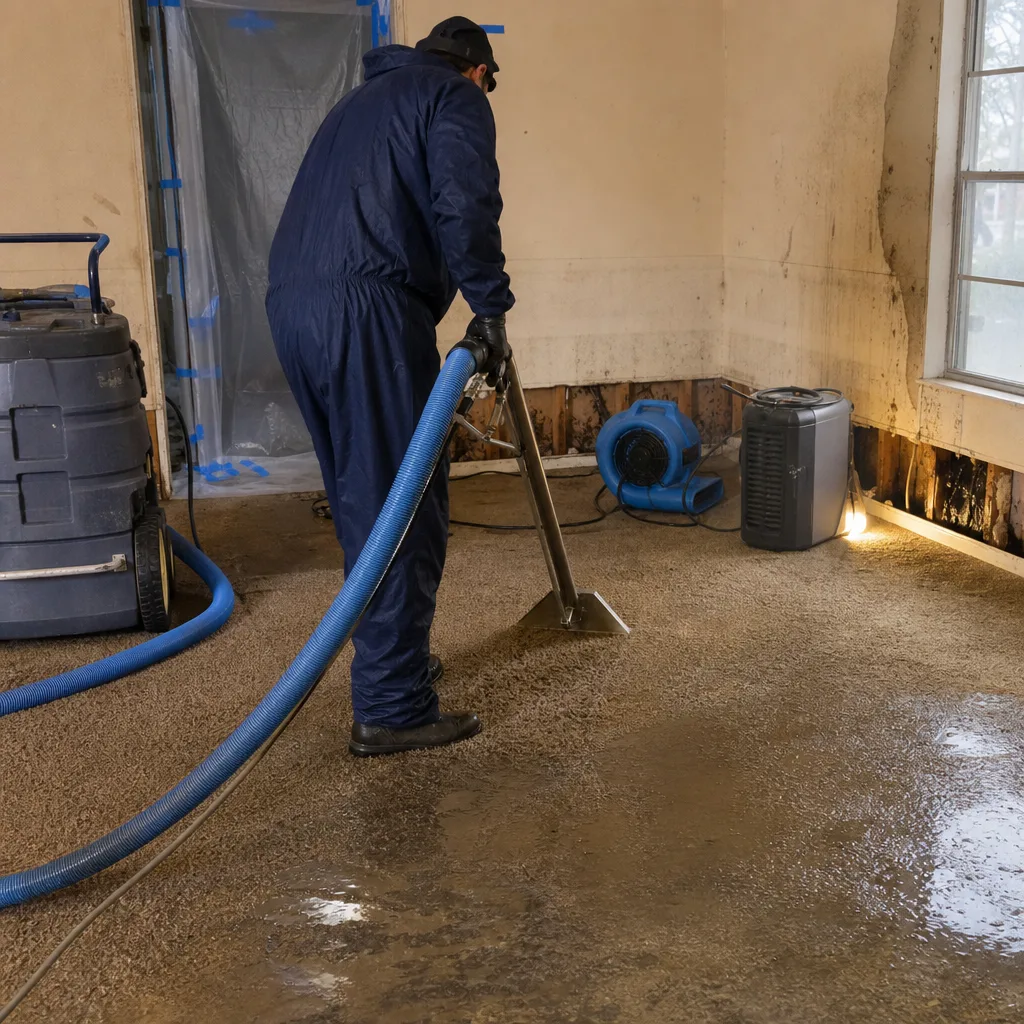
IICRC S500, the standard that governs water damage restoration, defines three categories of water. The category assigned on day one determines the safety protocol, the documentation burden, and the price multiplier. A contractor cannot lawfully bill Category 3 rates on a Category 1 job without evidence that the water degraded in place, typically over 72 hours.
Category 1: Clean Water
Originates from a sanitary source: broken supply line, tub overflow with no contaminants, melting ice. Base rates apply. Required documentation: moisture mapping, initial psychrometric readings, daily drying logs. No antimicrobial application is standard unless mold is documented.
Category 2: Gray Water
Contains significant contamination: dishwasher discharge, washing machine overflow, sump pump failures. Adds 30-60% to base mitigation costs. Required documentation: Category 2 declaration with contamination source identified, antimicrobial application on all affected porous materials, enhanced PPE logs for technicians.
Category 3: Black Water
Grossly contaminated: sewage backup, seawater flooding, rising ground water. Multiplies base mitigation by 100-200%. Required documentation: Category 3 declaration with pathogen testing, full PPE with respirator fit-test records, negative-air containment with HEPA scrubbing, disposal manifests for regulated waste, post-remediation clearance testing by third-party lab.
In Long Beach, Category 3 events spike during winter storm surges and king tide periods, particularly in the Alamitos Beach and Naples Island areas where groundwater tables sit high. We’ve seen Category 1 kitchen supply-line losses convert to Category 3 after sitting unmitigated for five days during a holiday weekend - one of the Damage Restoration Warning Signs: A Long Beach Homeowner’s Reference Guide we document regularly. The documentation chain must show when the water was discovered, when mitigation began, and what changed the classification. Without that chain, an adjuster can deny the Category 3 uplift and reduce payment to Category 1 rates, leaving the homeowner with a $6,000-$8,000 gap.
The Haven Standard, Clause 1 requires a written price before work begins, and that price must state the water category and the documentation that supports it. If a contractor hands you a single-page estimate with no classification, no moisture readings, and no equipment count, you are not looking at a real scope. You are looking at a placeholder for bill-padding.
Mitigation vs. Reconstruction: Two Invoices, Not One
Homeowners in Long Beach routinely conflate mitigation and reconstruction when reviewing their insurer’s payment. This confusion costs them thousands, because the two trades carry different pricing structures, different contractor qualifications, and different payment timelines.
Mitigation is emergency work to stop ongoing damage and stabilize the structure. It is priced by the day, by the equipment unit, and by the hour of labor. It begins immediately, often before an adjuster visits, and is paid from the dwelling coverage limit with minimal dispute if documented correctly. Mitigation contractors in Long Beach typically charge $150-$250 per hour for emergency response with a four-hour minimum, plus equipment rental at the daily rates above.
Reconstruction is the rebuild: new drywall, paint, flooring, cabinets, fixtures. It is priced by the square foot and by the line item, like any remodeling contract. It requires permits for structural, electrical, or plumbing work. It is scheduled, not emergency-dispatched. And it should never begin until mitigation is complete, moisture levels are documented below 16% wood moisture content, and a written reconstruction estimate is signed.
The gap between mitigation and reconstruction is where homeowners get stranded. A contractor who does both may finish mitigation, present a verbal reconstruction estimate, and pressure for a quick start before the homeowner has a competing bid or adjuster approval. In California, a contractor cannot legally demand more than 10% or $1,000 (whichever is less) as a down payment on reconstruction work, and any demand for full mitigation payment before reconstruction begins should trigger scrutiny.
Here is how to separate the two phases on your own records:
- Request a final mitigation invoice with equipment decommission dates, final moisture readings, and a signed completion certificate.
- Obtain two written reconstruction estimates from separate contractors, or request that your mitigation contractor bid reconstruction as a distinct job with a new scope and new start date.
- Verify that reconstruction permits are pulled through the City of Long Beach Development Services portal; unpermitted electrical or plumbing work voids most homeowners insurance policies.
- Confirm that your insurer has approved reconstruction scope before work begins, or understand that you are self-funding any disputed portion.
At DryMark Restoration Long Beach home, we separate mitigation and reconstruction invoices by default. The written price before work begins applies to each phase independently. Haven Standard, Clause 1 does not permit scope-creep additions once the crew is inside, and that protection extends across both phases.
Long Beach Cost Variables: What’s Legitimate vs. Inflated
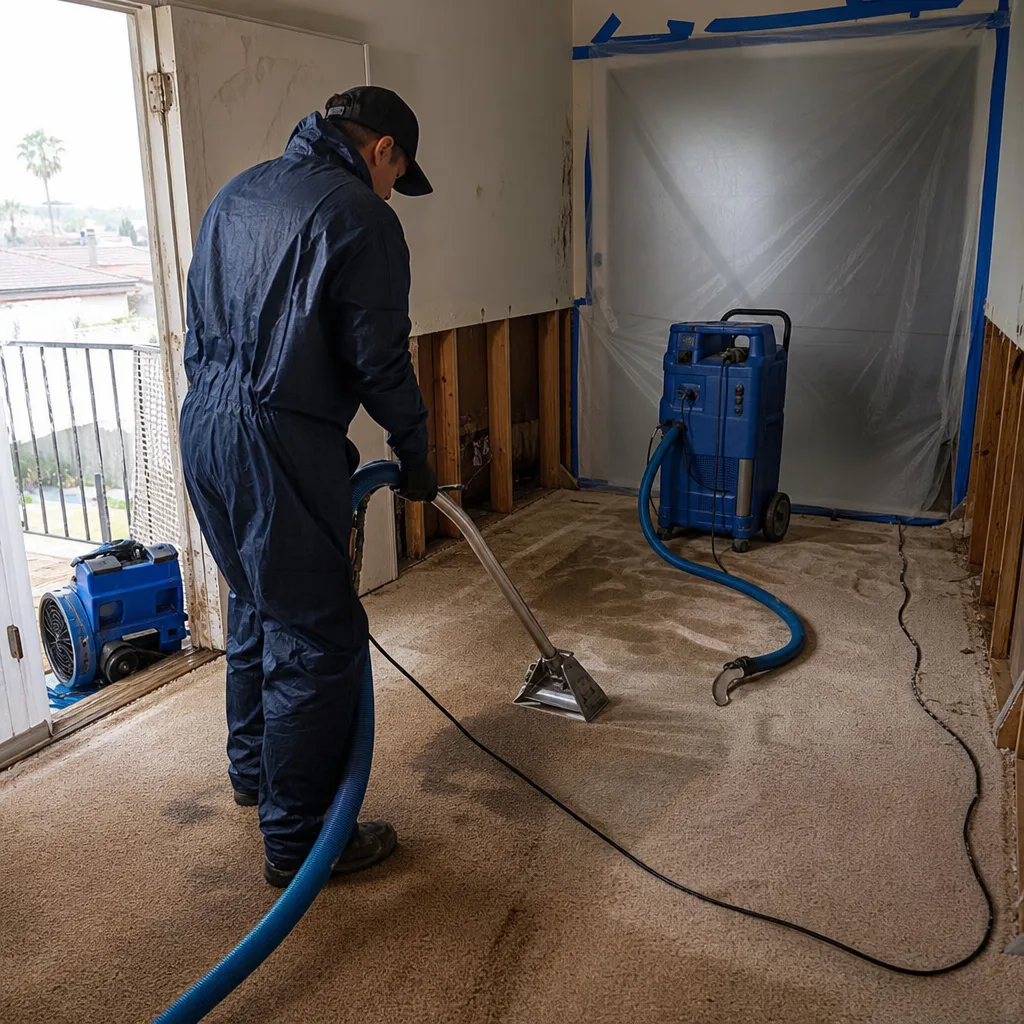
Some cost variation is real and site-specific. Some is contractor markup dressed in local jargon. Knowing the difference protects your claim.
Legitimate Long Beach variables:
- Labor rates: Los Angeles County prevailing wage for restoration labor runs 12-18% above national averages. A technician hour billed at $75-$95 is standard; below $60 suggests uninsured cash labor, above $120 demands journeyman-level certification or hazardous material handling.
- Disposal fees: Long Beach waste haulers charge $85-$140 per ton for construction debris at the Southeast Resource Recovery Facility, with minimum load fees for small jobs. Category 3 waste requiring manifest disposal runs $180-$250 per ton. Any disposal line without a weight ticket or manifest number is unverifiable.
- Permit costs: City of Long Beach charges $180-$450 for residential reconstruction permits depending on project value, plus plan check fees for structural work. Electrical and plumbing permits are separate. A contractor who folds permit costs into a lump sum without itemization may be marking up 50% or more.
- Access constraints: Historic homes in Bluff Park or Rose Park with original plaster, lathe, or lead paint require EPA RRP-certified technicians and documented abatement. This adds $35-$55 per hour for certified labor and $8-$15 per square foot for containment and disposal.
- Coastal climate: Long Beach’s marine layer elevates ambient humidity 8-15% above inland Los Angeles for 180+ days annually. This extends drying times and justifies additional dehumidifier days, but only if daily psychrometric logs show vapor pressure differential remaining above the target threshold. A contractor who bills extra days without data is charging for weather, not work performed.
Variables that cannot be justified beyond regional norms:
- “Emergency surcharge” for after-hours response when the contractor advertises 24/7 service. The standby cost is built into the base rate.
- “Fuel surcharge” beyond the IRS standard mileage rate for the actual distance from the contractor’s facility.
- “Administrative fee” for photo documentation or drying logs. These are standard deliverables under IICRC S500 and RIA guidelines, not optional add-ons.
- Equipment rates scaled to job size. A dehumidifier costs the same to deploy on a $2,000 job as a $20,000 job; the daily rate should not inflate with loss severity.
In the Bixby Knolls area, we’ve reviewed invoices where contractors billed “coastal corrosion prevention” at $400-$600 for standard steel equipment that requires no special treatment. The term sounds technical; the charge is fabricated. Ask for the specification sheet that defines the service, or reject the line item.
How to Audit a Restoration Invoice Before You Pay
You do not need to be a contractor to audit a restoration invoice. You need the unit-rate benchmarks above, the documentation requirements for your water category, and the willingness to question line items that lack supporting detail.
Step 1: Verify the water classification and its documentation
Check that the invoice references Category 1, 2, or 3 on page one. For Category 2 or 3, look for: contamination source description, antimicrobial product SDS sheet, PPE logs, and disposal manifests. If these are absent, the uplift is unsupported.
Step 2: Count the equipment and match to drying logs
Multiply the unit count by the daily rate by the number of days. Cross-reference to the daily moisture logs. Equipment should decommission as drying progresses. A flat equipment count across five days with no decommission is a red flag unless the logs show persistent elevated moisture.
Step 3: Check labor hours against the scope
Two technicians for eight hours is 16 labor hours. Does the scope of work require 16 hours? Demo of 200 square feet of drywall and insulation, plus setup and breakdown, typically runs 6-10 hours. Excess labor without task breakdown suggests padding.
Step 4: Validate material and disposal charges
Disposal should show weight tickets or manifest numbers. Material replacement should specify brand and grade: “drywall, 1/2″, USG Sheetrock” not “wall repair material.” Vague descriptions permit substitution of inferior product at premium pricing.
Step 5: Compare to Xactimate or engage a public adjuster
Xactimate estimator reviews cost $350-$750 and typically recover 15-40% of disputed invoice amounts. Public adjusters charge 10-20% of the claim recovery and handle the full negotiation. For invoices above $10,000, the fee is usually recovered in the first dispute. The California Department of Insurance licenses public adjusters; verify credentials at insurance.ca.gov before engaging.
Back to Dry Restoration offers a Free Second Opinion on any competitor’s written estimate. Bring your invoice and we will review it against Xactimate benchmarks and IICRC standards at no charge. Alicia Brennan built this service into The Haven Standard after twelve years of watching homeowners pay inflated charges they could have disputed with a single phone call.
Equipment Counts and Daily Rates: The Documentation That Protects You
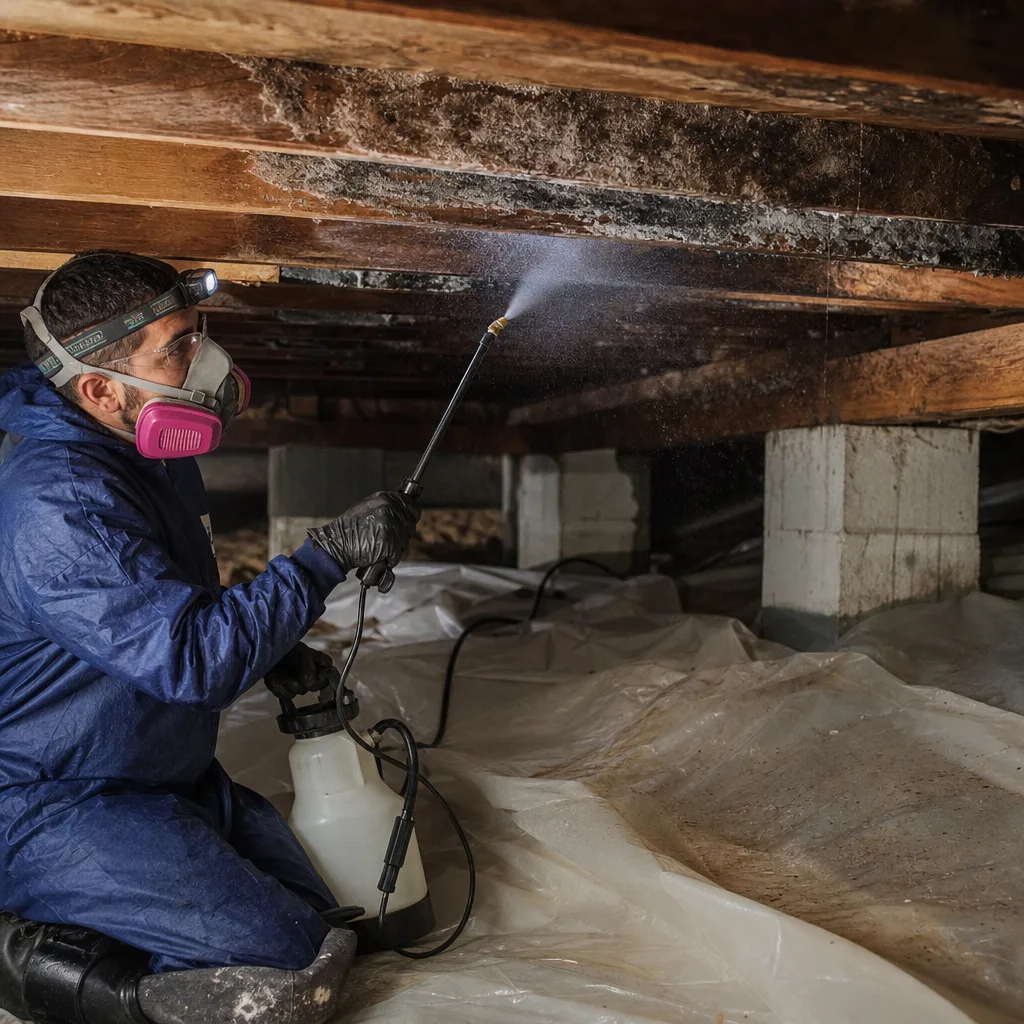
The equipment section of a restoration invoice is where documentation discipline separates legitimate contractors from opportunists. Every dehumidifier, air mover, and air scrubber must be justified by the physics of drying, not by the size of the loss.
Psychrometric data: the language of drying
Psychrometrics is the measurement of air moisture content. A restoration contractor uses a psychrometric chart to determine how much moisture air can hold at a given temperature, and how much dehumidification capacity is required to maintain a vapor pressure differential that pulls water from wet materials into the air stream. The key readings are: temperature (degrees Fahrenheit), relative humidity (percentage), and dew point (the temperature at which condensation occurs). Daily logs should show these readings for each affected room, with target ranges specified and actual results recorded.
Equipment sizing formula
IICRC S500 provides a standard calculation: one air mover per 50-70 square feet of affected floor area in the first 24 hours, with one LGR dehumidifier per 1,000-1,200 square feet of affected space. These are starting points, not constants. A sealed crawl space in Long Beach with limited ventilation may need 50% more dehumidification capacity. A second-story room with open windows and cross-breeze may need less. The contractor must document the rationale for deviation.
What daily rates should include
The daily rental rate covers: equipment delivery and setup, monitoring and adjustment, maintenance and filter replacement, and decommission and removal. It does not cover: electricity consumption (the contractor’s cost of operation), damage to the equipment from site conditions, or extended rental due to contractor scheduling failures. If a contractor bills for equipment days when no technician visited the site, that is phantom rental and it is indefensible.
Professional-grade drying systems from Dri-Eaz, Phoenix, and B-Air produce data logs that export to PDF. Ask for that export. A contractor using undocumented equipment or refusing to share logs is asking for trust they have not earned. At Back to Dry, every dehumidifier and air scrubber deployed is logged by serial number, with daily readings attached to the photo record delivered at job completion.
Fire & Smoke Damage Restoration in Long Beach carries additional equipment documentation requirements, including hydroxyl generator and ozone treatment logs with exposure duration and clearance testing. The same audit principles apply.
Common Mistakes to Avoid
- Signing a direction-to-pay before reviewing the invoice. A direction-to-pay assigns your insurance payment directly to the contractor. Once signed, you lose leverage to dispute inflated charges. Review every line item against the benchmarks in this guide before authorizing payment transfer.
- Accepting a single combined estimate for mitigation and reconstruction. This structure hides markup in the transition between phases and prevents competitive bidding on the rebuild. Insist on separate scopes, separate prices, separate start dates.
- Ignoring the Category 1-to-Category 3 conversion window. Water left unmitigated for 72 hours degrades from clean to gray, and gray to black, with exponential cost consequences. In Long Beach’s humid coastal climate, that window shortens. Document the discovery time and demand immediate response.
- Paying for equipment days without daily logs. Every day of dehumidifier or air mover rental must correspond to a technician visit with recorded readings. Phantom equipment days are the most common invoice inflation we see in Los Angeles County.
- Skipping permit verification for reconstruction. Unpermitted electrical, plumbing, or structural work voids insurance coverage and creates liability on resale. Verify permit status through the City of Long Beach before final payment.
- Assuming insurance approval equals invoice accuracy. Adjusters approve estimates based on documentation quality, not line-item scrutiny. An approved estimate can still contain inflated rates or unnecessary scope. Your approval matters more than the insurer’s.
- Declining a second opinion to avoid delay. A 48-hour pause for estimate review by a public adjuster or competing contractor typically recovers more than it costs in time. Water damage does not worsen meaningfully in 48 hours if the source is stopped and temporary drying is active.
When to Call a Professional
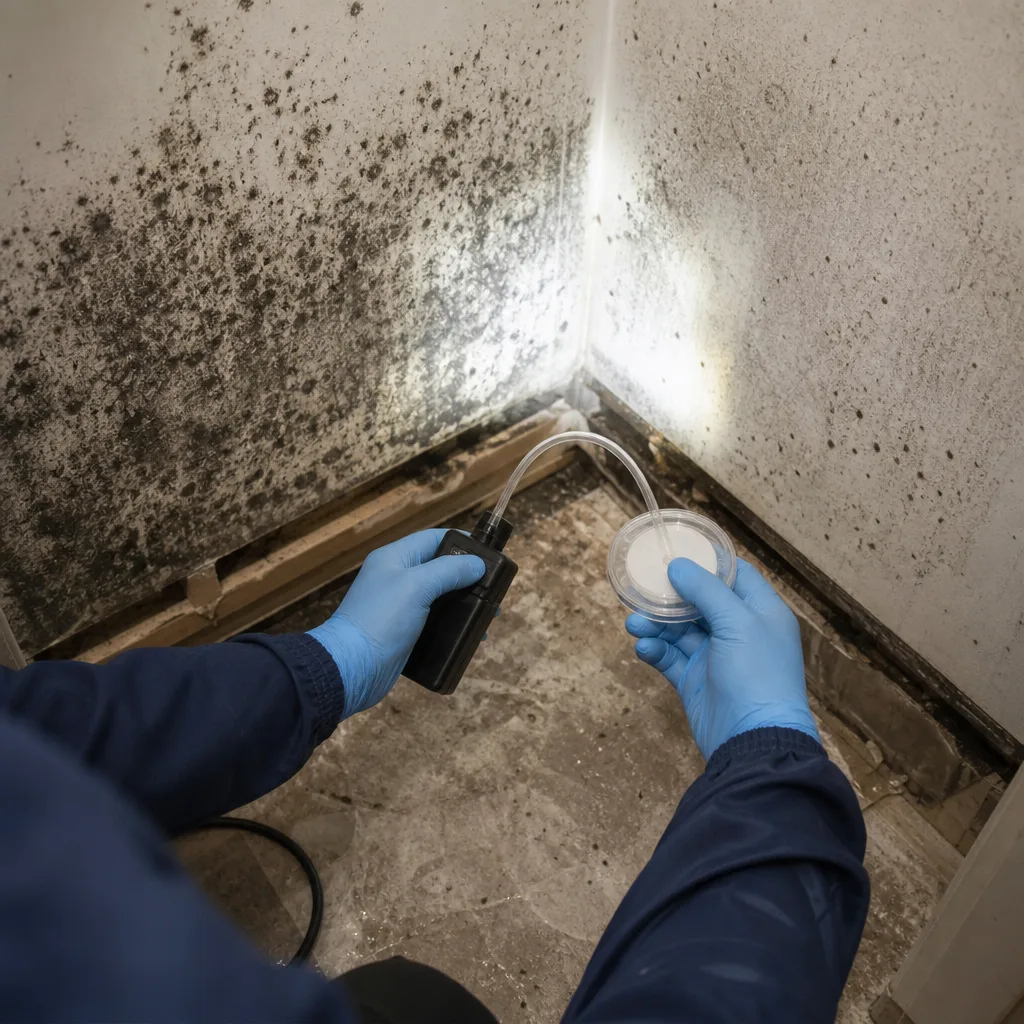
Call a restoration contractor immediately when: water has penetrated beyond surface flooring into subfloor or wall cavities; sewage or standing water is present; mold is visible or suspected behind finished surfaces; fire damage has compromised structural elements or HVAC systems; or you smell smoke odor more than 48 hours after a fire event. These conditions require equipment, containment, and documentation that homeowners cannot self-provide.
For smaller, contained events, a homeowner with a wet-dry vacuum and box fans can address surface water on tile or sealed concrete if the area dries within 24 hours. Anything beyond that scope risks secondary damage, mold amplification, and claim denial for failure to mitigate.
DryMark Restoration Long Beach offers free estimates in Long Beach. Call (424) 373-5092. Every estimate is written, itemized, and delivered before work begins under Haven Standard, Clause 1. Our live dispatch answers 24 hours a day, 7 days a week, with no voicemail on emergency lines.
Frequently Asked Questions
Single-room mitigation typically runs $3,500-$8,500, with whole-house Category 1 losses reaching $15,000-$25,000 and Category 3 sewage losses exceeding $30,000 for mitigation alone. Reconstruction adds $12-$28 per square foot for standard finishes. Call (424) 373-5092 for a written estimate on your specific loss - estimates are free.
Homeowners insurance covers sudden and accidental water damage from internal sources, but excludes gradual leaks, flood damage (unless you carry separate flood insurance), and sewage backup (unless you purchased a rider). The key to full coverage is documentation: photos at discovery, a written scope from a licensed contractor, and daily drying logs that prove mitigation was prompt and complete. We coordinate directly with adjusters and provide the photo-documented records that support claim payment.
Emergency mitigation response in Long Beach averages 60-90 minutes during business hours and 90-120 minutes overnight, depending on contractor location and traffic on the 405 or 710 corridors. Reconstruction is scheduled, not emergency-dispatched, and typically begins 5-10 business days after mitigation completion and estimate approval. Ask any contractor for their actual average response time, not their advertised “fastest” time.
Visible mold growth exceeding 10 square feet requires professional remediation under California guidelines. Disturbing larger colonies without containment releases spores into HVAC systems and unaffected areas, amplifying the problem. For smaller patches on hard surfaces, a homeowner can use soap and water followed by thorough drying. If the mold returns, there is a moisture source that cleaning cannot address. Mold Remediation in Long Beach from a certified contractor includes source identification, containment, and clearance testing that protects your claim record.
The contractor should document the loss and present scope to the adjuster, but you retain authority over the claim. Never sign a blanket assignment of benefits that gives the contractor sole negotiating power. At Back to Dry, we provide your adjuster with daily photo records, moisture logs, and written scope updates, but all approvals route through you. Haven Standard, Clause 1 requires your signed authorization before any work begins.
Contractors typically mark up equipment rental 20-40% above their lease or ownership cost to cover maintenance, transport, and monitoring labor. This translates to the Xactimate ranges in this guide: $45-$65 per day for LGR dehumidifiers, $18-$28 for air movers. Markup beyond 50% without justification, or daily rates that scale with job size rather than equipment type, indicate invoice inflation. Request the equipment serial numbers and cross-reference to manufacturer specifications for capacity.
The Bottom Line
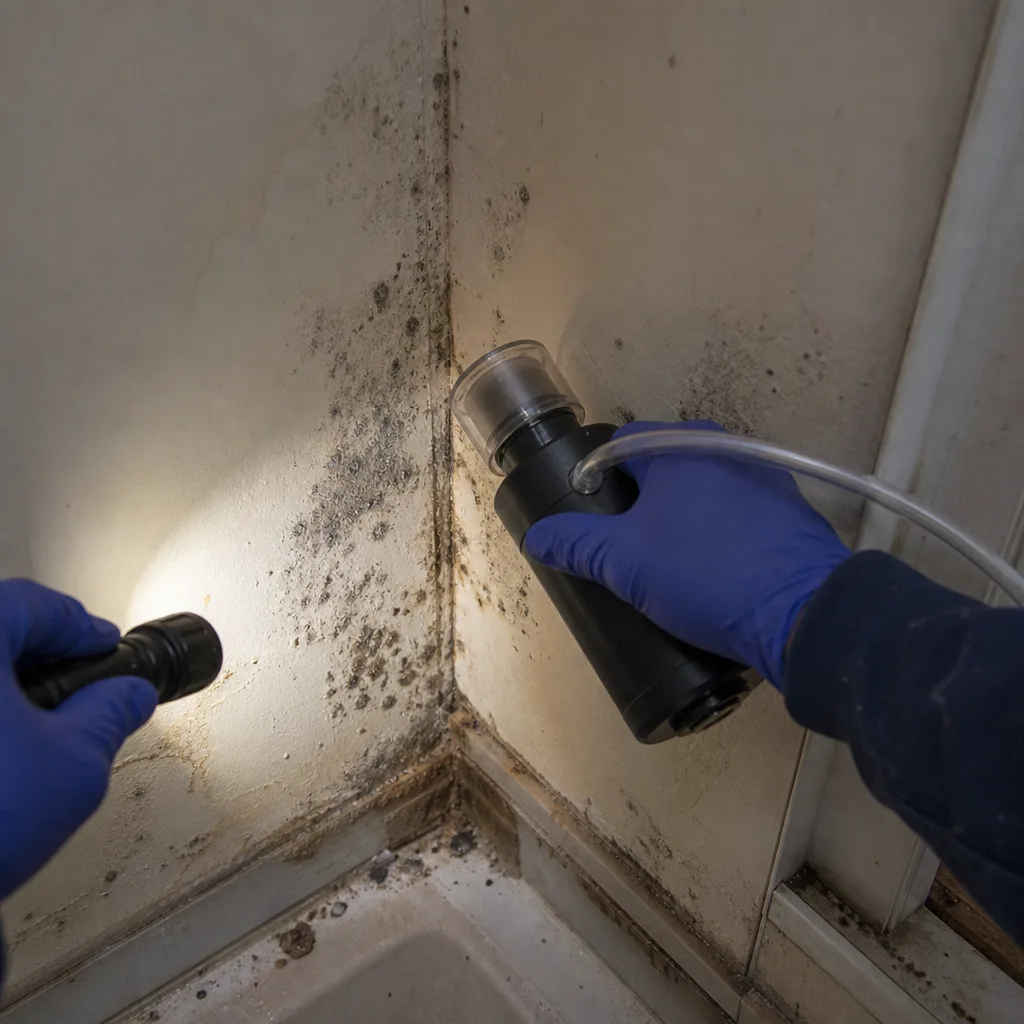
Restoration pricing is not a mystery. It is a set of unit rates, documentation requirements, and classification rules that adjusters apply every day. The Long Beach homeowner who understands these benchmarks can read an invoice with the same precision a contractor uses to write it. Water classification determines the price multiplier. Equipment counts must match daily logs. Mitigation and reconstruction are separate jobs with separate prices. And every legitimate charge can be traced to a documented measurement, a specified material, or a verified disposal manifest. Demand that traceability. It is your most effective claim management tool.
Written by Alicia Brennan, Owner at DryMark Restoration Long Beach, serving Long Beach since 2011.