
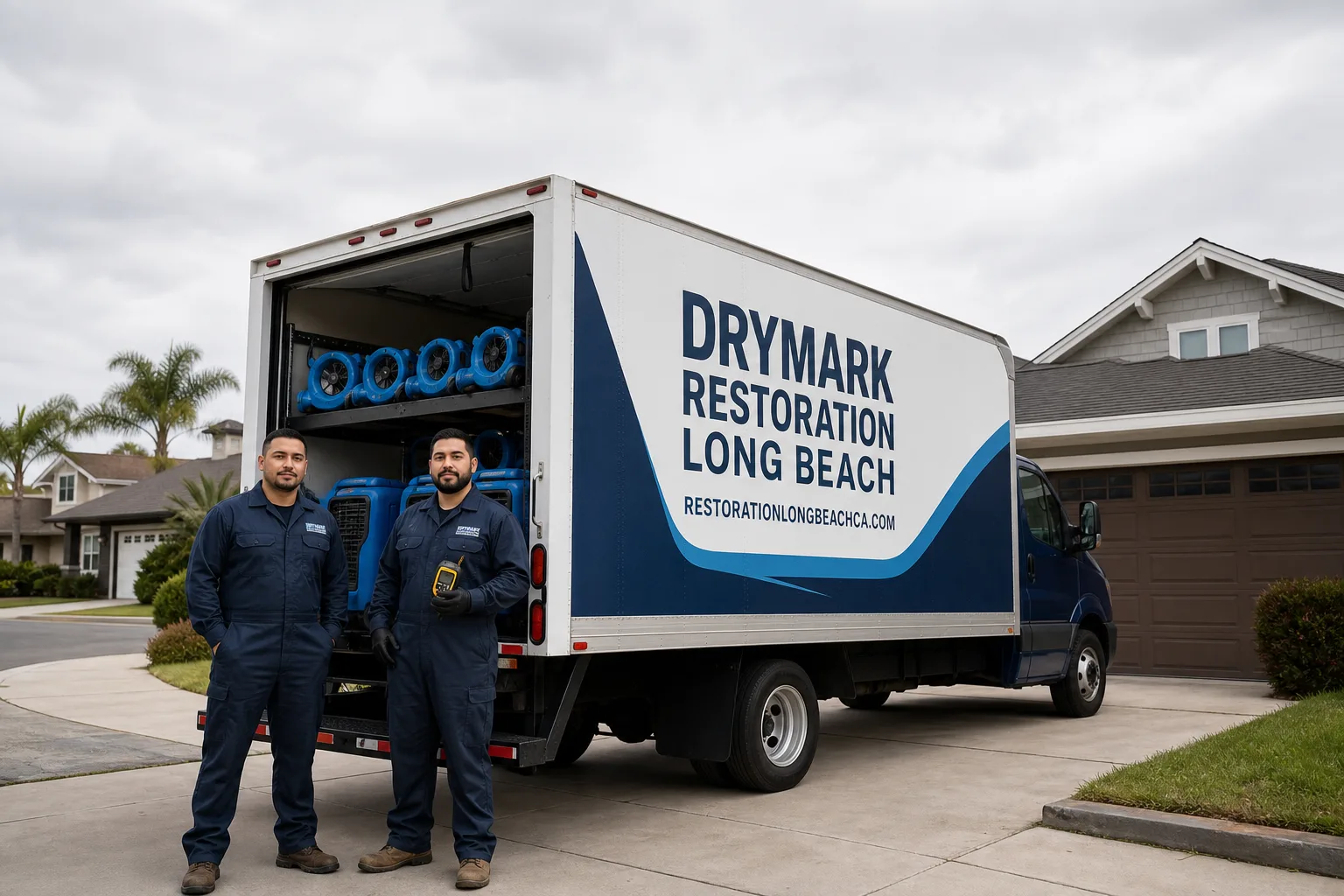
Free visual inspection and a written scope of work before any mitigation begins - photos, moisture readings, and drying logs go in your claim file
The scope we write is the scope we bill. Anything new gets shown to you, in writing, before we touch it.
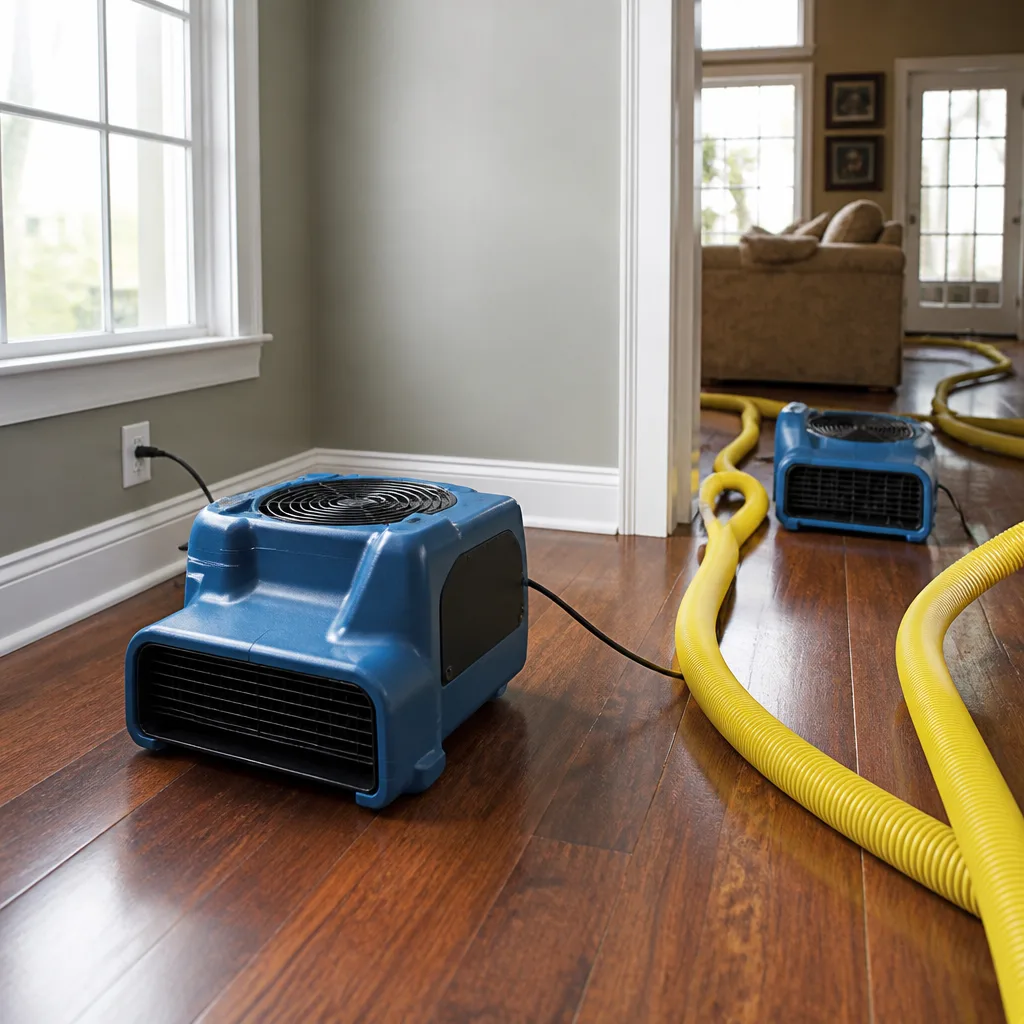
 Before
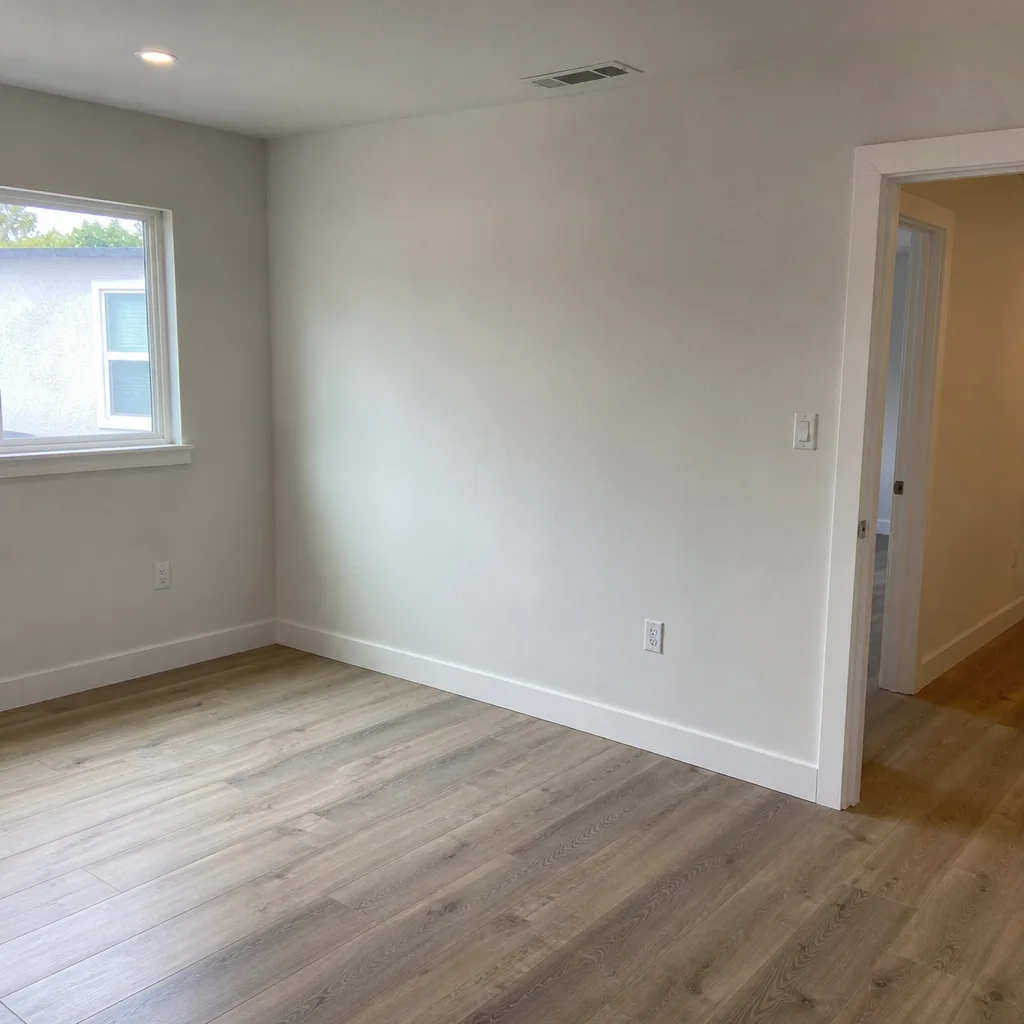 After
After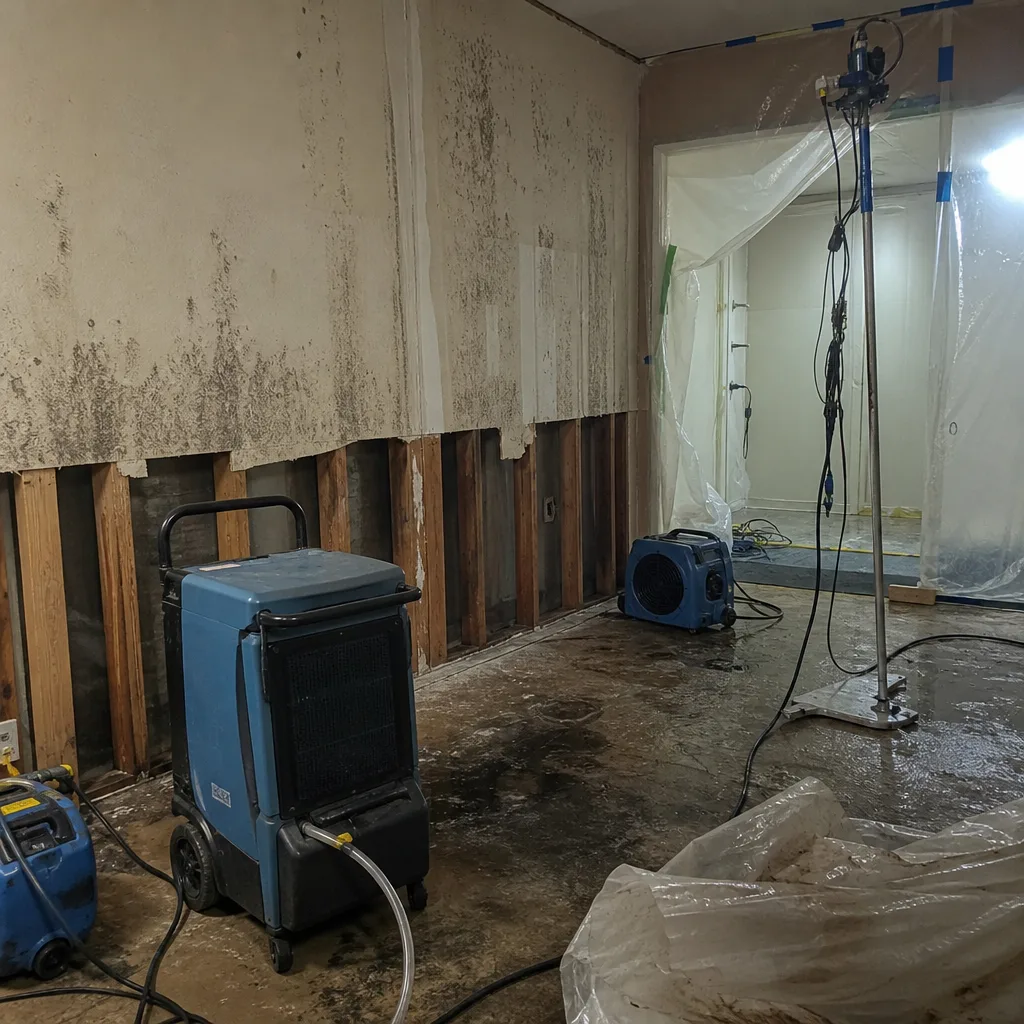 Before
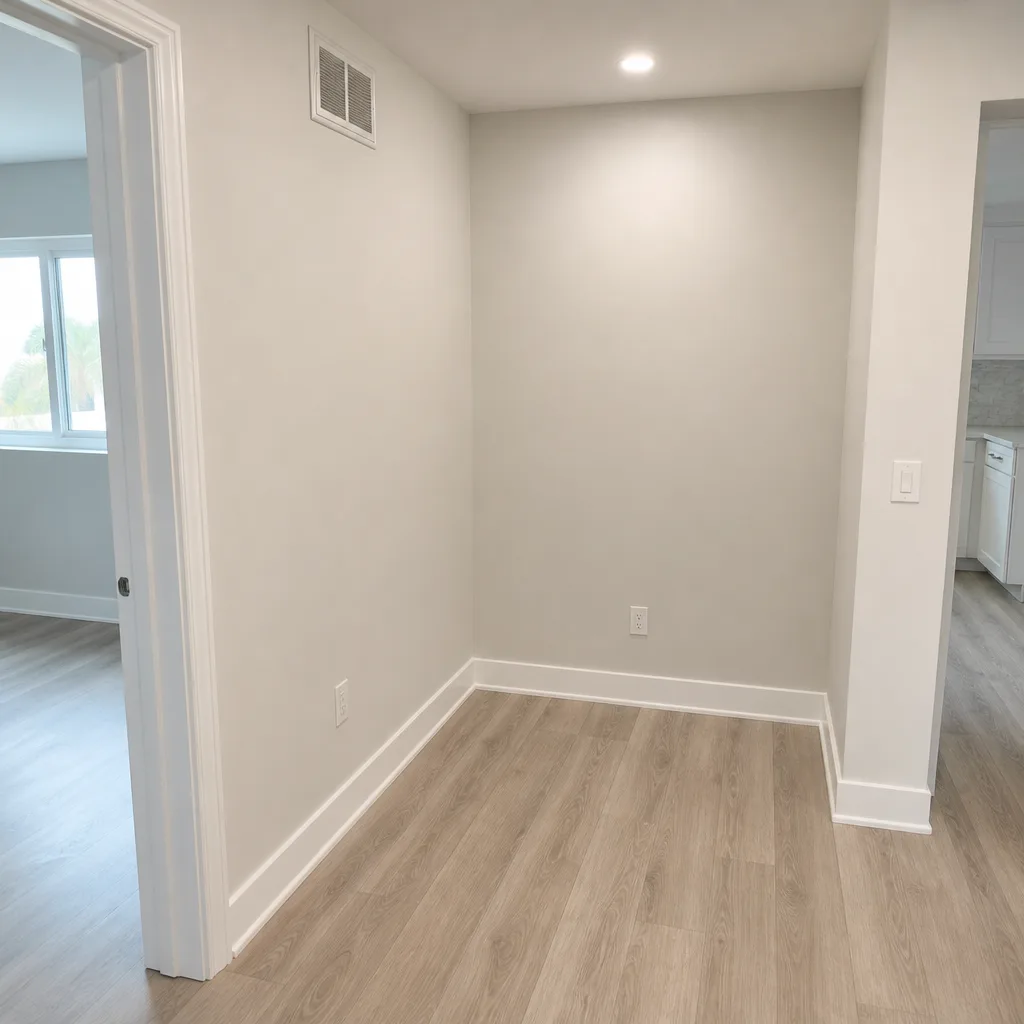 After
After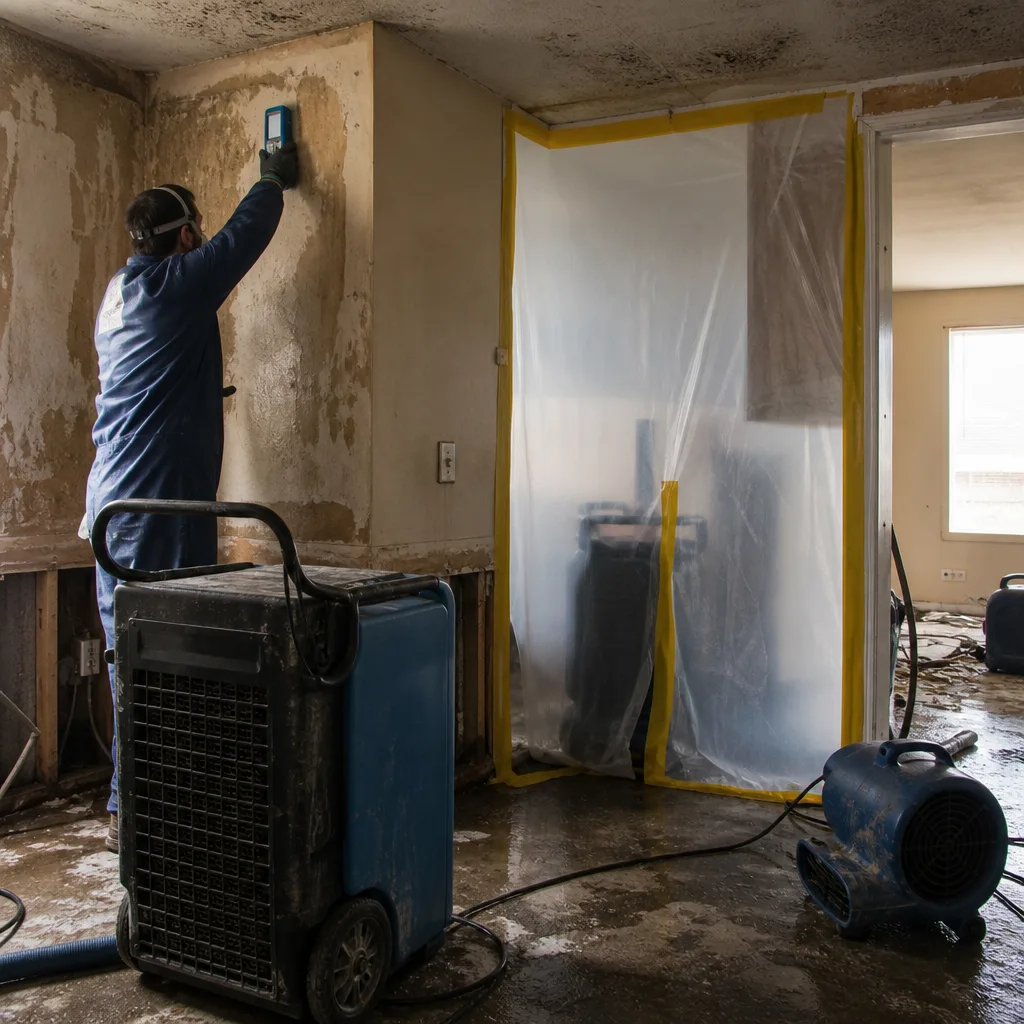 Before
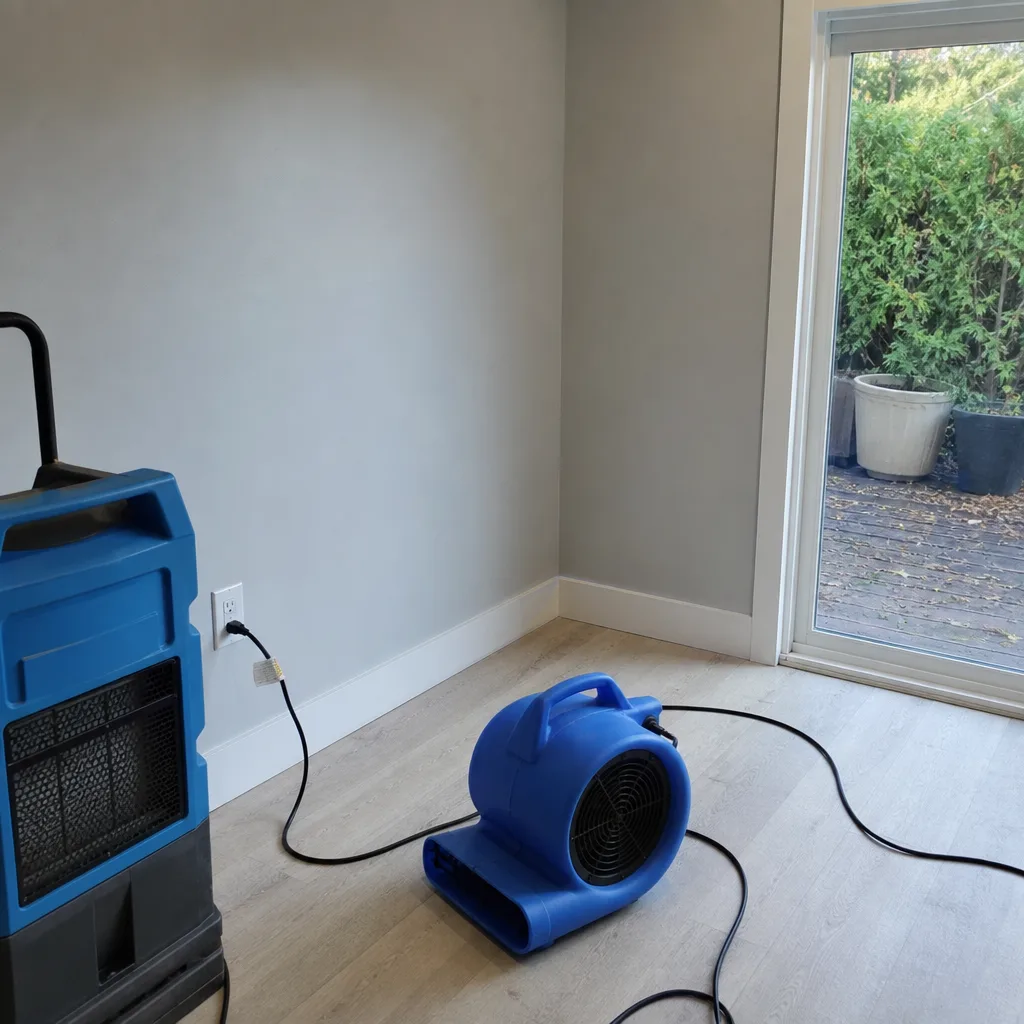 After
AfterFast, Reliable Mold Remediation Across Long Beach
Mold remediation in Long Beach typically runs $1,800-$6,500 depending on affected square footage and whether the source is a one-time water event or an ongoing moisture intrusion from the city’s persistent marine-layer humidity or subsidence-damaged drainage. Our crews are dispatched from the Los Angeles office and can usually be on-site anywhere in Long Beach within 60-90 minutes during business hours, with live phone coverage 24 hours a day, 7 days a week at (424) 373-5092.
We’ve worked the canal-front homes of Naples Island, the 1930s bungalows of Belmont Heights, and the multi-family courtyards near the port. Long Beach isn’t generic LA County. The marine layer here keeps humidity 20-30 points higher than cities just inland, and the legacy of oil-field subsidence has left drain lines reversed in pitch across entire neighborhoods. That combination means mold starts faster, hides deeper, and comes back harder if the scope doesn’t account for both problems.
Our Mold Remediation team documents every job to IICRC, RIA, and IFA standards, with a written price before work begins, Haven Standard, Clause 1, and a photo record on every visit.
Why DryMark Restoration Long Beach Is Long Beach’s Preferred Mold Remediation Company
Back to Dry Restoration, led by Alicia Brennan, has restored more than 12,000 homes since 2011. The company was founded by a former claims adjuster who built the operation around the documentation gap that costs homeowners their insurance claims - sloppy drying logs, missing photos, verbal scopes that adjusters reject. We don’t sell reassurance. We sell evidence: a written price before anyone starts work, room-by-room moisture readings, and daily drying logs that turn restoration invoices into payable claims.
Long Beach homeowners call us because we name the problem in their language. We know the 1940s courtyard apartments on Fourth Street with original cast-iron drains that have lost grade. We know the Naples Island homes where the water table sits inches below slab level. And we know that “musty smell” residents blame on the marine layer is often active colonization behind baseboards or under cabinets.
Every technician is background-checked, uniformed, and licensed, with the license number available on request. The 365-Day Done Right Promise under The Haven Standard is stamped on every job, not offered as a verbal afterthought. Bring any competitor’s written estimate and we’ll review it free - Haven Standard, Clause 2.
Our Mold Remediation Services in Long Beach
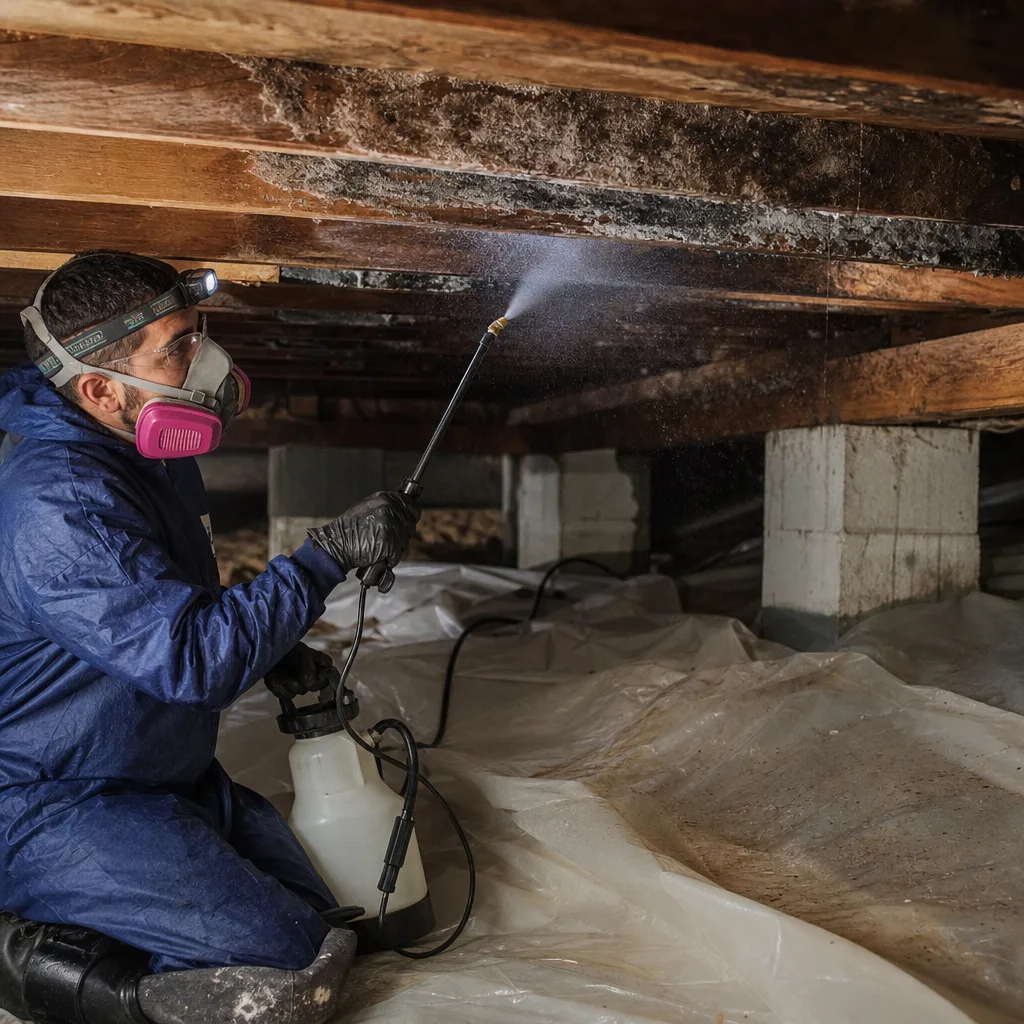
Mold Inspection & Testing
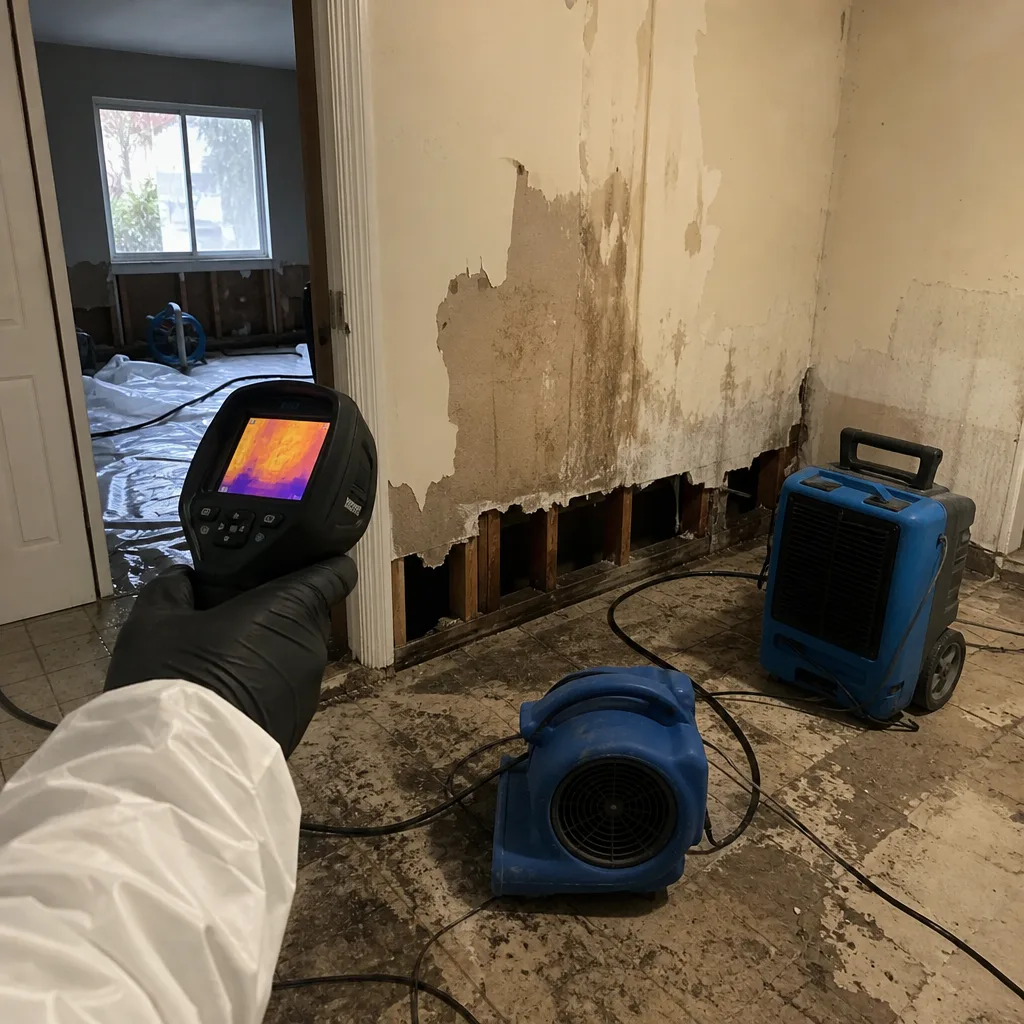
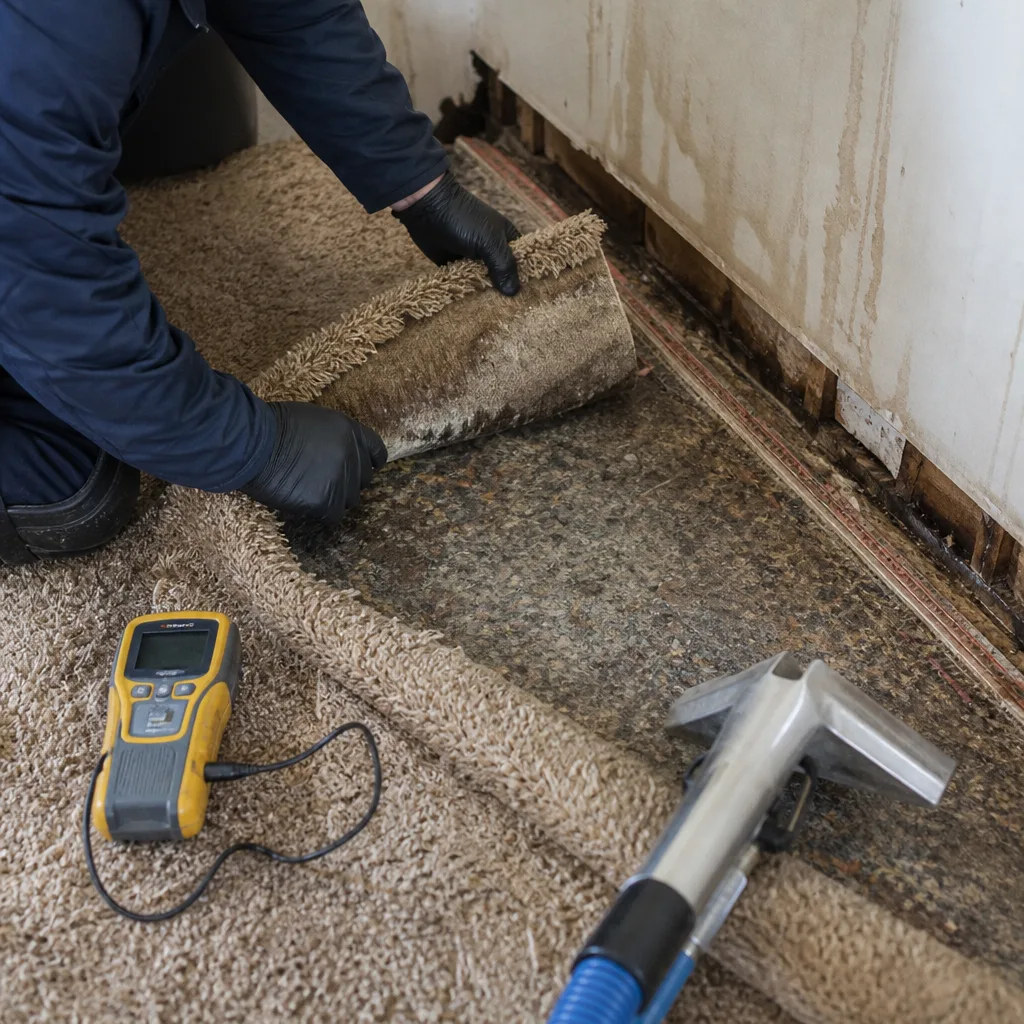
Long Beach’s older housing stock demands a different inspection protocol than newer construction. We start with thermal imaging and moisture mapping to find reservoirs that visual inspection misses - particularly in 1930s-1950s bungalows with original galvanized supply lines and minimal moisture barriers. Air and surface samples go to a third-party lab; we don’t interpret our own results. In the subsidence-affected corridors near the port and former Signal Hill oil fields, we also inspect drain-line grade with a borescope, because reversed pitch can keep a structure wet even when the visible leak is fixed. A typical mold inspection in Long Beach runs $350-$650.
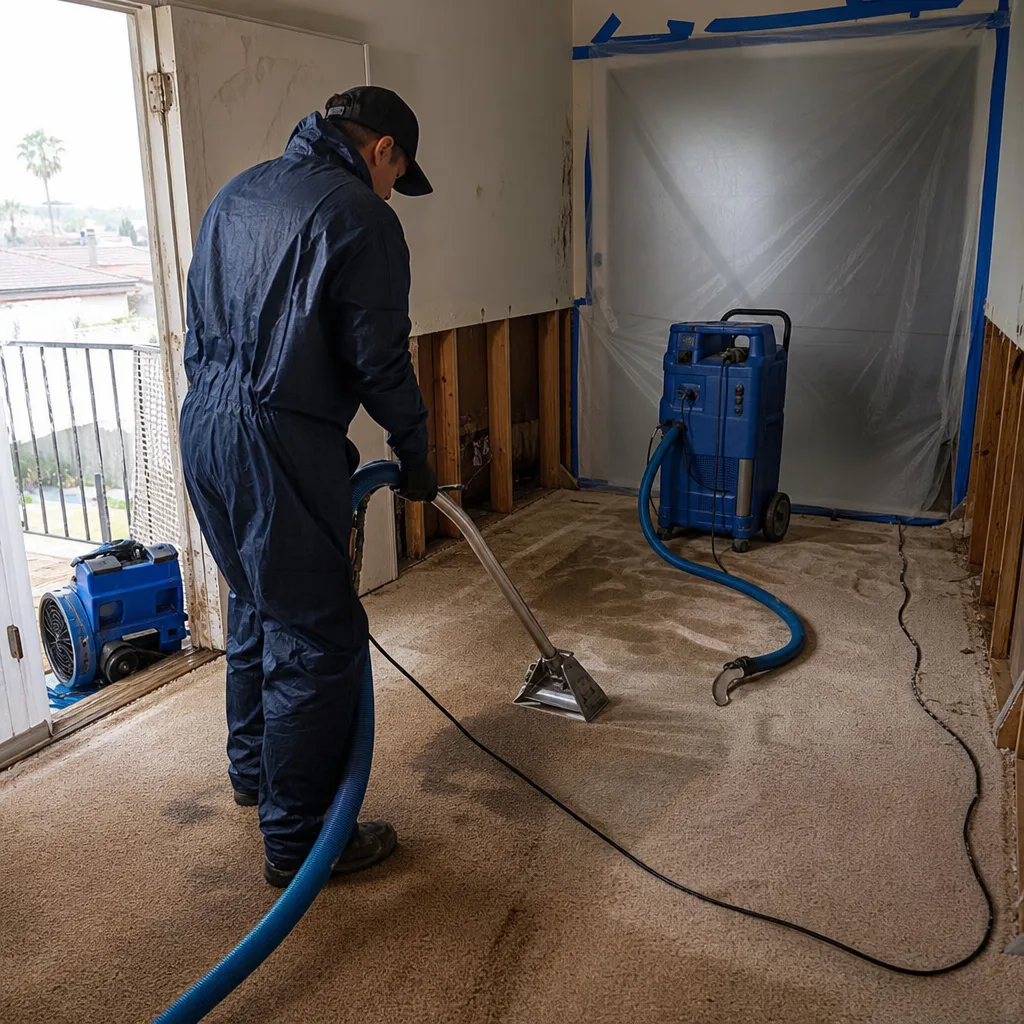
Mold Removal
Removal follows containment, negative air pressure, and HEPA filtration - standard protocol, but the scope varies enormously here. A 900-square-foot bungalow in Belmont Shore with surface colonization from a recent pipe break might need 2-3 days of controlled demolition and drying. The same square footage in a low-lying port-adjacent home with years of back-drainage intrusion often requires slab penetration, drain-line repair coordination, and extended structural drying because the moisture reservoir is the foundation itself. We itemize every square foot in the written scope before work starts. Mold removal in Long Beach typically ranges $1,800-$4,200 for contained residential jobs.
Black Mold Remediation
Stachybotrys chartarum and other toxigenic species require enhanced containment and PPE, but the real variable in Long Beach is source duration. Black mold doesn’t grow from a single spill; it grows from persistent moisture. In our Naples Island field case, a failed cast-iron drain had been back-draining for years due to subsidence from the old Signal Hill oil fields. Our techs traced category 3 water wicking up through original galvanized supply lines and into wall cavities, then set up containment with Dri-Eaz dehumidifiers and XPOWER air movers. The homeowners were shocked that the musty odor they blamed on the marine layer was actually black mold colonization behind the baseboards. Black mold remediation in Long Beach typically runs $3,200-$6,500.
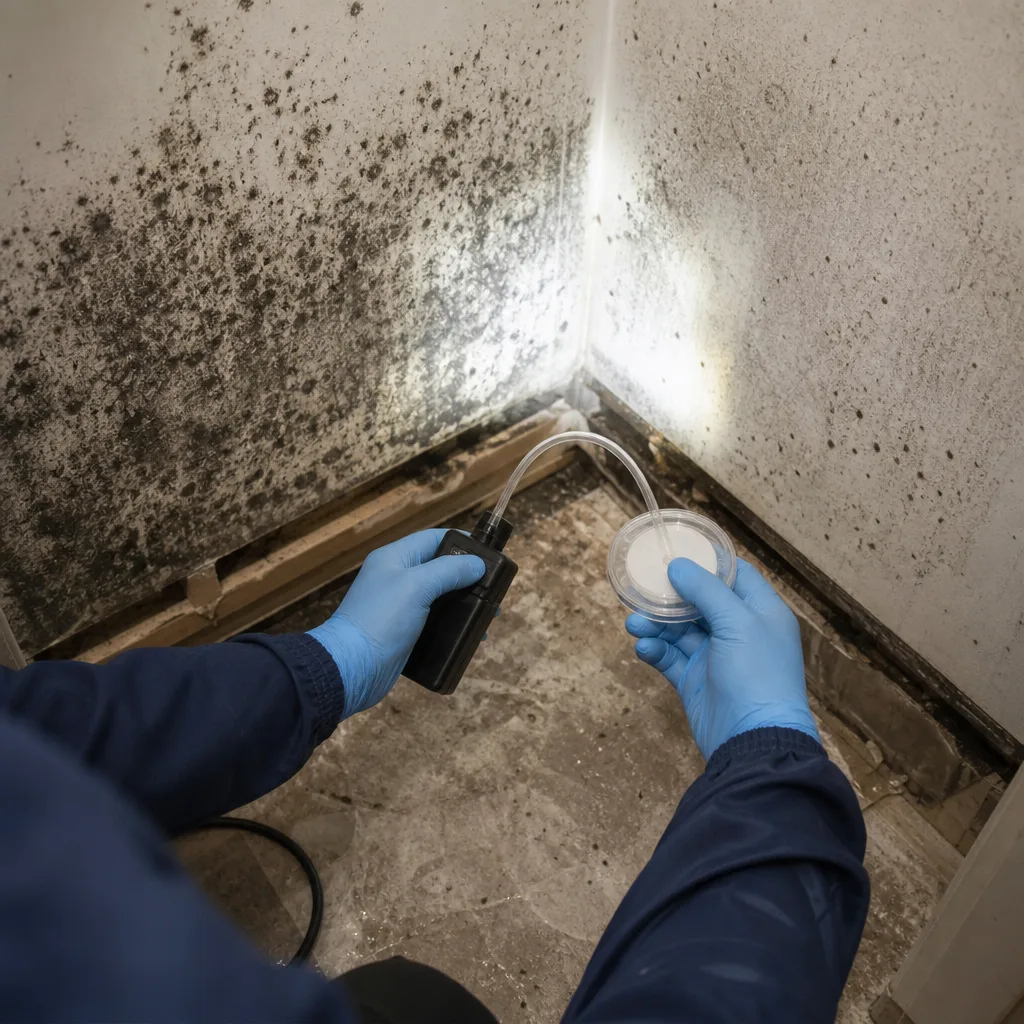
Air Quality Restoration
Post-remediation air testing is not optional for us; it’s the verification step that closes the file. We run spore trap samples and ERMI-style dust analysis, comparing indoor counts to outdoor baseline levels specific to Long Beach’s coastal environment. Marine-layer air carries different fungal loads than inland LA County, so “clean” here has a different numerical threshold. We document the readings, explain them in plain language, and provide the lab report for insurance submission. Air quality testing as a standalone service runs $400-$750; it’s included in our full remediation packages.
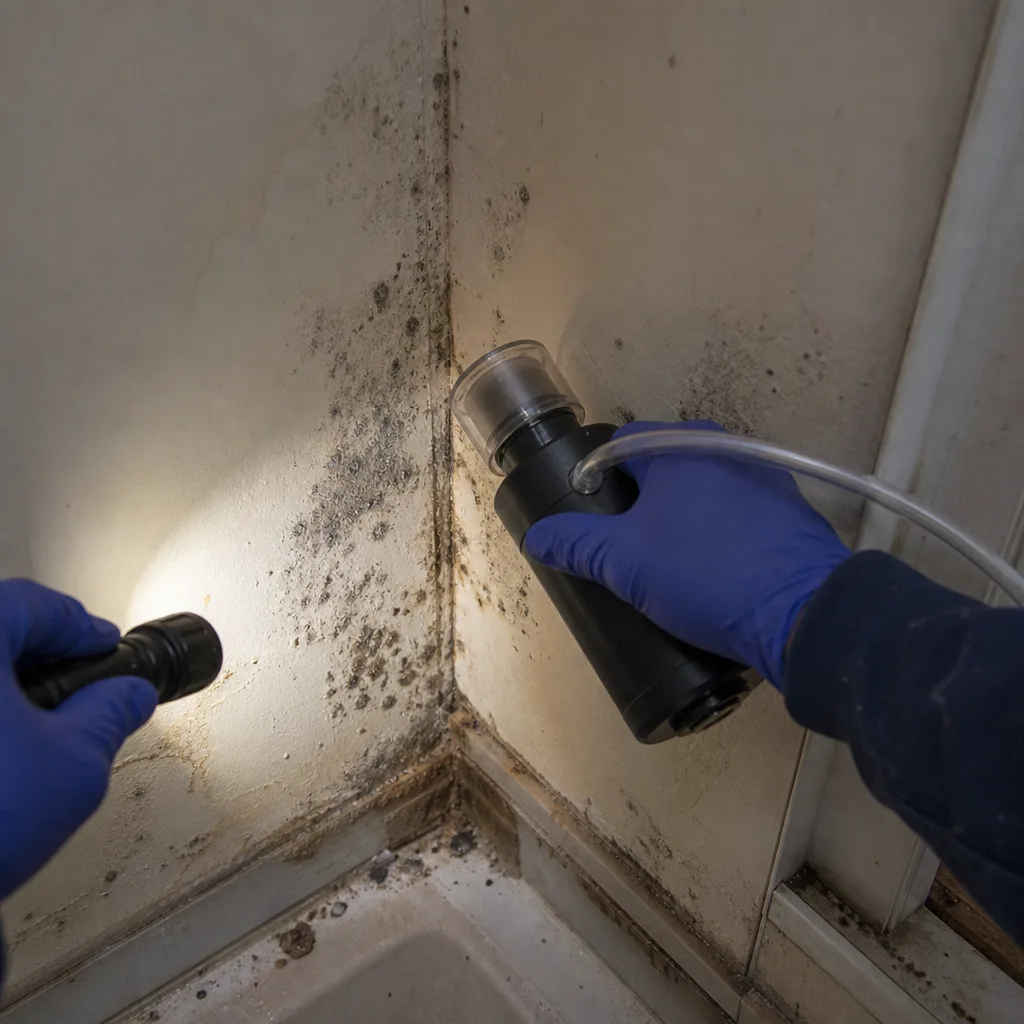
Moisture & Humidity Control
This is where Long Beach diverges sharply from inland markets. The marine layer keeps relative humidity at 80-90% through summer mornings, so structural drying validation takes longer and equipment loads are heavier. We use psychrometric data - temperature, relative humidity, and vapor pressure differential - to calculate exactly how many dehumidifier pint-days a job requires, then we document it. A drying log that works for Pasadena fails here. We also install permanent humidity control systems for chronic-problem properties, particularly canal-front homes in Naples where the water table prevents true dryness at slab level.
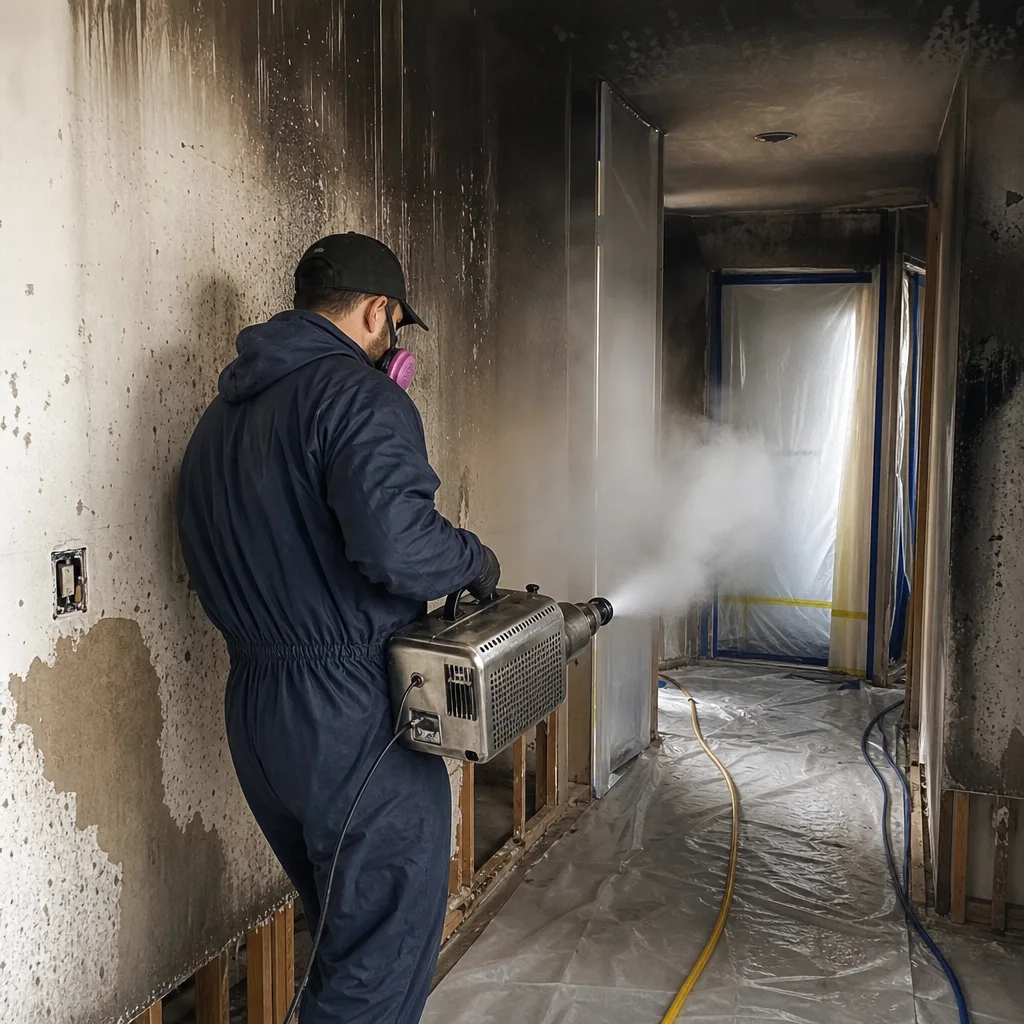
Crawl Space Treatment
Long Beach’s 1930s-1950s stock includes significant crawl space construction, especially in the hillside neighborhoods above Belmont Shore and in older multi-family buildings. These spaces are vented to humid coastal air and often sit over soils with compromised drainage from subsidence. We treat them with vapor barrier installation, conditioned-air dehumidification, and - when necessary - sump pump integration. The goal is not just mold removal but environmental control, because in this humidity profile, untreated crawl spaces re-colonize within a season.
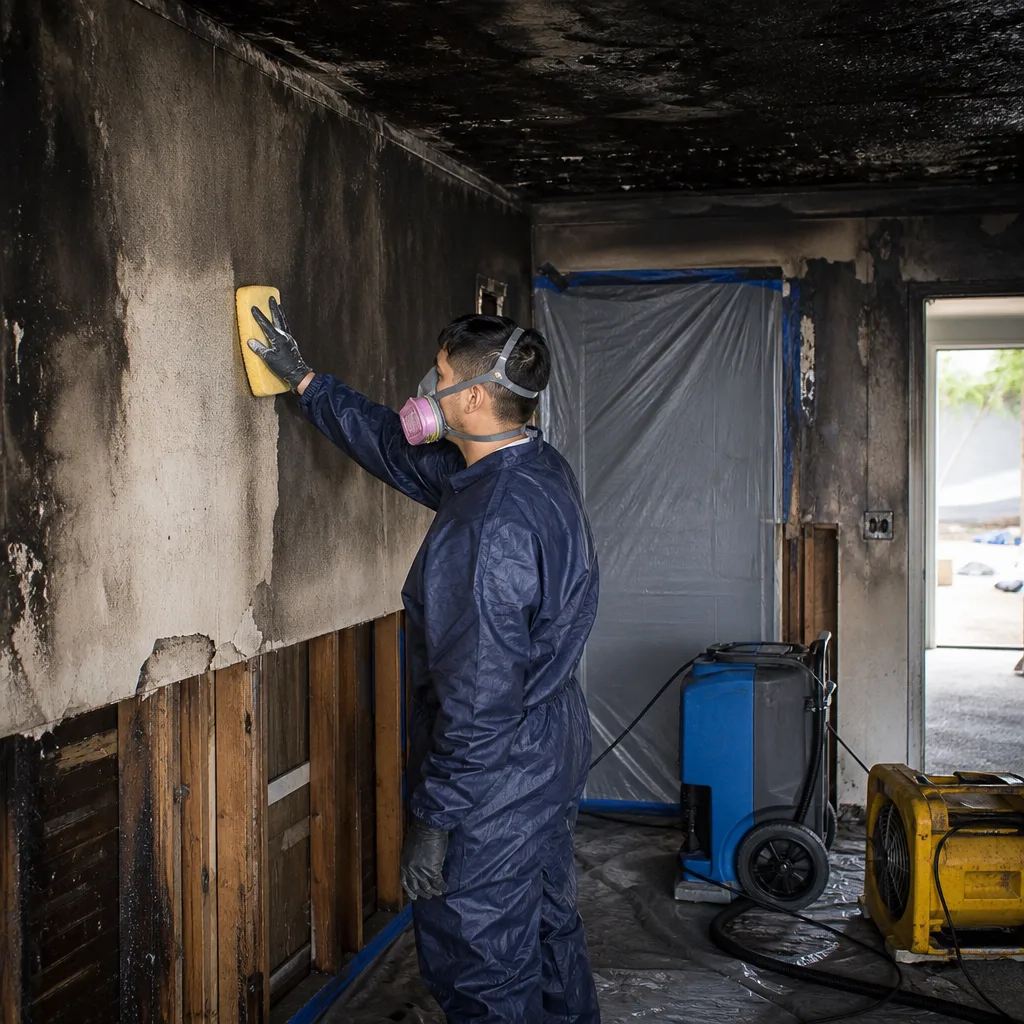
What happens when you call
- 1
A real person answersNo phone trees - you reach a local pro.
- 2
You get an upfront price rangeHonest numbers before anyone is dispatched.
- 3
A background-checked tech heads outLicensed & insured, dispatched right away.
- 4
You approve before work beginsNothing starts until you say go.
 Before
 After
AfterCommon Mold Remediation Problems We See in Long Beach Homes
- Inland drying timelines applied to coastal humidity. Contractors from Pasadena or the San Fernando Valley often size equipment for their local conditions, then wonder why Long Beach structures rebound with mold two weeks after “completion.” Our drying logs account for the marine layer’s persistent 80-90% summer-morning humidity, extending validation periods and increasing dehumidifier capacity accordingly.
- Subsidence-reversed drain lines missed entirely. In the low-lying corridors near the port and around the former Signal Hill oil fields, decades of extraction-driven land subsidence - documented at up to 29 vertical feet - left older homes with drain lines that have lost proper grade or reversed pitch entirely. Water migrates toward foundations instead of away. We encounter this back-drainage failure mode as a recurring structural factor that technicians in neighboring cities almost never see, and we scope drain-line camera inspection when the moisture pattern suggests it.
- 1930s-1950s construction treated as modern build. Original galvanized supply lines, aged cast-iron drains, and minimal moisture barriers create hidden reservoirs that don’t exist in post-1980 construction. Demolition without thermal imaging misses cavity moisture. Drying without vapor-pressure monitoring leaves wet structure behind intact drywall. We document both.
- Marine layer blamed for musty odors that are actually active colonization. Long Beach residents learn to live with damp air. That tolerance means mold often progresses further before triggering a call. We regularly find extensive colonization behind apparently intact finishes in homes where the owner delayed calling because “it’s just the fog.”
Pricing for Mold Remediation in Long Beach, CA
We publish ranges because Haven Standard, Clause 1 requires a written price before work starts - and that price has to be grounded in something real.
| Service | Typical Range in Long Beach |
|---|---|
| Mold inspection & testing | $350-$650 |
| Contained mold removal (localized, recent water event) | $1,800-$4,200 |
| Black mold remediation (toxigenic species, extended moisture) | $3,200-$6,500 |
| Crawl space treatment (vapor barrier + dehumidification) | $2,500-$5,800 |
| Air quality testing (standalone) | $400-$750 |
| Moisture control system installation | $1,200-$3,400 |
What moves a job to the high end: subsidence-damaged drainage requiring camera inspection and plumber coordination, extended structural drying due to marine-layer humidity, hidden colonization in 1930s-1950s wall cavities with minimal moisture barriers, and category 3 water intrusion from failed cast-iron drains. What keeps it lower: recent pipe break, early detection, modern construction with accessible cavities, and no underlying drainage failure.
Every estimate is free, written, and delivered before work begins. Call (424) 373-5092.
We Also Serve Cities Near Long Beach
Our crews work Long Beach daily and also respond to mold remediation calls in Wilmington, Carson, Seal Beach, and San Pedro. Each of these cities shares some of Long Beach’s coastal humidity profile, but none combine it with the same subsidence legacy - our Long Beach experience directly informs how we handle the humidity, even where the drainage geology differs.
Serving Long Beach, CA - Our Local Coverage Area
We’re based in the Long Beach area and know this community well. Use the map below to see our service coverage - if you’re nearby, we can almost certainly help.
FAQs - Mold Remediation in Long Beach
Yes. Long Beach’s marine layer keeps relative humidity at 80-90% through summer mornings, compared to 50-60% in inland LA County cities just 10-15 miles away. That means mold colonization begins 24-48 hours faster after a water event, and structural drying validation takes 30-50% longer because the ambient air can’t absorb additional moisture efficiently. We size dehumidifier capacity and extend drying timelines accordingly; contractors using inland protocols often leave wet structure that rebounds with mold within weeks. Call (424) 373-5092 for a written estimate that accounts for your specific conditions.
Decades of oil extraction from the Wilmington and Signal Hill fields caused documented land subsidence of up to 29 vertical feet in some areas, damaging underground drain lines so severely that many lost proper grade or reversed pitch entirely. Water now migrates toward foundations instead of away, creating persistent moisture intrusion that surface-level remediation cannot solve. We scope drain-line camera inspection when moisture mapping indicates this failure mode, and we coordinate with licensed plumbers to restore proper drainage before closing the remediation file. Without this step, mold returns regardless of how well the visible work was done.
We follow IICRC S520 standards: porous materials with visible mold colonization are removed; non-porous materials can often be cleaned and dried. In Long Beach’s 1930s-1950s housing stock, however, the decision is complicated by original construction with minimal moisture barriers and aged cast-iron drains that create hidden reservoirs. We use thermal imaging and moisture mapping to inspect cavities before declaring anything salvageable. A plaster wall with surface mold and dry studs stays; the same wall with wicking moisture from a failed drain line behind it goes. The written scope documents every decision with photo evidence.
Yes. Long Beach’s coastal humidity makes vented crawl spaces a continuous mold risk, not a seasonal one. We don’t just remove colonization; we install vapor barriers rated for marine environments, condition the space with dedicated dehumidification, and - in subsidence-affected areas with high water tables - integrate sump pumps. The goal is environmental control, because in this humidity profile, untreated crawl spaces re-colonize within a single season regardless of how thorough the initial removal was.
Yes, and we do. Post-remediation air testing includes spore trap samples and ERMI-style dust analysis, with indoor counts compared to outdoor baseline levels specific to Long Beach’s coastal fungal profile. Marine-layer air carries different spore loads than inland environments, so “clean” has a different threshold here. We provide the lab report as standard documentation, never as an upsell, and we don’t close the file until the numbers support it. Call (424) 373-5092 to schedule verification testing or a full remediation with documented clearance.
Written by Alicia Brennan, Owner at Back to Dry Restoration, serving Long Beach since 2011 under The Haven Standard.
Mold Remediation in Nearby Areas