
Last updated September 23, 2026
Free visual inspection and a written scope of work before any mitigation begins - photos, moisture readings, and drying logs go in your claim file
The scope we write is the scope we bill. Anything new gets shown to you, in writing, before we touch it.
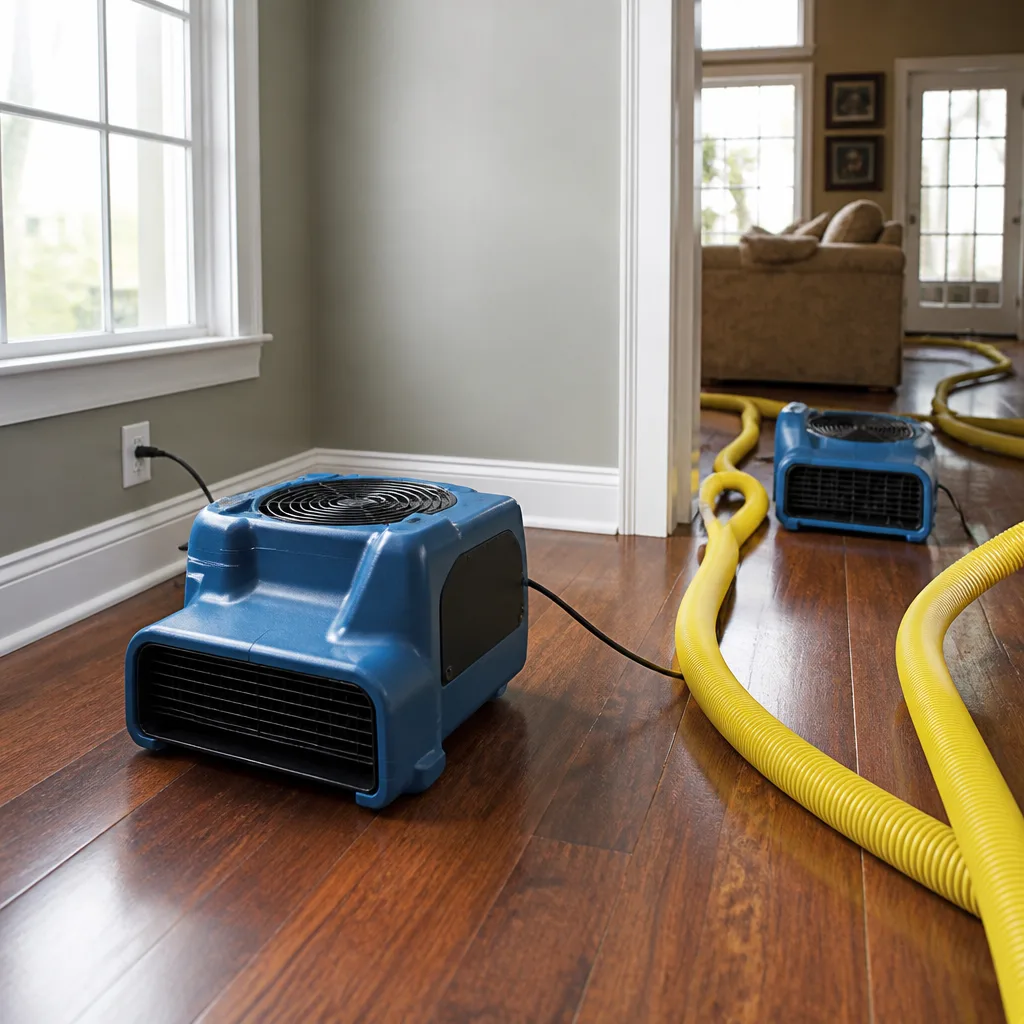
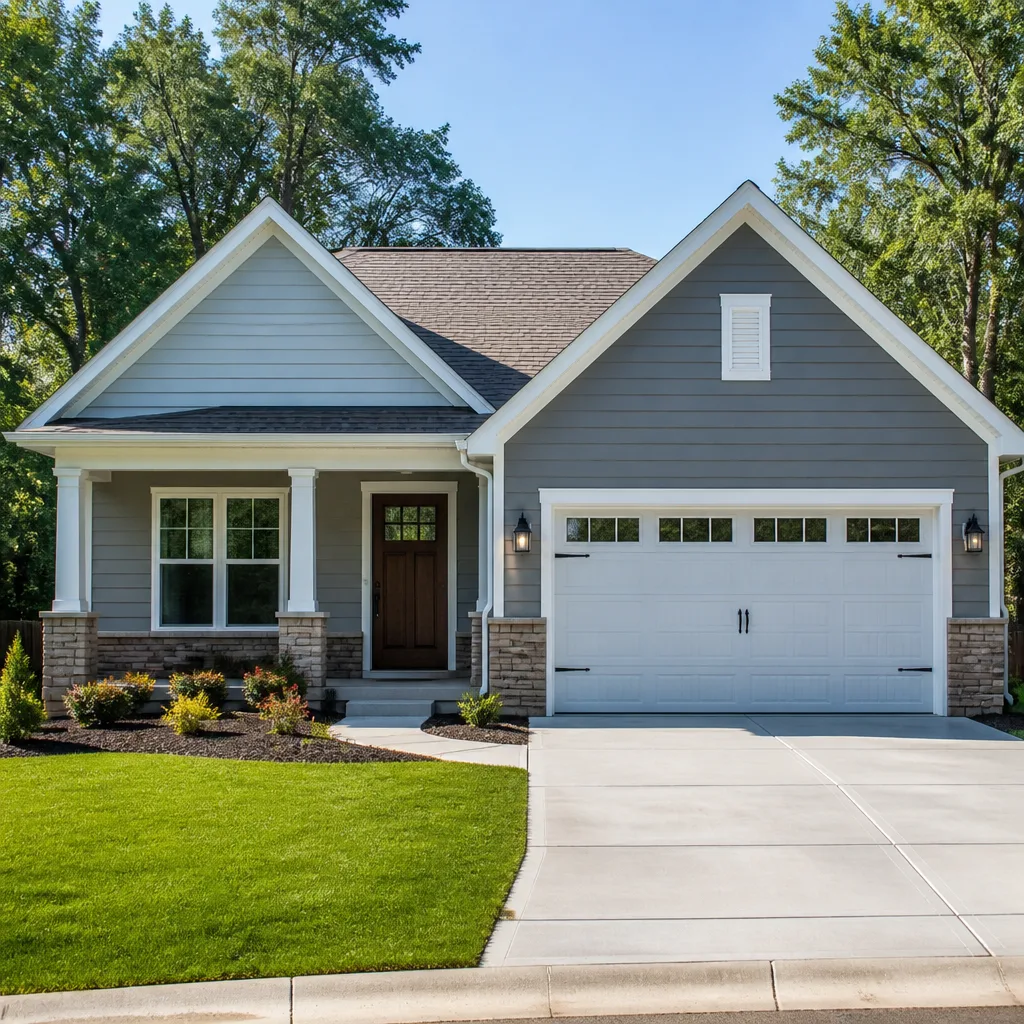
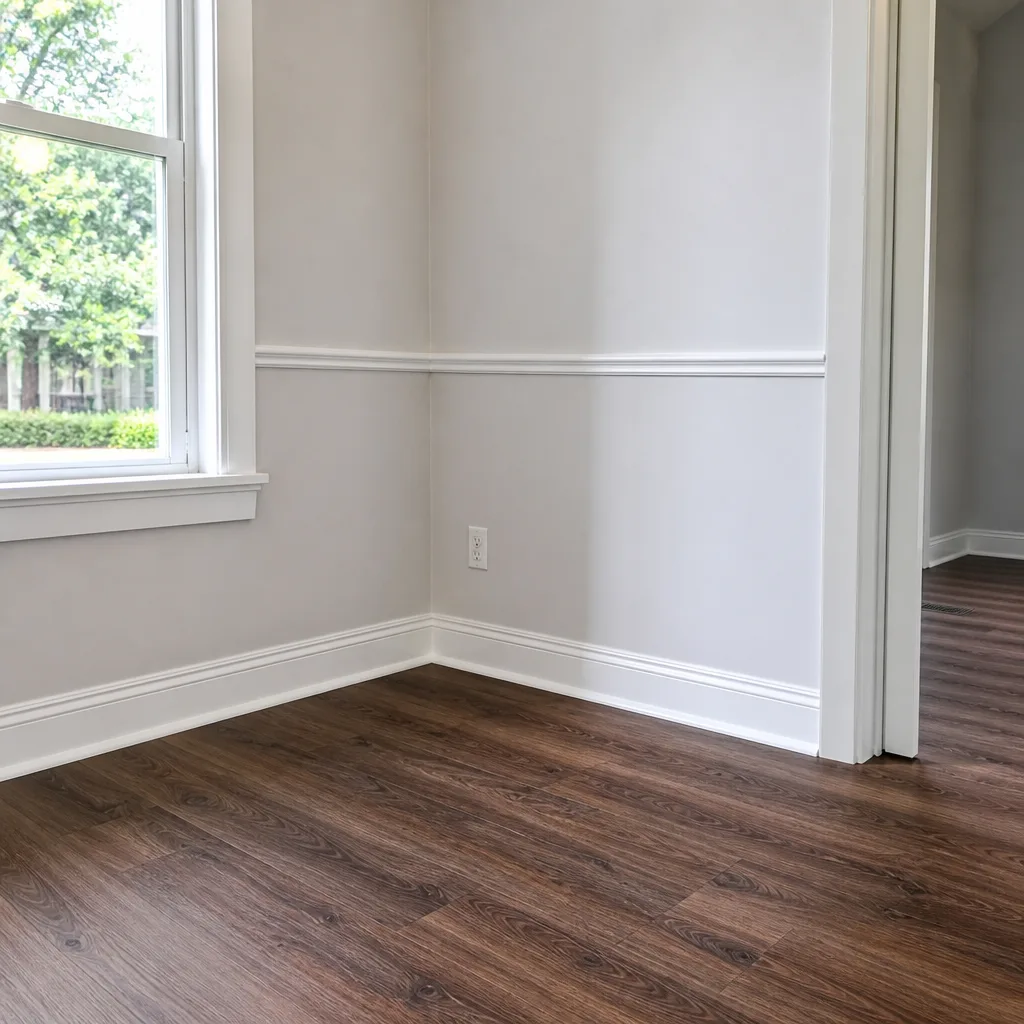

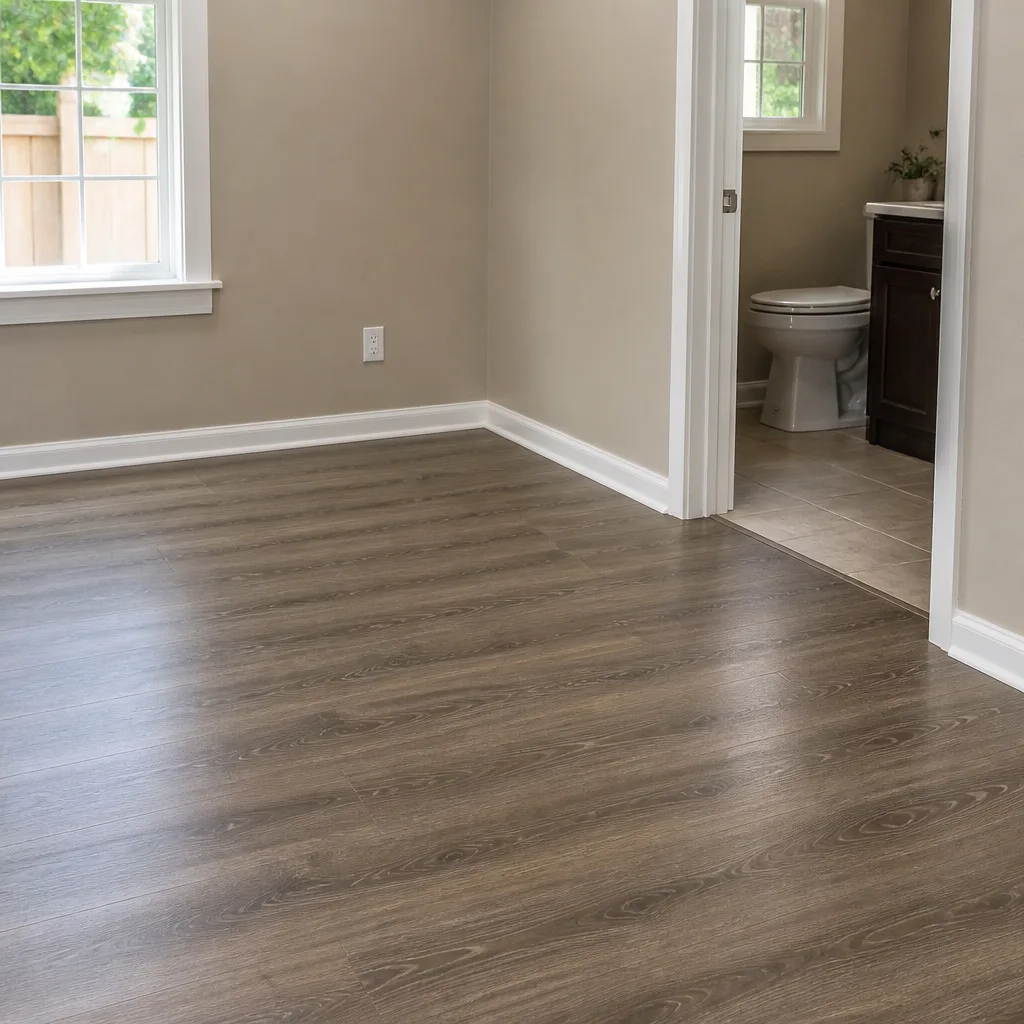
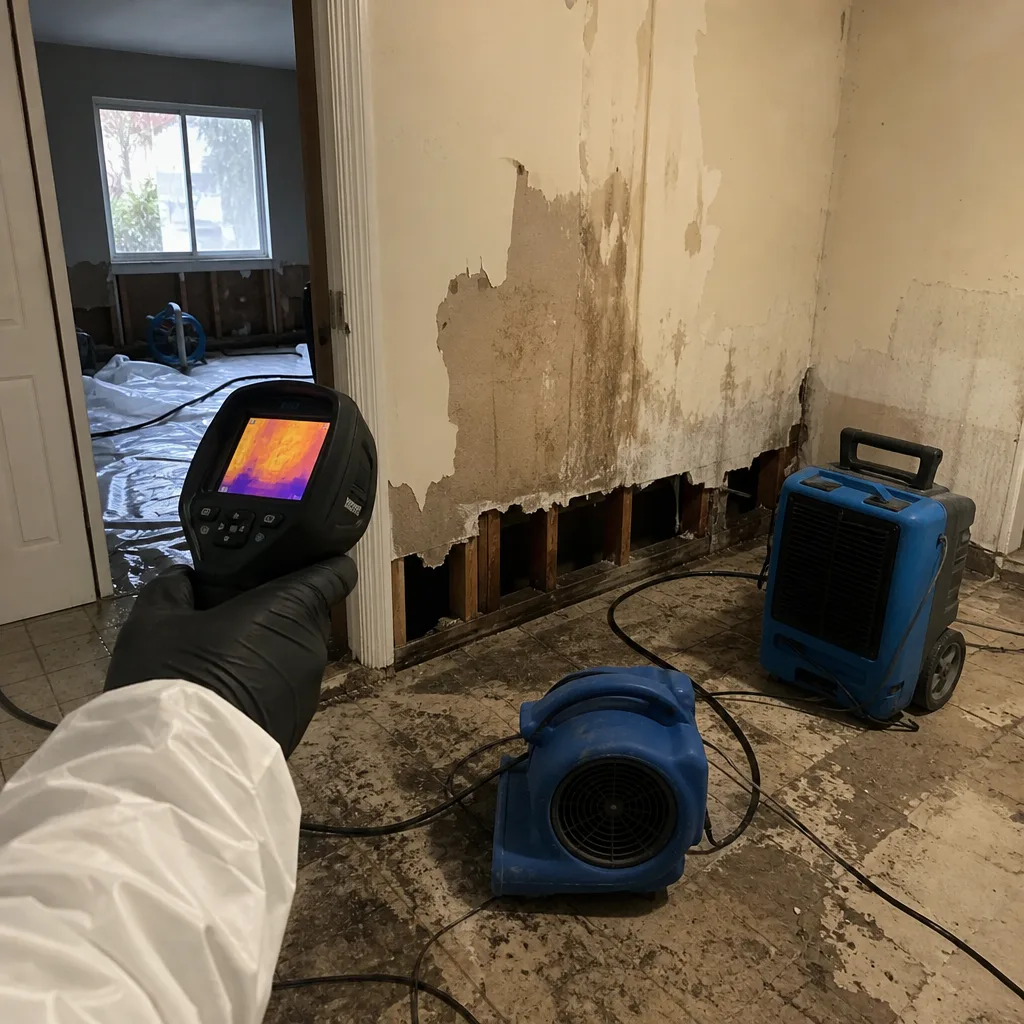 Before
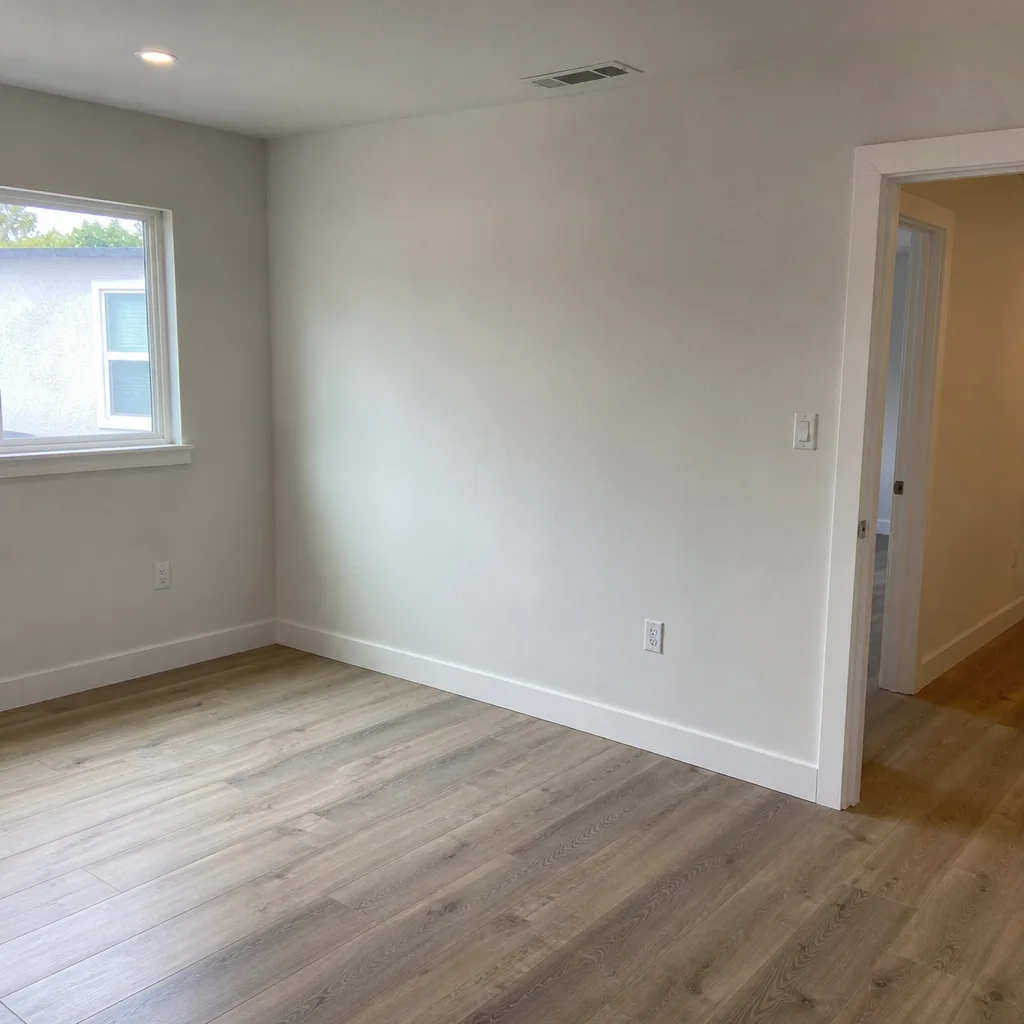 After
After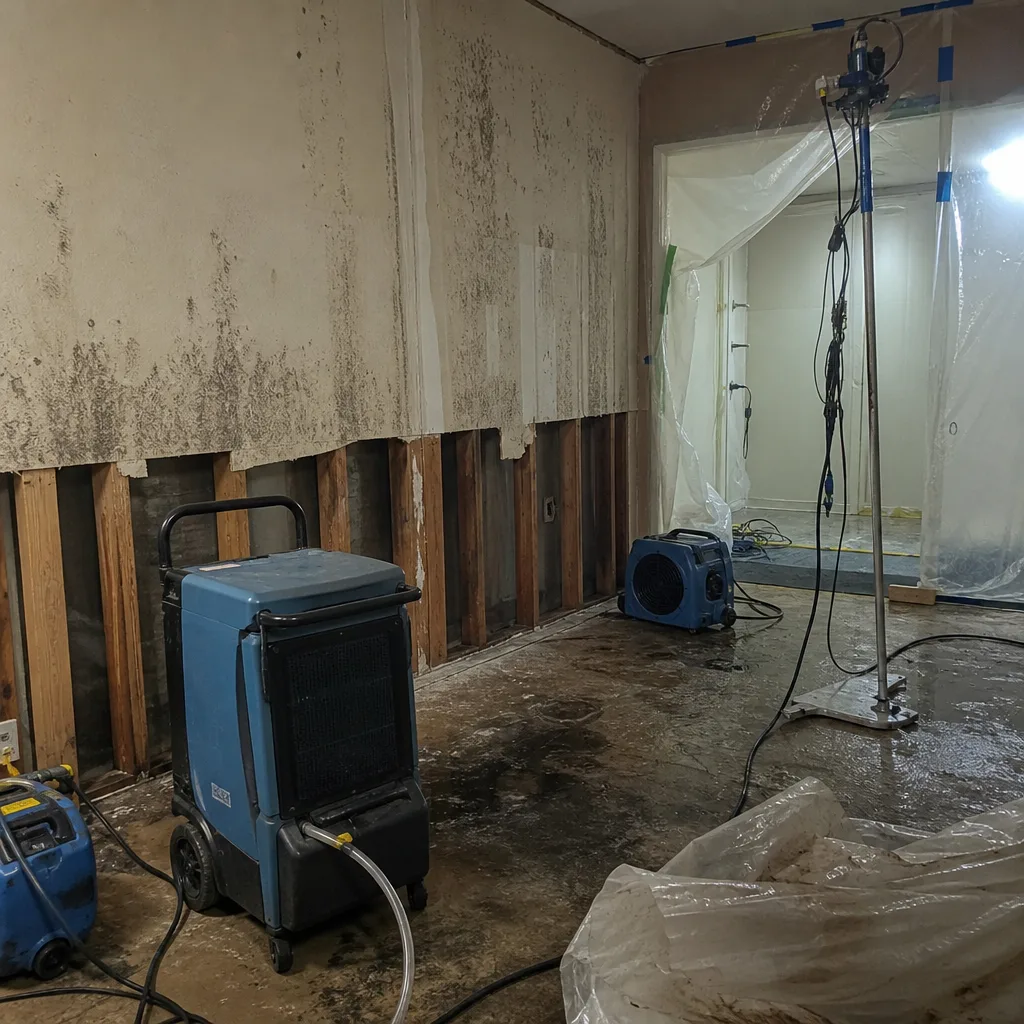 Before
 After
After Before
 After
AfterWater Damage Restoration Maintenance Checklist for Long Beach Homeowners
If your home suffers water intrusion and you have no pre-loss moisture baseline, your insurer gets to define what “normal” looked like - and that definition rarely favors you. In Long Beach, where 1950s-1980s stucco tract homes sit on crawl spaces that flood silently and flat roofs pool water behind parapet walls, most preventive checklists fail because they list tasks without numbers. “Check for leaks” means nothing in a claim dispute. A documented moisture reading of 12% MC in your living room subfloor, dated and photographed, means everything. This guide - alongside our The Complete Guide to Damage Restoration in Long Beach - replaces vague advice with measurable thresholds, specific inspection intervals, and documentation protocols that create a defensible record before damage ever occurs.
Quick Answer
A Water Damage Restoration maintenance checklist for Long Beach homeowners should include: annual baseline moisture readings (%MC and RH) for every room, twice-yearly plumbing pressure tests (40-80 PSI), quarterly crawl space and stucco inspections, and annual photo documentation of expansion joints, weatherstripping, and HVAC condensate lines. Store all records with dates and locations in a cloud folder your adjuster can access. This documented pre-loss baseline is the single most underused tool in your insurance arsenal.
Table of Contents
- Why Baseline Moisture Readings Matter in Long Beach Claims
- How to Take and Record Baseline Moisture Readings
- Plumbing Pressure Benchmarks: Your Early Warning System
- Long Beach Exterior Maintenance: Stucco, Flat Roofs, and Crawl Spaces
- Annual Photo Documentation for Claims Support
- Documenting and Storing Maintenance Records
- Seasonal Maintenance Calendar for Long Beach Homes
- Common Mistakes to Avoid
- When to Call a Professional
- Frequently Asked Questions
- The Bottom Line
 Before
 After
AfterWhy Baseline Moisture Readings Matter in Long Beach Claims
We’ve handled over 12,000 restorations since 2011, and the pattern is consistent: homeowners who cannot prove what “dry” looked like before the loss accept settlements 30-40% below actual repair costs. Insurance adjusters apply standardized moisture content tables based on regional averages, not your specific home. In Long Beach, where marine layer humidity pushes ambient relative humidity (RH) 10-15 points higher than inland Los Angeles County during May and June, those tables work against you.
A baseline reading documents your home’s normal, not a generic assumption. Here’s what that means in practice. We recently completed water damage restoration in Long Beach for a homeowner in Belmont Heights whose documented baseline showed 9% MC in oak flooring. After a supply line failed, the insurer’s initial assessment claimed 14% MC was “within normal range for coastal Southern California.” The homeowner produced dated baseline photos and meter readings from 2019. The final scope included full floor replacement, not the partial refinishing first offered.
Psychrometric data - temperature, relative humidity, and vapor pressure differential - drives every professional drying plan we write. Vapor pressure differential is simply the force that moves moisture from wet materials to drier air. When you record your baseline RH and temperature, you’re documenting the conditions that affect how your materials behave. A stucco wall at 72°F and 65% RH on a June morning in Long Beach holds more moisture than the same wall at 72°F and 45% RH. Both can be “normal.” Only one is normal for your home on that date.
The Haven Standard requires we produce daily drying logs with moisture readings on every job. Homeowners who maintain their own pre-loss logs speak the same language as our documentation. That alignment between your records and our professional-grade drying systems - Dri-Eaz, Phoenix, and XPOWER equipment documented to IICRC, RIA, and IFA standards - removes the friction that delays claims.
How to Take and Record Baseline Moisture Readings
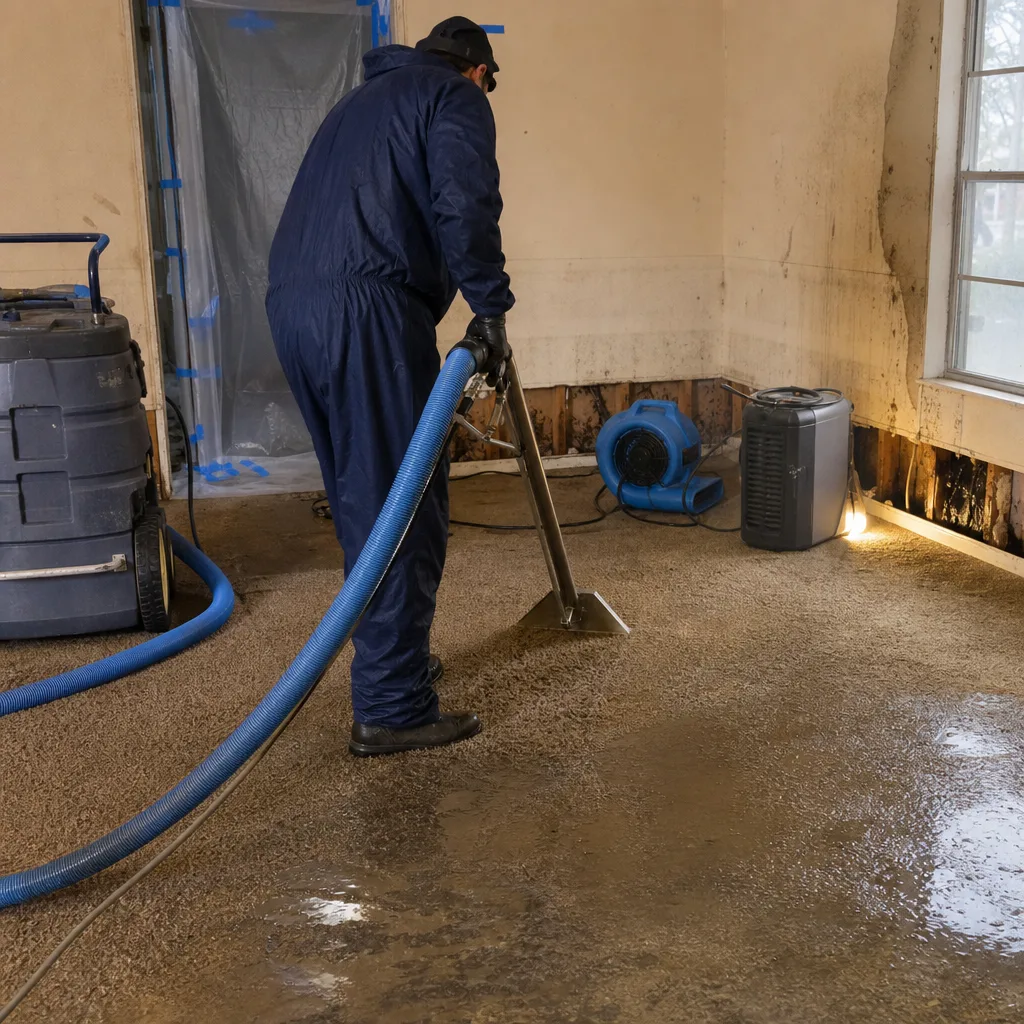
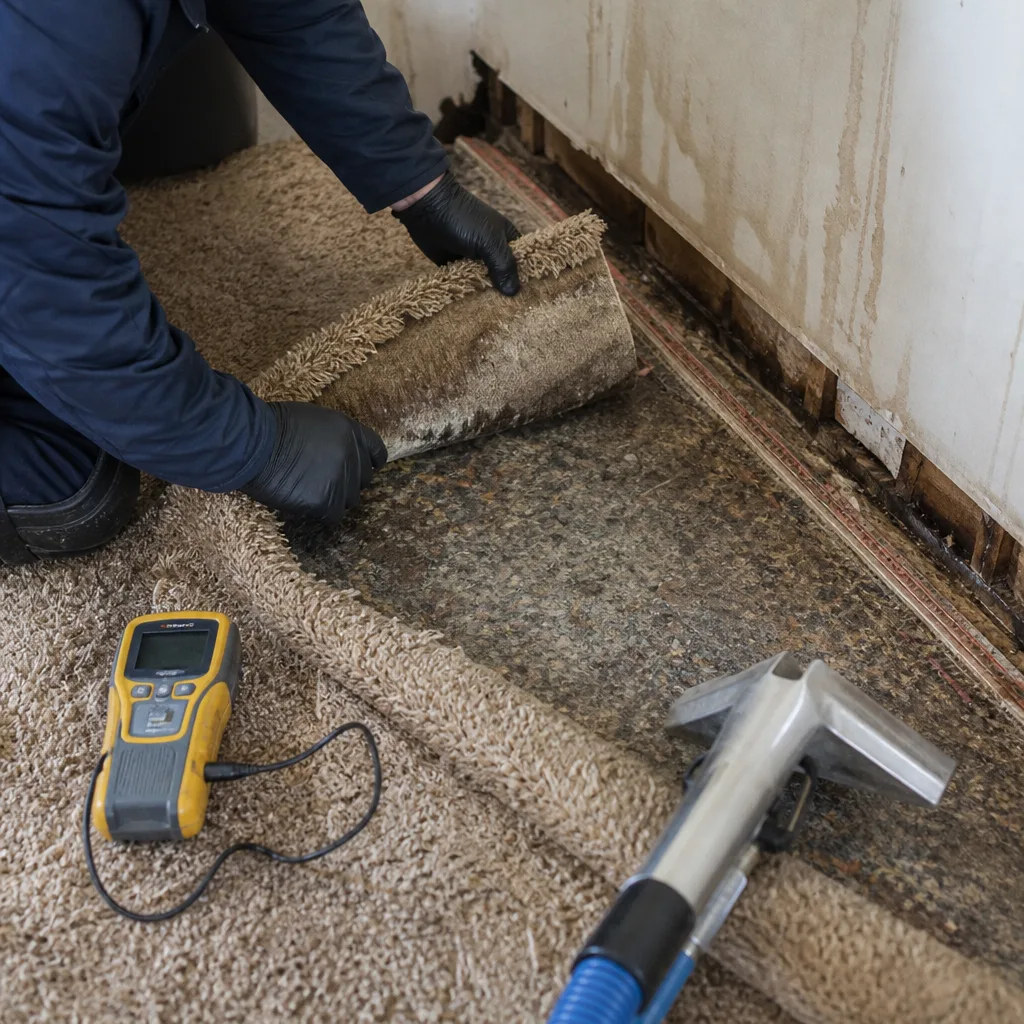
You do not need professional equipment to establish a useful baseline. A $35 pinless moisture meter and a $20 digital hygrometer provide sufficient accuracy for pre-loss documentation. The goal is consistency, not laboratory precision.
What to Measure
Record two values in each room: moisture content (%MC) of structural materials, and relative humidity (RH) of the air. For wood-based materials, normal indoor range is 6-12% MC. For drywall, 0.5-1.5% MC. RH should fall between 30-50% in conditioned spaces. In Long Beach, we see RH spike to 55-60% during marine layer events without active dehumidification; document these episodes when they occur.
Where to Measure
- Subflooring at crawl space access points: Measure at the rim joist and center beam locations. In Long Beach’s 1950s-1970s crawl spaces, unvented or poorly vented areas routinely read 15-20% MC without visible water.
- Exterior wall bottom plates: Probe through baseboard gaps or electrical box openings. Stucco systems wick ground moisture; bottom plates in homes near the Los Angeles River floodplain show elevated readings even without recent rain.
- Kitchen and bath cabinet toe-kicks: These capture supply line leak signatures before visible damage. We find 30% of Long Beach Category 2 losses start here.
- Attic sheathing (if accessible): Flat roof homes in neighborhoods like Bixby Knolls and California Heights accumulate moisture at low slope points. Measure at the lowest point and at any penetration.
- HVAC plenum and return: Condensate line failures produce localized humidity spikes. A reading at the air handler documents normal operation.
How to Record
Create a simple spreadsheet: Date, Room/Location, %MC, RH, Temperature, Meter Brand/Model, Notes. Photograph each reading with the meter display and location visible. Name files: 2025-01-15_LivingRoom_Subfloor.jpg. Store in a cloud folder with sharing permissions your adjuster can access.
Update readings annually in October, before the rainy season, and after any significant weather event. If you complete DryMark Restoration Long Beach home services, request your post-mitigation readings to establish a new verified baseline.
Plumbing Pressure Benchmarks: Your Early Warning System
Residential water pressure should remain between 40-80 PSI. Above 80 PSI, supply lines, angle stops, and appliance hoses experience accelerated fatigue. In Long Beach, where many neighborhoods received water main upgrades in the 2010s, pressure spikes following infrastructure work are common. We’ve documented three supply-line failures in the past eighteen months on streets where Long Beach Water Department completed main replacement within the prior six months.
A $30 hose-thread pressure gauge from any hardware store provides the measurement. Attach to an exterior hose bib or washing machine cold supply. Record the static pressure (no water running) and dynamic pressure (with a tub and sink running). Static pressure above 75 PSI warrants a pressure-reducing valve inspection. Dynamic pressure below 40 PSI indicates restriction, often from galvanized pipe corrosion in pre-1980s Long Beach housing stock.
Testing Protocol
- Test in April and October, when municipal pressure fluctuates with seasonal demand.
- Record static pressure, dynamic pressure, and test location.
- Photograph the gauge display with date stamp.
- If pressure exceeds 75 PSI static or varies more than 10 PSI from your prior reading, call a licensed plumber for assessment. Do not install a PRV yourself; improper installation creates closed-system thermal expansion risks.
Documented pressure history supports claims when supply lines fail. We’ve seen insurers deny “sudden and accidental” coverage, claiming gradual deterioration, when homeowners lacked pressure records. A dated log showing stable pressure followed by a post-main-replacement spike shifts burden of proof.
Long Beach Exterior Maintenance: Stucco, Flat Roofs, and Crawl Spaces
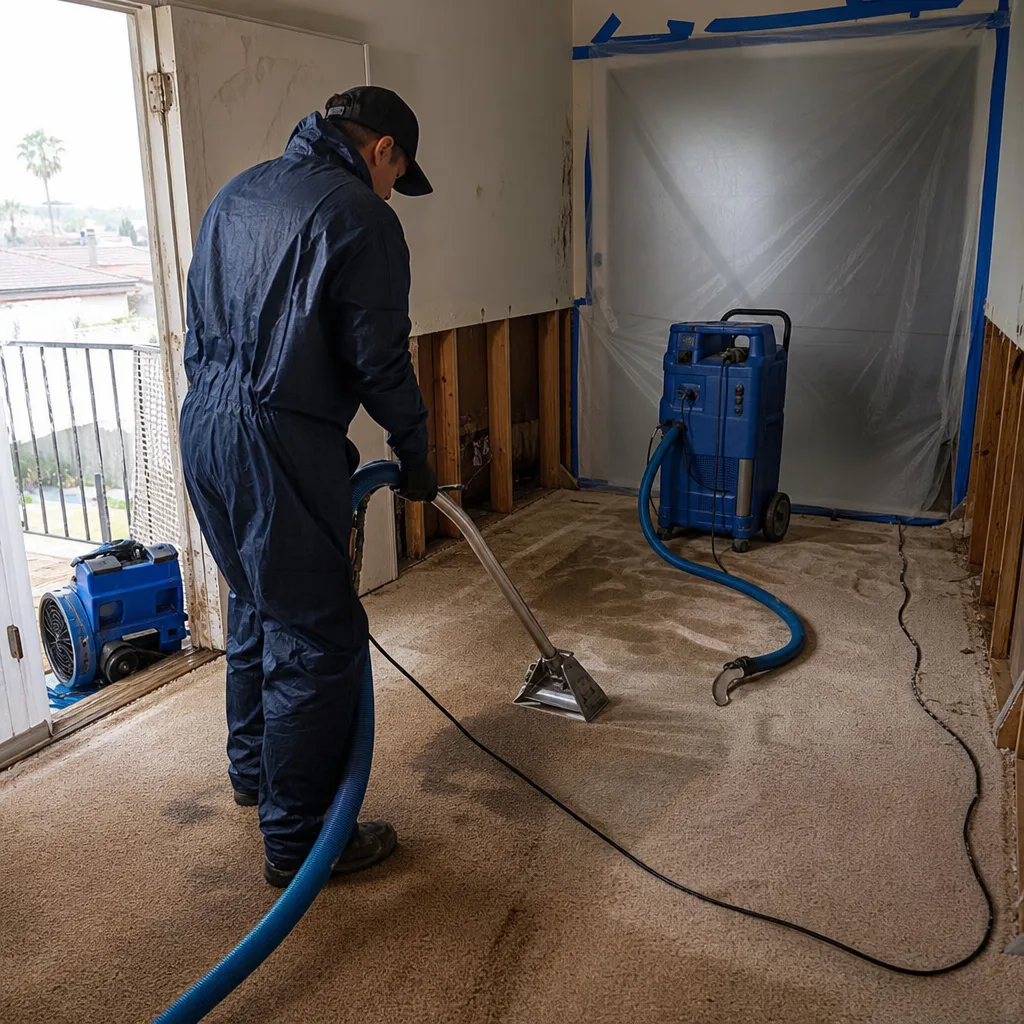
Long Beach’s housing stock carries specific vulnerabilities that generic checklists ignore. Stucco exteriors on 1950s-1980s homes were often applied over single-layer paper without proper weep screeds at grade. Flat roofs with parapet walls pool water behind coping caps. Crawl spaces in Belmont Shore, Naples, and Alamitos Beach sit below sea level with tide-influenced groundwater.
Stucco Inspection (Quarterly)
Walk the perimeter with a screwdriver, probing gently at hairline cracks. Sound stucco resists penetration; compromised areas feel soft or produce a hollow sound. Pay particular attention to:
- Window and door perimeters, where thermal movement concentrates stress
- Deck ledger attachments, the most common stucco failure point we document
- Grade-level weep screed, which should be visible 4-6 inches above soil - buried screeds trap moisture in the wall cavity
- Any area where downspouts discharge against the wall
In Long Beach’s marine climate, efflorescence (white powdery deposits) on stucco indicates water migration through the assembly. Photograph and date any new efflorescence. This documents pre-existing conditions if water intrusion later occurs.
Flat Roof Inspection (Twice Yearly, April and October)
Parapet wall coping caps should be sealed with continuous metal or membrane. Check for displaced caps, cracked sealant at penetrations, and ponding water 48 hours after rain. In Bixby Knolls and California Heights, we regularly see 3-4 inches of standing water on low-slope built-up roofs where drains have clogged with palm debris. A roof drain check costs nothing; a ceiling collapse from delayed drainage costs $15,000-$40,000 in structural drying and repair.
Crawl Space Inspection (Quarterly)
Long Beach crawl spaces require more frequent attention than inland equivalents. Marine layer moisture migrates through foundation vents. In Naples and Belmont Shore, tide-influenced groundwater can elevate soil moisture without surface water. Bring a flashlight and your moisture meter. Check:
- Vapor barrier integrity - 6-mil polyethylene should cover 100% of soil, sealed at seams and perimeter
- Foundation vent function - screens intact, vents openable for seasonal adjustment
- Wood moisture content at floor joists and subfloor - readings above 16% MC indicate conditions favorable to fungal growth
- Any plumbing supply line, particularly original copper with soldered joints at risk of galvanic corrosion
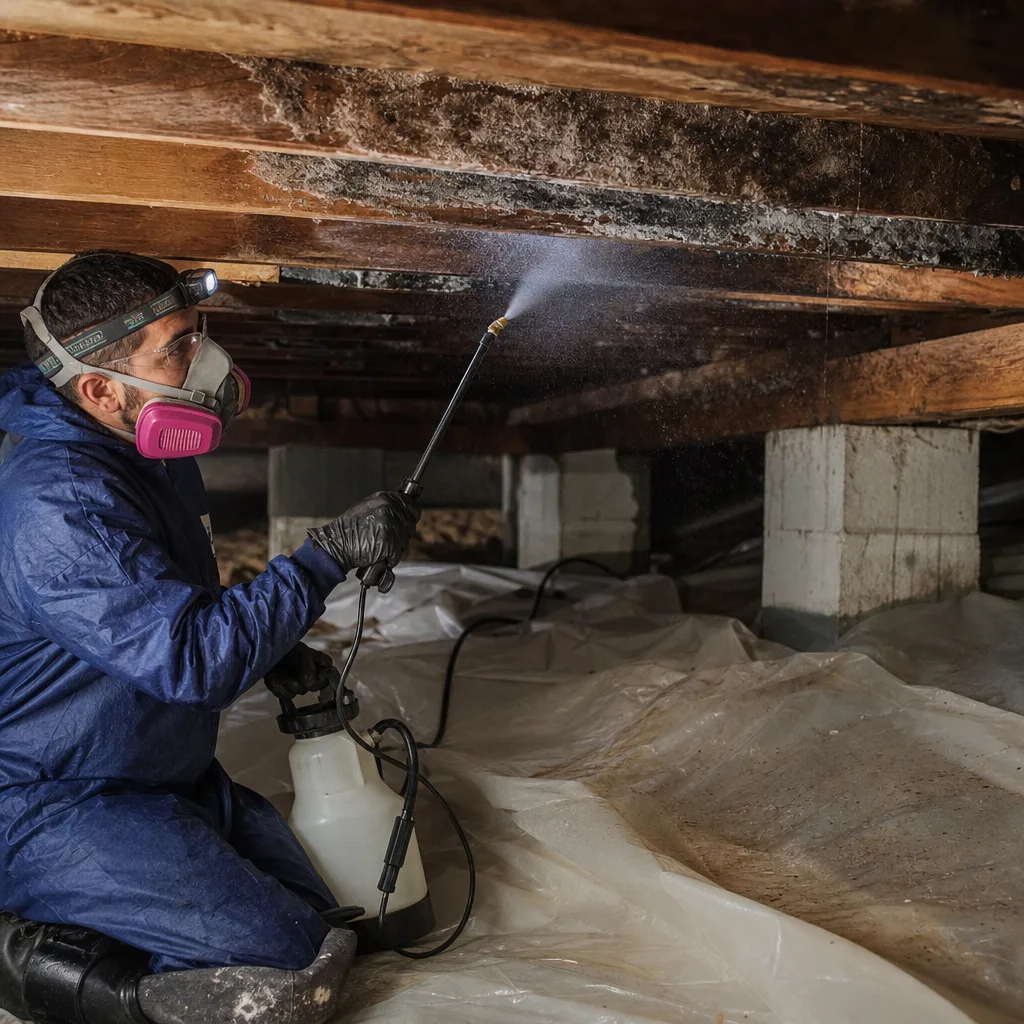
We complete mold remediation in Long Beach annually in crawl spaces where maintenance records would have caught elevated moisture months before colonization.
Annual Photo Documentation for Claims Support
Photographs with dates and locations create the narrative framework adjusters use to evaluate claims. Without them, you’re asking a stranger to reconstruct your home’s condition from memory. We require photo documentation on every visit because we’ve seen what happens when it’s absent: disputed scopes, delayed payments, and homeowners paying out-of-pocket for work their policy covers.
What to Photograph Annually
- Expansion joints: Concrete slab expansion joints at the foundation perimeter, patio, and garage. Document sealant condition and any displacement. In Long Beach’s clay soils, seasonal expansion-contraction cycles crack sealant and create water entry paths.
- Weatherstripping: Door and window perimeters, garage door bottom seal, attic access hatch. Worn weatherstripping admits wind-driven rain during Santa Ana events, which peak November through January.
- HVAC condensate lines: Primary and secondary drain lines, pan condition, and termination point. Condensate line failures are the leading cause of attic water damage in Long Beach’s flat-roof homes; the secondary pan should be dry and rust-free.
- Water heater installation: Pan, T&P valve discharge, supply lines, and seismic strapping. Document age from the rating plate. Tanks over ten years in Long Beach’s hard water environment show accelerated corrosion.
- Washing machine and dishwasher supplies: Stainless steel braided hoses or original rubber. Rubber hoses fail predictably at 5-7 years; photograph installation date if known.
- Roof penetrations: Vents, skylights, and any previous repair patches. Previous repairs are pre-existing conditions insurers scrutinize; document their condition before new damage occurs.
Store photos with the same naming convention as moisture readings: 2025-01-15_WaterHeater_TandPValve.jpg. Include a brief note on any concern and follow-up action taken.
Documenting and Storing Maintenance Records
Records that cannot be found when needed are records that do not exist. We’ve watched homeowners with meticulous documentation lose claims disputes because their files were on a crashed hard drive, in a flooded garage filing cabinet, or scattered across email accounts they no longer access.
Storage Protocol
Use a cloud service with version history (Google Drive, Dropbox, OneDrive). Create a master folder: [Address] Home Maintenance Records. Subfolders by year, then by category: Moisture Readings, Pressure Tests, Photos, Repair Invoices, Insurance Correspondence.
Share the folder with your insurance agent and store the share link in your policy documents. When damage occurs, your first call after mitigation should include: “My maintenance records are at this link.” An adjuster who receives organized documentation before the site visit writes a faster, more complete estimate.
Record Retention
Keep moisture baselines, pressure tests, and photos for the duration of ownership plus seven years. Keep repair invoices and insurance correspondence for ten years. California’s statute of limitations on construction defect claims is ten years; your records may support a recovery even after you’ve sold the property.
The Haven Standard, Clause 1 requires a written price before any work starts. When you have documented maintenance records, that written price is more accurate because the scope is clearer. Hidden damage - the category that generates change orders and disputes - is reduced when pre-existing conditions are known.
Seasonal Maintenance Calendar for Long Beach Homes
Long Beach’s climate creates distinct maintenance windows. The marine layer season (May-June) elevates ambient moisture. Santa Ana wind events (November-January) drive wind-driven rain through compromised exteriors. Summer heat (August-September) stresses aging plumbing and HVAC systems.
January: Post-Storm Assessment
- Inspect roof, gutters, and drainage after Santa Ana season
- Check crawl space for moisture intrusion from heavy rain
- Document any new cracks, stains, or material changes with dated photos
April: Pre-Summer Preparation
- Plumbing pressure test
- HVAC startup inspection, including condensate line flush
- Flat roof inspection and drain clearing before dry season thermal cycling
May-June: Marine Layer Monitoring
- Weekly RH readings in unconditioned spaces (garage, attic, crawl space)
- Run dehumidification if RH exceeds 60% for more than 72 hours
- Inspect stucco for efflorescence as moisture drives outward
October: Pre-Rainy Season Baseline
- Full moisture reading update for all documented locations
- Annual photo documentation cycle
- Plumbing pressure test
- Crawl space vapor barrier and vent inspection
- Water heater age and condition review
Ongoing: Event-Triggered Documentation
After any water contact event - overflow, leak, unusual humidity spike - photograph affected areas and take moisture readings within 24 hours. This creates a contemporaneous record even if you handle cleanup without professional assistance. If the situation escalates, that documentation supports your fire & smoke damage restoration in Long Beach or water mitigation claim.
Common Mistakes to Avoid
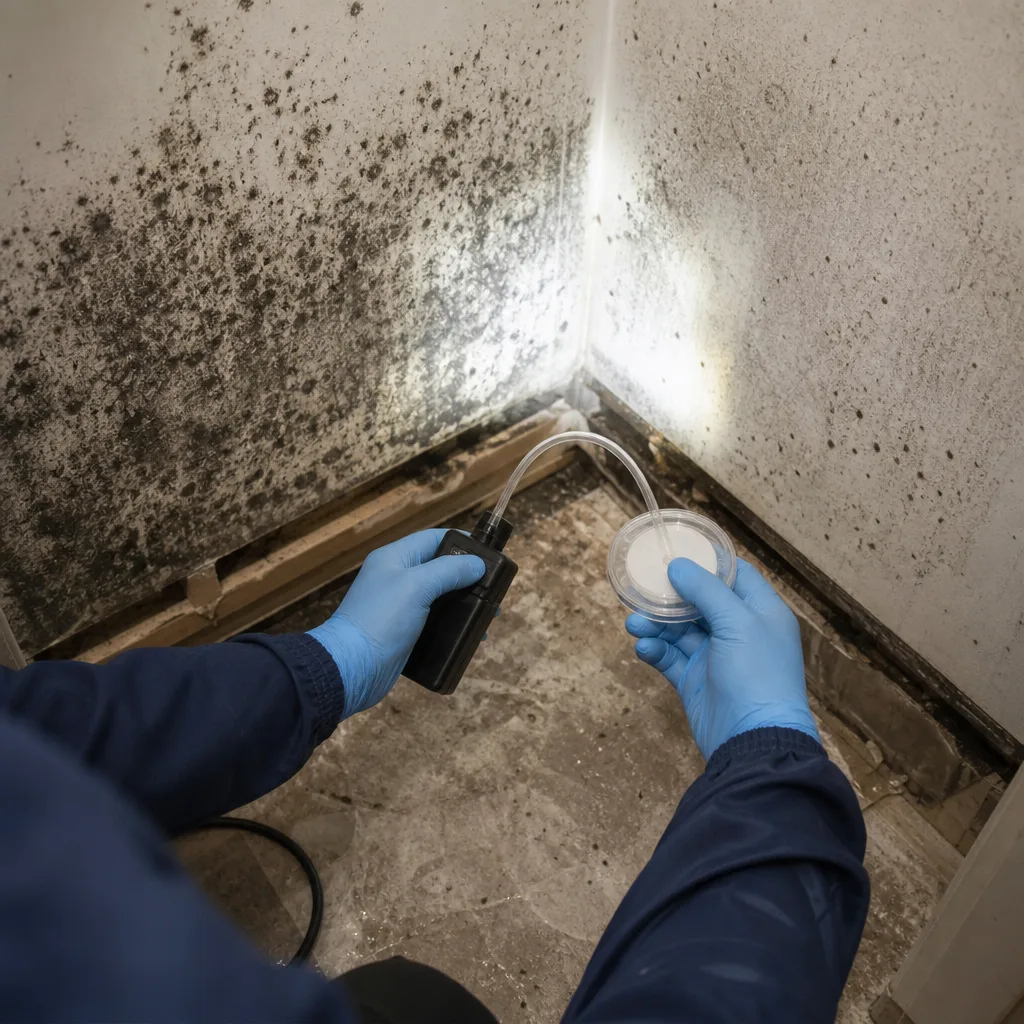
- Recording “looks fine” instead of numbers. “No visible mold” means nothing in a claim dispute. “Crawl space rim joist: 11% MC, 48% RH, 68°F” is a fact an adjuster cannot dismiss.
- Storing records only in the home. We’ve extracted waterlogged filing cabinets from Long Beach garages where homeowners kept decades of documentation. Cloud storage is not optional.
- Ignoring pressure after municipal work. Long Beach Water Department main replacements routinely increase service pressure 10-20 PSI. Test within 30 days of any neighborhood infrastructure work.
- Photographing without context. A photo of a crack is useless without scale, location label, and date. Include a ruler or coin for scale, and write location on a card in the frame.
- Assuming new construction is exempt. We’ve documented water damage in Long Beach homes built after 2015 from improper stucco installation, failed shower pan membranes, and HVAC condensate design errors. Baseline readings in year one establish warranty-period documentation.
- Waiting for visible damage to call. By the time water stains appear on drywall, the cavity behind has been wet for days or weeks. Moisture meters catch problems at 48 hours, when drying is still a mitigation, not a reconstruction.
- Discarding repair invoices after payment. Invoices for prior plumbing repairs, roof patches, or foundation work establish maintenance history that insurers use to evaluate “sudden and accidental” claims. Retain all trade work documentation.
When to Call a Professional
Call for professional assessment when moisture readings exceed your baseline by more than 3% MC, when you detect musty odor without visible source, when plumbing pressure exceeds 80 PSI or drops below 40 PSI, or when any water intrusion reaches wall cavities or subflooring. These thresholds indicate conditions beyond homeowner mitigation capacity.
Category 2 or 3 water - gray water from appliances or black water from sewage - requires professional handling per IICRC S500 standards. Do not attempt extraction or antimicrobial application yourself; documentation of improper handling can void coverage.
DryMark Restoration Long Beach offers free estimates in Long Beach. Our assessments include written moisture readings, photo documentation, and a written scope and price before any work begins - Haven Standard, Clause 1. Call (424) 373-5092 for same-day response on active water intrusion.
Frequently Asked Questions
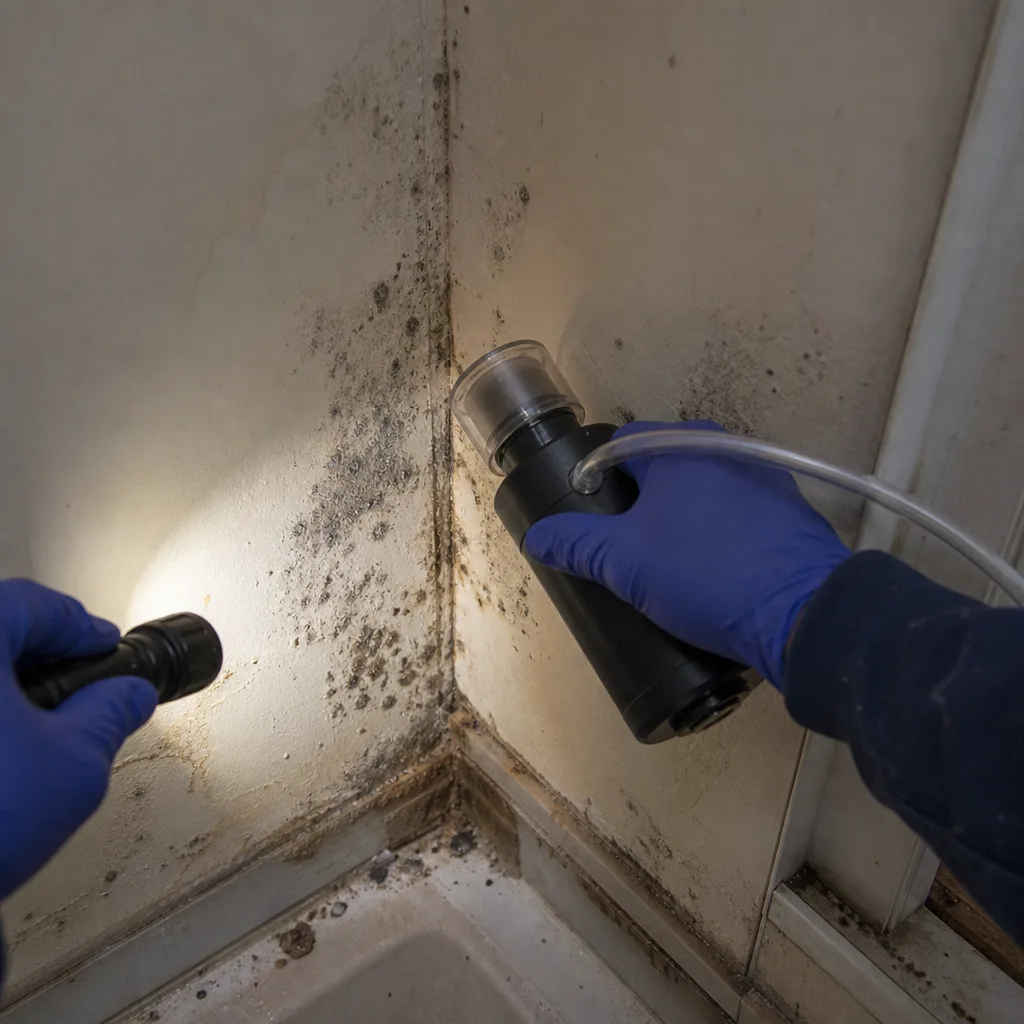
Professional moisture mapping with thermal imaging and pinless meter verification typically runs $150-$350 for a single-family home, though many restoration companies waive this fee if mitigation follows. DryMark Restoration Long Beach provides free estimates that include baseline moisture readings - call (424) 373-5092 to schedule.
Insurance may still cover sudden and accidental water damage without maintenance records, but the absence of documentation shifts burden of proof to you. Adjusters routinely attribute damage to “long-term neglect” when no baseline exists. Documented maintenance records make “sudden and accidental” claims faster and more complete.
Quarterly inspection is the minimum for Long Beach crawl spaces, with additional checks after heavy rain or Santa Ana wind events. Marine layer moisture and tide-influenced groundwater in coastal neighborhoods create conditions that change faster than inland equivalents. Monthly checks from May through July, when marine layer humidity peaks, are prudent.
A pinless moisture meter with 0.1% MC resolution and a digital hygrometer with ±2% RH accuracy provide sufficient accuracy for baseline documentation. Brands like Protimeter, Delmhorst, and Wagner offer homeowner-appropriate models at $35-$75. Avoid combination devices that sacrifice accuracy for feature count.
Modern smartphones produce sufficient resolution for insurance documentation. Enable automatic cloud backup, location tagging, and timestamp overlay. The critical factor is consistent naming and storage, not equipment quality. A well-organized phone photo with date and location is more valuable than a high-resolution image with no context.
Long Beach Building and Safety requires permits for structural repairs, electrical or plumbing replacement, and any work exceeding $500 in value. Emergency mitigation - water extraction, drying, and non-structural material removal - typically proceeds without permit, but reconstruction requires proper permits and inspections. Your restoration contractor should coordinate permit acquisition as part of the written scope.
The Bottom Line
Water damage prevention in Long Beach is not a list of tasks to complete and forget. It is a documentation practice that creates leverage before you need it. Measure what you can measure: moisture content, relative humidity, plumbing pressure, and material condition. Photograph what you cannot quantify: cracks, stains, wear patterns, and previous repairs. Store everything where you can find it when your home is wet and your adjuster is asking questions. The homeowners who recover fully from water losses are not luckier than others. They simply have records that make “normal” undeniable. For more guides & resources on protecting your home, visit our blog.
Written by Alicia Brennan, Owner at DryMark Restoration Long Beach, serving Long Beach since 2011.