
Last updated September 23, 2026
Free visual inspection and a written scope of work before any mitigation begins - photos, moisture readings, and drying logs go in your claim file
The scope we write is the scope we bill. Anything new gets shown to you, in writing, before we touch it.
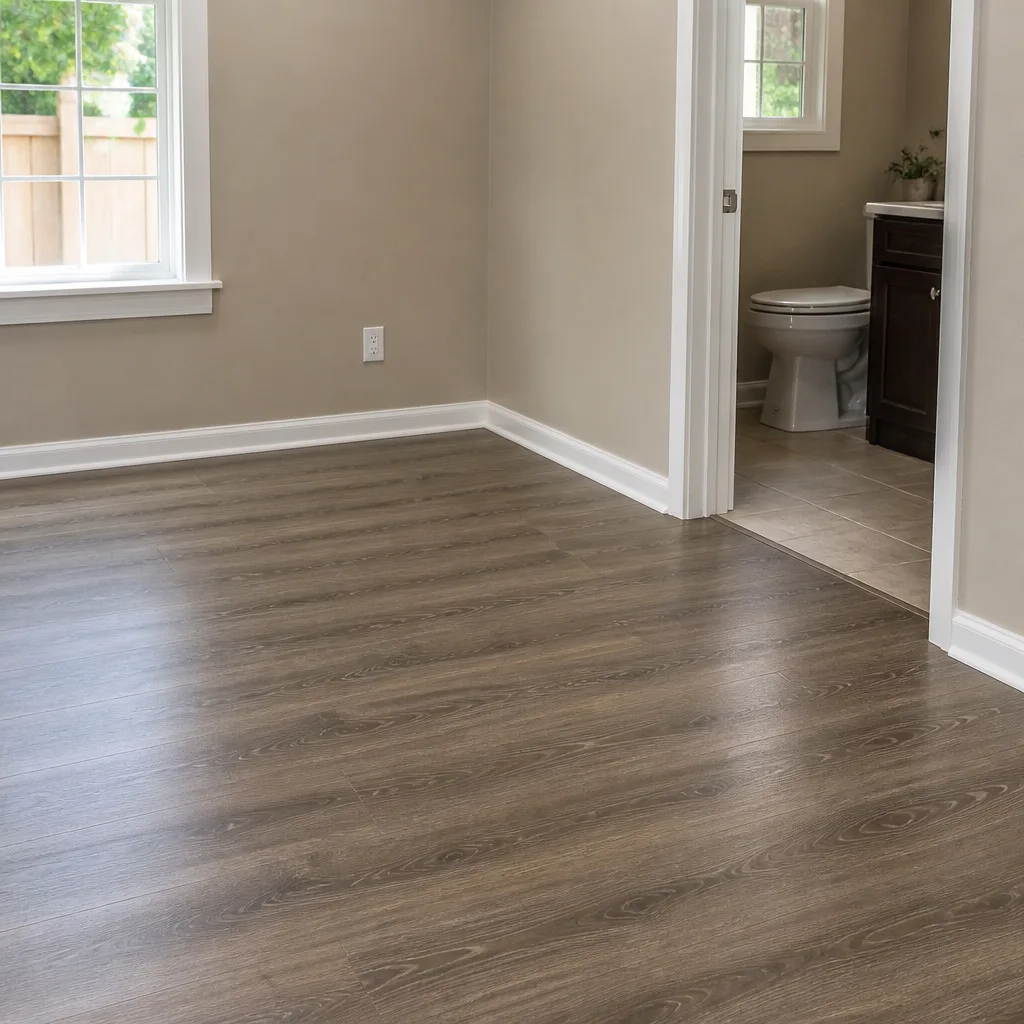
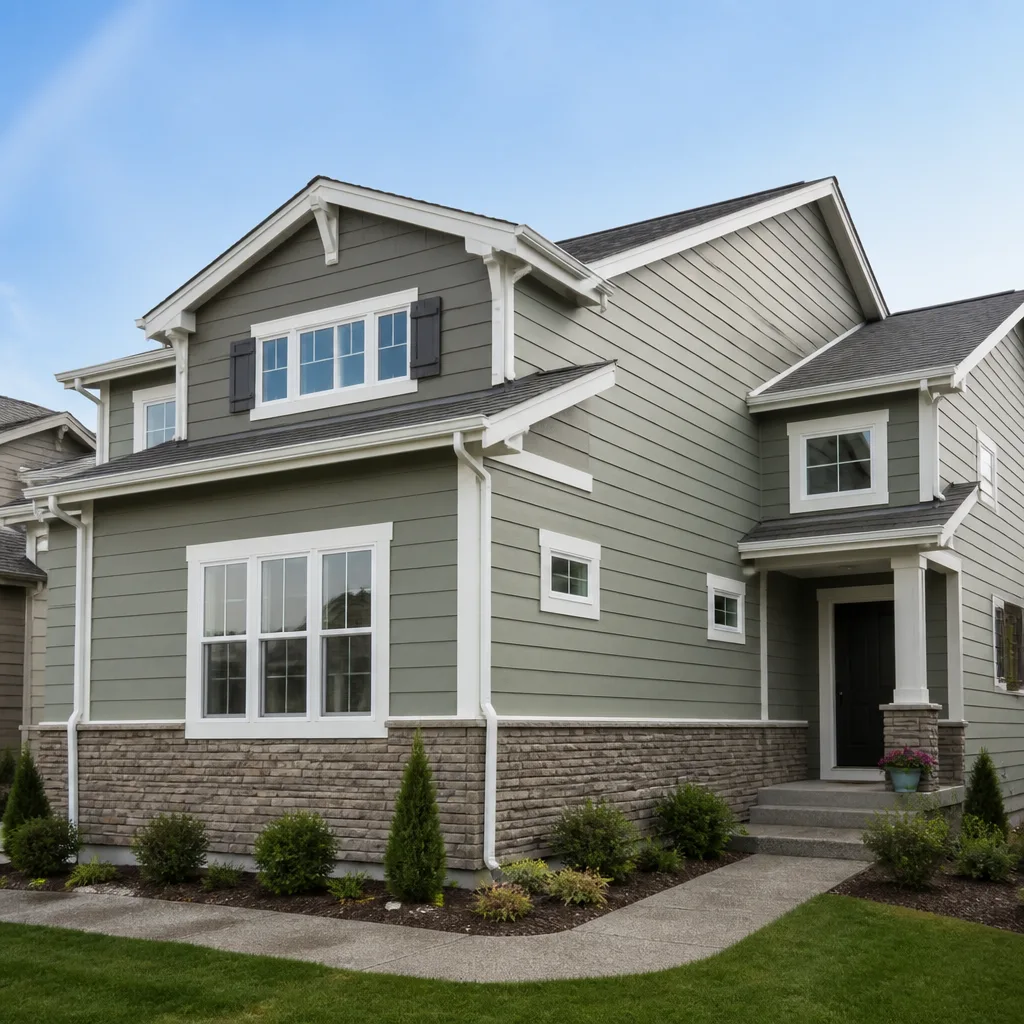
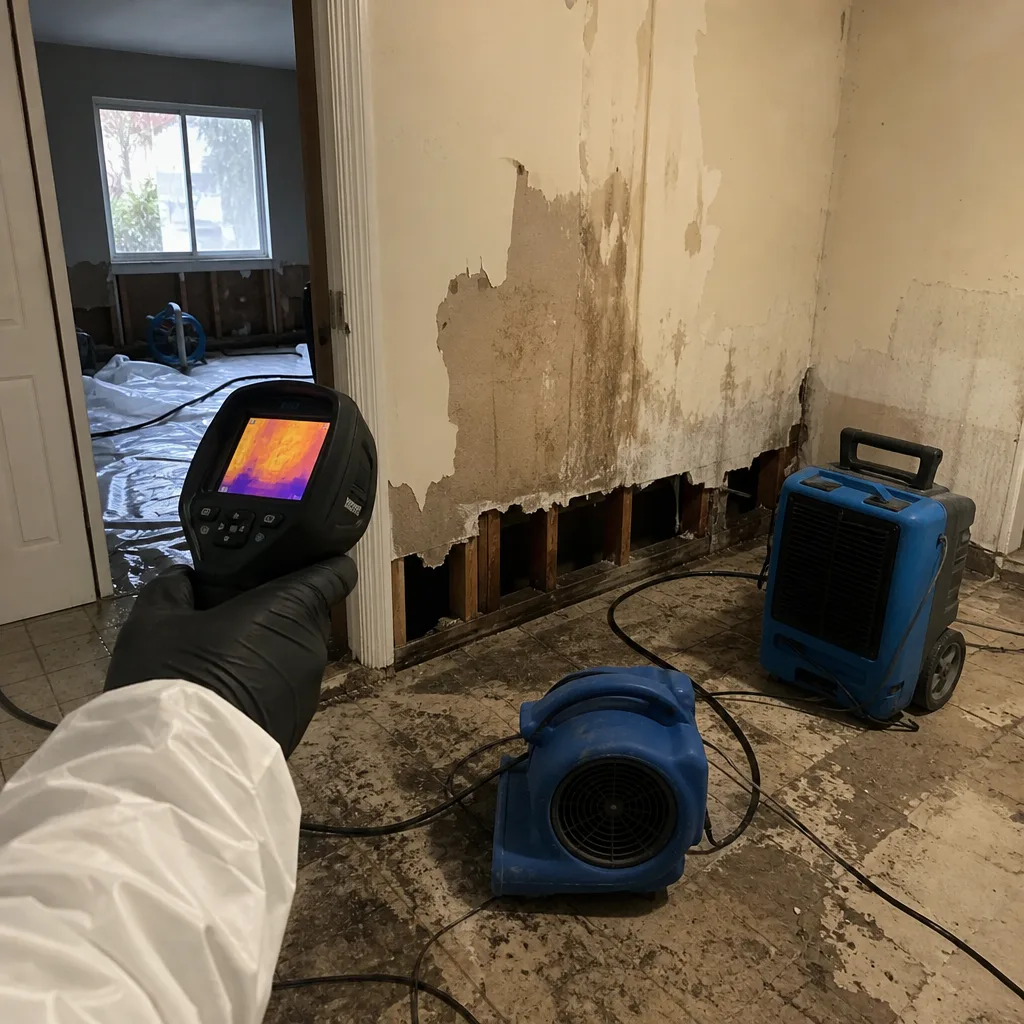 Before
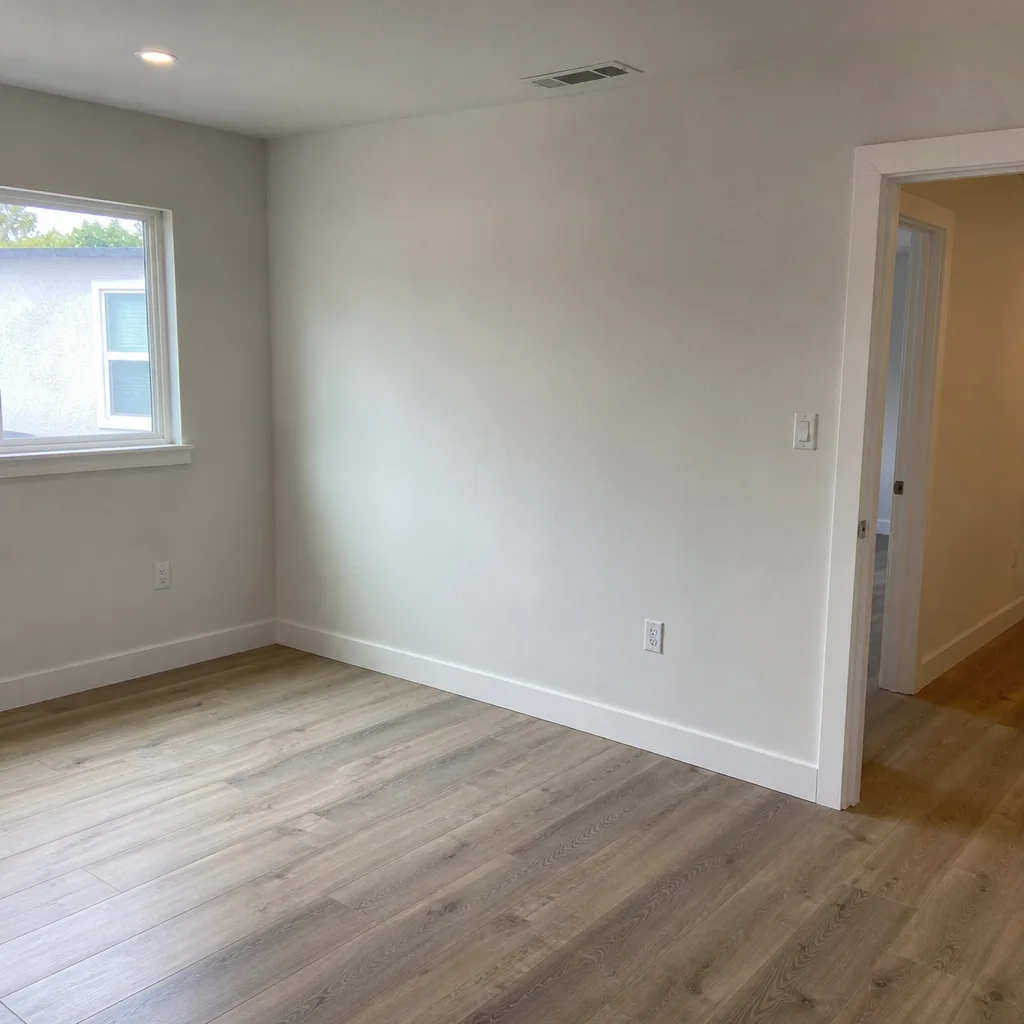 After
After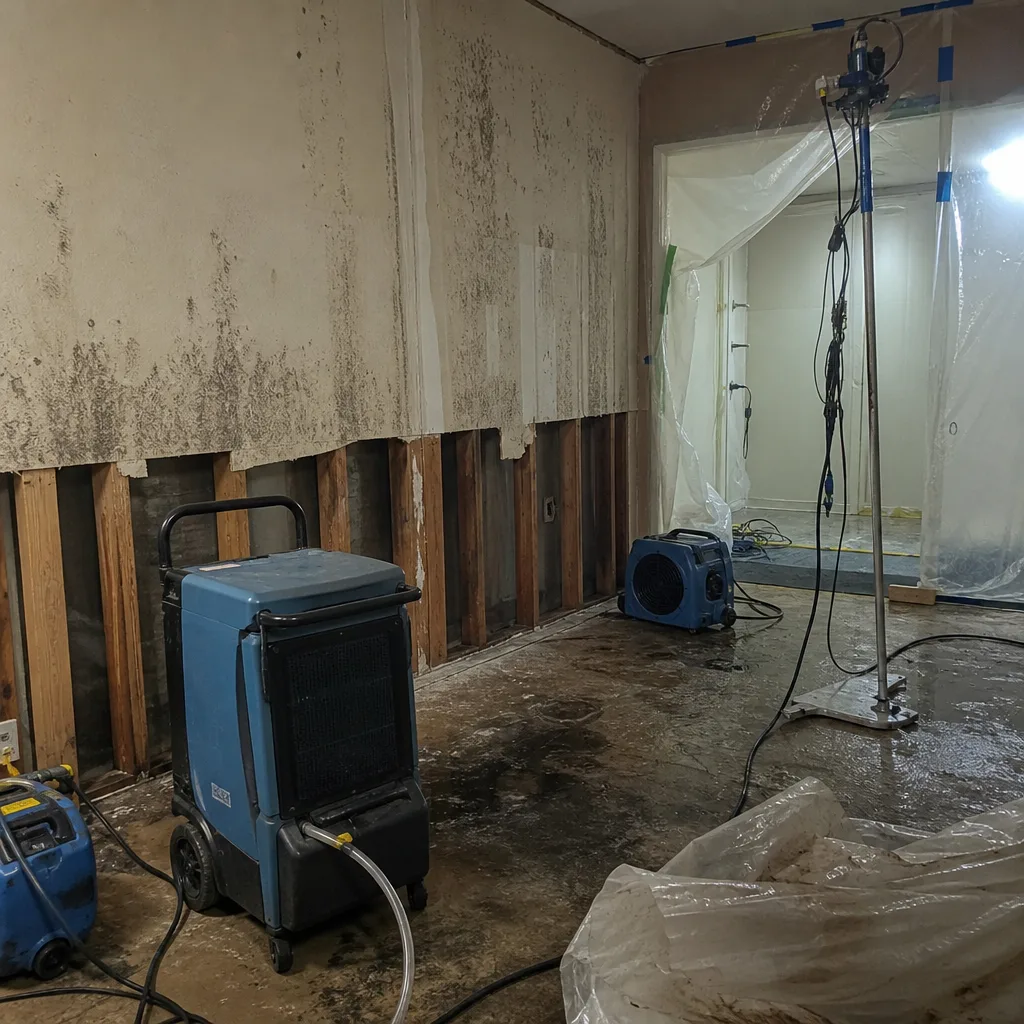 Before
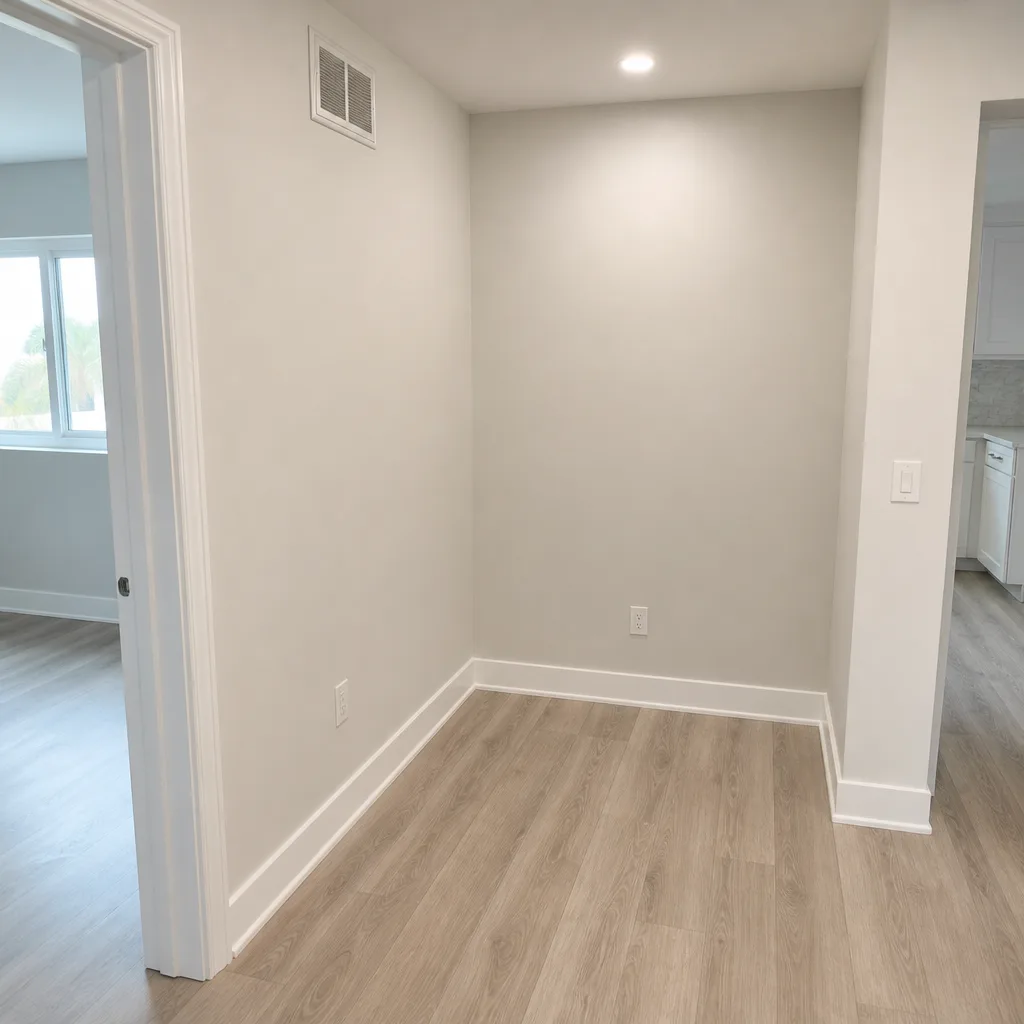 After
After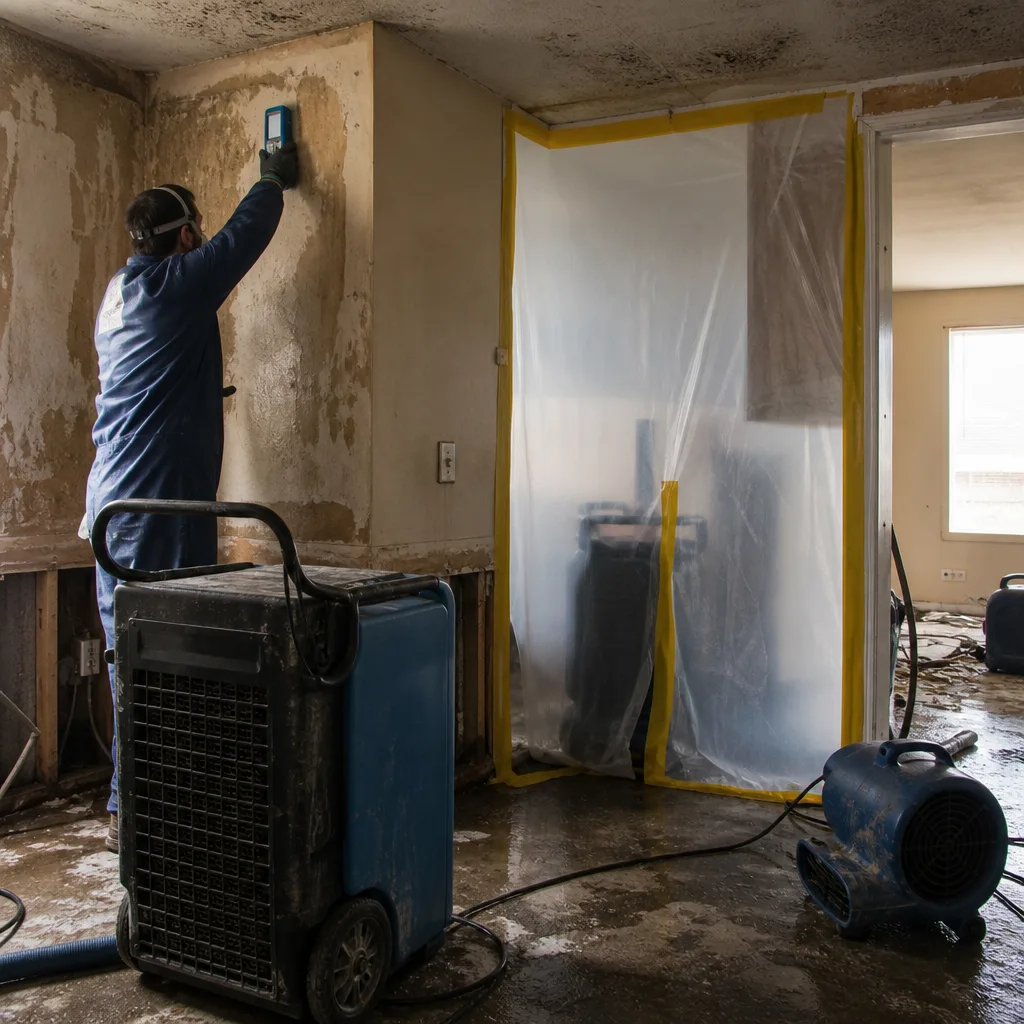 Before
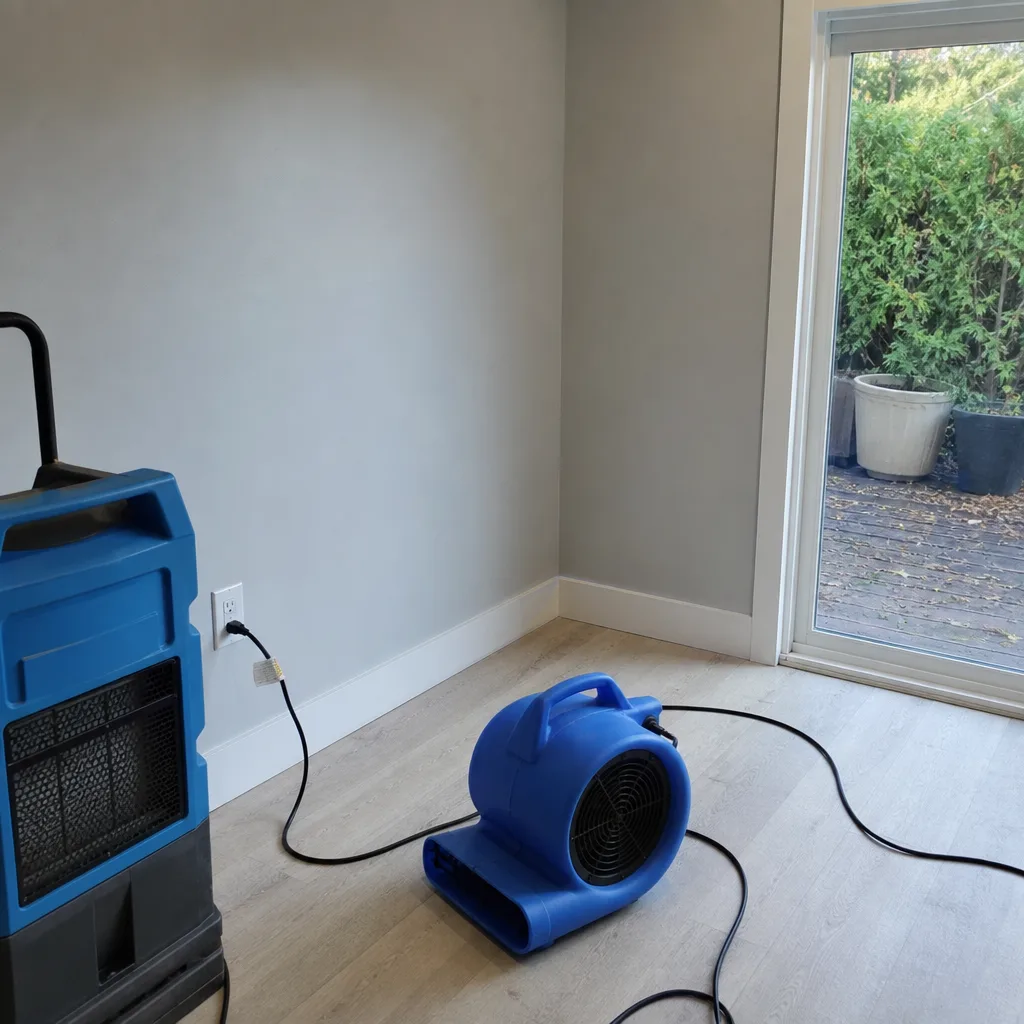 After
AfterSeasonal Damage Restoration Care for Long Beach: Year-Round Homeowner’s Guide
Long Beach averages only 12 inches of rain per year, but 80% of that falls between November and March. Homes that haven’t been inspected since the previous winter are structurally unprepared for the first significant storm every single season. In our experience restoring over 12,000 homes since 2011, the most expensive water losses in Long Beach aren’t caused by dramatic flooding. They’re caused by homeowners who skipped a 20-minute exterior walkaround because the weather felt mild enough to ignore. Our Complete Guide to Damage Restoration in Long Beach reframes seasonal maintenance as a quarterly documentation practice - one that builds a defensible pre-loss history, catches Category 1 water events while they’re still cheap to fix, and aligns your inspection calendar with the actual risk patterns that move through Long Beach zip codes from the coast to the Los Angeles River.
Quick Answer
Seasonal damage restoration care in Long Beach means inspecting your home four times per year against a documented Water Damage Restoration Maintenance Checklist for Long Beach Homeowners, with extra attention to winter rain intrusion (November through March), spring plumbing pressure tests, summer HVAC condensate drainage, and fall marine-layer humidity spikes above 60% relative humidity. Homes in coastal Long Beach zip codes 90802, 90803, and 90804 face higher year-round mold risk than inland neighborhoods due to persistent marine-layer moisture. A documented inspection record with date-stamped photos and moisture readings protects your insurance claim if damage occurs.
Table of Contents
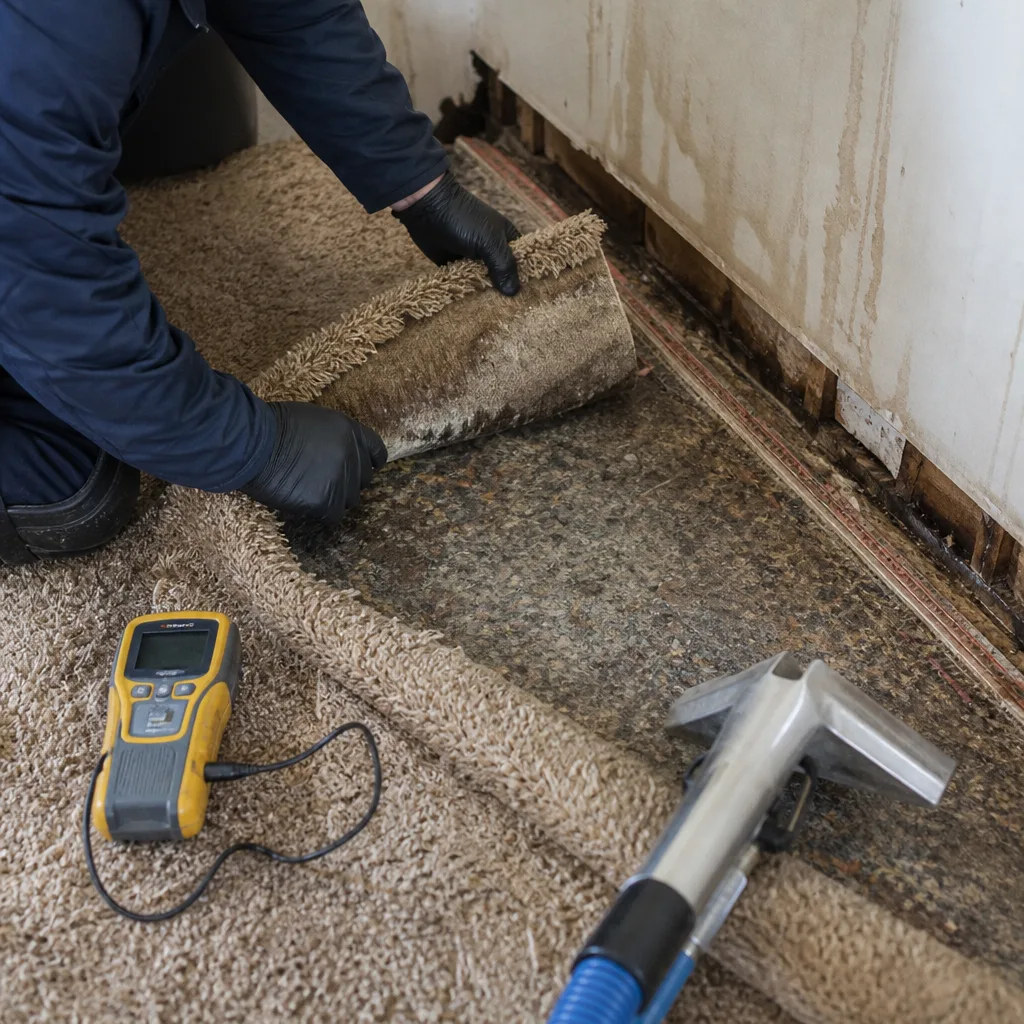
- Why Long Beach’s Climate Creates Predictable Damage Patterns
- Winter Inspection Protocol: November-March
- Spring Inspection Protocol: April-June
- Summer Inspection Protocol: July-September
- Fall Inspection Protocol: October
- Documenting Your Inspection: Building Defensible Pre-Loss History
- Marine Layer Humidity: Coastal vs. Inland Long Beach
- Common Mistakes to Avoid
- When to Call a Professional
- Frequently Asked Questions
- The Bottom Line
 Before
 After
AfterWhy Long Beach’s Climate Creates Predictable Damage Patterns
Long Beach’s Mediterranean climate lulls homeowners into a false sense of security. Daytime temperatures rarely drop below 65°F in winter. Palm trees don’t lose their leaves. The sky stays blue enough that a missing roof tile or cracked stucco patch feels like a next-weekend problem until it’s a $14,000 water damage restoration.
We’ve documented the pattern across our files. The first significant winter rain in Long Beach - typically arriving between November 15 and December 5 - produces a predictable spike in our call volume. Not because the rain is extraordinary, but because the preceding eight dry months allowed small envelope failures to progress unchecked. A hairline stucco crack that would have shed a light spring shower becomes a water intrusion path when driven by a 25-knot Santa Ana wind against a saturated wall assembly.
The city’s geography compounds this. Long Beach sits on a coastal plain with minimal natural drainage. The Dominguez Gap and the Los Angeles River channel stormwater, but many residential neighborhoods in 90804, 90805, and 90806 sit on flat lots with clay-heavy soils that percolate slowly. Water that doesn’t drain horizontally wicks vertically into foundation perimeters. We’ve measured foundation moisture content above 20% wood moisture equivalent in April - months after the last rain - in homes where the homeowner never connected winter saturation to spring mold odor.
Then there’s the marine layer. From May through October, cool, moist air moves inland overnight, raising relative humidity in unconditioned spaces. Coastal Long Beach zip codes 90802, 90803, and 90804 experience more than 120 nights per year with marine-layer fog or heavy dew. Attics without adequate ventilation, crawl spaces with dirt floors, and exterior walls with compromised vapor barriers absorb this moisture continuously. The damage isn’t dramatic. It’s cumulative - and invisible until a moisture meter or mold test reveals it.
This predictability is the point. Long Beach doesn’t throw random weather events at homeowners. It throws the same four patterns, on the same calendar, with the same failure modes. A quarterly inspection protocol calibrated to these patterns catches damage in the Category 1 window: clean water, less than 24 hours, restorable without demolition. Wait for visible signs, and you’re typically in Category 2 or 3, with higher cost, longer displacement, and more complex insurance documentation.
Winter Inspection Protocol: November-March
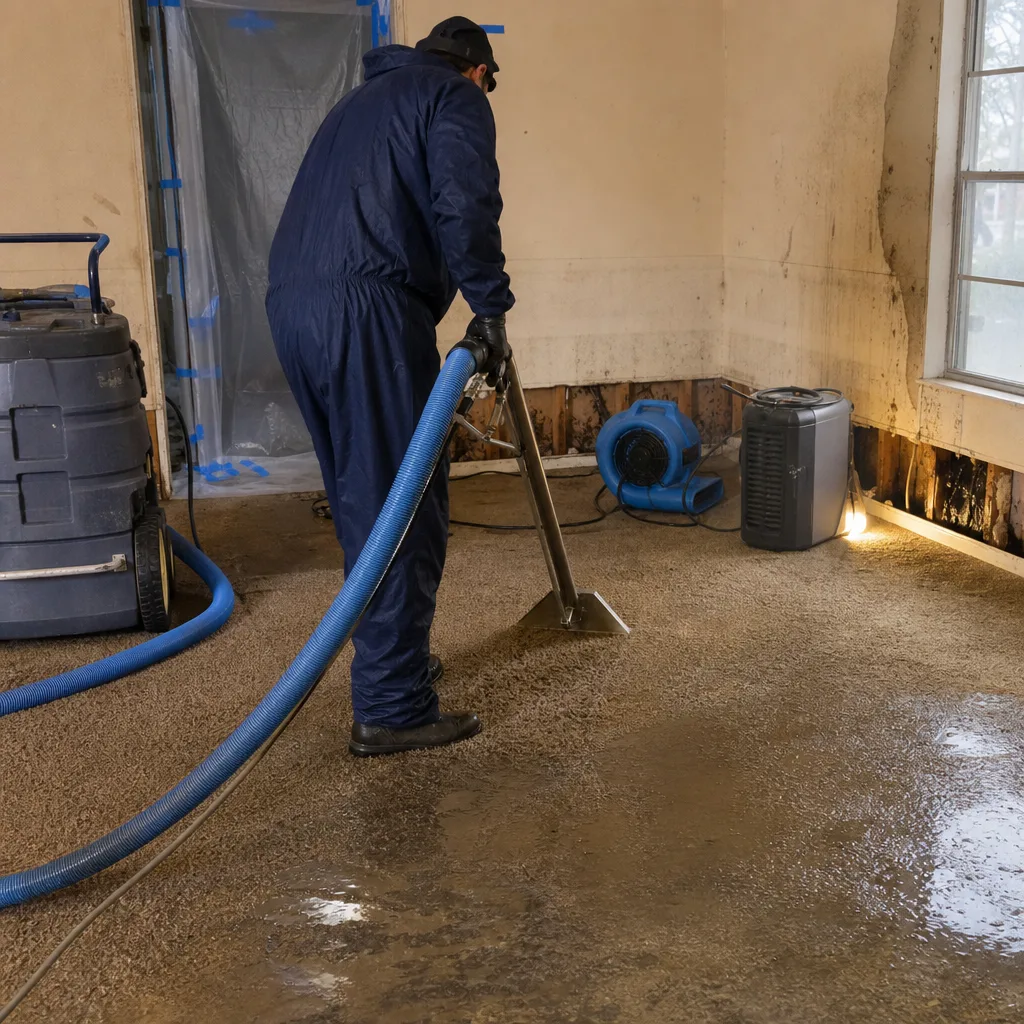
Winter in Long Beach is when the year’s water damage risk concentrates. The first inspection should happen before November 15, with follow-ups after every storm event above 0.5 inches in 24 hours.
Roof and attic: Check all penetrations - vent pipes, chimneys, skylights - for cracked flashing or failed sealant. Long Beach’s UV exposure degrades asphalt shingle sealant faster than inland markets; we’ve found 7-year-old roofs with tab lift that the homeowner never noticed from the ground. In the attic, look for darkened sheathing, especially near ridge vents where wind-driven rain enters if baffles are missing or crushed.
Stucco and exterior envelope: Pre-1970 homes in Long Beach neighborhoods like Belmont Heights, California Heights, and the Wrigley area predominantly use stucco over wood-frame construction. Walk the perimeter with a flashlight held at a low angle to reveal hairline cracks. Pay special attention to horizontal surfaces: window sills, parapet caps, and the top of foundation walls. These cracks don’t need sealing with generic caulk. They need elastomeric patching compound rated for exterior stucco, applied when the substrate is dry - which in Long Beach means October, not January.
Foundation and drainage: Verify that downspouts discharge at least 6 feet from the foundation. In Long Beach’s flat terrain, even a 2% grade away from the house matters. We’ve documented cases where a single clogged downspout created a hydrostatic pressure condition that pushed water through a slab crack in the 90805 area. The homeowner’s insurance initially denied the claim as “groundwater,” but our moisture mapping showed the source was roof runoff - a covered peril, properly documented.
Interior moisture monitoring: If you own a pinless moisture meter, record readings at baseboards in each room, especially north-facing walls. Baseline readings in Long Beach’s winter typically run 8-12% wood moisture equivalent. A reading above 16% indicates active water intrusion, not ambient humidity. Date-stamp the photo and note the location.
Post-storm checklist after significant rain:
- Inspect the attic within 24 hours for new leaks, using a bright flashlight to catch sheathing discoloration before it spreads.
- Check all window wells and sliding door tracks for standing water or debris blockage.
- Walk the perimeter for new soil erosion, especially where downspouts discharge.
- Run your hand along interior baseboards, feeling for cold spots that indicate evaporative cooling from hidden moisture.
- Document everything with date-stamped photos, even if no damage is visible - negative documentation is still documentation.
Spring Inspection Protocol: April-June
Spring in Long Beach brings a different risk profile. Municipal water pressure fluctuates as landscaping irrigation systems activate across the city. Thermal expansion in aging copper or galvanized supply lines stresses fittings that were stable all winter. And foundation soils that absorbed winter rain begin their slow dry cycle, creating subtle settlement that can crack slab plumbing.
Plumbing pressure test: This isn’t a professional pressure test with a gauge. It’s a homeowner observation protocol. Turn off all water fixtures, record your meter reading, and wait two hours without using water. If the meter moves, you have a leak. In Long Beach’s older neighborhoods - particularly the Craftsman-era housing stock near Bixby Knolls and the Spanish Colonial homes in Belmont Shore - we’ve found that spring is when slab leaks declare themselves. The thermal mass of the slab has held winter-cool water, and the warming soil creates differential expansion that finishes off a fitting that was already fatigued.
Appliance supply lines: Check washing machine hoses, refrigerator icemaker lines, and dishwasher flex connectors. Replace any rubber hose older than five years with braided stainless steel. The cost is $12-$25 per hose. The average water damage restoration from a failed washing machine hose in Long Beach runs $4,800-$8,200, based on our 2011-2024 job files.
HVAC condensate drain: Your air conditioner hasn’t run hard since October. The condensate drain pan and line may have accumulated biofilm or algae during the idle months. Pour a quart of water into the pan and verify it drains freely. A clogged condensate line in spring becomes an attic or ceiling leak by the first hot weekend in May. We’ve responded to dozens of these calls in the 90808 and 90815 zip codes, where homes built in the 1960s-1980s have attic-mounted air handlers with limited access.
Exterior irrigation: Activate your sprinkler system and inspect each head. Misaligned heads that spray against the house foundation create a chronic moisture condition that mimics plumbing leaks. In Long Beach’s water-conscious market, many homeowners have converted to drip irrigation, which brings its own risk: micro-tubing punctures that release 1-2 gallons per hour against stucco. We found one case in the 90807 area where drip line failure behind a bougainvillea created $11,000 in hidden wall cavity damage over 18 months.
Summer Inspection Protocol: July-September
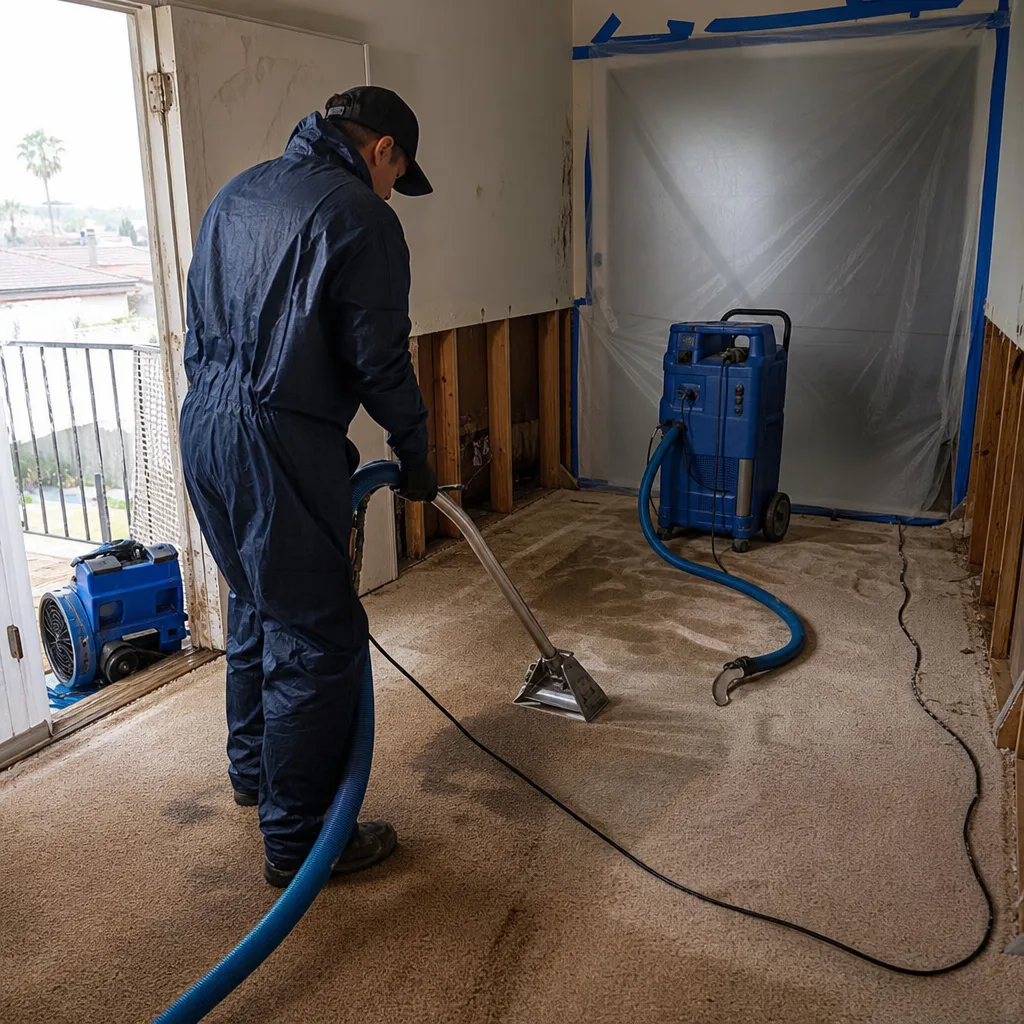
Summer is Long Beach’s driest season by precipitation, but it’s not the lowest-risk season for water damage. The primary threats shift to HVAC condensate overflow, water heater failures, and - paradoxically - over-irrigation in landscapes that homeowners compensate for dry heat.
HVAC system deep check: By July, your air conditioner is running 8-12 hours daily. The evaporator coil produces condensate at rates that stress marginal drainage systems. Inspect the condensate pan for cracks, especially in plastic pans installed in the 1990s-2000s that become brittle. Verify the float switch operates - this is the device that shuts down the AC if the pan fills, preventing overflow. If your system lacks a float switch, installation costs $150-$300 and is required under current California mechanical code for attic-mounted units.
Water heater tank and connections: Thermal expansion is highest in summer. Check the temperature-pressure relief (TPR) valve discharge pipe for corrosion or moisture. If the TPR valve has discharged, the water stain on the pipe is your evidence. A TPR valve that weeps continuously indicates either excessive pressure (install an expansion tank, $200-$400) or a failing valve. We’ve documented water heater failures in Long Beach that released 40-50 gallons into garages and interior closets. The damage is Category 1 if caught within hours, Category 2 within 24-48 hours, and often requires full garage restoration if the garage door track or drywall is affected.
Exterior hose bibs and irrigation: Long Beach’s summer heat expands metal hose bibs against their wall penetrations. Check for looseness or caulking separation. If you can wiggle the bib, water is likely migrating into the wall cavity when the valve opens. This is a $15 caulking repair or a $3,200 stucco and sheathing restoration, depending on when you find it.
Relative humidity in conditioned spaces: Coastal Long Beach homes should maintain 45-55% relative humidity. Inland areas can run slightly higher, but sustained readings above 60% indicate either excessive infiltration, inadequate dehumidification, or hidden moisture sources. A basic hygrometer costs $15-$30. Record readings in each room, mid-day, with the HVAC running normally. If your coastal home in 90802, 90803, or 90804 consistently reads above 60% despite normal AC operation, the marine layer is winning - and you need to inspect your vapor barrier, attic ventilation, or consider supplemental dehumidification.
Fall Inspection Protocol: October
October is the most important inspection month in Long Beach. It’s your last dry-window opportunity to address envelope failures before the winter rain concentration begins. It’s also when the marine layer returns with enough consistency to create mold-conducive conditions in homes that have accumulated summer moisture.
Pre-winter exterior envelope: Re-walk the stucco crack inspection from spring. Any crack that has widened, any new separation at control joints, any failed sealant at window perimeters - address now, with dry substrate, proper materials, and time for cure before rain. In Long Beach’s pre-1970 housing stock, we regularly see stucco failures at the second-story line where wood framing shrinkage has created a horizontal crack that channels water directly into the wall cavity. This isn’t a DIY caulk job. It needs proper lath inspection, possible moisture barrier repair, and re-stucco with weep screed verification.
Gutter and downspout verification: Long Beach doesn’t have the leaf load of eastern deciduous markets, but it has palm frond debris, roof gravel, and the fine particulate from Santa Ana wind events. Clean gutters thoroughly. Verify downspout extensions are in place and discharge onto hardscape or well-graded soil, not against the foundation.
Attic ventilation check: The marine layer in October and November creates overnight attic humidity spikes. Verify soffit vents are unobstructed by insulation. Check ridge vents for blockage by dust or insect nests. In Long Beach’s coastal zone, we’ve measured attic relative humidity at 85% on marine-layer mornings in homes with inadequate ventilation. That moisture migrates downward through ceiling penetrations, creating the exact conditions for attic mold growth that we remediate every spring.
Foundation perimeter grade: Summer irrigation and soil desiccation may have altered your grade. Verify positive drainage away from the foundation. In the 90804 and 90805 areas with clay soils, even a properly graded lot can develop a negative grade spot where soil has settled against the foundation wall. Fill with compacted soil, not loose mulch, which holds moisture against the stem wall.
Documenting Your Inspection: Building Defensible Pre-Loss History
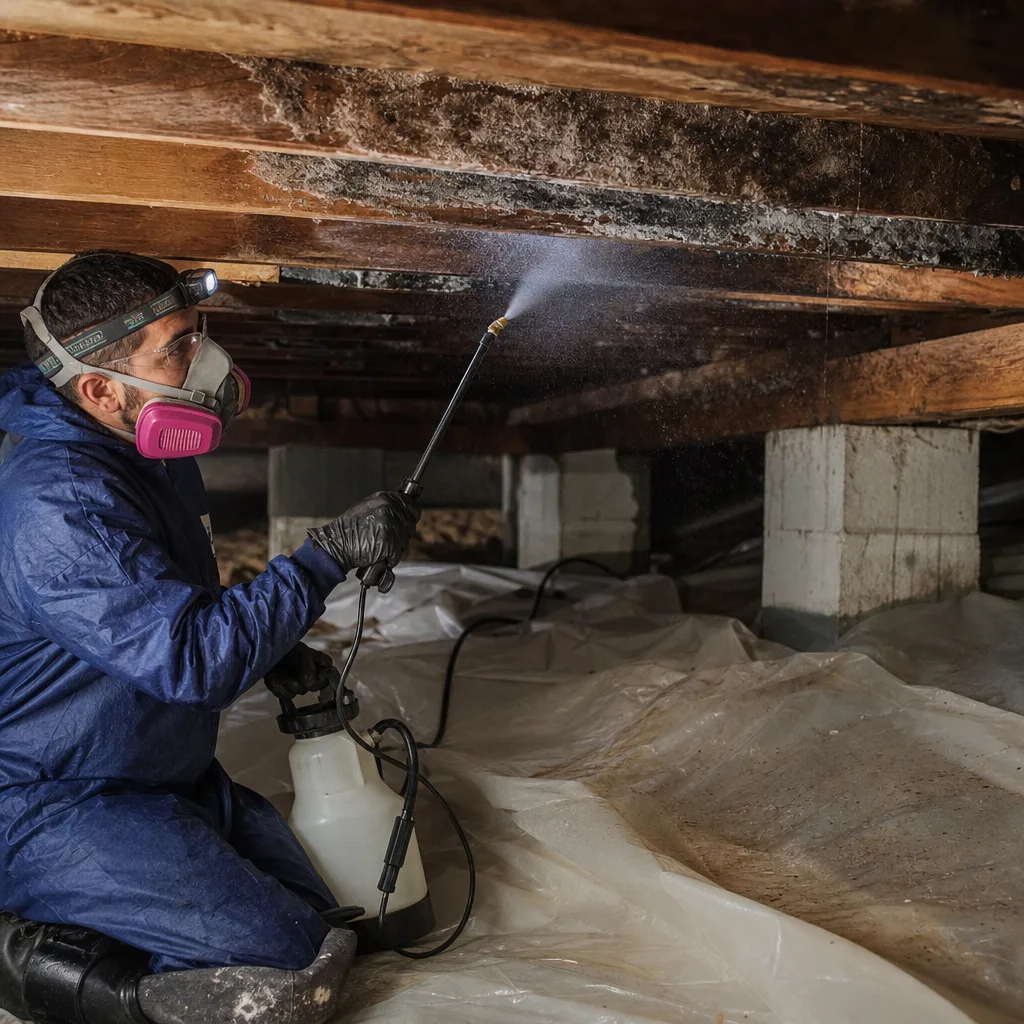
This is where seasonal maintenance becomes a restoration advantage. Insurance claims succeed or fail on documentation. A homeowner who can produce date-stamped photos showing a clean, dry attic in October, followed by moisture meter readings within normal range, followed by post-storm documentation of a new leak - that homeowner has a defensible claim. A homeowner who has no records, who “keeps meaning to check the attic,” faces coverage disputes, depreciation disputes, and the burden of proving the loss was sudden and accidental.
The documentation standard we recommend:
- Date-stamped photos: Use your phone’s timestamp or a photo app that embeds GPS and date. Photograph each inspection point: roof penetrations, stucco condition, attic sheathing, plumbing connections, moisture meter readings. Store in a dedicated cloud folder, not scattered across camera rolls.
- Moisture readings: Record pinless meter readings at consistent locations. We suggest: baseboard height on north and south walls of each room, garage drywall near the water heater, attic sheathing at two points. Note the meter brand and setting - different meters use different scales, and consistency matters more than the absolute number.
- Written observations: A simple note: “October 14, 2024 - stucco crack at second-story northwest corner, approximately 6 inches, no moisture detected at interior baseboard, photo DSC_2041.” This takes 90 seconds and creates a contemporaneous record that adjusters accept.
- Repair receipts: If you address an issue, keep the receipt and photograph the completed repair. This proves maintenance, not neglect, if that issue later contributes to a loss.
- Annual summary: Each October, compile the year’s records into a single PDF with a cover sheet. Email it to yourself or store with your insurance documents. This is your pre-loss history.
At DryMark Restoration Long Beach home, we’ve used homeowner documentation to reverse claim denials. In one 90803 case, the insurer initially denied a $23,000 water damage claim as “long-term leakage” based on visible mold. The homeowner produced 18 months of quarterly inspection photos showing no prior moisture, plus a dated receipt for stucco repair that the leak had bypassed. The denial was reversed. Documentation turned a zero into a full payment.
Marine Layer Humidity: Coastal vs. Inland Long Beach
Long Beach’s microclimates create different moisture risks across zip codes. Understanding this prevents both false alarms and missed warnings.
Coastal zone - 90802, 90803, 90804: These zip codes experience marine-layer influence 120-140 nights per year. Overnight relative humidity in unconditioned spaces routinely reaches 80-90%. Homes without whole-house dehumidification or adequate HVAC sizing struggle to pull below 60% RH during shoulder seasons. The risk isn’t dramatic flooding. It’s chronic moisture accumulation in exterior walls, attics, and crawl spaces that supports mold growth at temperatures as low as 55°F.
We’ve measured vapor pressure differentials in coastal Long Beach homes that drive moisture inward through apparently intact stucco. The mechanism: warm interior air meets a cool, marine-layer-saturated exterior wall. The dew point occurs inside the wall cavity, not on the surface. The homeowner sees nothing until a musty odor or a moisture meter reading reveals the problem. This is why we recommend coastal homeowners install a continuous hygrometer in the attic and check it weekly October through May.
Inland zone - 90805, 90806, 90807, 90808, 90815: These areas are far enough from the immediate coast that marine-layer influence diminishes, though it doesn’t disappear entirely. Summer days run hotter, winter nights cooler, and the diurnal temperature swing is wider. The humidity risk shifts to summer HVAC condensate management and winter heating-season condensation on single-pane windows or inadequately insulated walls. Mold risk is lower but not absent - we’ve remediated attic mold in 90808 caused by bathroom exhaust fans venting into attic spaces, where the wider temperature swing created more severe condensation than in coastal zones.
The 60% RH threshold: Sustained indoor relative humidity above 60% is where mold growth risk becomes actionable. Below 60%, most common indoor molds (Aspergillus, Penicillium, Cladosporium) grow slowly or not at all. Above 70%, growth accelerates significantly. In coastal Long Beach, we see homes that hover at 65-70% RH for months without the homeowner recognizing the risk, because the temperature feels comfortable and there’s no visible water. A $25 hygrometer and a $200 dehumidifier purchase prevent a $4,000-$12,000 mold remediation. That’s the math we want every Long Beach homeowner to calculate.
For Mold Remediation in Long Beach, early detection through humidity monitoring is the single biggest cost reducer we observe.
Common Mistakes to Avoid
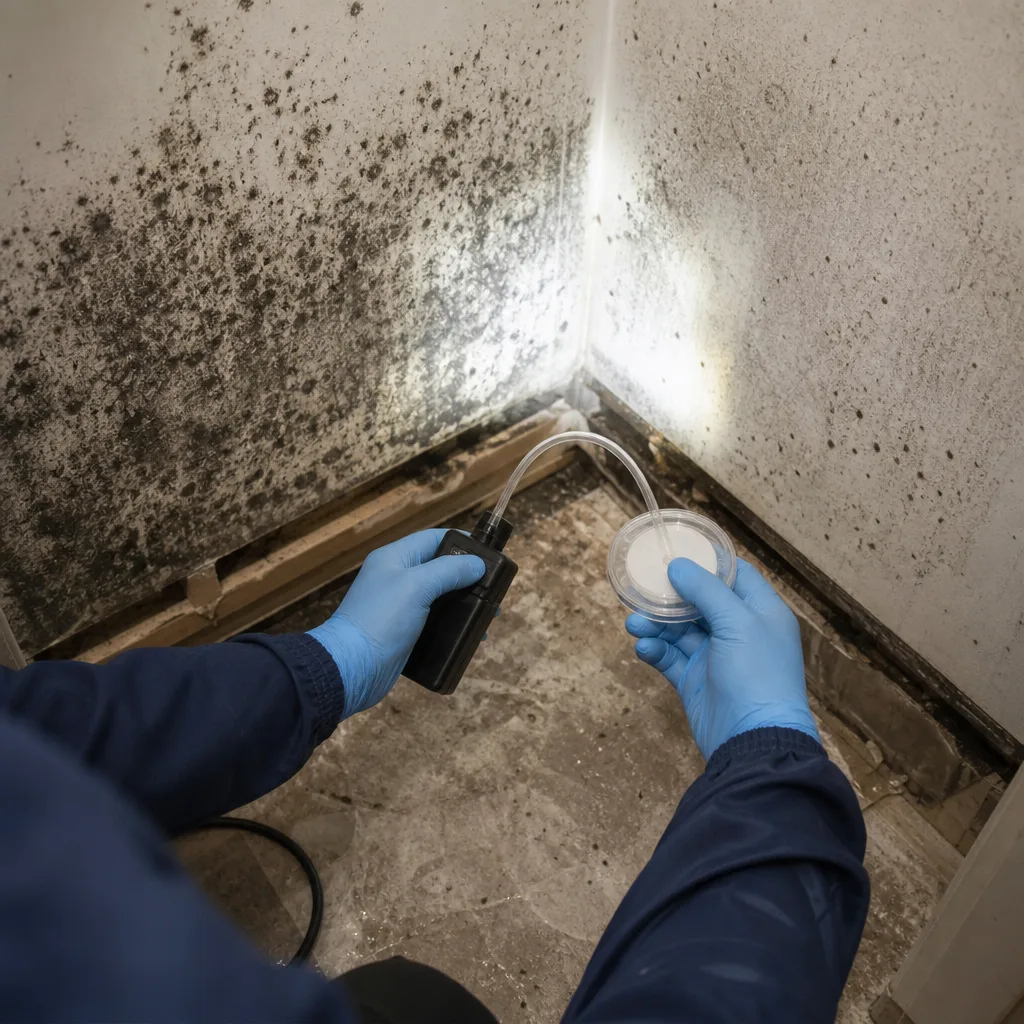
- Skipping October inspection because “it never rains here.” Long Beach’s rain concentration makes October the critical prep month. We’ve responded to hundreds of November calls where a 30-minute October walkaround would have caught the failure.
- Using interior paint or standard caulk on exterior stucco cracks. These materials fail within one season of UV and moisture exposure. Elastomeric patching compound costs more but survives Long Beach’s sun and marine-layer cycle.
- Assuming a musty smell in a coastal home is “just the ocean.” The ocean doesn’t smell musty. Musty is microbial volatile organic compounds - mold metabolites. If you smell it, something is growing. Find it before the spore count forces remediation.
- Running bathroom exhaust fans without verifying they vent outside. In Long Beach’s older housing stock, many fans vent into attics or wall cavities. The moisture doesn’t leave the building envelope; it relocates to a darker space.
- Ignoring a water heater TPR valve weep. That slow drip is a pressure warning. The next stage is a 40-gallon release into your garage or closet. The $250 expansion tank installation prevents the $6,000 restoration.
- Documenting only problems, not normal conditions. Negative documentation - “October 14, attic dry, no leaks, moisture 9%” - is as valuable as problem documentation. It establishes baseline condition.
- Waiting for visible mold before acting on humidity readings. By the time mold is visible, the colony is established and the remediation scope is larger. Act on sustained 60%+ RH, not on visual confirmation.
When to Call a Professional
Some conditions exceed homeowner inspection and repair capacity. Call a professional when you find moisture meter readings above 16% wood moisture equivalent in multiple locations, visible mold growth of any size, water staining that reappears after cleaning, or any plumbing leak you cannot isolate to a single accessible fitting. High-tension garage door springs, electrical panels with moisture exposure, and gas appliance connections are safety hazards - do not attempt DIY repair.
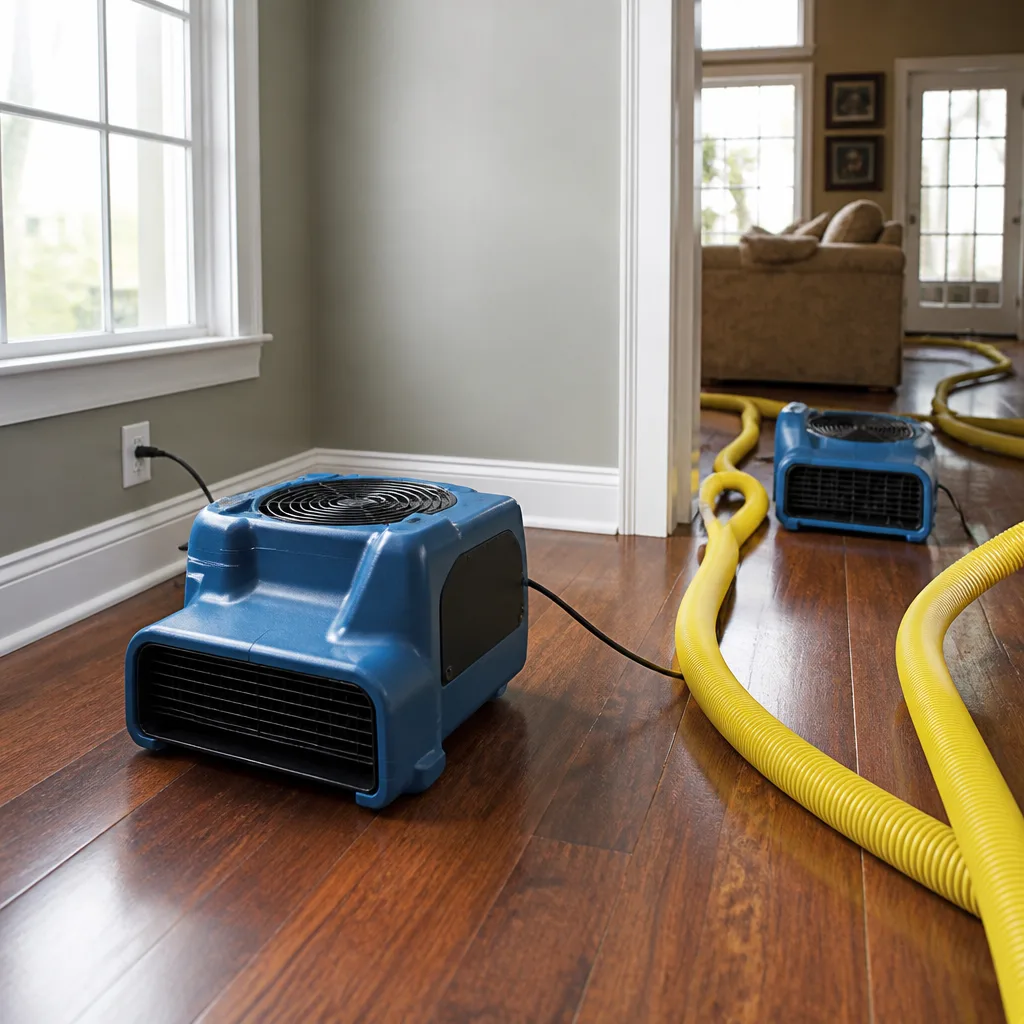
Water Damage Restoration in Long Beach requires professional-grade drying systems - from manufacturers like XPOWER, B-Air, and Injectidry - to achieve the psychrometric conditions that prevent secondary damage. Surface drying with household fans leaves trapped moisture in wall cavities and subfloors.
DryMark Restoration Long Beach offers free estimates in Long Beach. Our technicians arrive with documented moisture readings, deliver a written price before any work begins under Haven Standard, Clause 1, and provide a photo record on every visit. Visit our more guides & resources page, or call (424) 373-5092 to schedule an assessment or a free second opinion on any competitor’s written estimate.
Frequently Asked Questions
A documented seasonal inspection program costs approximately $200-$500 annually in materials, tools, and minor repairs, as detailed in our Damage Restoration Cost Breakdown: The Long Beach Homeowner’s Reference for 2026. The average Category 1 water damage restoration in Long Beach runs $2,800-$5,400, while Category 2-3 losses with mold or structural involvement range from $8,000 to $35,000. Prevention documentation also strengthens insurance claim defensibility, reducing out-of-pocket costs when losses do occur. Call (424) 373-5092 for a free assessment of your home’s specific risk profile.
Insurance covers sudden and accidental water damage, not damage from maintenance neglect. However, “neglect” is determined by documentation, not assumption. A homeowner with dated inspection records, repair receipts, and moisture readings can demonstrate reasonable maintenance even if a failure occurs. Without documentation, the insurer may claim long-term leakage and deny or limit coverage. The Haven Standard at DryMark Restoration Long Beach requires photo documentation on every visit precisely because it turns restoration invoices into payable claims.
Live person answers every call 24 hours a day, 7 days a week with no voicemail on emergency lines. For active water losses, same-day dispatch is standard. For Fire & Smoke Damage Restoration in Long Beach and reconstruction services, work is scoped, scheduled, and priced in writing before commencement - not dispatched as emergency mitigation. Call (424) 373-5092 for current availability.
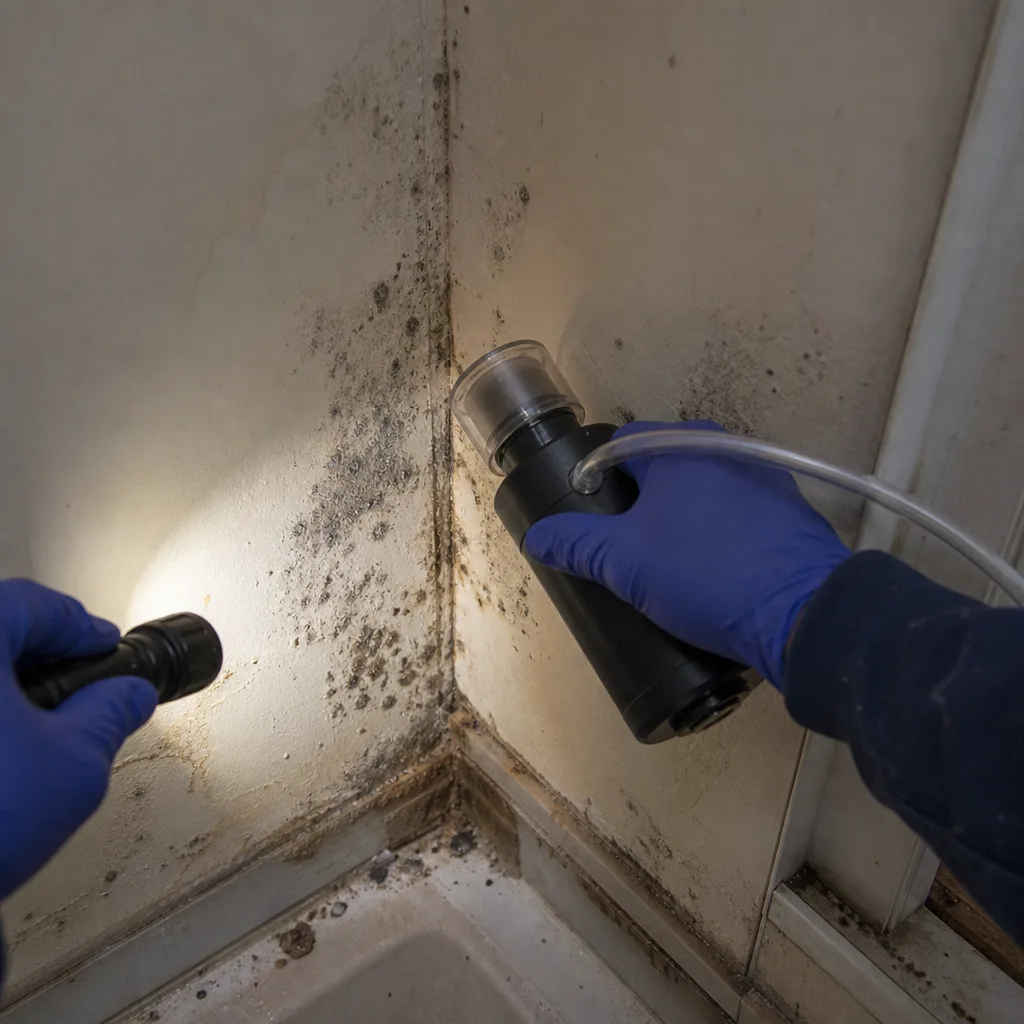
Visible mold growth smaller than 10 square feet in a single location, on a hard non-porous surface, can sometimes be addressed by a homeowner using appropriate PPE and EPA-registered cleaner. However, in Long Beach’s coastal zip codes, visible mold often indicates a larger hidden colony behind the surface due to marine-layer moisture intrusion. Professional assessment with moisture mapping and air sampling determines true scope. DryMark Restoration Long Beach provides free second opinions on any competitor’s mold remediation estimate.
Sustained indoor relative humidity above 60% requires action. Above 65%, run a dehumidifier continuously in the affected area. Above 70%, inspect for hidden moisture sources - the humidity likely indicates active water intrusion, not just atmospheric conditions. Coastal Long Beach homes in 90802, 90803, and 90804 should monitor attic and crawl space humidity separately from living spaces, as these unconditioned zones often run 15-20% higher RH.
Marine layer in Long Beach is a persistent, cool, saturated air mass that contacts warm building surfaces and creates condensation inside wall cavities - not just on exterior surfaces. Unlike transient fog, it recurs nightly for months, delivering cumulative moisture loads. Standard weatherproofing designed for rain shedding doesn’t address vapor drive from sustained high humidity. Coastal homes need vapor barrier continuity, attic ventilation, and in some cases, positive-pressure HVAC strategies that inland homes don’t require.
The Bottom Line
Long Beach’s mild climate doesn’t eliminate seasonal water damage risk - it disguises it. The city’s predictable rain concentration, marine-layer humidity, and aging housing stock create a damage calendar that repeats annually for homeowners who don’t inspect systematically. A quarterly documentation practice, calibrated to actual local conditions and recorded with date-stamped photos and moisture readings, catches Category 1 losses while they’re still minor. It also builds the pre-loss history that turns insurance claims from disputes into payments. The inspection takes two hours per quarter. The documentation takes 15 minutes. The alternative is discovering a problem when the musty smell won’t go away, the drywall is soft, or the adjuster is asking why you have no maintenance records.
Written by Alicia Brennan, Owner at DryMark Restoration Long Beach, serving Long Beach since 2011.