
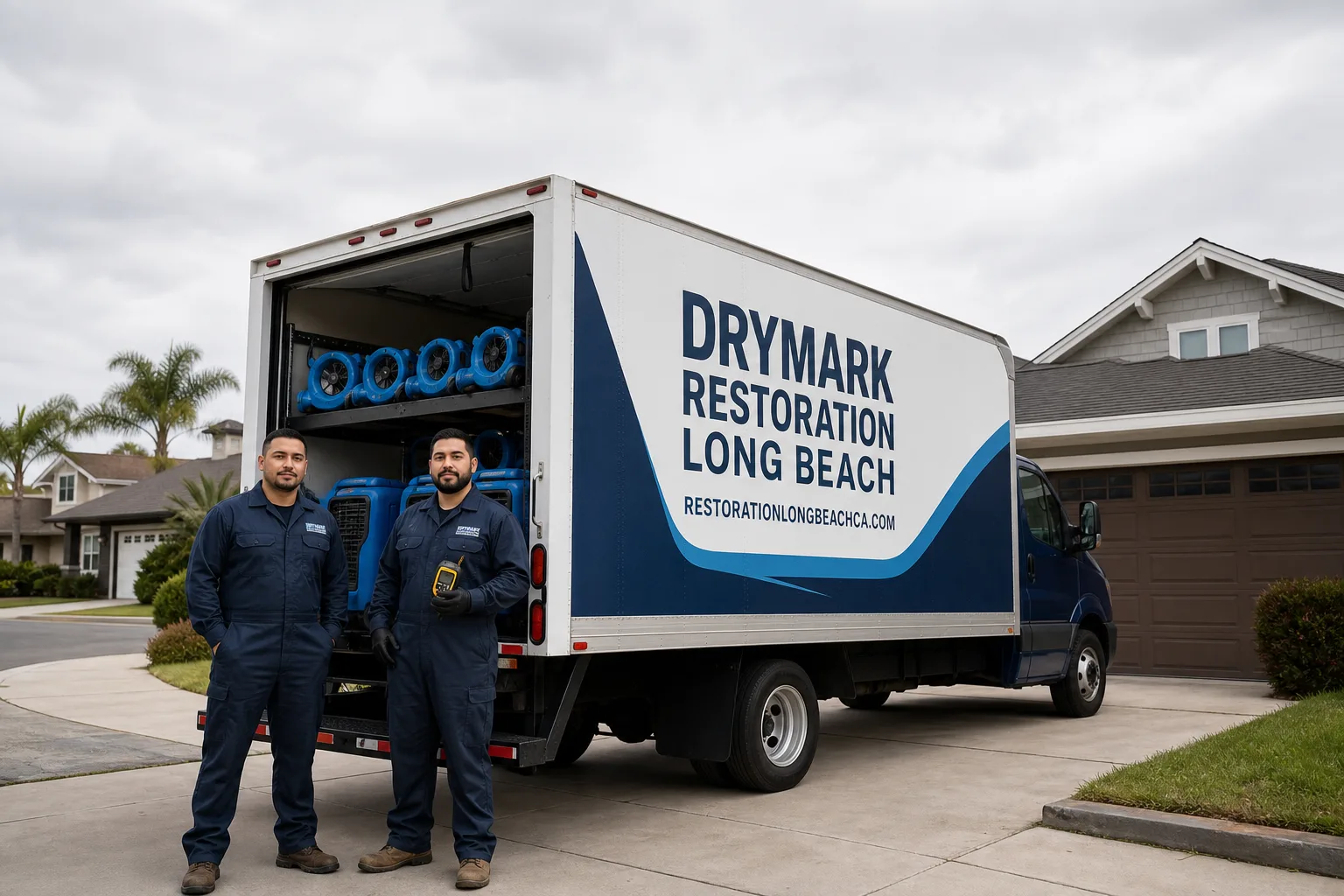
Free visual inspection and a written scope of work before any mitigation begins - photos, moisture readings, and drying logs go in your claim file
The scope we write is the scope we bill. Anything new gets shown to you, in writing, before we touch it.
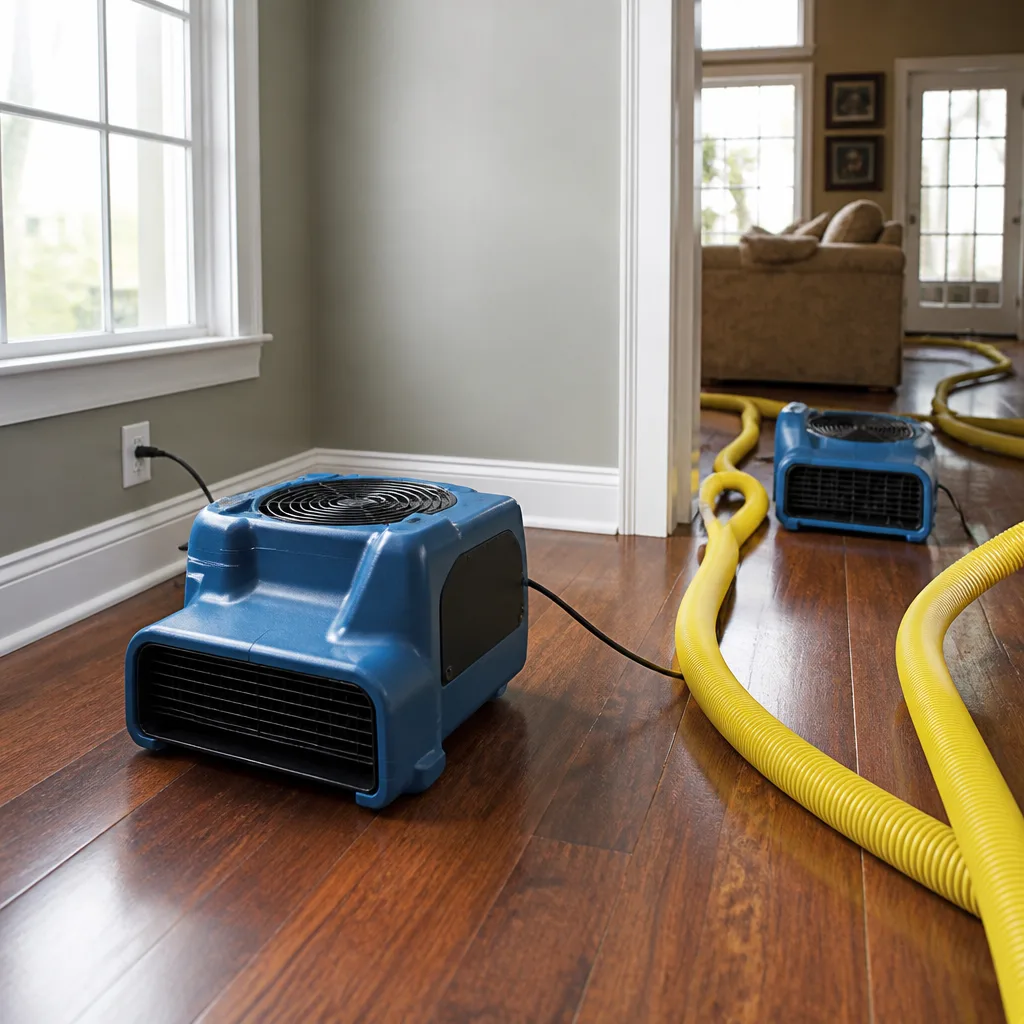
 Before
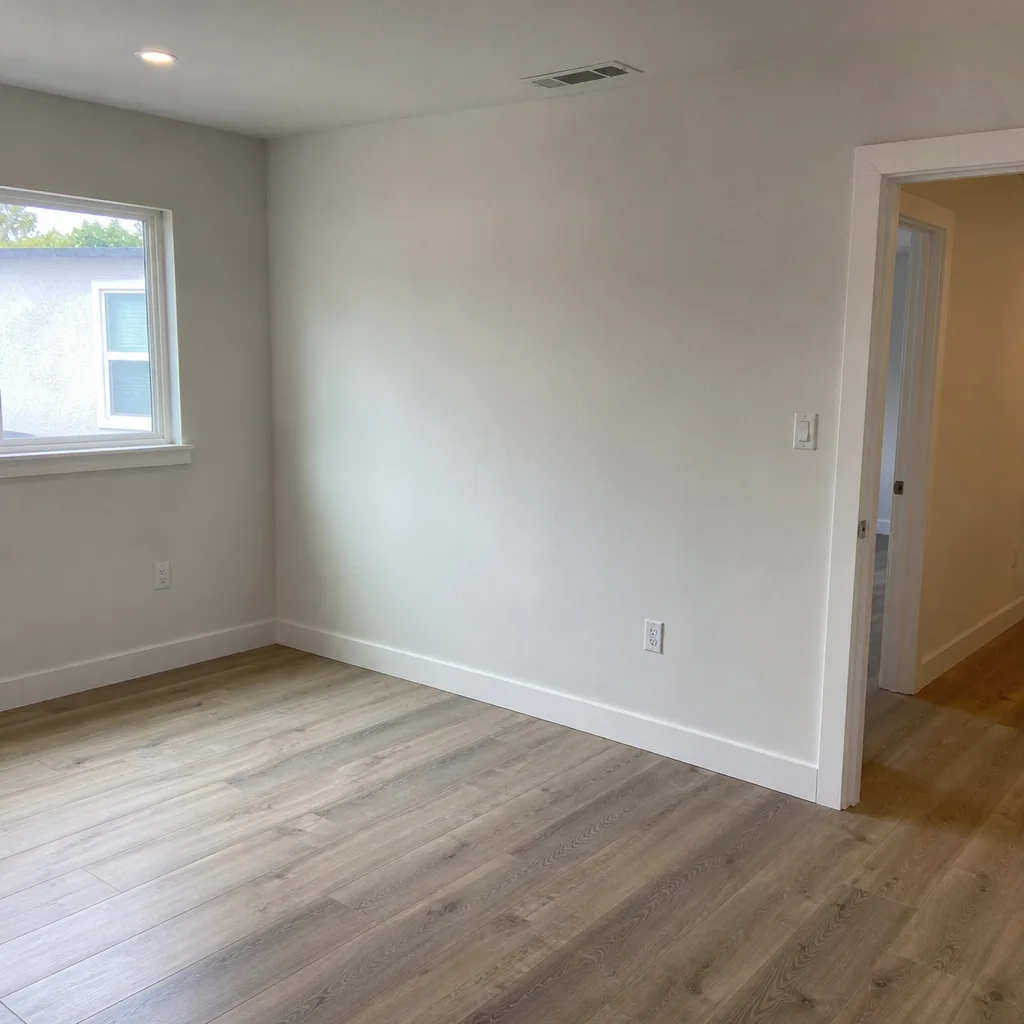 After
After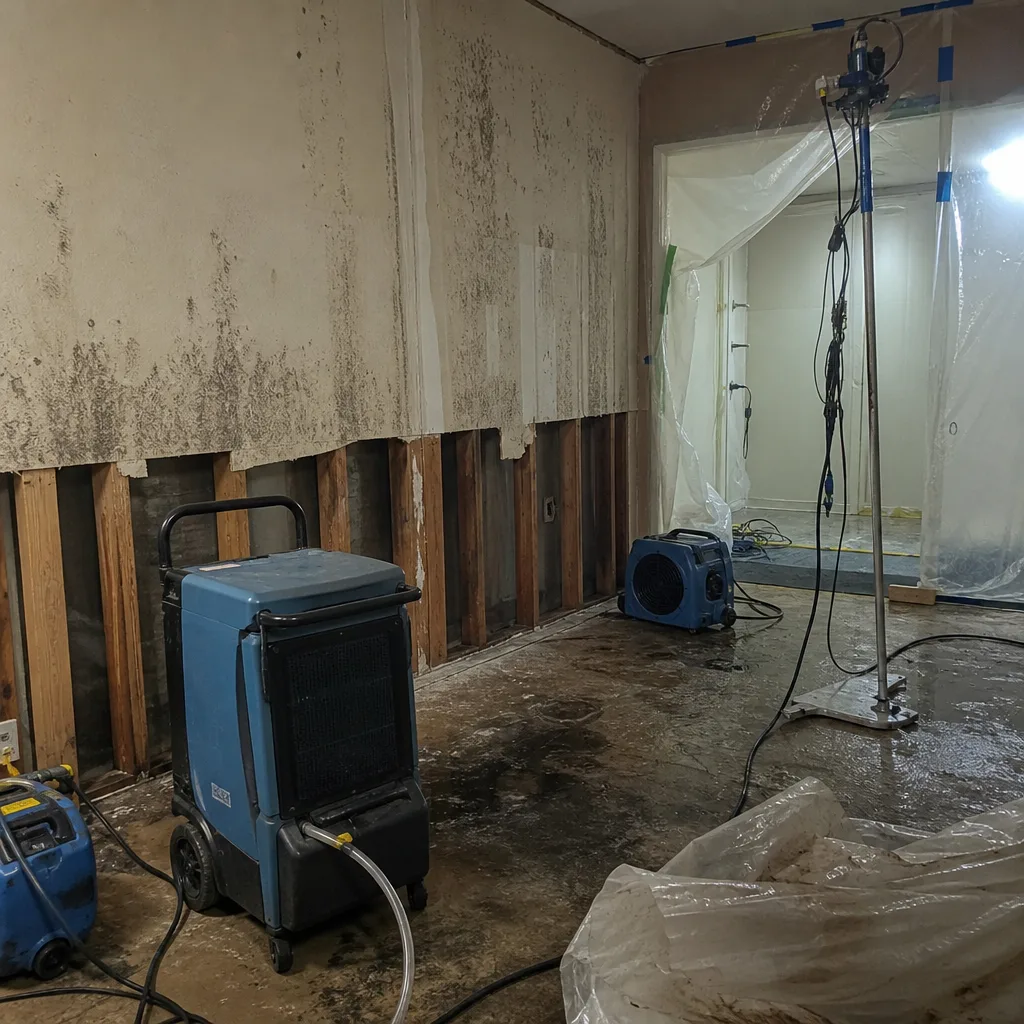 Before
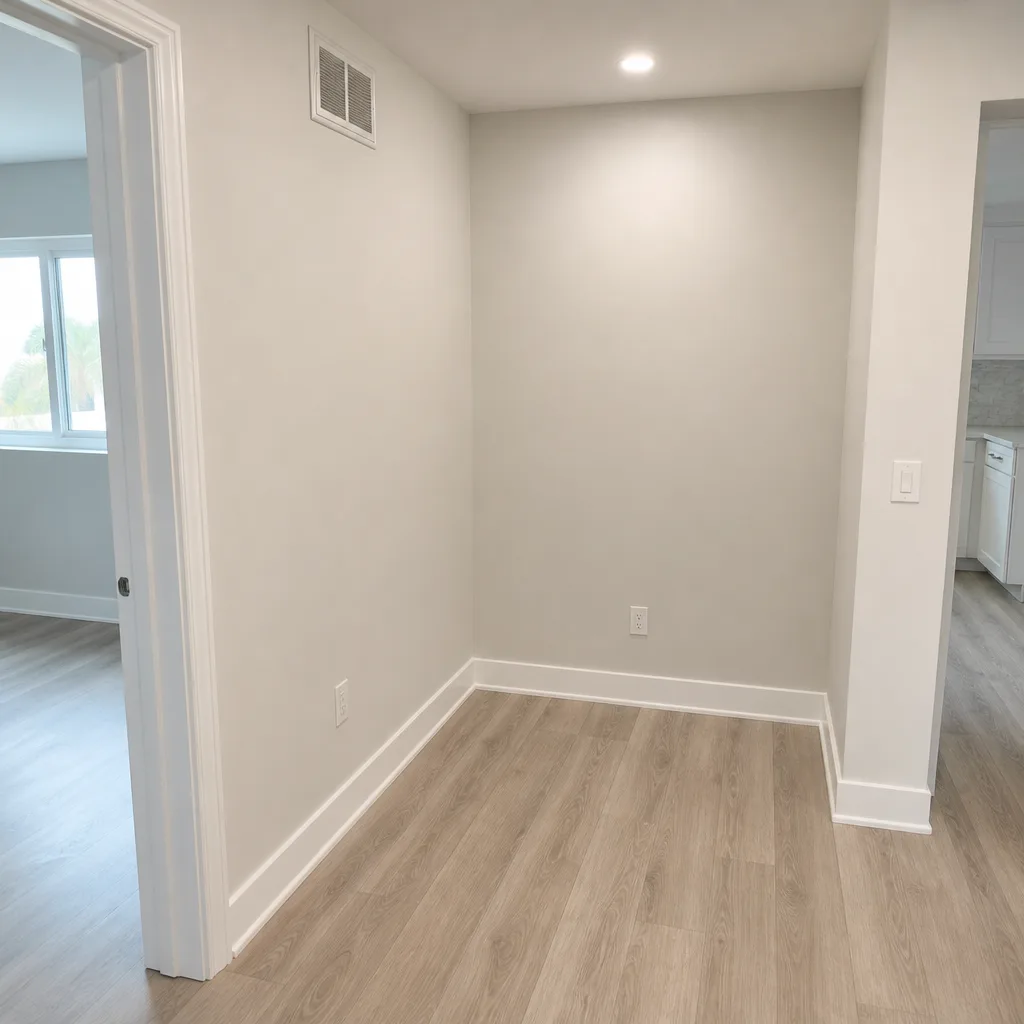 After
After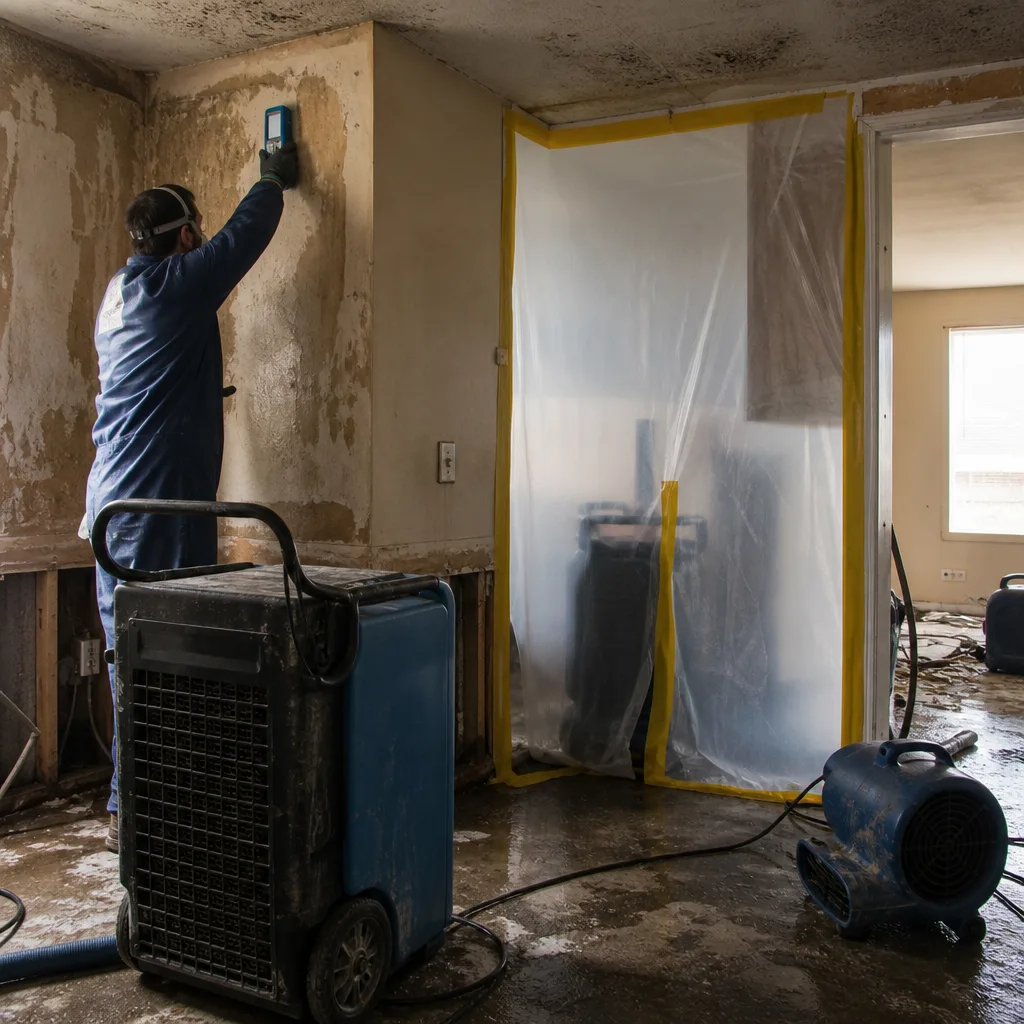 Before
 After
AfterFast, Reliable Fire & Smoke Damage Restoration Across Downey
Fire and smoke damage restoration in Downey typically runs $3,200-$8,500 for a partial residential cleanup, with full-structure restoration reaching $18,000-$45,000 depending on asbestos abatement requirements and the extent of structural repair. Most emergency board-up and tarping calls in Downey are dispatched within 60-90 minutes, and our live dispatchers answer every call at (424) 373-5092 without voicemail trees.
We’ve restored fire-damaged homes across Downey since 2011, from the 1950s ranch tracts near Brookshire Avenue to the mid-century neighborhoods south of Firestone Boulevard. Our crews know the local building stock: the slab-on-grade foundations, the original 9×9-inch floor tiles that test chrysotile-positive, and the Rio Hondo floodplain conditions that turn fire suppression into a secondary water damage problem. That local knowledge matters because a fire job in Downey follows a different sequence than one in a newer city. When water from fire hoses saturates a slab with no crawlspace, and asbestos testing is legally required before tear-out can proceed, you need a crew that has documented this exact scenario dozens of times.
Our Fire & Smoke Damage Restoration team dispatches from our Los Angeles office with equipment staged for Downey’s specific conditions. We carry XPOWER air movers, Dri-Eaz dehumidifiers, and the containment materials needed for asbestos-regulated work zones. Every job starts with a written price before any work begins, documented to IICRC and RIA standards, with a photo record on every visit.
Why DryMark Restoration Long Beach Is Downey’s Preferred Fire & Smoke Damage Restoration Company
Downey homeowners have left us detailed reviews citing our documentation specifically: the written scopes that prevented their adjusters from disputing line items, the daily moisture logs that proved drying was complete, the photo records that showed pre-loss condition versus restored condition room by room. We don’t ask customers to trust us because we’ve been around a long time. We show them the file.
Response time to Downey averages under 90 minutes for emergency calls, measured from dispatch to arrival at addresses from north of Telegraph Road to the neighborhoods near Downey Landing. Our dispatchers coordinate crew routing through Downey’s grid of major arterials: Firestone Boulevard, Lakewood Boulevard, and Paramount Boulevard. We know which 1950s tracts have the original galvanized plumbing that complicates fire-suppression water cleanup, and which blocks sit low enough relative to the Rio Hondo channel to require Category 3 water protocols on nearly every fire job.
Our technicians are background-checked, uniformed, and licensed, with license numbers documented on every job file. We don’t subcontract emergency response to unvetted crews. The person who boards up your fire-damaged opening is our employee, photographed and logged.
Our Fire & Smoke Damage Restoration Services in Downey
Fire Damage Cleanup
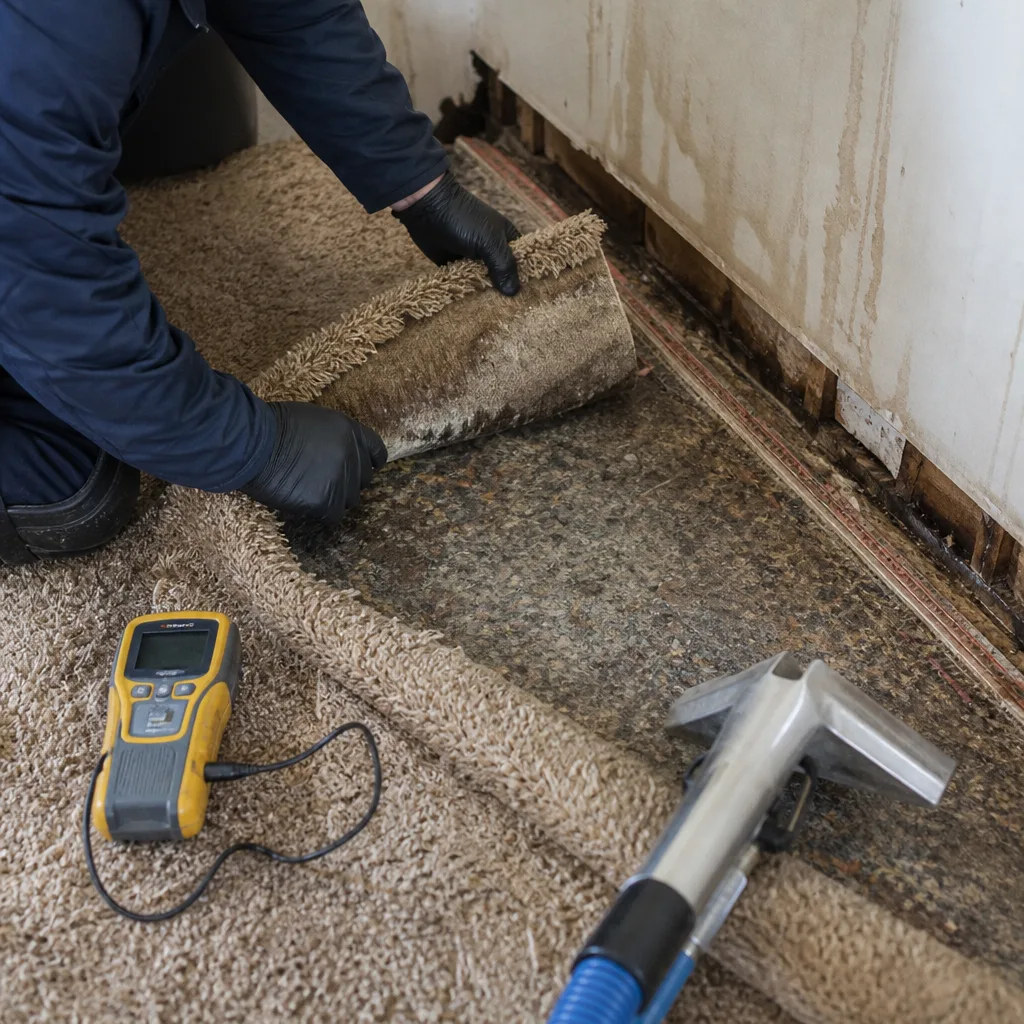
Fire damage cleanup in Downey’s 1950s-1968 ranch tracts begins with a hazard assessment that competitors in newer cities rarely face. The 9×9-inch vinyl asbestos floor tiles common in these homes are presumed chrysotile-positive until tested negative, which means our crew cannot legally begin tear-out or structural drying until an asbestos consultant clears the site. We build this regulatory hold into our timeline from the first phone call, so homeowners aren’t surprised by a two-to-four-day pause that other companies fail to mention. Our written scope includes the testing cost, the containment setup, and the phased restart sequence. In a 2023 kitchen fire near Imperial Highway, this upfront documentation prevented a $14,000 scope dispute with the homeowner’s insurer.
Smoke & Soot Removal
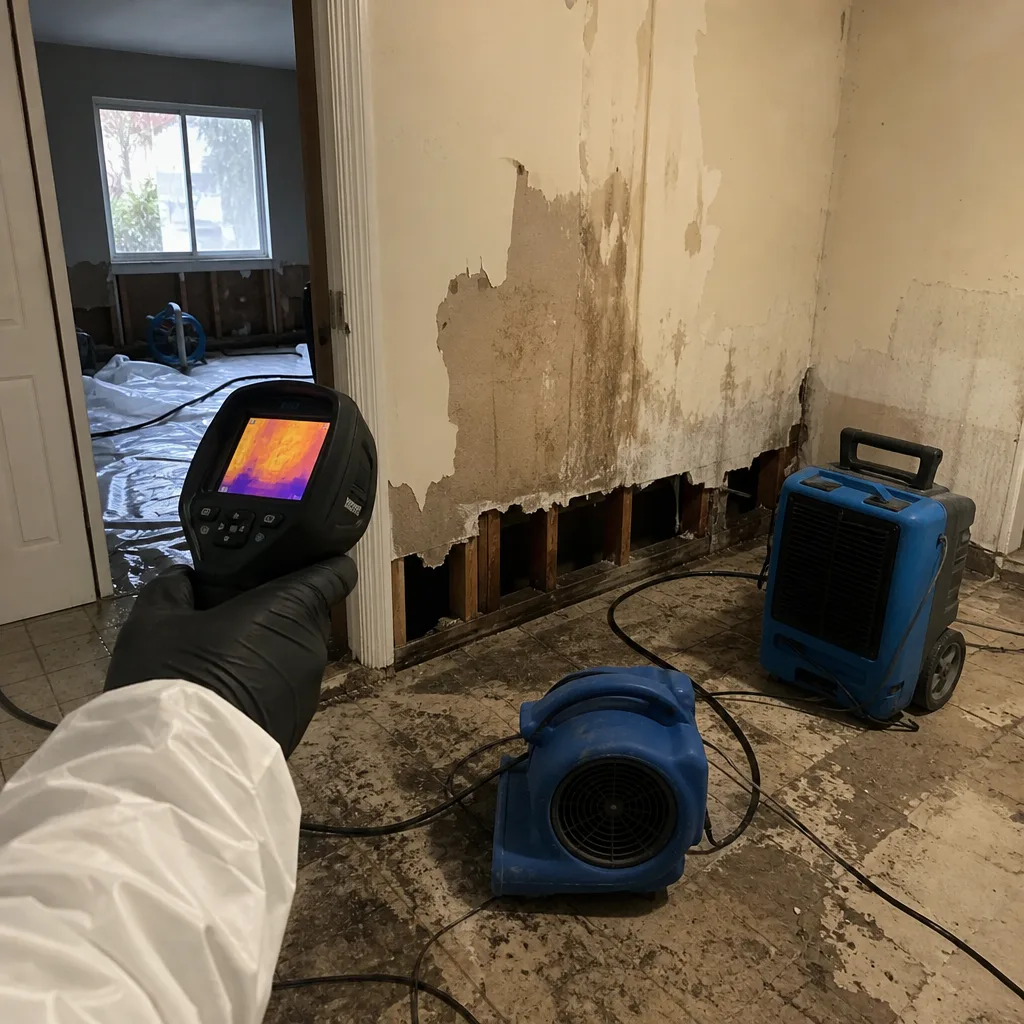
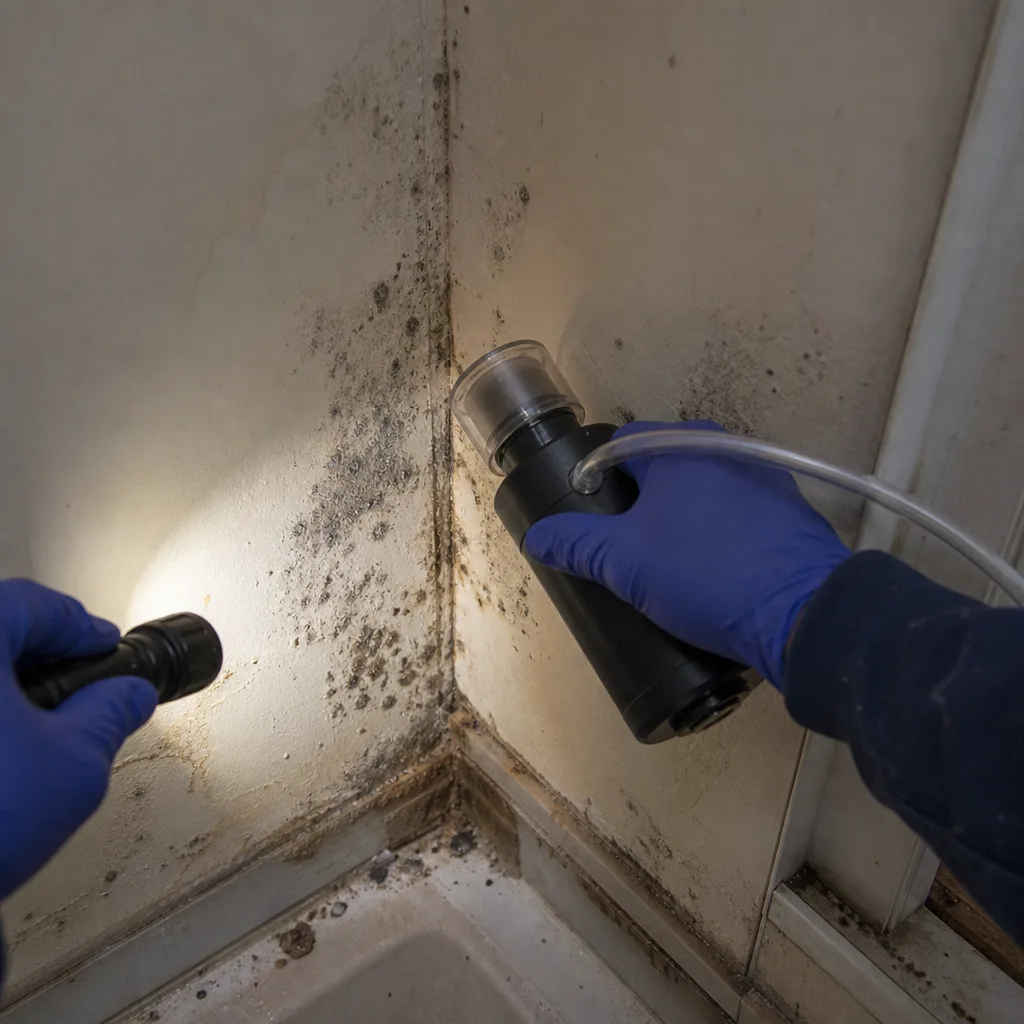
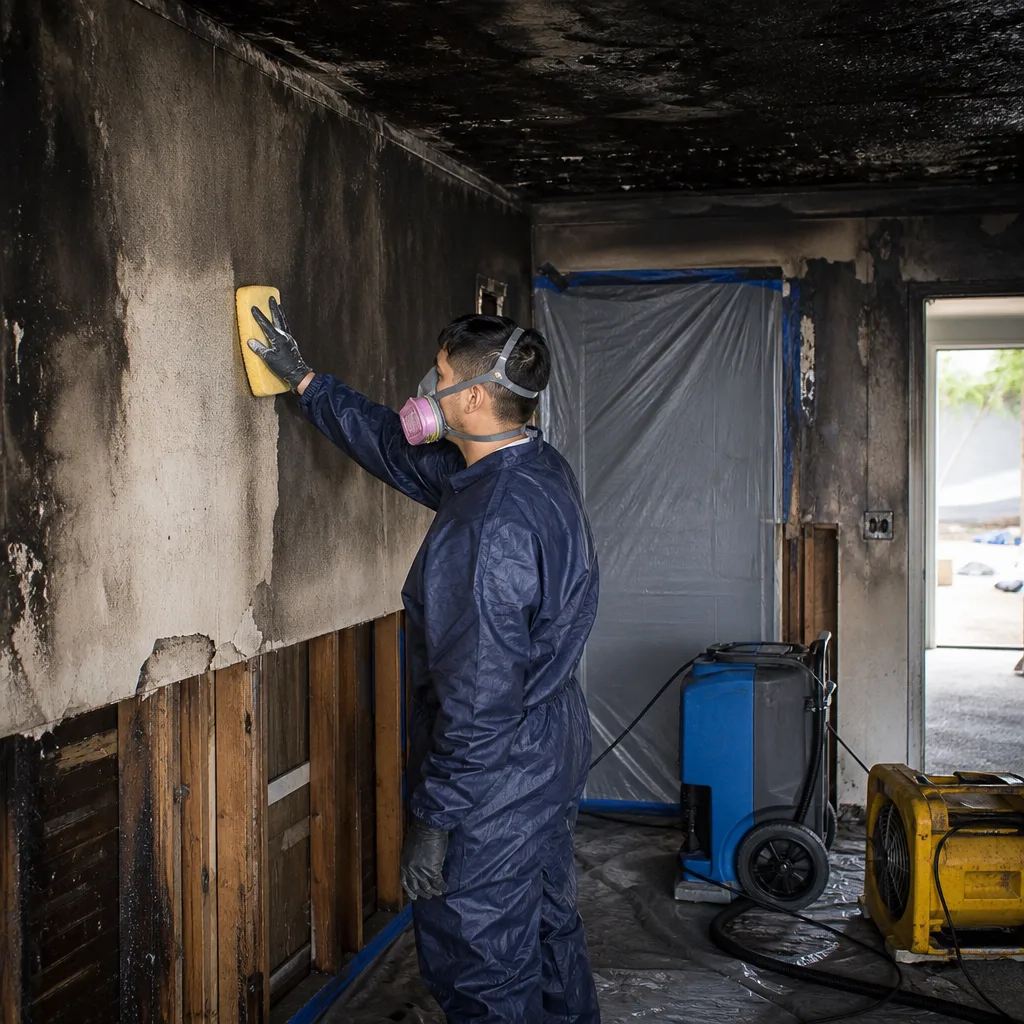
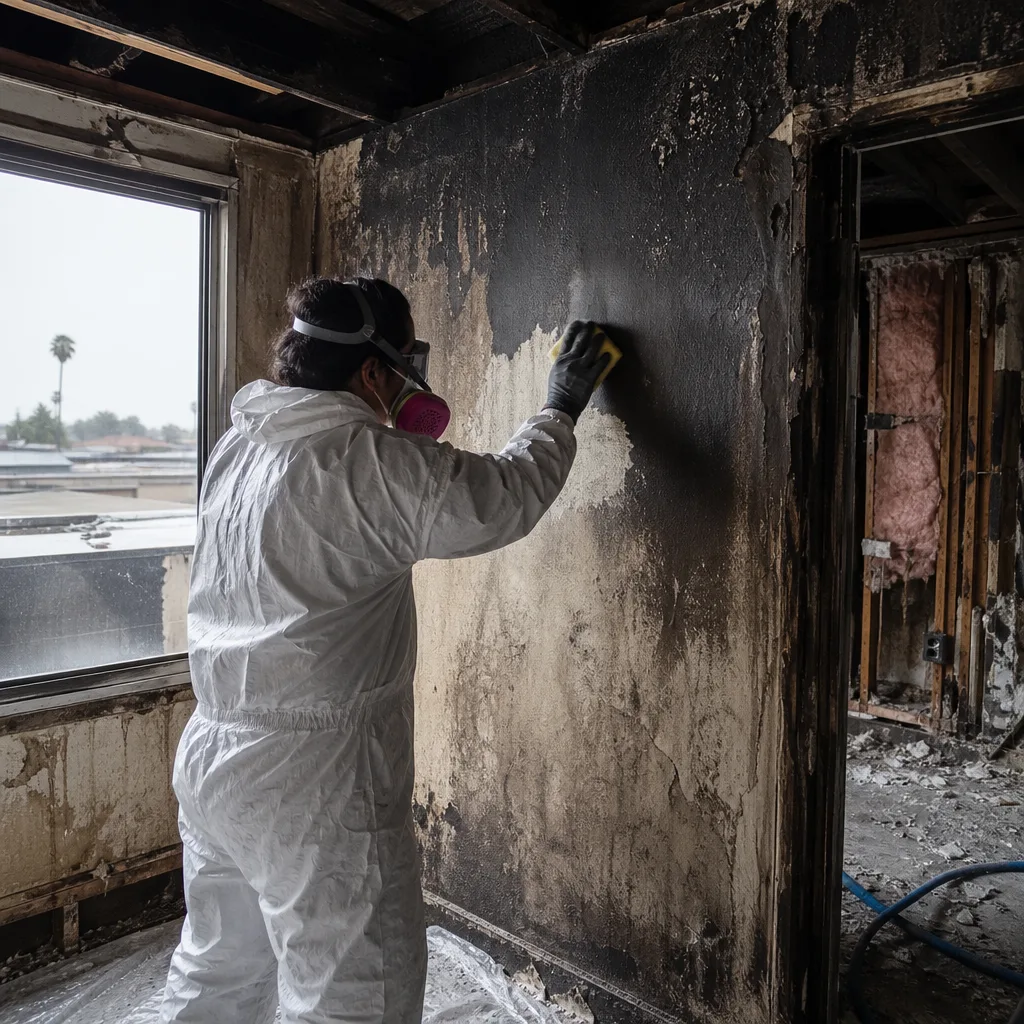
Smoke and soot behave differently in Downey’s tight 1950s floor plans than in modern open-concept homes. The small, interconnected rooms of these ranch tracts create thermal layering: superheated smoke deposits heavy soot at ceiling level in kitchens and bathrooms while pushing lighter acidic residues into closets and behind baseboards. Our crews map this with thermal imaging, then deploy HEPA-negative air machines and contact vacuuming before any wet cleaning begins. The alkaline cleaners we use are matched to the burned material classification: protein fires from kitchen grease require enzymatic treatment, while synthetic fires from plastics and modern furnishings need solvent-based removal. We document the classification, the product, and the dwell time on every surface.
Odor Removal & Deodorization
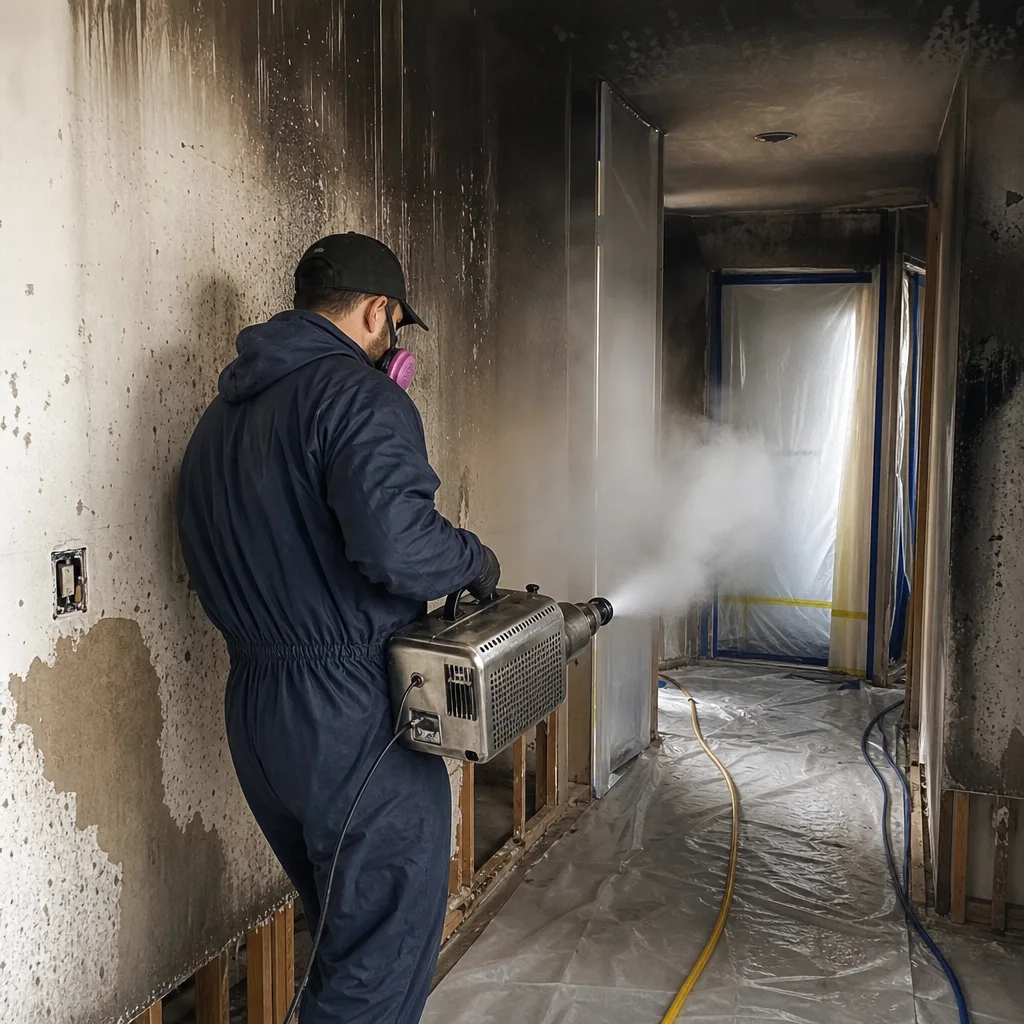
Smoke odor in Downey’s older homes persists because the original construction lacks the vapor barriers and sealed wall cavities that modern building codes require. Odor molecules penetrate lath-and-plaster or early drywall, then re-emit when temperatures rise. Our deodorization protocol includes thermal fogging with odor-counteractant compounds, ozone treatment for unoccupied spaces, and hydroxyl generators for occupied areas during restoration. In slab-on-grade homes where fire-suppression water has wicked under flooring, we also address the musty secondary odor from Category 3 contamination trapped against concrete with no crawlspace access. The written scope specifies which methods apply to which rooms, with before-and-after odor readings documented in the job file.
Contents Cleaning & Pack-Out
Contents from fire-damaged Downey homes are inventoried, photographed, and packed out to our cleaning facility with a chain-of-custody log that insurance adjusters accept without challenge. Soft goods receive ultrasonic cleaning for soot particle removal; electronics are cleaned in controlled environments to prevent corrosion from acidic soot residues; documents and photographs undergo freeze-drying stabilization if water exposure occurred. Each item category is listed in the written scope with the cleaning method, the estimated turnaround, and the replacement valuation if restoration fails. Homeowners receive access to their inventory portal within 24 hours of pack-out.
Emergency Board-Up & Tarping
Board-up and tarping in Downey requires attention to wind-load vulnerability that other cities don’t face. Santa Ana wind events drive embers and debris at velocities that exceed standard door and window ratings, and many original openings in 1950s-60s construction lack the impact-rated reinforcement that current code would require for new installation. Our emergency board-up includes temporary wind-rated barrier installation where structural integrity allows, plus documentation of opening dimensions and framing condition for the rebuild scope. If a wind-rated door or window has failed, we note the rating discrepancy in the photo record so the replacement scope can address code compliance.
What happens when you call
- 1
A real person answersNo phone trees - you reach a local pro.
- 2
You get an upfront price rangeHonest numbers before anyone is dispatched.
- 3
A background-checked tech heads outLicensed & insured, dispatched right away.
- 4
You approve before work beginsNothing starts until you say go.
 Before
 After
AfterTrusted Equipment Brands We Deploy in Downey
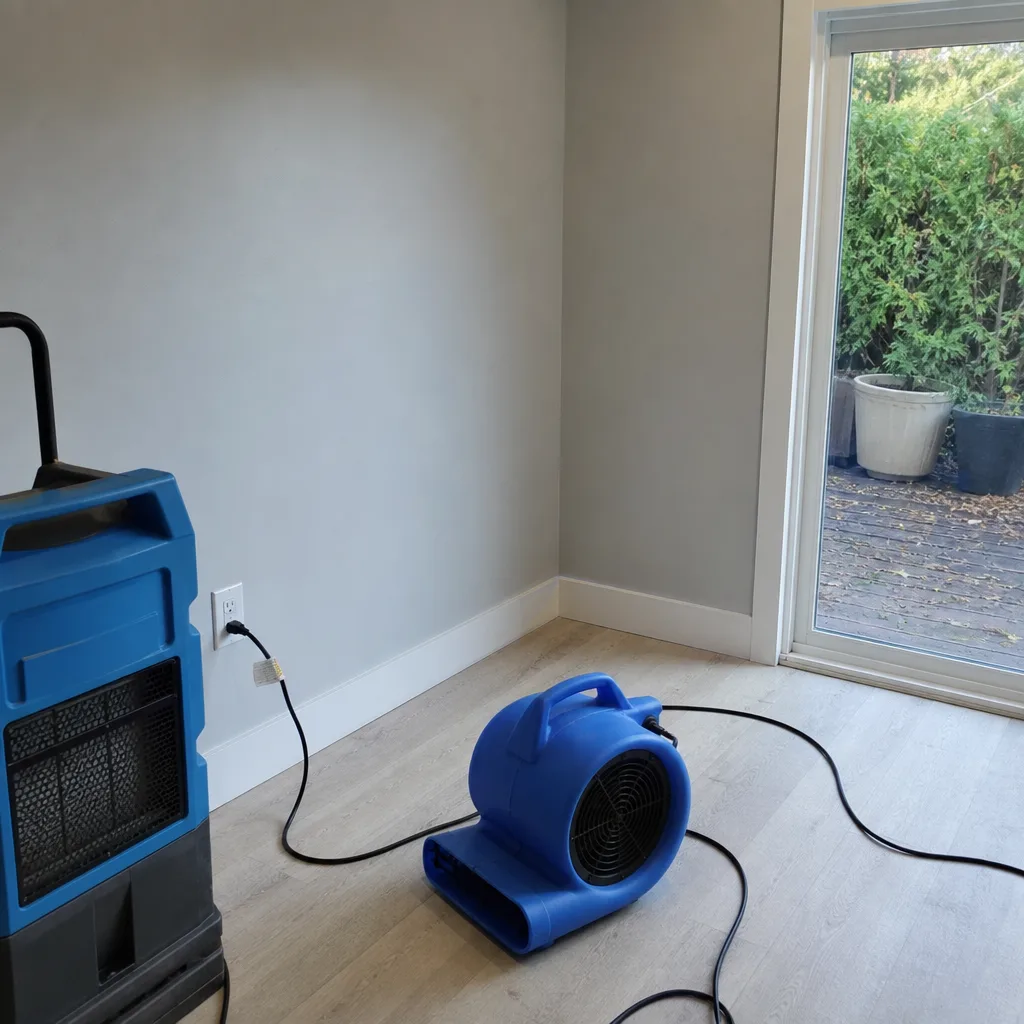
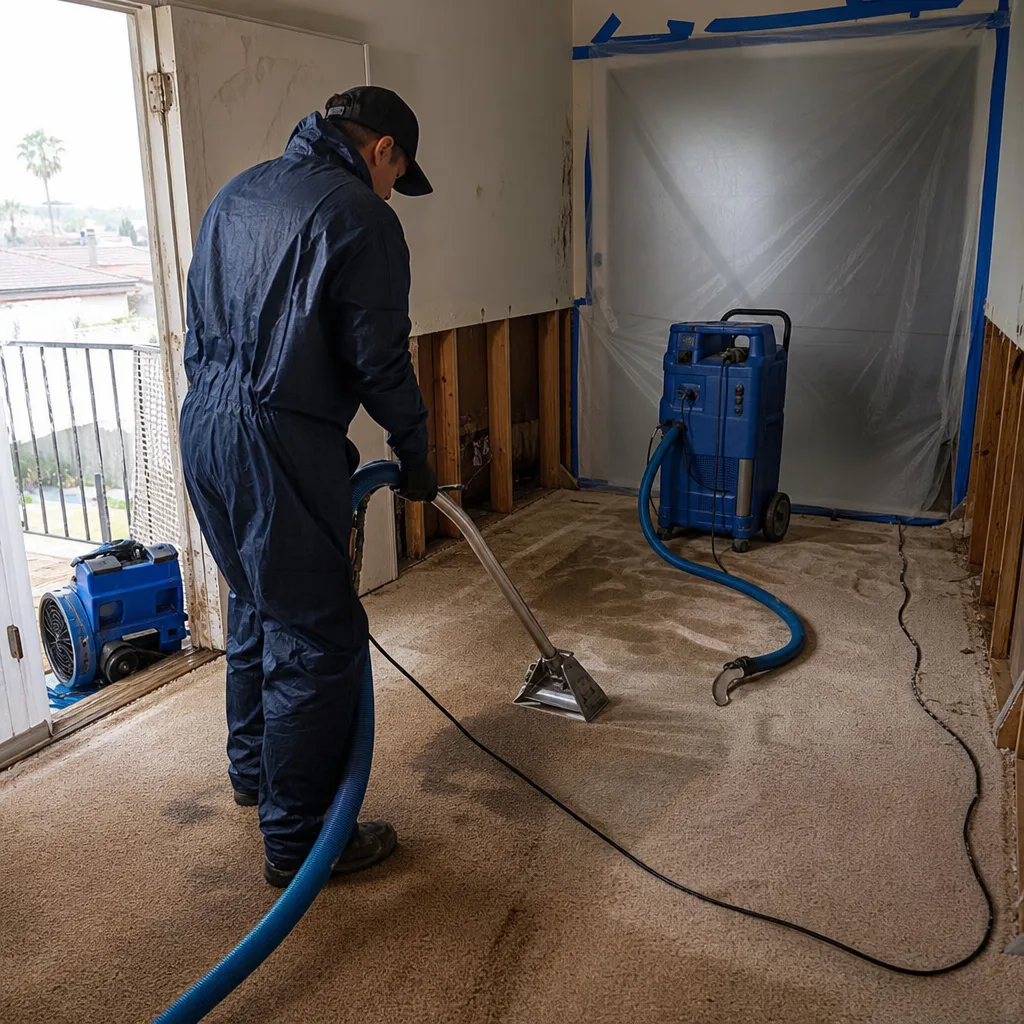
Our Downey crews work with professional-grade drying and air quality systems from Dri-Eaz, Phoenix, and XPOWER, documented to IICRC, RIA, and IFA standards. The Dri-Eaz Revolution LGR dehumidifiers we deploy on fire-suppression water losses pull vapor at temperatures below 50°F, which matters in Downey’s older homes where slab-on-grade concrete stays cold and slows evaporation. XPOWER air movers are staged in configurations calculated from psychrometric data: temperature, relative humidity, and vapor pressure differential, which is the measurable force that drives moisture from wet materials into the air stream. We don’t guess at equipment placement. We log the readings, calculate the drying curve, and adjust daily until the moisture content hits the dry standard for each material classification.
Common Fire & Smoke Damage Restoration Problems We See in Downey Homes
- Asbestos-presumed 9×9 floor tiles halt fire tear-outs. On nearly any fire-damaged kitchen or bathroom in Downey’s 1950s-60s tracts, the original floor tiles test positive for chrysotile asbestos. This isn’t a possibility we check; it’s the default assumption local techs work from. A fire job cannot proceed to structural drying or rebuild until an asbestos consultant clears the site, adding cost and delay that homeowners in newer-stock cities rarely encounter.
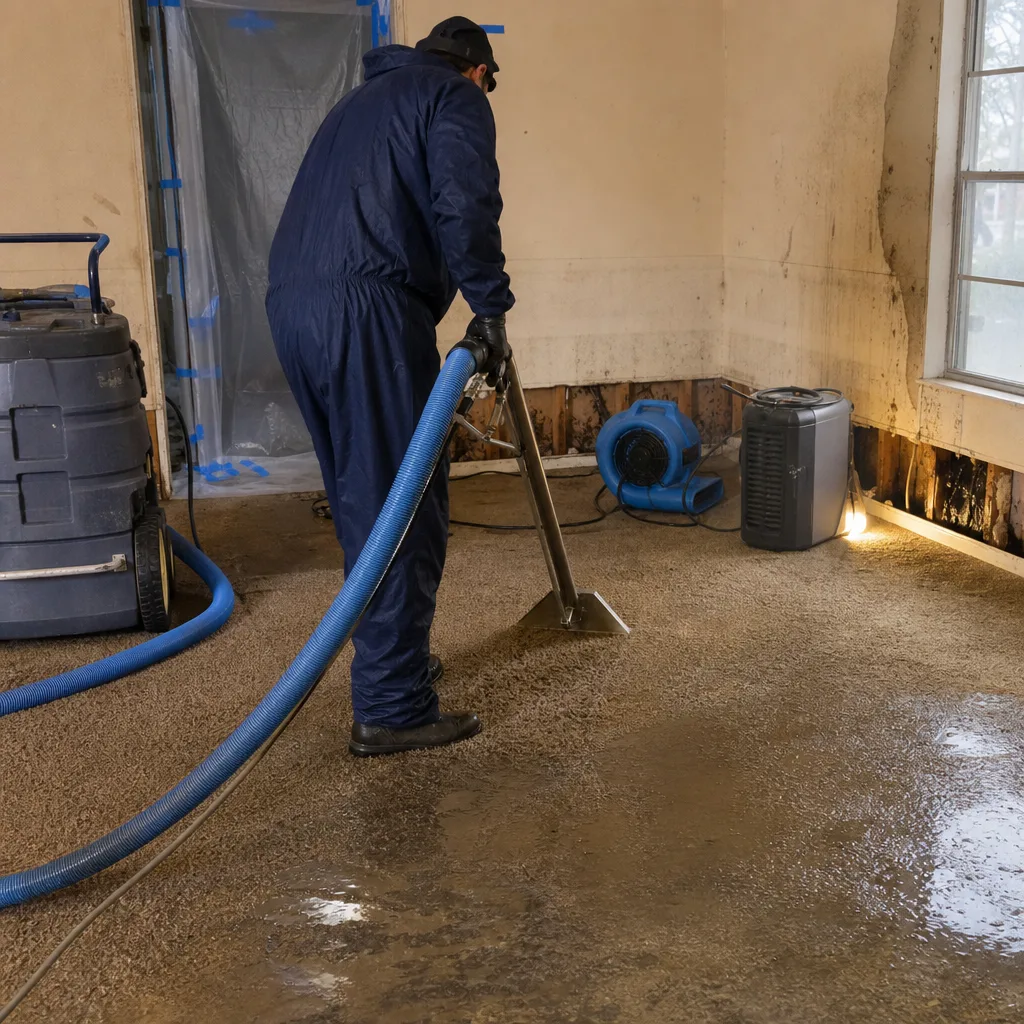
- Slab-on-grade foundations trap Category 3 fire-suppression water. With no crawlspace beneath the concrete, water from fire hoses wicks horizontally under vinyl or hardwood flooring rather than draining downward. In Downey’s low-lying areas near the Rio Hondo channel, this water is classified Category 3 from the start, contaminated by ground-level pathogens and channel runoff, requiring full gutting rather than drying in place.
- Santa Ana wind events exploit failed wind-rated openings. Original sliding glass doors and garage doors in Downey’s aerospace-boom housing lack the impact ratings that current Santa Ana wind conditions demand. When these fail during a fire event, ember intrusion extends damage to rooms the original fire never reached, and the replacement scope must include permit-compliant reinforcement that the original construction omitted.
- Galvanized supply lines at end of service life complicate fire suppression assessment. Original plumbing in Downey’s 1950s-60s homes corrodes from the interior, and the high-pressure discharge from fire department hoses can cause concealed line failures that release additional water days after the initial event. Our post-fire inspections include pressure testing of accessible supply lines, with findings documented in the written scope.
Pricing for Fire & Smoke Damage Restoration in Downey, CA
Emergency board-up and tarping in Downey runs $850-$2,400 depending on opening count and temporary wind-barrier requirements. Smoke and soot cleanup for a partial residential structure typically costs $3,200-$8,500, with full-structure fire damage restoration reaching $18,000-$45,000. Asbestos testing and abatement, required on most 1950s-60s Downey tear-outs, adds $1,800-$4,500 to the base scope. Contents cleaning and pack-out is priced per cubic foot of affected inventory, generally $2,200-$6,800 for a typical three-bedroom ranch.
These ranges reflect Downey’s specific conditions: the mandatory asbestos testing pause, the slab-on-grade water complications, and the permit requirements for impact-rated replacement openings. Every written scope breaks these line items out separately, with no scope-creep additions once the crew is inside. Haven Standard, Clause 1: the price you sign before work begins is the price on the final invoice. Call (424) 373-5092 for an exact quote; estimates are free, and we provide a Free Second Opinion on any competitor’s written estimate at no charge.
We Also Serve Cities Near Downey
Our crews respond daily to Fire & Smoke Damage Restoration in Downey and the surrounding communities: Paramount to the north, Bellflower to the east, Norwalk to the southeast, and Cerritos to the south. Each city presents distinct housing stock and regulatory conditions, and our written scopes are adjusted accordingly. Cerritos’ newer construction rarely requires asbestos testing. Paramount’s mixed vintage demands case-by-case assessment. We document the difference in every file.
Serving Downey, CA - Our Local Coverage Area
We’re based in the Downey area and know this community well. Use the map below to see our service coverage - if you’re nearby, we can almost certainly help.
FAQs - Fire & Smoke Damage Restoration in Downey
Yes. The 9×9-inch floor tiles common in Downey’s 1950-1968 construction are presumed chrysotile-positive under California regulation, and any disturbance during fire tear-out or structural drying requires licensed asbestos abatement clearance before work can legally resume. We build this mandatory testing phase into every written scope for Downey’s older tracts, with containment setup and air monitoring included in the line-item pricing. Call (424) 373-5092 for an exact quote; estimates are free.
Fire-suppression water in low-lying Downey neighborhoods near the Rio Hondo channel mixes with ground-level contaminants and floodplain runoff, classifying it as Category 3 black water regardless of the source. Slab-on-grade construction traps this water beneath flooring with no crawlspace to drain or dry, forcing full gutting and antimicrobial treatment rather than in-place drying. Our crews test water classification at multiple points on every fire job in these zones, with results documented in the photo record. Call (424) 373-5092 for an exact quote; estimates are free.
A failed wind-rated door or window creates an ember intrusion pathway that extends fire damage to interior rooms the original blaze never reached, and it leaves the opening structurally vulnerable to wind-driven debris during Santa Ana events that regularly exceed 40 mph in the LA Basin. Replacement requires permit verification for impact-rated reinforcement that original 1950s-60s Downey construction omitted. Our post-fire inspections document opening ratings and framing condition, with code-compliant replacement scoped in writing before rebuild begins. Call (424) 373-5092 for an exact quote; estimates are free.
Mold colonization in Downey’s slab-on-grade homes can begin within 48-72 hours of fire-suppression water saturation, faster than in homes with crawlspaces because the concrete slab traps moisture against the underside of flooring with no air circulation. The Category 3 water classification common in Rio Hondo-adjacent properties accelerates this timeline further. Our fire damage scopes in Downey include immediate moisture mapping and, where drying is delayed by asbestos testing holds, preventive antimicrobial treatment with documented application times. Call (424) 373-5092 for an exact quote; estimates are free.
Yes, in most cases. Smoke odor removal success depends on accessing the full residue deposition pattern, which in Downey’s small 1960s rooms often requires selective demolition of ceiling cavities and behind-baseboard spaces rather than whole-room gutting. Our thermal imaging maps the heaviest soot layers, and the written scope specifies exactly which surfaces require removal versus which respond to thermal fogging, ozone, or hydroxyl treatment. We guarantee the result under our 365-Day Done Right Promise: if odor persists, we return and make it right. Call (424) 373-5092 for an exact quote; estimates are free.
After an electrical fire scorched a kitchen in the 1950s tract near Rio Hondo channel, our crew mounted XPOWER air movers and a Dri-Eaz dehumidifier, but the slab-on-grade floor and the presumed-asbestos 9×9 tiles forced us to pause, call for testing, and then scaffold a contained rebuild that still reached pre-loss condition. Because the owners’ impact-rated sliding glass door had failed its wind-rating seal at the sill during the same Santa Ana event, we reinforced the jamb and re-tarpped before final smoke odor treatment.
Every fire and smoke damage restoration job in Downey is covered by our 365-Day Done Right Promise under The Haven Standard: if it’s not done right, we make it right, in writing, not as a verbal assurance. Our documentation - the written price before work begins, the daily moisture logs, the photo record on every visit, the signed warranty at completion - is what turns a restoration invoice into a claim an insurer pays without a fight. That’s the company Alicia Brennan built in 2011, and it’s how we still operate today.
Written by Alicia Brennan, Owner at Back to Dry Restoration, serving Downey since 2011.